






Using advanced welding and assembly methods on stadium steel frames is the most cutting-edge work in modern building engineering. These methods make sure that accuracy and performance work together to build top-quality places for sports. In order to resist dynamic loads, harsh weather, and years of operational stress, a stadium steel frame must possess exceptional structural integrity. New welding technologies, like automated and advanced assembly methods, have completely changed the way we build steel structures with big spans. These new methods are more durable, cheaper, and faster than the old ones.
Understanding the Challenges in Stadium Steel Frame Welding and Assembly
Stadium construction presents unique engineering challenges that distinguish it from conventional steel frame projects. Because of their complexity and the strict safety rules that must be followed, it can be very hard to do welding and assembly work on buildings with large spans.
Environmental and Structural Complexities
Welding is a very weather-dependent part of the process of building an arena. Changes in temperature, humidity, and wind can affect the quality of the weld, which can lead to problems in the structure. When people move around, when sound waves travel through the air, and during earthquakes, stadiums have to hold up very heavy loads. Because of this, welds with great fatigue resistance and long-term reliability are needed.
Technical Precision Requirements
Advanced planning and execution are needed to get millimeter-level accuracy in large steel systems. If things don't line up right during building, it can lead to expensive delays and damage to the structure. Stadium designs have modern shapes that make old ways of welding useless. This means specialized methods must be used to make sure that quality is always high at every one of the thousands of connection points.
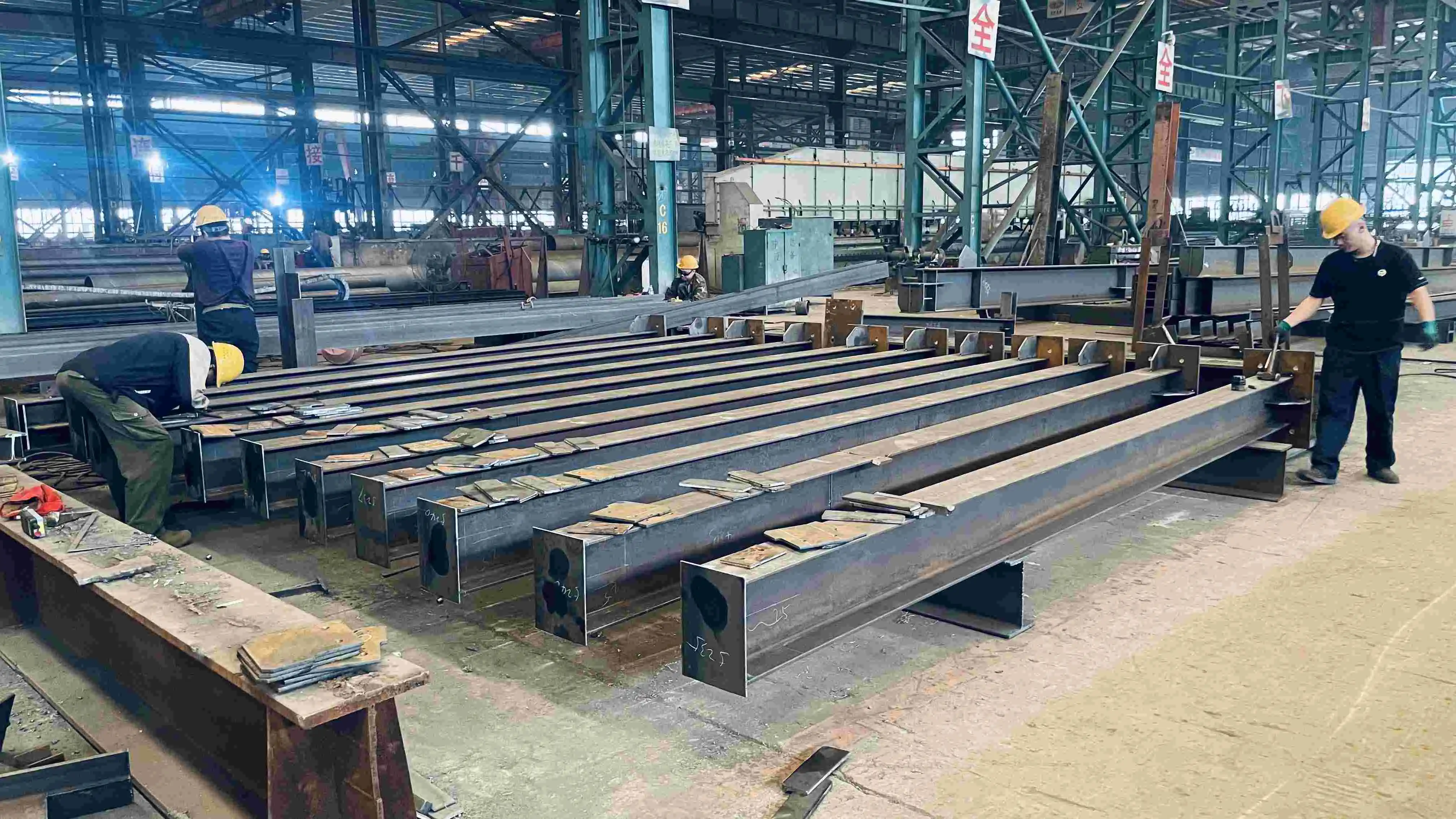
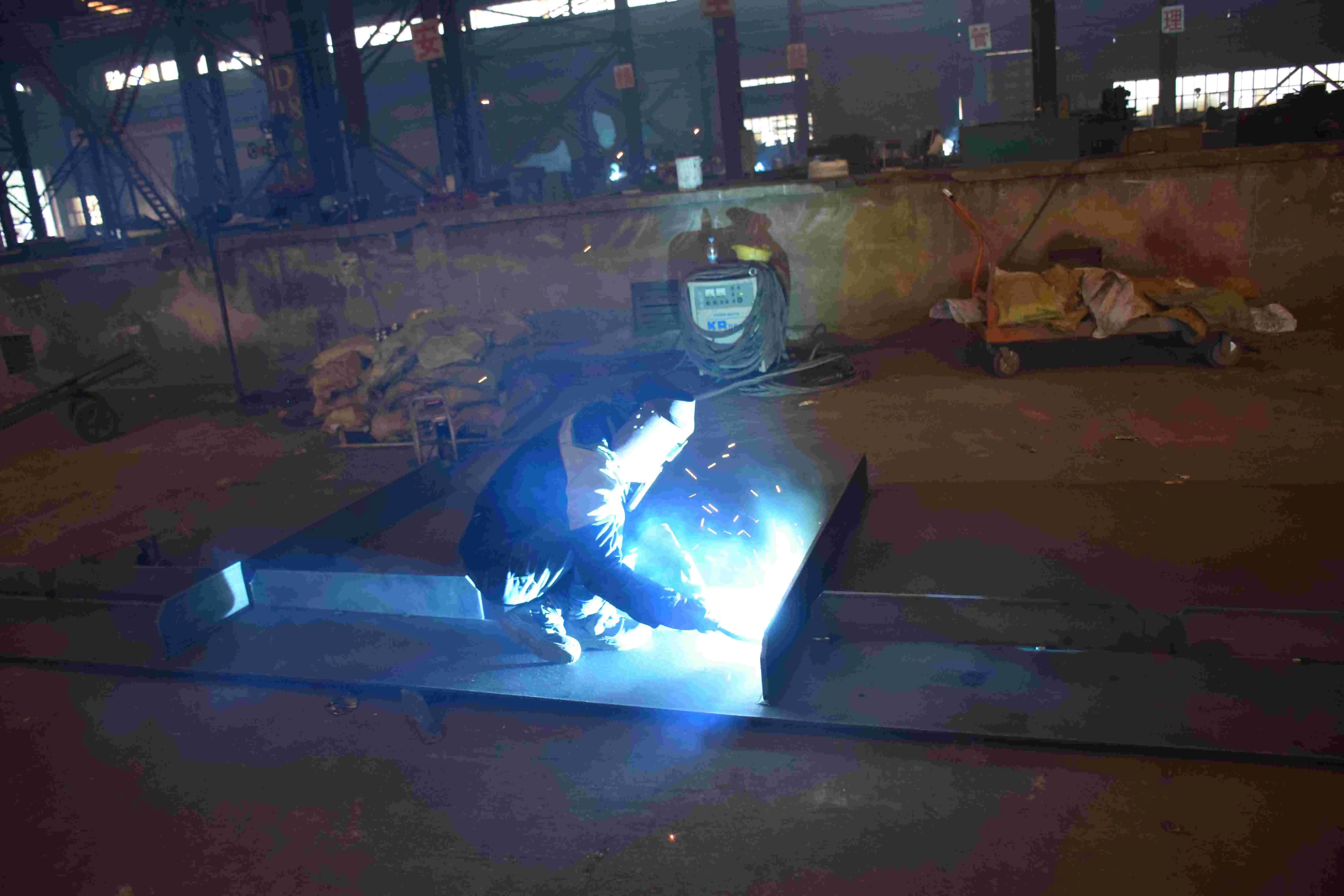
Evolution of Welding Techniques in Stadium Steel Frame Construction
The change from hand welding to automated systems has greatly improved the speed and quality of stadium building. Modern welding methods fix the problems of older methods and add new features that weren't possible before.
Automated Welding Systems and Robotics
Robotic welding systems are now able to handle complicated joint shapes with great accuracy. No matter it position or what is going on in the surroundings, these systems keep the best conditions for welding by using high-tech sensors and changing settings on the fly. MIG/MAG welding has changed to use pulsed techniques that lower the amount of heat used while keeping the quality of penetration. This is especially helpful for thick pieces of steel that are popular in stadium construction.
Using laser welding technology has made it possible to get a level of accuracy that has never been seen before. Laser systems make welds with minimal heat-affected zones and deep penetration. This keeps the metallurgical properties of high-strength steels used in current stadium uses. Even though it needs to be done in a controlled setting, electron beam welding makes a great choice for important structural links when other methods might not work as well.
Digital Integration and Process Control
Modern welding uses digital tracking systems that track settings in real time to make sure that the quality stays the same over long production runs. These systems change welding settings on their own based on the thickness of the material, how the joint is set up, and the conditions in the surroundings. This lowers the chance of making mistakes and keeps the best welding properties going through the building process.
Optimizing Assembly Processes for Stadium Steel Frames
Today's assembly methods stress flexible building techniques that make it easier to control quality and more difficult to simplify on-site construction. These methods have been shown to work especially well for stadium steel frames, where it is very important to stay on schedule and get the structure just right.
Modular Prefabrication Strategies
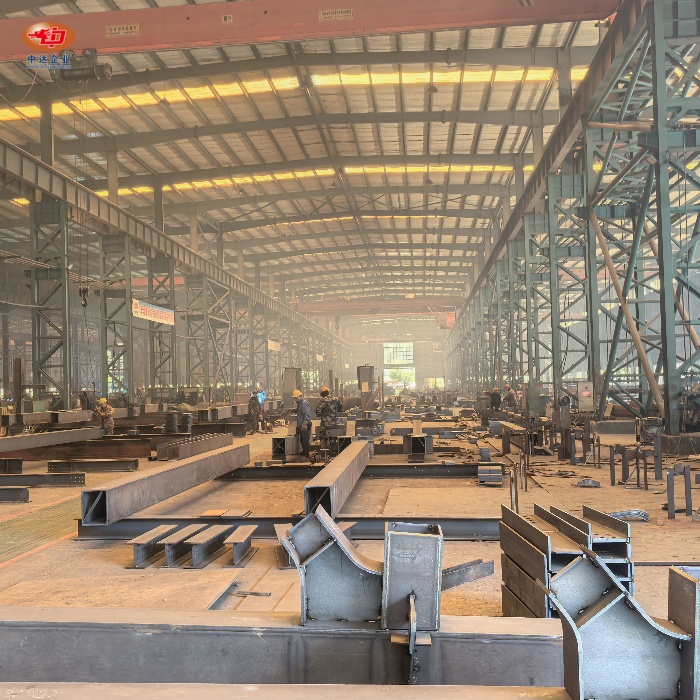
It is easier to keep an eye on the quality of the work in a controlled fabrication environment than in field assembly activities. Modular construction lets you work on a lot of different parts of a building at the same time, which cuts down on the time needed to complete a job very much. Jigs and fixtures made just for this project make sure that complicated shapes are lined up just right. This gets rid of the fitting problems that used to happen in stadium building.
Building Information Modeling (BIM) technology has changed how assembly planning is done by letting users create virtual building sequences that show possible problems before the real assembly starts. Digital twins let you keep an eye on how the assembly is going and make sure that quality standards are met during the whole building process.
Hybrid Assembly Techniques
Today's ways of putting things together use both bolted and welded connections to get the best performance from the structure while also making sure that the order in which the building is done is taken into account. This method combines bolted connections and welding. It lets you use temporary bolted connections when putting things together and then weld them permanently. This way, you can handle the design load and keep the building flexible.
Comparative Analysis: Advanced Welding and Assembly vs. Traditional Methods for Stadium Steel Frames
When you look at how building used to be done, the benefits of more modern welding and assembly techniques really stand out. These changes make many parts of project delivery better, from the start of the design to the performance of the operation in the long run.
Performance and Durability Enhancements
Advanced welding processes are better at resisting fatigue than older ones. By carefully controlling the amount of heat used in welding and managing the parameters of the process, you can get better metallurgical qualities in the weld and lower residual stress. During the time that the stadium is in use, these changes mean that it will last longer and need less upkeep.
Automated welding methods are able to do things over and over again in exactly the same way, which is something that can't be done by people. This stability makes sure that the whole stadium steel frame acts the same way structurally, getting rid of any weak spots that might hurt the strength of the structure as a whole. Better penetration control and lower defect rates help safety gaps and code compliance.
Economic and Environmental Benefits
While more advanced welding systems require more money up front, they save a lot in the long run by needing less rework, speeding up building schedules, and lowering maintenance costs. By controlling parameters exactly, automated processes lower material waste, and by making things faster, they also lower the amount of energy used in manufacturing operations.
Modern welding methods have a better effect on the world than just saving energy. Modular building leads to less material waste and transportation needs, as well as longer structural lifespans. These factors make construction more environmentally friendly than traditional methods.
Embedding Quality Assurance and Compliance in Steel Frame Welding and Assembly
Following foreign rules is an important part of building stadiums. Quality assurance methods must make sure that both the short-term and long-term needs for construction and structural performance are met.
Standards and Certification Requirements
There are a lot of different rules that stadium projects have to follow at the same time. These include AWS D1.1 for structural welding, ISO 3834 for welding quality requirements, and EN 1090 for structural steelwork completion. These standards set the least amount of work that inspectors, welding processes, and welders must follow to make sure that projects around the world are always done well.
Manufacturer certification programs make sure that providers keep up with quality systems and technical skills. Regular checks and process confirmations make sure that you continue to follow industry standards as they change, all while keeping delivery times competitive.
Real-World Success Stories
New stadiums show that modern welding and construction methods work well. Robot welding was used for important links in the Mercedes-Benz Stadium in Atlanta. This ensured great quality and met tight deadlines. In the same way, the Tottenham Hotspur Stadium used flexible construction methods that cut the time needed to put it all together at the building site by 40% compared to normal ways.
These projects show that investing in advanced welding technologies makes sense for the business because they show real gains in quality, schedule performance, and long-term operating reliability.
Conclusion
Stadium steel frame construction has undergone a fundamental transformation as a result of advanced welding and assembly methods, which have improved quality, efficiency, and long-term performance. Using automated welding systems, digital monitoring technologies, and modular assembly methods together solves common building problems and lets builders aim for greater architectural and structural performance. As stadium designs keep changing to include bigger lengths and more complicated shapes, these advanced methods will be more and more necessary to make sure projects go as planned.
FAQs
What are the main upsides to using more complicated ways of bonding in stadium steel frames?
Advanced welding makes steel frames stronger, more durable, and better able to handle fatigue. It also makes sure that the assembly is exact and there are fewer mistakes, which lowers the cost of maintenance over time. These methods also do a better job at consistency and quality control than standard manual welding methods.
How is stadium building different when using automated welding versus manual welding?
For big and intricate stadium steel frame structures, automated welding provides superior consistency, faster throughput, and improved weld quality control. Automation lowers mistakes, keeps uniform settings, and allows for production around the clock, all of which greatly speeds up project schedules.
When looking for welding and construction services for stadium steel frames, what factors should business-to-business buyers take into account?
To make sure they get good and long-lasting performance, buyers should look into how well they follow engineering standards, how many certifications they have, how advanced their tech is, how much experience they have with similar projects, and how well they can help customers after they buy. Checking quality systems, making sure the welding procedures are correct, and having worked on stadium projects before are all very important ways to judge a person or company.
Partner with Zhongda for Superior Stadium Steel Frame Solutions
Zhongda Steel uses both advanced welding methods and tried-and-true building skills to make state-of-the-art stadium steel frames. Our ISO 9001/14001/OHSAS 45001 certified plant uses BIM-driven prefabrication and -60°C Weathering Steel anti-corrosion technology to make sure that our products last a long time and work well. We are your reliable provider of stadium steel frames for projects around the globe. Our factory can make 60,000 tons of steel each year and cut with ultra-high accuracy. Email us at Ava@zd-steels.com to talk about your next stadium project and learn how our state-of-the-art welding and assembly solutions can help you get better results in your building.
References
American Welding Society. "Structural Welding Code - Steel: AWS D1.1/D1.1M." 24th Edition, 2020.
International Organization for Standardization. "Welding - Quality Requirements for Fusion Welding of Metallic Materials: ISO 3834." 2021.
European Committee for Standardization. "Execution of Steel Structures and Aluminium Structures: EN 1090-2." 2018.
Miller, David K. "Advanced Welding Technologies for Large-Span Steel Structures." Journal of Constructional Steel Research, Volume 156, 2019.
Thompson, Sarah J. "Robotic Welding Applications in Stadium Construction: A Comprehensive Analysis." Steel Construction International, Volume 42, Issue 3, 2020.
Chen, Wei and Rodriguez, Carlos M. "Quality Assurance Protocols for Stadium Steel Frame Assembly." International Journal of Steel Structures, Volume 21, Number 4, 2021.

_副本_1757053936097.jpg "building structure")
(1)_副本_1760321095013_1789529045876.jpg "structure bracing")
_1746262121950.webp "Floating Platform Pontoon Module")