
Custom Steel Pontoon Solutions for Industrial Marine Platforms
2026-08-18 16:09:04






When industrial projects demand reliable floating infrastructure, the choice of marine support systems becomes mission-critical. Steel pontoons have emerged as the cornerstone of modern industrial marine platforms, delivering unmatched durability and engineering precision for demanding waterfront applications. These robust floating structures provide the foundation for offshore operations, temporary bridges, floating docks, and equipment platforms across diverse industries. Understanding the technical specifications and application potential of these marine solutions empowers procurement professionals to make strategic decisions that enhance project efficiency while controlling long-term operational costs. The evolution of pontoon technology has transformed how industries approach marine construction challenges.
Understanding Steel Pontoons and Their Industrial Applications
What Makes Steel Pontoons Essential for Marine Infrastructure?
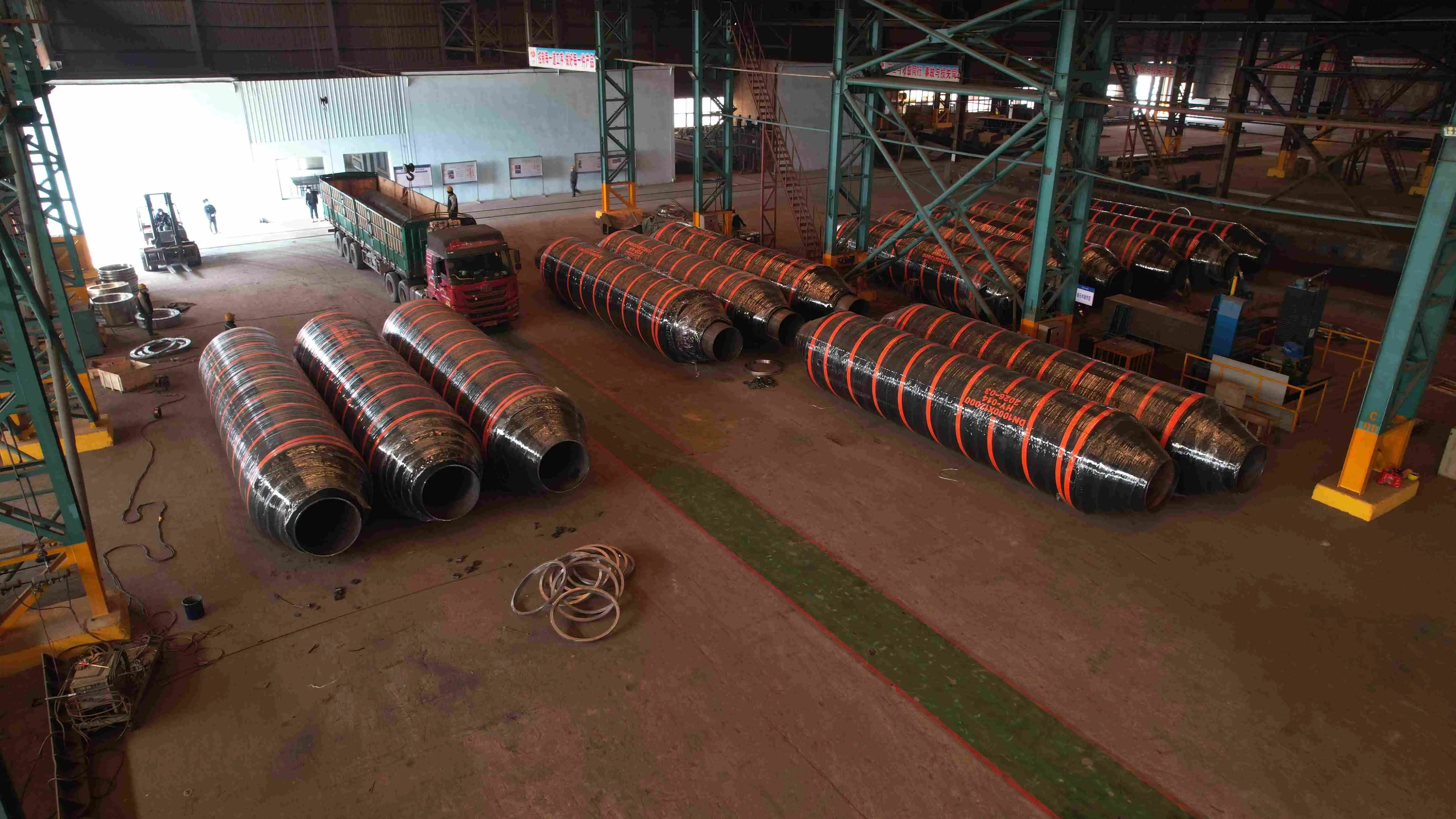
Steel Pontoons are examples of engineered floating structures made to hold heavy industrial loads while remaining stable in rough water. These hollow steel spheres or box-section floats use the idea of buoyancy to make stable platforms that can hold people, materials, and tools. The basic form has sealed sections filled with polyurethane foam, which gives it great buoyancy—usually more than 500 kg per cubic meter. Using this engineering method makes sure that the foam core will still float even if the outer shell gets damaged. Because these systems are flexible, they can be quickly set up and changed to fit changing project needs.
Industrial Applications Across Multiple Sectors
Many important jobs are done by industrial naval platforms in areas like building infrastructure, making energy, and moving goods. Floating work platforms are used by offshore construction teams to get to bridge foundations, subsea pipelines, and projects to strengthen the coast. Developers of renewable energy use these systems as assembly bases for building solar farms and ships that install wind turbines. Modular dock systems are used by ports to adapt to changing vessel sizes and yearly changes in cargo. In seaside areas where mining is done, floating elevators and processing platforms are used to move materials quickly. These structures can be used in a lot of different ways. They can be quickly set up in emergency situations to help with flood control, disaster aid, and temporary transportation routes.
Design Features That Support Heavy-Duty Performance
The technical basis of pontoon function is its buoyancy capability. High-quality Q235B galvanized steel gives structures the strength they need to stand up to saltwater, UV rays, and mechanical stress over time. Different load requirements can be met by diameters ranging from 300mm to 800mm, and custom configurations can go up to 5 meters for specific uses. Anti-corrosion coats make things last longer than 20 years, which lowers their total costs by a lot compared to other materials. Level 8 wind and wave resistance ensures that operations can continue even when the weather is bad, keeping projects on schedule and keeping workers safe. Integrated mooring rings and fender systems make installation easier and provide safe ways to anchor.
Comparing Steel Pontoons with Alternative Materials for Industrial Use
Material Performance Analysis
Before buying something, you need to carefully consider how the material's properties match up with the needs of the application. Concrete pontoons can hold a lot of weight, but they have problems with cracks that make them break down faster in water. Concrete structures are rigid, which makes them hard to change to fit new project requirements and makes transportation more difficult. Alternatives made of plastic and fiberglass don't rust, but they're not strong enough to hold industrial-scale loads. Wooden pontoons used to be common, but they are bad for the environment and need to be replaced often because marine organisms and rot damage them. Aluminum has good weight properties, but it doesn't last as long as steel when it's constantly put under mechanical stress.
When it comes to important rating factors, Steel Pontoon systems perform better. When properly treated with galvanization and special coatings, corrosion protection is higher than that of options that have not been treated. Plastic and wood are far behind in terms of weight capacity per unit volume, which lets platform designs be smaller. In comparison to concrete systems, these systems require about 70% less maintenance, which means less downtime and lower operational costs. Steel's ability to be recycled fits in with green goals that are being pushed harder by infrastructure builders and government agencies.
Cost-Benefit Considerations for Long-Term Operations
Lifecycle cost study shows that steel-based systems have strong economic benefits. When compared to concrete, the initial capital investment is usually not too high, and the upkeep costs are much lower, which makes the total cost of ownership more favorable. The longer service life of more than twenty years better amortizes capital spending than shorter-lasting choices that need to be replaced more often. Logistics costs go down because flexible design makes transportation more efficient. This is especially true for project areas that are far away. Steel's salvage value at the end of its useful life gives it extra economic benefits that composite or concrete materials don't have. These financial factors work together to give project managers who are watching their budgets a clear return on investment.

Custom Steel Pontoon Design and Fabrication: Tailored For Your Industrial Needs
Engineering Solutions for Unique Project Requirements
Standardized standards aren't always met by industrial uses, so manufacturing partners need to be able to make changes. When figuring out load capacity, you have to take into account the weight of the equipment, the number of people on board, the dynamic forces from the waves, and the safety margins that are required by maritime laws. Dimensional parameters change based on factors unique to the spot, like water level, tidal range, access routes, and how well they work with current infrastructure. Functional configurations have unique parts like built-in walkways, mounting points for equipment, utility conduits, and safety railings. Our engineering team works with clients from the first idea to the final installation. They use BIM-driven prefabrication methods to make the structure work better and the building process go more quickly.
The process of making something blends careful planning with strict quality control. Ultra-thick steel plates can be cut with precision of ±0.2mm using advanced CNC equipment. This makes sure that all the parts are the same size, which is important for modular assembly. Automated welding systems make sure that all joints meet AWS standards and don't have any weak spots that could fail from wear and tear. Polyurethane foam injection fills protected chambers under controlled conditions, making sure that certain buoyancy properties are met. Preparing the surface and applying the paint must follow strict steps that have been approved by DNV GL Offshore Float Certification and the ISO 17357 Anti-Aging Test. Using this methodical approach, marine floats are made that can withstand harsh environmental conditions for their whole useful life.
Proven Performance Through Real-World Applications
Case studies of completed projects show the useful benefits of custom solutions. For a temporary bridge project in Southeast Asia, we sent 500 modular floating units. These units helped the contractor finish installation 30% faster than with traditional fixed-span methods. The pontoon system allowed building vehicles to use the waterways while keeping the navigation routes open. This had a big positive effect on the environment. For an offshore wind farm project in Northern Europe, special pontoons had to be built to withstand bad weather while the foundations for the turbines were being put in place. During the construction season, our engineering team made the platform more stable and made the mooring systems stronger so that the platform could stay in the right place. Rapid-deployment modular systems were helpful for emergency flood control operations along the coast because they could be put together quickly and were ready to go right away during the reaction.
Maintenance, Installation, and Procurement of Steel Pontoons
Best Practices for Installation and Ongoing Care
Professional placement sets the stage for long-lasting success with a Steel Pontoon. An evaluation of the site finds the best location by looking at things like currents, the state of the bottom, and the needs of the business. Anchoring systems that work right spread out loads evenly and can handle changes in the tides without putting too much stress on the link points. Systematic inspection methods find early signs of damage to the finish, wear on the parts, or stress on the structure. Cleaning on a regular basis gets rid of biological growth and sediment buildup that can lower the boat's buoyancy and resistance to corrosion. Protective coats need to be reapplied on a regular basis to keep up with look standards that are important for public buildings.
Procurement Strategies for Industrial Buyers
A thorough review of the seller is the first step to successful procurement. Getting certifications like ISO 9001, 14001, 45001, and EN 1090 shows that you care about quality management and the environment. Manufacturing capacity signs, like the annual production rate and the size of the building, show how well a company can handle big orders and meet deadlines. Statistics on project completion and client retention show how reliable a business is and how happy its customers are. Warranty terms and after-sales support services protect investments and make sure that customers can get help quickly during operating phases. Delivery times are very important for planning projects; basic setups can usually be delivered in 20 days, while improved coating versions take 25 days. When you buy in bulk, you can usually get better prices and make sure you have enough supplies for a phased building program.
Why Choose Zhongda's Custom Steel Pontoon Solutions?
Technical Capabilities That Deliver Project Success
Shenyang Zhongda Steel Structure Engineering Co., Ltd. has been solving problems with naval infrastructure for twenty years and is very good at what it does. Our factory in the Shenyang Economic-Technological Development Zone is 120,000 square meters and has high-tech production equipment that can make 60,000 tons of goods every year. Research and development, precision fabrication, quality testing, and installation support are all parts of vertically integrated capabilities. The unique -60°C Weathering Steel Anti-corrosion Technology makes pontoons last longer, even in the harshest Arctic conditions. Russian bridge projects have shown this to be true. Our engineering team uses methodical methods to fix problems that cut lead times by 20–30% compared to the norms in the industry. This speeds up project plans while keeping the highest quality standards.
Our solutions have been used in key infrastructure and industrial settings by companies around the world, such as China Railroad, CSCEC, and BMW. We keep 70% of our clients by consistently providing work that goes above and beyond what was asked for. The DNV GL approval shows that our plans for offshore floats meet strict safety standards for the sea. The Class I Steel Structure Professional Contracting Qualification shows that we can handle difficult projects while following strict rules set by the government. These qualifications show that the company is committed to doing a great job, which is something that buying professionals look for in long-term manufacturing partners.
Flexible Solutions Aligned with Diverse Client Needs
Customization goes beyond actual requirements and includes business plans that support different project structures. OEM and ODM services are available for partners who need custom designs or goods with their own brands. Custom engineering solves problems that aren't easily solved by other methods, like dealing with harsh environments, special load patterns, or integrating new systems with old ones. Scalability is a feature of modular design that lets projects gradually add more space as practical needs change. Prototyping services let you test ideas before committing to full production runs. Full testing and approval help make sure that custom solutions meet industry standards and government rules that are specific to the launch area.
The advantages we bring to your marine platform projects include:
Material Excellence: Made of Q235B galvanized steel and having diameters ranging from 300mm to 800mm. They are filled with polyurethane foam that gives them a buoyancy of more than 500kg/m³. This material standard ensures that the structure stays strong and the float works well even when heavy loads are applied over time.
Customization Flexibility: Pontoon diameters range from 1 to 5 meters, and mooring rings and fender systems can be added as options to meet specific anchoring and vessel protection needs. This flexibility makes it possible to use it in a wide range of situations, from temporary bridges to permanent dock installations.
Environmental Durability: Level 8 wind and wave protection keeps the platform stable in bad weather, keeping people and equipment safe and reducing the number of interruptions to operations. Better anti-corrosion coatings make servicing times longer and the life of the equipment longer.
Economic Efficiency: They last longer than 20 years and cost 70% less to maintain than concrete options. This mix gives you a better total cost of ownership and a better return on your investment.
These features solve common problems in industry, like corrosion in saltwater, changing loads during different stages of a project, and meeting maritime safety standards. Our quality control procedures make sure that every unit that leaves our building meets the important requirements for the project's success and the safety of our workers.
Conclusion
Industrial marine platforms need technical solutions that strike a mix between cost, performance, and longevity. Custom Steel Pontoons built to exact specifications are the basis for many successful projects in the energy, infrastructure, construction, and logistics industries. Because of their superior materials, manufacturing knowledge, and ability to be fully customized, steel-based systems are the best choices for tough marine uses. Partnering with certified manufacturers that show steady quality, quick help, and creative problem-solving is good for procurement pros. The technical and business factors talked about here give people making decisions the information they need to choose solutions that will work well in the long term.
FAQ
What load capacity do industrial steel pontoons typically support?
Load capacity depends on the size and shape of the float. Standard units with a buoyancy of 500 kg/m³ can hold people and heavy industrial equipment. Custom engineering formulas figure out the exact capacity needed for a given job, taking into account steady loads, moving loads, and necessary safety gaps. During the planning stages of a project, our engineering team does a thorough load study.
How do steel pontoons compare to concrete for marine applications?
Steel Pontoons are 70% less expensive to maintain, have better corrosion resistance when treated properly, and can be configured in more ways. Concrete has a high compression strength, but it is porous and heavy, which makes it hard to move. Steel has a longer service life of 20 years or more and can be recycled, which makes it a better choice for most industrial uses.
What certifications validate pontoon quality and safety?
Compliance with international marine standards is shown by DNV GL Offshore Float Certification and ISO 17357 Anti-Aging Test compliance. Quality management systems and manufacturing processes are also checked by other certifications, such as ISO 9001/14001/45001 and EN 1090. These credentials make sure that products meet the rules for all global markets.
Partner with Zhongda Steel for Superior Marine Platform Solutions
For industrial marine infrastructure to be reliable, it needs manufacturing partners who know how to work with waterfront projects and how complicated the technical parts are. As a Steel Pontoon supplier with a lot of experience, Zhongda blends twenty years of technical know-how with cutting-edge fabrication skills to make unique solutions that meet your exact needs. We have completed successful projects on five continents, and 70% of our clients have stayed with us after the project was finished. Whether you need pontoon systems for offshore construction, installing green energy, building port facilities, or building emergency response infrastructure, our team is ready to design and build systems that work better than expected and save you money at the same time. Contact our experts at Ava@zd-steels.com right away to talk about your needs and find out how our custom solutions can help you finish your project faster while also making sure it will work well for a long time. Visit zd-steels.com to learn more about all of our services and to read detailed case studies that show how well our products have worked in a wide range of industry settings.
References
1. Maritime Engineering Standards Committee. "Design Guidelines for Floating Steel Structures in Industrial Applications." Journal of Marine Structural Engineering, 2021.
2. International Association of Marine Equipment Manufacturers. "Comparative Analysis of Pontoon Materials for Heavy-Duty Industrial Use." Marine Technology Review, 2022.
3. Offshore Construction Institute. "Best Practices for Steel Pontoon Installation and Maintenance in Harsh Environments." Offshore Engineering Quarterly, 2023.
4. American Society of Civil Engineers. "Load Capacity and Stability Considerations for Modular Floating Platforms." Structural Engineering Proceedings, 2020.
5. Global Maritime Safety Council. "Certification Requirements and Quality Standards for Industrial Floating Infrastructure." International Maritime Standards Journal, 2022.
6. Industrial Procurement Association. "Lifecycle Cost Analysis of Marine Support Systems: Steel versus Alternative Materials." B2B Engineering Economics Review, 2023.
YOU MAY LIKE