
Advanced Airport Steel Structure Solutions for Modern Aviation Facilities
2026-08-18 16:09:00






Modern aviation infrastructure demands solutions that balance structural integrity, operational efficiency, and long-term value. Airport Steel Structure systems have emerged as the engineering backbone for contemporary terminals, hangars, and auxiliary facilities worldwide. These specialized frameworks leverage high-strength steel alloys—typically Q355B or ASTM A572 Gr. 50—to create expansive column-free spaces essential for aircraft movement and passenger flow. Unlike conventional concrete construction, steel-based solutions deliver 30-50% faster project completion through prefabricated components, while offering unmatched flexibility for future expansions. As global air traffic continues its upward trajectory, understanding these advanced systems becomes crucial for stakeholders navigating the complexities of aviation infrastructure development.
Understanding Airport Steel Structures: Design, Types, and Benefits
Choosing the right structural system that meets operating needs and strict safety standards is the first step to building a successful aircraft center.
Core Design Principles for Aviation Facilities
Load selection is the most important first step for great building. The structure's own weight, the roof, and any permanent mechanical installations are all examples of dead loads. Live loads are very different depending on the role. For example, loading is very different on terminal floors compared to repair hangars. Environmental factors create specific problems. For example, airports near the coast have to deal with winds that carry salt, which can damage aircraft, and airports in the north have to deal with heavy snowfall. In tectonically busy places like California or Japan, earthquake safety is very important.
To set design parameters, our engineering team carefully looks at wind tunnel data and past weather patterns. Specifications for steel performance make sure that materials can handle these many types of pressures. Q235 steel is good for low-cost projects with modest load needs, while Q355 types offer better yield strength for hangar bays that are longer than 80 meters. The process of choosing materials looks at their tensile strength, stretch capacity, and impact toughness at different temperatures. This is important for buildings that work in places as different as Arizona's dry heat and Alaska's arctic conditions.
Primary Structural Systems in Aviation Construction
Modern aviation infrastructure is shaped by three main configurations. Frame structures use column-grid plans with carefully calculated beam height-to-span ratios. This type of structure works well for multi-story airport buildings that need to be able to change the layout of their interiors. Truss systems use triangulated member arrangements and optimized node setups, which work great in clear-span hangars where overhead cranes and plane moves need plenty of open room. Space frame grids spread out weight through three-dimensional lattice networks, which makes it possible for famous hubs like Beijing Daxing International to have dramatic cantilevered roofs.
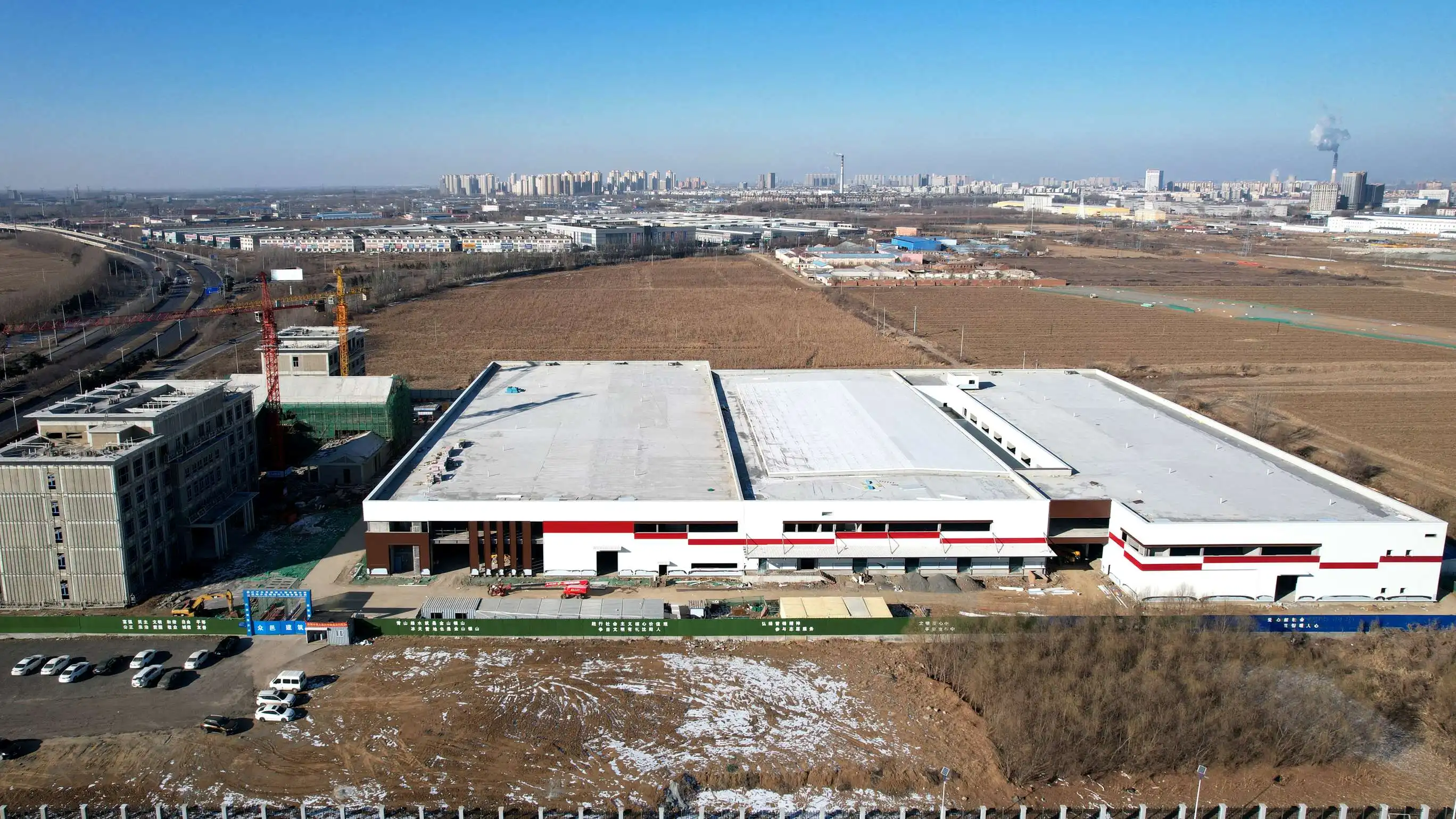
There are clear benefits to each system. Frame structures make it possible to build in stages and make it easy to connect MEP systems. Truss configurations use the least amount of material and can span up to 100 meters without any middle supports. Space frames make shapes that look great from an architectural point of view while keeping the structure efficient by spreading out the load paths.
Advantages Driving Industry Adoption
High safety is the most important thing, and every possible load combo is modeled using thorough finite element analysis. Zhongda's design guidelines go beyond international standards like AISC 360, Eurocode 3, and Chinese GB 50017. This makes sure that structures can stand up to Category 5 hurricanes, earthquakes up to Richter 8.0, and the operational stresses that come from daily aircraft traffic.
Through advanced computer analysis, economic optimization cuts the amount of material used by 15 to 25 percent compared to traditional designs. Prefabrication cuts down on delays caused by bad weather and speeds up the building process, so airports can start making money months earlier. Steel buildings are flexible enough to adapt to new flight technologies, such as narrow-body jets now and electric planes of the future, which will have different maintenance needs.
Comparing Airport Steel Structures with Traditional Construction Methods
When people are thinking about investing in infrastructure, they need to be able to easily compare how well different materials and building methods work.
Steel Versus Concrete: Lifecycle Value Analysis
For vertical elements, concrete is often cheaper at first, but a full lifecycle assessment shows that steel has a higher total cost of ownership, and an Airport Steel Structure demonstrates this advantage. The strength-to-weight ratio of steel cuts the need for foundations by 20–30%, which saves a lot of money on site preparation and earthwork. Speeding up construction has immediate financial benefits—erecting a steel frame can happen in any temperature, but curing concrete needs specific temperatures and long curing times.
Maintenance issues change the economic picture even more. Within 15 to 20 years, concrete buildings start to crack, flake, and rebar rust happens, which needs expensive repairs. When steel frames are properly covered with hot-dip galvanizing over 600g/m² or marine-grade coating systems, they keep their structural integrity for more than 50 years with little to no maintenance. Recent projects at coastal U.S. airports show that these structures last a long time; structures built in the 1970s are still working as designed after simple recoating procedures.

Material Performance: Steel Versus Aluminum
Due to their resistance to corrosion and light weight, aluminum metals seem like a good choice for some aircraft uses. But when you look closely, you can see that the structure has some problems. Because aluminum has a lower modulus of elasticity, it bends too much when used in long spans, which means extra support is needed, which cancels out any weight savings. Specialized inert-gas procedures and strict contamination control are needed to weld aluminum, which makes field assembly more difficult.
Steel has a higher yield strength, which lets members with smaller cross-sections be used. This lowers the total mass of structures in big buildings. Fast field assembly is possible with bolted links and no special tools. For structural steel grades, there is a well-established global supply chain that ensures consistent quality and competitive pricing. On the other hand, specialized aluminum structural shapes have limited supplier networks and have to pay more.
Prefabrication Advantages Over Site-Built Methods
Through controlled workplace settings, modular steel fabrication changes the way projects are delivered. With computer-guided cutting, tolerances of ±0.2mm are possible that can't be reached with concrete forms built on-site. At every step of the manufacturing process, quality is checked, and NDT testing makes sure that the welds are solid before the parts are shipped. This controlled process gets rid of the things that can go wrong with traditional building, like delays caused by bad weather, workers with different skills, and changes in the quality of the materials.
Standardized shipping containers and flatbed designs made just for steel parts are used in transportation management. On-site assembly crews carefully put together pre-cut parts, and they can often finish structure frames 60% faster than cast-in-place methods. This speed directly leads to lower financing costs and an earlier start-up of the facility.
Advanced Solutions and Technologies in Airport Steel Structure Construction
BIM-Driven Design Integration
Building Information Modeling changes how multidisciplinary teams work together on projects from start to finish. Before construction starts, our engineers use tools like Tekla Structures, SAP2000, and STAAD.Pro to make federated models that coordinate structural, design, and MEP systems. Conflicts between structural parts and HVAC ducts are found by clash detection algorithms. This stops expensive changes from having to be made in the field.
We worked with 14 different vendors on a recent 180,000-square-meter terminal expansion that was made possible by this digital method. The shared 3D environment let design changes be made in real time, which cut the number of RFIs by 40% compared to traditional 2D documentation. Web-based project portals let clients see how the building is going in relation to planned milestones. This makes things clearer and builds trust among stakeholders.
Modular Construction and Turnkey Implementation
Zhongda's turnkey delivery model combines planning, making, transporting, and setting up all into one project management system for an Airport Steel Structure. This end-to-end responsibility gets rid of any gaps between what was planned and what was built. We've successfully delivered whole hangars that include roof trusses, wall panels, door systems, and lighting infrastructure that come in coordinated packages that don't need much field coordination.
When tight space is a problem, modular approaches are especially helpful for expanding airports in stages. The gates stay open while the areas next to them are changed. Prefabricated connector pieces make it easy to connect new infrastructure to old infrastructure, so passengers can keep moving while the work is being done.
Safety Protocols and Compliance Standards
Several sets of rules, such as FAA Advisory Circulars, NFPA 409 fire protection standards, and local building codes, must be followed for aviation projects. Our ISO 9001:2015, EN 1090, and OHSAS 45001-certified quality management system makes sure that every step of a project is carried out in accordance with the rules.
Mill certifications confirm the chemical make-up and mechanical properties of structural steel. Important welding processes and non-destructive tests are watched by third-party inspection agencies. On the main load-bearing parts of fire safety systems, intumescent coatings with three-hour grades are used. We keep accurate records of all the materials that go into a project so that all the paperwork needed for governmental permission and insurance underwriting can be completed.
Procurement and Supplier Selection for Airport Steel Structures
Finding partners who can produce complicated aviation infrastructure on tight schedules is key to the success of a project.
Evaluation Criteria for Global Suppliers
Skilled fabricators can tell the difference between general steel sources and those who have worked on aircraft projects. Look at portfolios that show finished terminals, hangars, and control towers, along with references that can be checked. In the past, Zhongda has worked on projects with China Railroad, CSCEC, and foreign general contractors on three continents.
Quality standards are an objective way to prove that a company can make something. In addition to ISO 9001, look for suppliers who are also certified under EN 1090 for structural steel fabrication. This European standard makes sure that the welding process is qualified, that materials can be tracked, and that measurements are correct, all of which are very important for prefabricated systems. These certificates are kept up to date by independent, informed bodies auditing our factory's 120,000-square-meter building every year.
Manufacturing capacity affects schedule reliability. How well suppliers can handle your project depends on how much specialized equipment they have on hand, how many projects they do every year, and how many skilled workers are available. We are well-equipped for large-scale aviation infrastructure projects that need heavy-section members thanks to our advanced plate cutting tools that can handle materials up to 150 mm thick and a 60,000-ton yearly capacity.
Customization and Engineering Support
Aviation sites have special problems that need custom answers instead of off-the-shelf items. Check to see how much engineering your sources have. Do they have their own structural analysis teams or do they hire outside designers? Zhongda has more than 100 engineers with advanced technical skills working for them. This lets them improve designs in real time as the projects are being built.
Customization goes beyond structural layouts and includes unique features such as designs that can withstand blasts for military bases, treatments that can withstand corrosion for coastal areas, and sound-dampening systems for airports in cities that are sensitive to noise. Our engineering team works directly with your architects and MEP consultants to make sure that all of the operational needs are met by the structural systems.
Risk Management and Contract Structures
When you buy an Airport Steel Structure from another country, things like Incoterms, currency changes, and shipping processes become more complicated. Suppliers with a lot of experience can deal with these problems by using clear paperwork and established freight handling relationships. We offer DDP shipping choices so that our clients don't have to deal with customs clearance or transport within the country.
Payment plans should be in line with the project's major steps, such as approval of the design, completion of fabrication, delivery, and installation. Don't ask suppliers for full payment before the production is finished; this creates incentives that aren't aligned. Major investments are safer when they have performance bonds and professional liability insurance. Our contract templates, which were made by working together with foreign law companies, protect clients' interests and make it easier to complete projects quickly.
Environmental, Durability, and Maintenance Aspects of Airport Steel Structures
Sustainable infrastructure decisions increasingly weigh lifecycle environmental impacts alongside initial construction costs.
Lifecycle Sustainability and Recyclability
Over 85% of structural steel is recovered and used again after it has served its purpose. This makes steel the most recycled material in the building business. This circular economy gets rid of the need for landfills and only needs 25% of the energy that is needed to make new steel. Airport officials who want to get LEED or BREEAM certifications find that a steel-framed building earns a lot of points in areas like sourcing materials, managing construction trash, and adaptive reuse.
As manufacturing improves, embodied carbon emissions get smaller. Electric arc furnaces that use recycled scrap can now make structural steel with 60% less CO2 than the old way of using blast furnaces. When we source materials, we give preference to mills that use these cleaner technologies and give clients Environmental Product Declarations that show how they have lessened their impact on the environment.
Corrosion Protection and Durability Engineering
Airports have to work in tough conditions with de-icing chemicals, air particles, and changes in temperature. Multiple barriers are used by Zhongda's own corrosion protection systems to deal with these situations. Hot-dip galvanizing forms mechanical zinc-iron links that protect for more than 50 years in most conditions. For extreme coastal exposure, we add extra organic coatings, which make hybrid systems that last longer than 70 years.
Our -60°C Weathering Steel technology, which was created for building projects in the Arctic, keeps its flexibility and resistance to impact even when temperatures change quickly. This special material gets rid of the chances of brittle fracture that come with regular structural steel in northern climates. This makes it important for airports in Alaska, Canada, and Scandinavia.
Maintenance Best Practices and Inspection Protocols
Preventative maintenance makes structures last longer and keeps them from needing expensive emergency repairs. Set up inspection plans every two years to keep track of the condition of the coating, the tightness of the connections, and the alignment of the structure. Digital inspection records make it possible to look for patterns of wear and tear and find them before they become dangerous.
Minor harm to the covering is fixed on the spot, which stops corrosion from speeding up. Connection bolts need to have their torque checked on a regular basis, especially in areas with a lot of vibration near taxiways. Zhongda offers complete O&M manuals that include repair methods, inspection checklists, and maintenance schedules that are special to each location. Our technical support team is always available to answer questions from clients and give advice on repair requirements throughout the structure's useful life.
Conclusion
Choosing where to spend in aviation infrastructure can have effects on operating efficiency, safety, and financial success that last for decades, and an Airport Steel Structure is a key investment. Advanced steel structure systems offer clear benefits in terms of speed of building, long-term costs, environmental friendliness, and the ability to respond to changing operating needs. To be successful, you need to work with experienced providers who can provide excellent engineering, precise manufacturing, and full project delivery services. As the global airline industry continues to grow, there will be a need for new infrastructure solutions that strike a balance between short-term cost savings and long-term value creation.
FAQ
What clear span capabilities can airport steel structures achieve?
Modern steel truss and space frame systems can often make repair hangars with clear lengths of 80 to 100 meters, which are big enough to fit wide-body planes like the Boeing 777 and the Airbus A380. Specialized designs using high-strength steel grades have been able to reach 120-meter spans for mega-hangars that can hold many planes at once. To keep water from pooling in these areas without columns, it's important to carefully study the horizontal load resistance and roof deflection limits.
How do steel structures perform in seismic zones?
Because steel is naturally flexible, it is better at withstanding earthquakes than materials that are more brittle. Moment frames and braced systems that are properly built release earthquake energy through controlled yielding, which keeps buildings from falling down in a catastrophic way. Current seismic codes say that buildings can survive big earthquakes with damage that can only be fixed to certain fuse parts. After an earthquake, inspections and targeted repairs bring back full functionality. This is different from concrete structures, which need to be completely rebuilt after major events.
What fireproofing options exist for steel airport structures?
When intumescent coatings are heated, they spread and form char layers that cover steel parts for one to three hours, depending on how thick they are. Fireproofing that is sprayed on with cementitious material is a cheap way to protect hidden structural members. Architectural steel that is left out in the open can be covered with boards to keep the desired look and meet fire safety requirements. The choice is based on how visible the architecture is, the price, and the local code standards.
Partner with a Leading Airport Steel Structure Manufacturer
With 20 years of specialized experience and cutting-edge manufacturing skills, Zhongda Steel offers complete aviation infrastructure solutions. We are dedicated to engineering excellence, as shown by our First-Class Steel Structure Engineering Qualification and international certifications (ISO 9001/14001, OHSAS 45001, EN 1090). We have completed great projects in North America, Europe, and the Asia-Pacific region. This means we know how to deal with the complicated rules and high performance standards that come with modern flight facilities.
To explore your Airport Steel Structure needs, get in touch with our engineering team. We offer thorough assessments of whether something is possible, suggestions for saving money, and clear project schedules, all backed by our track record of getting things done. Get in touch with Ava@zd-steels.com to learn more about how our turnkey solutions can speed up the building of your infrastructure and maximize its value over its lifetime. You can look at our collection of aircraft projects on zd-steels.com and learn why top companies, government agencies, and aviation officials choose Zhongda as their main provider for mission-critical structural systems.
References
1. American Institute of Steel Construction (2022). Steel Construction Manual, 15th Edition. AISC, Chicago, Illinois.
2. Federal Aviation Administration (2021). Airport Design Advisory Circular AC 150/5300-13B: Airport Design Standards. U.S. Department of Transportation.
3. European Convention for Constructional Steelwork (2019). Eurocode 3: Design of Steel Structures - Part 1-1: General Rules and Rules for Buildings. CEN Brussels.
4. National Fire Protection Association (2020). NFPA 409: Standard on Aircraft Hangars. NFPA, Quincy, Massachusetts.
5. Chen, W.F. and Lui, E.M. (2018). Handbook of Structural Engineering, Second Edition. CRC Press, Boca Raton, Florida.
6. International Air Transport Association (2023). Airport Development Reference Manual, 11th Edition. IATA Montreal-Geneva.
YOU MAY LIKE