Wholesale Steel Girder Bridge Solutions for Highways
2026-04-02 16:50:41






Wholesale steel girder bridge options for roads are an important part of modern infrastructure development because they are very strong and don't cost too much for big projects. High-strength steel bars are used in these designed systems to build strong highway bridges that can handle a lot of traffic while still being safe to use. The design of the steel girder bridge uses advanced metalworking and precise manufacturing methods, which lets builders spread the load more evenly across multiple spans. When these solutions are bought in bulk, they offer big cost savings, shorter project timelines, and better quality control measures that help government contractors, EPC firms, and infrastructure developers who need reliable bridge building parts.
Understanding Steel Girder Bridges for Highway Applications
When building a highway bridge, the structure needs to be strong, last a long time, and be cost-effective. Contemporary steel truss systems have become the first choice for engineers and builders working on big transportation projects all over the US.
Key Structural Components and Design Elements
Steel girder bridges are made up of several important parts that fit together to form a solid structure. Longitudinal girders that run between supports, cross-bracing systems that keep the structure stable on the sides, and connection sections that spread forces throughout the structure are the main parts that hold weight. Usually, the deck system is made up of steel grating or reinforced concrete blocks that hold up car loads directly.
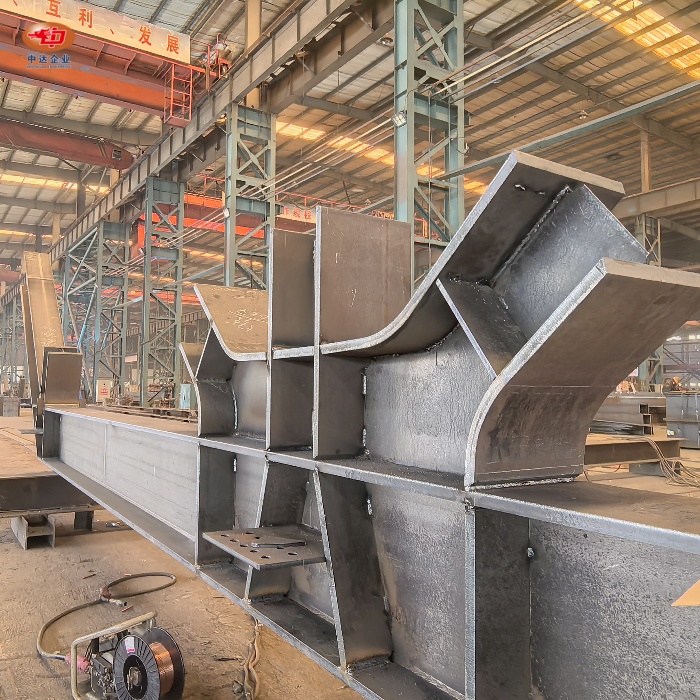
The type of girder used depends on the needs of the project. Plate girders are used for longer spans, rolled beam sections are used for normal tasks, and mixed designs are used to get the most out of the materials. Advanced welding methods make sure that the links between parts are smooth, and exact cutting standards keep the structure aligned while it is being put together.


Types of Steel Girder Bridge Systems
Three main types of girder bridges are used for highway uses. Each type has its own benefits depending on the needs of the project. Simple span bridges have single girders that are held at two points. This makes it easy to build and fix the bridge. Continuous span systems go over multiple supports, which cuts down on the amount of material needed and makes the road surfaces smoother for cars.
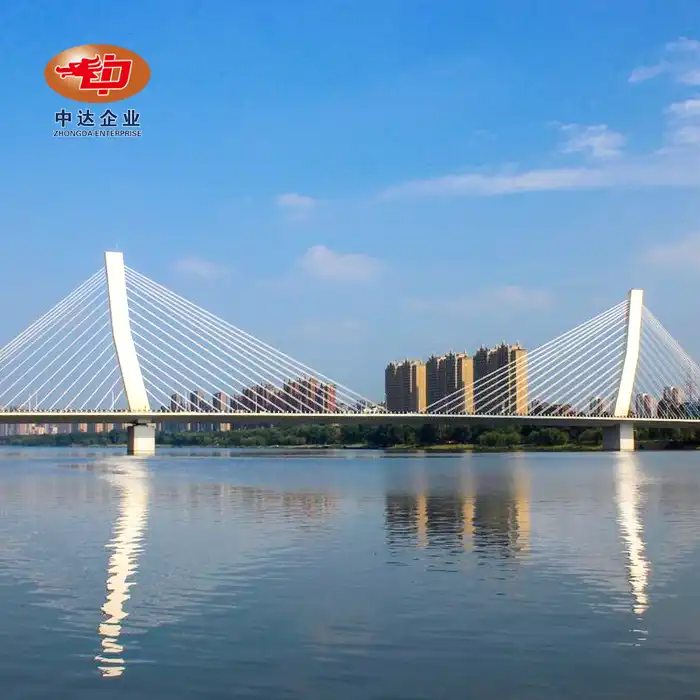
Box girder designs are the most advanced choice. They use hollow steel parts that offer great resistance to twisting and look great too. These methods work really well in tough places where strong winds or earthquakes need better structure performance. Which configuration to use depends on the length of the span, the load needs, the site conditions, and the cost of upkeep over the long term.
Engineering Standards and Design Principles
The American Association of State Highway and Transportation Officials (AASHTO) and other foreign rules set strict engineering standards that modern steel bridges must meet. When figuring out a building's load capacity, many things are taken into account, such as the static loads of its parts, the moving loads of cars, and the live loads of traffic patterns.
When the structure is used on a highway, where it will be loaded and unloaded many times over many years, fatigue resistance is very important. Modern design methods use advanced finite element analysis to make the best use of material distribution and reduce load concentrations at key links.
Benefits and Performance Advantages of Steel Girder Bridges on Highways
When building a highway bridge, using steel frame systems has clear benefits that have a direct effect on the success of the project and its long-term performance. When buying in bulk, like when building a lot of bridges or a big infrastructure project that needs regular quality and delivery dependability, these benefits stand out even more.
Durability and Service Life Performance
Steel girder bridges last a very long time if they are built and kept correctly. Under normal highway conditions, they can last up to 100 years. Because structural steel is naturally strong, it is better at resisting fatigue loads than other materials. Also, modern protective coating methods keep steel from rusting in a wide range of environmental conditions.
Weather-resistant steel metals, including those with better resistance to atmospheric rust, lower the need for upkeep and increase the time between inspections. Modern techniques for making things get rid of possible weak spots by using controlled welding methods and thorough quality control programs that check the properties of materials and the accuracy of measurements.
Construction Speed and Project Efficiency
Steel frame systems make it easier to plan building projects and get them finished on time. With prefabrication, parts can be made off-site at the same time that the site is being prepared. This cuts the total project time by 20–30% compared to cast-in-place options.
Modular building methods allow quick assembly on-site using common moving tools and joining methods. This method keeps traffic as smooth as possible while work is going on. This is especially helpful for highway projects where keeping traffic moving affects the economy of the area. Because steel fabrication is reliable, it also doesn't have to deal with weather problems as much as other building methods do.
Load Capacity and Traffic Performance
Highway steel girder bridges are great at holding big vehicles while keeping the structure's strength. Because structural steel is very strong for its weight, it can be used to make longer spans with fewer supports in between. This lowers the cost of building and makes it easier for traffic to flow under bridges.
Because steel systems have good dynamic response qualities, they can control vibrations very well, making sure that highway users can travel safely while keeping the structure's stability under different load conditions. This performance edge is especially important for bridges that carry a lot of trucks or are important freight routes.
Maintenance Strategies and Cost Management
Maintenance plans for steel girder bridges that work well center on preventative steps that keep long-term costs low while increasing operational uptime. Standardized maintenance methods make sure that all of the bridge's assets get the same level of care, and regular inspection routines find problems before they affect the structure's performance.
Preventing corrosion is still the most important part of maintenance, and proven coating methods allow for 20–25 years of service between major refurbishment rounds. Access features built into the design make regular repair easier, which means less service interruption and lower costs for highway owners.
Wholesale Procurement and Fabrication Solutions for Steel Girder Bridges
Strategic wholesale buying methods that improve cost, quality, and service performance are very helpful for big highway projects. Knowing how the supply chain works and what kinds of fabrications are available on the market today helps people make smart choices about big building investments.
Global Manufacturing Landscape and Capabilities
The steel girder bridge fabrication business is made up of specialized makers with different strengths and weaknesses. Leading fabricators have full quality control systems that are approved to international standards. This makes sure that the quality of the products they give is the same from one job to the next.
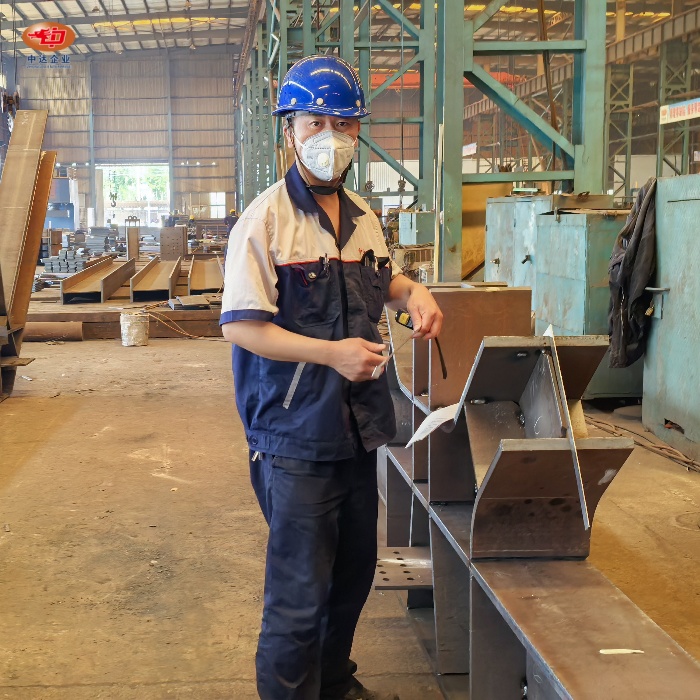
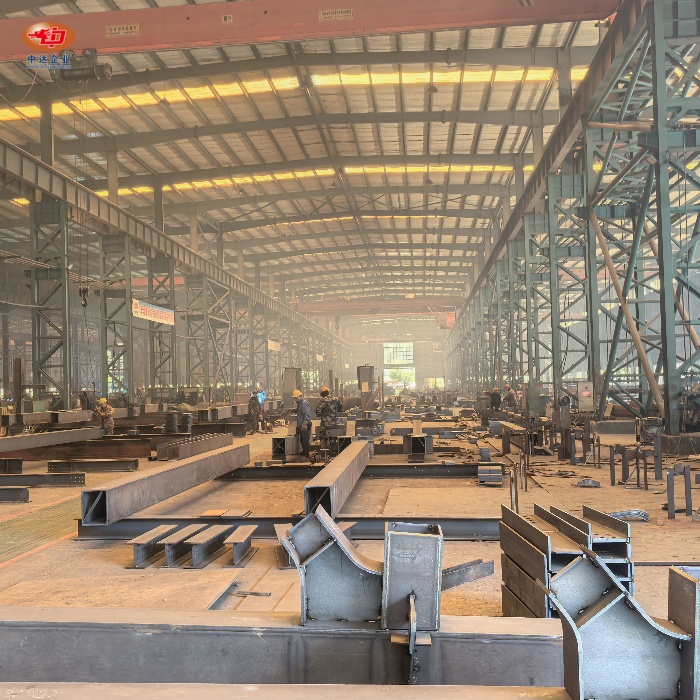
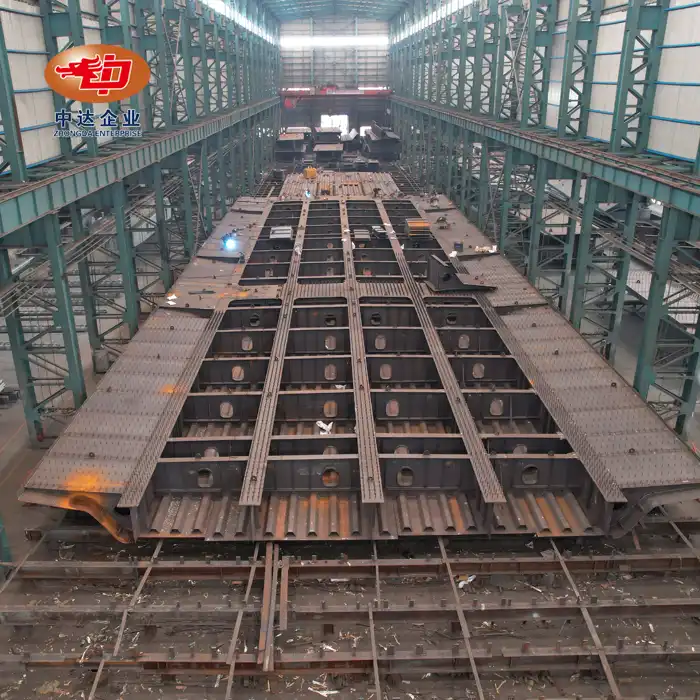
Zhongda Steel's 120,000-square-meter building and 60,000-ton production ability each year show how advanced its fabrication skills are. The company's BIM-driven prefabrication methods and weathering steel anti-corrosion technology show how advanced suppliers can be in terms of technology. Certifications like ISO 9001, 14001, and OHSAS 45001 give you extra peace of mind about quality control and environmental compliance.
Modern production shops have automatic cutting systems that can hold tolerances of 0.2 mm, robotic welding stations that make sure the quality of the joints is always the same, and full testing facilities that check the properties of the materials and the performance of the structures. These technology advances have a direct effect on how accurate and reliable the bridge parts that are supplied are.
Cost Analysis and Return on Investment Considerations
When planning a wholesale buying strategy, it's important to think about more than just the original cost of the materials. Fabrication complexity, transportation needs, and assembly logistics all have a big effect on the total cost of the job and should be taken into account when choosing a seller.
When compared to buying one item at a time, bulk buying usually saves you 10-15% on costs. Standardized designs also make it easier to schedule production and lower planning costs. Long-term service agreements can lower the total cost of ownership even more by making maintenance help and part supply more reliable.
When buying teams and fabricators work together during the design development steps, value engineering chances open up. Different types of connections, better materials, and modular building methods can lower the original costs and the amount of upkeep needed over time while still meeting structural performance standards.
Supplier Selection Criteria and Quality Assurance
To do successful wholesale purchasing, you need to carefully evaluate possible sellers based on their technical skills, quality systems, and how well they complete projects. The amount of manufacturing that can be done must match the needs of the project schedule. The site of the factory also impacts the cost of shipping and the logistics of delivery.
Quality assurance programs should include methods for certifying materials, keeping an eye on the manufacturing process, and doing a final check to make sure the work meets the requirements of the project. Third-party verification services give you more trust in the supplier's skills and the quality of the product. This is especially helpful for apps that use important infrastructure.
Reference projects and testimonials from clients can show how well a provider does in tough situations, and checks on their financial security make sure they can provide long-term support throughout the lifecycle of a project.
Optimizing Construction Processes for Highway Steel Girder Bridges
For building to go smoothly, the planning, fabrication, and installation work must be carefully coordinated. Modern project management methods stress prefabrication, quality control, and organized building methods that cut down on work that needs to be done in the field while keeping the structure's integrity.
Planning and Design Validation Workflows
For steel girder bridge projects to be successful, they need to start with careful planning that takes into account the site's factors, the needs of managing traffic, and the limitations of the building process. Building Information Modeling (BIM) technology lets people in the structural, design, and building fields see and work together on complex projects in great detail.
Before manufacturing starts, design confirmation methods check the structural calculations, connection details, and material specs. Constructability reviews find possible problems in the field and come up with answers during the planning phase, when making changes is still affordable. Transportation analysis makes sure that parts that have been built can be brought to job places within the limits of their weight and size.
Prefabrication Techniques and Quality Control
Today's methods of prefabrication focus on shop-controlled work while reducing the need for work to be done in the field. Subassembly methods make parts that are easy to handle and make shipping and field handling more efficient. Modern welding methods, such as automatic methods, make sure that the quality of the joints and the performance of the structure are always the same.
During manufacturing, quality control steps make sure that the dimensions are correct, the material is the right kind, and the surface is prepared according to the standards. Non-destructive testing methods, such as magnetic particle inspection and acoustic testing, make sure that the weld is solid without affecting the structure's performance. Documentation tools make it possible to track everything from the raw materials to the end delivery.
On-Site Assembly and Installation Strategies
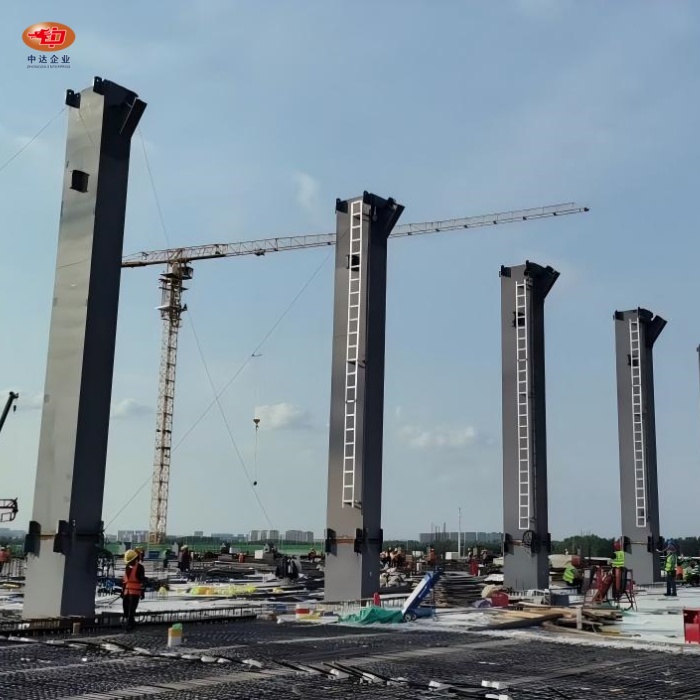
Field installation procedures stress safety, speed, and quality by using standard connection methods and organized steps for putting things together. Temporary bracing systems keep things stable while the final connections are being made and tried.
Traffic management plans try to keep traffic operations running as smoothly as possible while also making sure workers are safe and that building sites can get to them. Nights and weekends are often the best times for building work to be done, especially for big lifting jobs and finishing connections. Working together with transportation officials makes sure that permit requirements and traffic control standards are met.
Heavy-lift cranes and other advanced lifting methods make it possible to place big girder assemblies with few field links. GPS-guided positioning systems make sure that things are placed and lined up correctly, which cuts down on the time needed for adjustments and speeds up the building process.
Future Trends and Strategic Insights in Steel Girder Bridge Solutions
The steel bridge business is always changing because of new technologies and new needs for infrastructure. Knowing about new trends helps companies make smart buying choices that set them up for long-term success in building highway infrastructure.
Advanced Materials and Manufacturing Technologies
Because high-performance steel metals are stronger, they can be used to make better structure designs that use less material. Advanced weathering steels are better at resisting rust, which means they last longer and need less upkeep. These important changes have a direct effect on the project's life-cycle prices and sustainability measures.
Integration of robotics and AI apps that improve cutting patterns, welding sequences, and quality control methods are making manufacturing automation keep moving forward. Digital twin technology lets you try and improve a product virtually before it is made in real life. This cuts down on development time and makes the product work better.
Smart Infrastructure and Monitoring Systems
Sensors and data analytics are used in structural health tracking systems to give real-time information about the state and performance of a steel girder bridge. These systems let you use forecast repair plans that make the best use of resources while still making sure safety and dependability. Monitoring and automatic warning systems can be done from afar with the help of wireless communication networks.
By connecting to transportation management systems, dynamic load tracking and traffic optimization can be done based on the real state and capacity of the structures. This connection backs up ideas for intelligent systems that make the best use of assets while keeping people safe.
Sustainability and Environmental Considerations
Sustainability for the environment is becoming more and more important in choices about buying infrastructure. Steel can be recycled naturally, which gives it value at the end of its life that balances out the cost of the raw materials. Also, modern coating systems make repair processes less harmful to the environment.
Strategies for lowering carbon footprints include where to get materials, how to make things, and how to move things around. Local and area supplier networks help economic growth goals while reducing emissions linked to traffic. Life-cycle review tools let you compare different materials and methods in a measured way.
Strategic buying partnerships focus on building long-term relationships with suppliers that match their skills with changing infrastructure needs. Collaborative methods help to create new ideas and share technology, which is good for all project portfolios. Digital buying tools make the shopping process easier while keeping things open and competitive.
Conclusion
Modern highway infrastructure depends on wholesale steel girder bridge options, which have been shown to be better in terms of durability, building efficiency, and long-term value. Complex transportation projects can be completed successfully when advanced manufacturing skills, uniform design methods, and strategic buying practices are all used together. As the need for infrastructure keeps growing, steel girder systems offer the technical base and economic viability needed for long-term highway growth in a wide range of operating and geographical situations.
FAQ
What are the typical span lengths achievable with steel girder bridge systems?
For easy uses, steel girder bridges can span up to 30 feet. For more complex cable-stayed designs, they can span up to 800 feet. Standard highway uses lengths between 80 and 200 feet, which makes the best use of materials and lowers the cost of building. Continuous span arrangements let bridges be longer overall while still being structurally efficient.
How do weather conditions affect steel girder bridge performance?
Modern steel girder bridges are made with materials and coatings that don't rust or corrode easily, so they stay strong in all kinds of weather. Changes in temperature are handled by expansion joint systems and connection features that let the parts move in a controlled way. Advanced steels that can withstand the weather form protective oxide layers that stop rusting from the air without any extra work.
What quality certifications should be required for wholesale steel girder suppliers?
Some important certifications are ISO 9001 for managing quality, EN 1090 for building with steel, and AWS D1.5 for welding on bridges. Other standards, like ISO 14001 for managing the environment and OHSAS 45001 for health and safety at work, show that the business is truly excellent in every way. AISC approval is a special way to prove that you can build steel bridges.
How long does typical fabrication and delivery take for highway steel girder projects?
Depending on how complicated the job is and how much time the fabricator has available, standard production times run from 12 to 20 weeks. Shorter lead times are needed for simple span bridges with standard connections, but longer lead times are needed for complicated multi-span structures with unique features. Planning for transportation and site logistics add two to four weeks to the total arrival time.
Ready to Secure Premium Steel Girder Bridge Solutions for Your Highway Projects?
Zhongda Steel is a world-class manufacturer of steel girder bridges with a track record that includes works in the Arctic and industrial hubs around the world. Our advanced weathering steel technology and BIM-driven prefabrication methods make sure that highway building projects work better than expected. With the ability to handle 60,000 tons per year and a wide range of licenses, we offer dependable wholesale options that meet strict AASHTO standards and make the most of project schedules and budgets. Get in touch with our engineering team right away to talk about your highway bridge needs and find out how our steel girder bridge supplier services can help your next building project. Get in touch with Ava@zd-steels.com to talk about unique options that are made to fit the needs of your project.
References
American Association of State Highway and Transportation Officials. "AASHTO LRFD Bridge Design Specifications, 9th Edition." Washington, DC: AASHTO Press, 2020.
Connor, Robert J., Dexter, Robert J., and Mahmoud, Hussam. "Inspection and Management of Bridges with Fracture-Critical Details." Transportation Research Board NCHRP Report 833, 2016.
Fisher, John W., Kulak, Geoffrey L., and Smith, Ian F.C. "A Fatigue Primer for Structural Engineers." National Steel Bridge Alliance Publication No. G101, 2018.
McDermott, James F., and Holt, Jeffrey M. "Steel Bridge Design Handbook: Construction." Federal Highway Administration Publication No. FHWA-HIF-16-002, Vol. 18, 2015.
Righman, James E., Webster, Mark D., and Barker, Michael G. "Preferred Practices for Steel Bridge Design, Fabrication, and Erection." Transportation Research Board NCHRP Report 884, 2017.
Zhao, Liang, and Ge, Hanbin. "Advanced Analysis and Design of Steel Girder Bridges for High-Speed Railways." Journal of Bridge Engineering, American Society of Civil Engineers, Vol. 24, No. 8, 2019.
YOU MAY LIKE