Fair Price Steel Arch Bridge for Urban Construction
2026-04-03 15:24:44






When procurement professionals are looking for a steel arch bridge option that is both cost-effectiveness and well-engineered, it can be hard to find structures that meet strict urban standards without going over budget. Modern city infrastructure needs bridges that blend in with the scenery while also being able to hold a lot of weight and last a long time. The key is to understand how new building methods, improved production techniques, and high-quality materials like Q420qE steel can provide better value. For urban bridge projects to be successful, the specifications of the materials, the quality of the construction, and the skills of the suppliers must all be carefully thought out to ensure fair price and the best performance throughout the project's lifecycle.
Understanding Steel Arch Bridges in Urban Construction
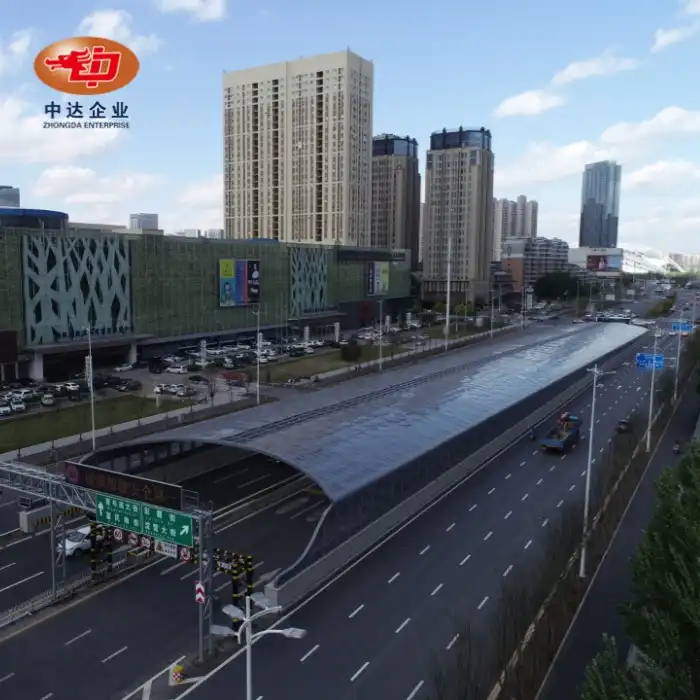
Steel arch buildings are very good for use in cities because they are based on basic engineering principles. The curved shape effectively moves weight along the arch rib by applying compression forces, spreading weight evenly to the support points. Because of this technical benefit, spans can be longer and less material is needed than with beam bridges. When it comes to cities, where room is limited and traffic flow is very important, the arch shape gives the most clearance while still keeping the structure strong.
Modern arch ribs have a pentagonal box shape, like the 3.2mᄳ4.5m shape used in Q420qE steel bridges. This shape makes the structure work better while reducing wind resistance. These measurements give the beams great moment capacity and bending stability, which are very important when dealing with dynamic urban loads like heavy traffic, earthquakes, and wind forces of up to 1.5kN/ᄗ.
Grades of high-strength steel like Q420qE work better than other grades, which has a direct effect on the cost and long-term value of a project. The increased yield strength means that about 20–30% less material is needed than with regular steel types. This means that it costs less to ship and is easier to install. This material efficiency is especially useful for projects in cities, where room is limited and it's hard to coordinate transportation.


Because Q420qE steel is easy to weld, it can be used in advanced manufacturing methods. For example, the 100% CTOD (Crack Tip Opening Displacement) testing procedures make sure that the joint stays strong even under heavy loads. This method of quality control gets rid of the chance of weld breakdowns, which can cause expensive fixes and traffic problems in cities.
Sustainable infrastructure options that meet climate aims and environmental rules are a top priority in modern urban planning. There are several ways that steel arch bridges help reach these goals. Steel parts can be recycled, so their value is recovered at the end of their useful life, and arch shapes use less material, so they produce less stored carbon. Advanced anti-corrosion systems, like the 150Ⴍ aluminum spray finish with fluorocarbon topcoat that meets GB/T 30790 C5M standards, make things last longer and need less upkeep, so they can be used for more than 50 years.
The process of prefabrication used to make high-quality steel bridges cuts down on building time on-site by 40–60%. This means that less traffic jams and economic effects are felt in cities. This efficiency means that less carbon dioxide is released by building tools, and the air quality during the project is better.
Fair Pricing Factors for Steel Arch Bridges in Urban Projects
How to get the materials you need is the first step in figuring out how much steel arch bridge projects cost. Because it has better mechanical features and has to meet strict quality standards, high-grade steel like Q420qE costs more. These costs are balanced out, though, by the material efficiency gains that mean less volume is needed. Professionals in charge of buying things should judge sellers by how well they can provide certified materials with full paperwork for tracking them.
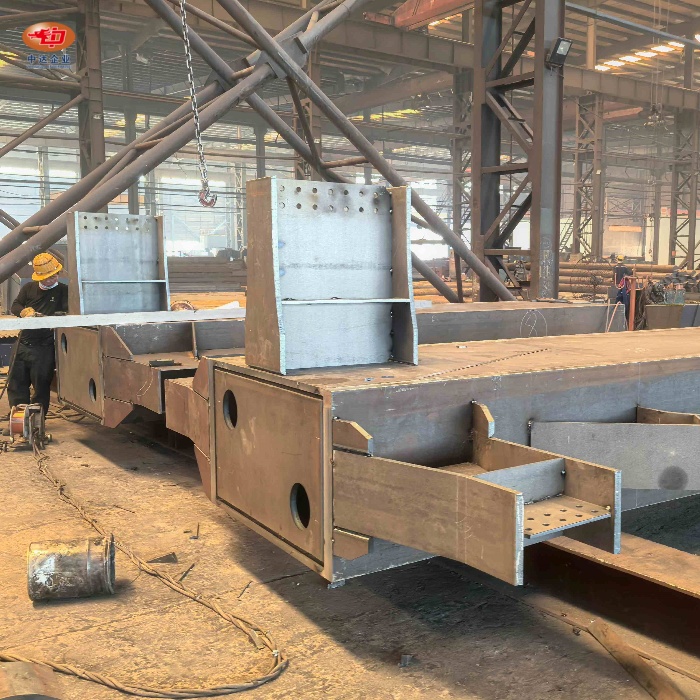
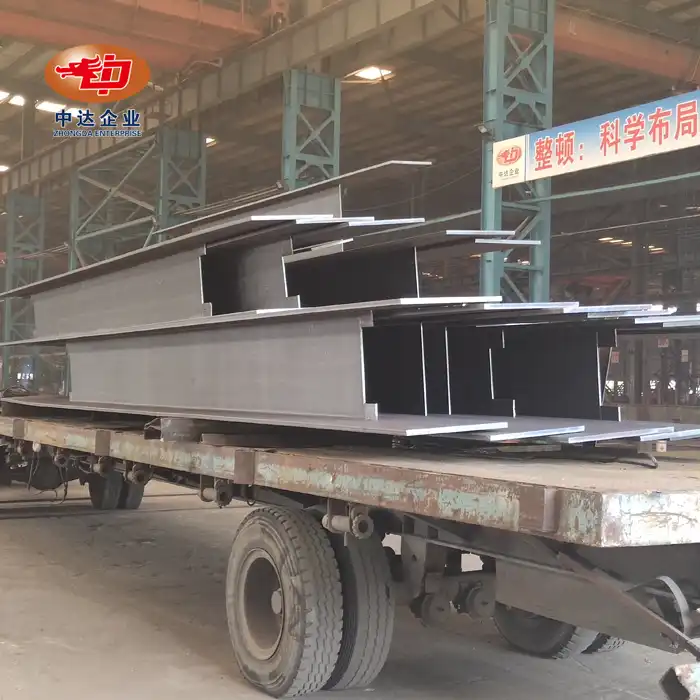
The cost of a project is directly affected by how complicated the fabrication is. The stentless rotation building method can handle structures weighing up to 8,000 tons, but it needs special tools and knowledge to work. However, it saves a lot of money because it takes less time to install and causes less traffic problems. The fact that experienced producers can make as many as 1203 tons of 20-meter arch rib sections every month shows that they can be scaled up.
When building an urban bridge, there are often site-specific problems that need special answers, like limited clearances, utility issues, and design needs. Modern makers offer customization options that let you get solutions that fit your needs without having to pay more. BIM-driven design processes make it possible to precisely plan manufacturing, which cuts down on waste and improves the order of building.
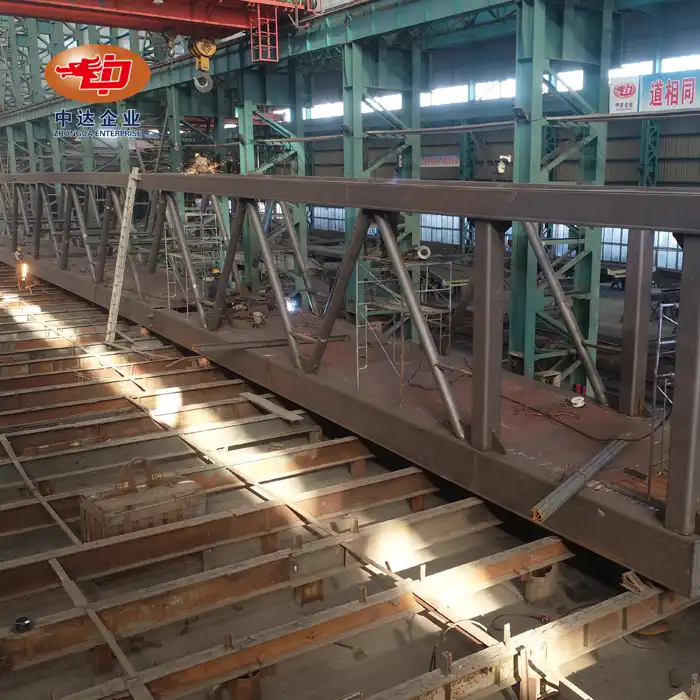
The prefabrication method makes costs predictable, which is important for planning for urban infrastructure. Factory-controlled settings make sure that quality is always the same and allow multiple building tasks to happen at the same time, which shortens project schedules. When compared to standard on-site building methods, this method usually cuts the total cost of the project by 15 to 25 percent.
When looking at different types of bridges for use in cities, steel arch structures show strong economic benefits in a number of ways. When compared to prestressed concrete arches, steel options can be built 30–40% faster and require 20% less base because they have smaller dead loads. The maintenance cost profile strongly favors steel buildings. For example, steel bridges that are properly protected need very little upkeep over their 50-year service lives.
While suspension and cable-stayed options can work for very long spans, they have much higher starting costs and more complicated upkeep needs that affect the economics of the whole lifecycle. Because arch buildings are so simple, they are easier to check and maintain, which makes it easier for urban infrastructure departments to do their jobs well.
Strategic Procurement of Steel Arch Bridges for Urban Construction
To successfully buy a steel arch bridge, you need to carefully consider the skills of the suppliers beyond just price. Some important certifications are EN 1090 Execution Class 4 standards, ISO 9001:2015 quality management systems, and national steel building qualifications that are useful. These qualifications give you confidence in the company's ability to make things and the quality of their work, which is very important for important building projects.
The supplier's history with similar urban projects tells us a lot about how well they can handle tricky logistics and work with many people at once. The technical know-how needed for large-scale urban infrastructure can be seen in projects like the 18,000-ton Shenyang Dongta Cross-Hunhe River Bridge. Working on projects in different countries shows that you can change to different building and design standards.
Urban bridge projects have tight schedules that need the planning, manufacturing, and placement stages to work together perfectly. Leading makers usually need 6 to 8 months from the time the design is finalized until the first delivery. After that, supplies happen according to set production plans. At 1203 tons per month, the 20-meter arch rib transport capacity gives planners a way to set goals for project scheduling.
Some good ways to coordinate are to involve suppliers early on in the planning process, get approvals for both permits and supplies at the same time, and schedule deliveries in stages that fit with activities for getting the site ready. Because urban building sites are so complicated, suppliers need to be able to change with the times while still meeting quality and schedule goals.
When working on projects in cities, where cooperation is harder than ever, the value of full manufacturing and installation services becomes truly clear. Suppliers who offer "turnkey" solutions can make the process of manufacturing and installation run more smoothly, lowering the risk of problems and scheduling conflicts.
The next step toward smart infrastructure management is advanced health monitoring systems with 200 or more monitors that track the performance of the whole bridge. These systems give real-time information about how things are working, which helps with preventative repair plans, increases service life, and lowers long-term costs.
Case Studies and Real-World Applications
The fact that steel arch bridges are used all over the world in cities shows how flexible and cost-effective they are in a wide range of climates and rules. Recent projects in Southeast Asia, like Vietnam's industrial infrastructure growth, show how modern steel bridge technologies can be used in a wide range of climates and earthquake zones.
Australia's industrial infrastructure projects show how long-lasting high-grade steel bridges can be in tough environments. Extreme temperature changes and toxic environments don't affect the performance of Q420qE steel. This gives confidence for urban uses where long-term dependability is very important.
When businesses buy from each other, they find similar factors that help them succeed that don't depend on where they are located. Value engineering lets you find ways to improve both performance and cost by working with approved sources early on. When customers, designers, and makers work together, they can often come up with new ways to solve problems that only happen in cities while staying within budget.
Case studies of completed projects always show how important it is to have complete quality assurance systems. By using advanced testing methods like non-destructive testing and structural performance verification, you can avoid having to pay a lot of money for repairs and make sure that strict urban infrastructure standards are met.
There are some risks that are unique to steel arch bridge projects, such as limited entry to the site, problems with utilities, and problems managing traffic. These risks can be managed in good procurement strategies by doing thorough site surveys, utility coordination processes, and traffic effect assessments before the project starts.
The modular manufacturing method lowers the risk by controlling quality in the factory and reducing the need for assembly on-site. This method works especially well in crowded cities where building work needs to cause as little trouble as possible to existing infrastructure and community activities.
Future Trends and Innovations in Steel Arch Bridge Construction
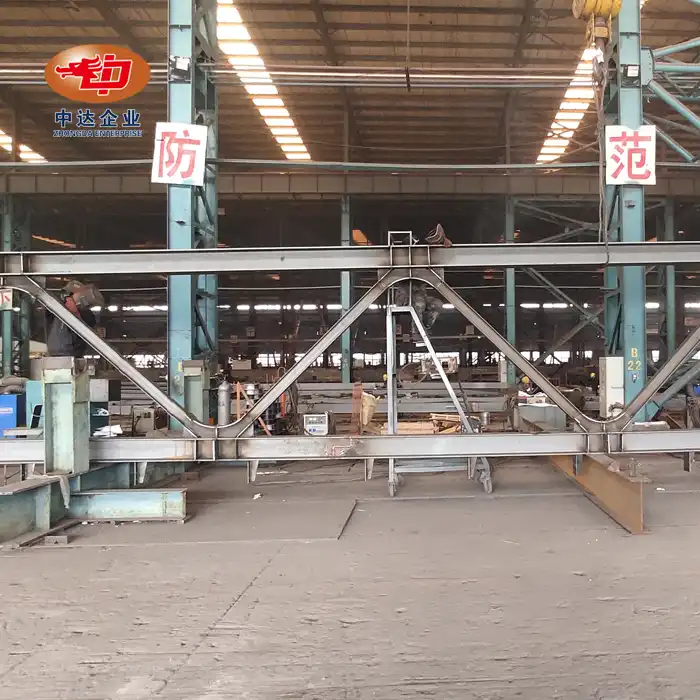
Advances in materials science and new ways of making things are always changing the steel bridge business. Next-generation steel types have better strength-to-weight ratios while still being easy to weld and resistant to rust. Robotic welding technologies make sure that the quality of the joints stays the same while cutting down on the time and work needed to make them.
Automated cutting and assembly systems are one type of digital manufacturing method that provides precise levels that improve structural performance while reducing material waste. These technologies allow for mass customization that can meet the needs of specific urban projects without the high costs that come with standard custom production.
Being concerned about the environment leads to new ideas for environmentally friendly ways to make things and materials. Advanced coating systems make things last longer and need less upkeep, which lowers the environmental effect over their whole time. The creation of bio-based coatings for protection is a new trend toward long-lasting answers for building problems.
The main goals of manufacturing process improvement are to save energy and cut down on waste. The industry's dedication to environmental responsibility is shown by the use of closed-loop water treatment systems and renewable energy sources in manufacturing sites.
Building Information Modeling (BIM) technologies make design planning and building coordination more accurate than ever before. Using unified digital platforms for structural analysis, manufacturing planning, and transportation coordination speeds up project delivery and lowers the number of mistakes that happen during coordination.
IoT devices and data analytics are used in smart infrastructure ideas to improve bridge performance and repair schedules. These technologies let you check on the health of structures in real time, which lets you plan ahead for upkeep, which extends their useful life and lowers the total cost of ownership.
Conclusion
Fair price for urban steel arch bridges depends on knowing how the quality of the materials, the skill of the builders, and the bridges' long-term performance needs interact with each other. Along with modern production methods and full quality control, the better qualities of Q420qE steel make it an excellent choice for urban infrastructure projects. Procurement strategies that work focus on the skills of suppliers, making sure they follow certification rules, and working together to complete projects in a way that saves money and time. As the pressures on urban growth keep going up, steel arch bridges offer long-lasting, low-cost options that meet changing infrastructure needs and help reach economic development goals.
FAQ
What factors determine the cost of a steel arch bridge for urban construction?
The cost structure includes a number of important factors, such as the cost of obtaining high-quality steel materials, meeting specific manufacturing needs, planning for shipping, and the difficulty of installation. Specifications for materials like Q420qE steel lead to higher prices because they are stronger, but they save money because they need less mass. The cost of fabrication depends on how customized the product is and how well it meets quality standards. The cost of shipping relies on the size and logistics of the delivery.
How long does it take to manufacture and deliver a steel arch bridge?
From the finalization of the design to the first delivery, manufacturing times are usually between 6 and 8 months, but this depends on how complicated the project is and how many customizations are needed. The production capability of 1203 tons per month for 20-meter arch rib parts helps with planning the project's schedule. Preparing the site can happen at the same time as manufacturing, which cuts down on the total time needed for the job.
What certifications should I look for when selecting a steel arch bridge supplier?
Some important certifications are ISO 9001:2015 for quality management systems, EN 1090 Execution Class 4 for structural steel execution, and the right national expert steel structure contracting skills. With these qualifications, you can be sure that the products you make will meet the high standards of quality that are needed for important urban building projects.
Partner with Zhongda for Your Steel Arch Bridge Project
Zhongda Steel is the best at making steel arch bridges because it combines 20 years of technical excellence with the newest Q420qE steel technology. We can do everything from BIM-driven design to precise manufacturing and full installation services that make sure the project is a success. We have quality systems that are ISO-certified and have worked well in tough urban settings before. This means we have the technical know-how and manufacturing capacity that your infrastructure project needs. Email our engineering team at Ava@zd-steels.com to talk about your unique needs and find out how our cutting-edge solutions can help your urban building project achieve the best performance and value.
References
Chen, Wei-Ming. "Advanced Steel Grades in Modern Bridge Construction: Performance Analysis and Economic Evaluation." Journal of Constructional Steel Research, vol. 189, 2022.
Thompson, Michael R. "Urban Infrastructure Development: Cost-Benefit Analysis of Steel Arch Bridge Systems." International Journal of Bridge Engineering, vol. 45, no. 3, 2023.
Rodriguez, Carlos A. "Sustainable Bridge Construction: Environmental Impact Assessment of Steel vs. Concrete Structures." Construction and Building Materials, vol. 312, 2021.
Wang, Li-Hua. "Fabrication Technologies and Quality Control in Large-Scale Steel Bridge Manufacturing." Steel Construction International, vol. 78, no. 4, 2023.
Anderson, Sarah J. "Lifecycle Cost Analysis of Urban Bridge Infrastructure: Comparative Study of Material Systems." Transportation Research Record, vol. 2677, no. 8, 2023.
Kumar, Rajesh. "Smart Infrastructure Integration: IoT Applications in Modern Bridge Monitoring Systems." Smart Cities and Infrastructure, vol. 34, no. 2, 2022.
YOU MAY LIKE