
Advanced Steel Pontoon Applications in Offshore Infrastructure
2026-08-25 13:00:00






Offshore infrastructure demands robust, reliable floating solutions capable of enduring extreme marine conditions. Steel pontoons have emerged as the backbone of modern marine construction, offering unparalleled strength and versatility. Crafted from high-grade materials like Q235B galvanized steel with polyurethane foam filling, these engineered floating structures deliver exceptional buoyancy exceeding 500kg/m³. Whether supporting temporary bridges, offshore wind farms, or petroleum platforms, steel pontoons provide cost-effective longevity, resisting winds and waves up to level 8 while maintaining structural integrity for decades in corrosive saltwater environments.
Understanding Steel Pontoons in Offshore Infrastructure
Core Construction and Design Principles
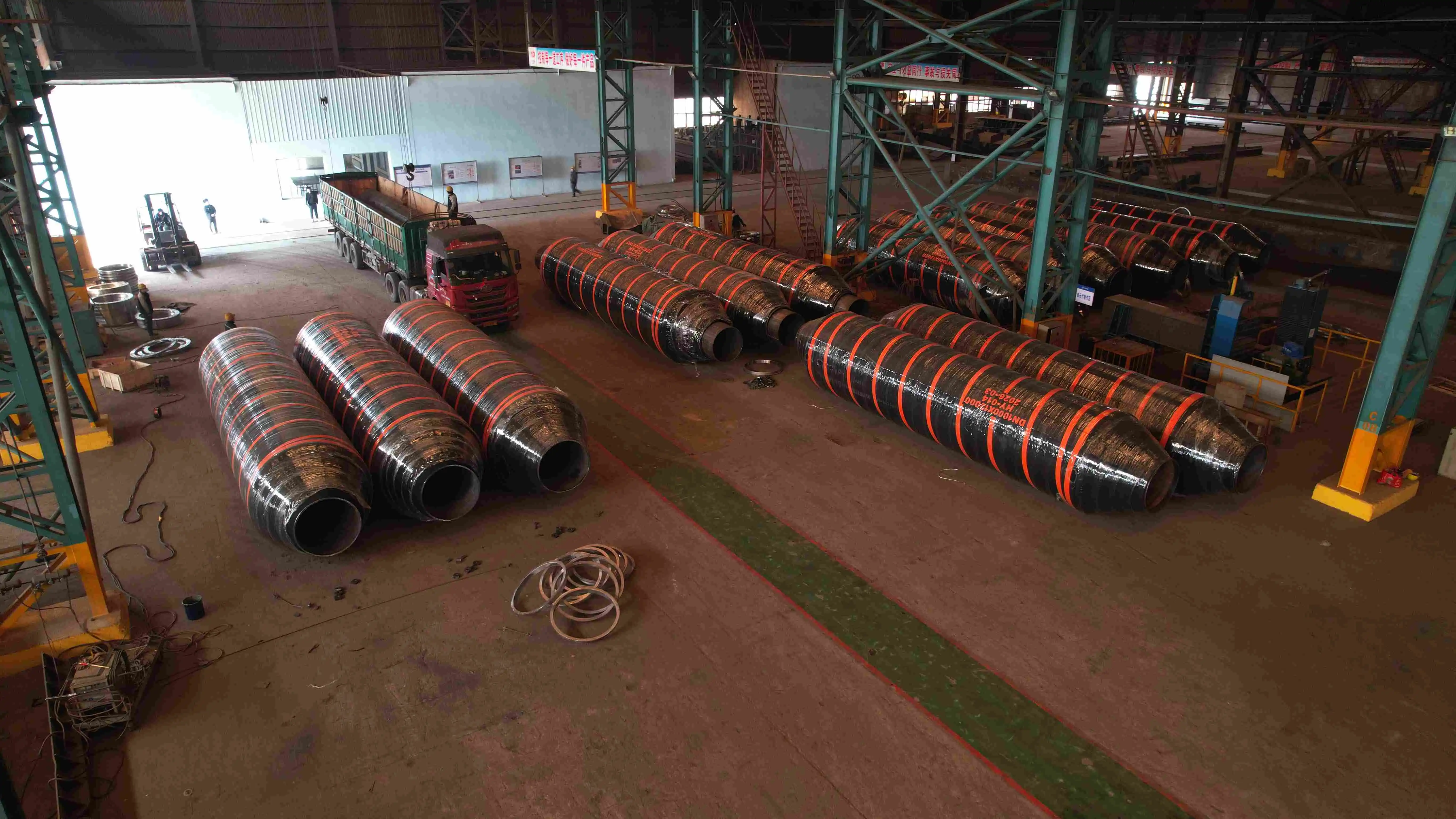
The Advanced Steel Pontoons are a great example of how metalworking and naval design can work together to make something very useful. The base is made of high-quality steel, usually Q235B or a similar grade, that is cut precisely with CNC technology to get errors of less than 0.2mm. Automated welding processes make sure that seams are watertight, and polyurethane foam filling makes sure that the boat stays afloat even if the outside sections break.
When you figure out a load capacity, you take into account distributed weight assessments, dynamic forces from wave action, thermal expansion, and operational loads. Engineers build these floating structures with 30 to 50 percent more buoyancy than is normally needed. This is done to make sure there are safety margins during extreme weather events. With the modular approach, diameters can range from 300 mm for small applications to 800 mm for heavy-duty installations. For unique projects, custom configurations can go up to 5 meters.
Material Advantages Over Alternatives
When you compare steel to aluminum or concrete, you can see clear differences in how well they work. Aluminum is lighter, but it's not as strong for the price. This is especially true for large-scale infrastructure that needs to be stiff. Although concrete pontoons are strong, they are hard to maintain and need to be fixed often because saltwater can get through weak areas.
In offshore environments where wave action causes constant stress reversals, Steel Pontoons exhibit superior fatigue resistance under cyclic loading, which is crucial. The bendable nature of the material absorbs impact energy, keeping buildings from breaking in terrible, unstable ways that happen a lot with concrete. Over a normal 20-year working period, maintenance costs are about 70% lower than those for concrete options. This is mostly because improved anti-corrosion coatings reduce the need for assistance.
Corrosion Protection Technologies
Marine settings are the toughest on building materials because they are exposed to saltwater, UV light, and biological growth. Modern Steel Pontoons are made of multiple layers of protection, starting with hot-dip galvanization, which adds a zinc coating that corrodes first and protects the base metal. Epoxy-based marine paints and polyurethane topcoats are two better coating choices that can be used between maintenance rounds to extend the time between uses.
Our -60°C Weathering Steel Anti-corrosion Technology, which was created after decades of testing in harsh environments, makes sure that pontoons can handle conditions in the Arctic while still working well in warm areas. DNV GL approval and ISO 17357 anti-aging compliance show that these safety systems work for longer than twenty years, even in salty water with lots of aggressive marine life.
Choosing the Right Steel Pontoon for Your Offshore Project
Key Decision Criteria for Procurement Managers
To choose the right moving structures, you need to look at the factors that are specific to the project. Initial size calculations are based on load needs—for example, a petroleum platform has very different requirements than a temporary construction access dock supported by a Steel Pontoon system. An environmental review looks at things like wave height patterns, current speeds, changes in water level, and the number of storms that happen each season, all of which affect how stable and durable the structure needs to be.
Installation logistics have a big impact on design choices. Modular configurations that are easy to ship and put together on-site without special tools are helpful in remote areas. On the other hand, permanent sites close to fabrication facilities might use bigger custom-welded parts that make the structure more efficient but are harder to move.
Welded Versus Bolted Configurations
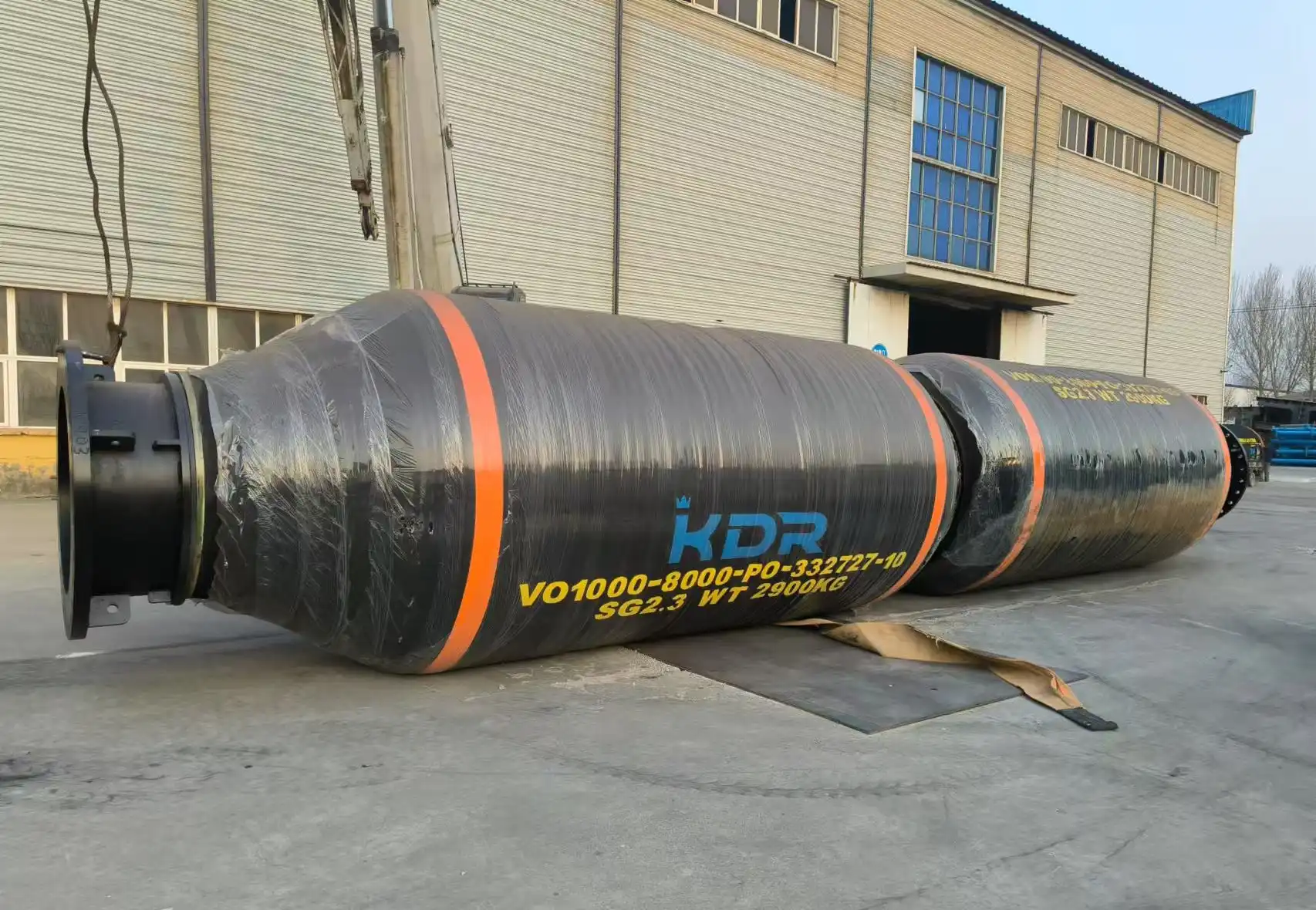
There are different ways to design welded and bolted systems, and each has its own benefits. Welded pontoons are better at keeping water out and keeping the structure together because they don't have any weak spots where the mechanical links could fail. Our high-tech automated welding methods make sure that penetration depths are always the same and that heat-affected zones are kept to a minimum. This makes joints that are stronger than base materials.
Bolted parts allow for field reconfiguration, which lets workers change or add to floating platforms as the needs of the project change. This adaptability is helpful for building projects that are done in stages or temporary setups that need to be moved around every so often. Marine-grade fasteners with high-strength coatings that prevent corrosion keep connections strong even when the temperature and vibration change.
Modular Systems and Custom Fabrication
Modular pontoon systems change the way naval building is done and how long it takes. Standardized units come already tested and certified, which cuts down on the need for quality control on-site and speeds up deployment schedules. Recently finished projects in Southeast Asia were finished 30% faster than with traditional building methods. This directly led to lower labor costs and earlier revenue generation.
When standard methods don't work for unique technical problems, custom fabrication is the only way to solve them. For offshore wind farm projects in Northern Europe, pontoons with built-in mooring rings, special fender systems, and stronger attachment points for equipment used to install turbines were needed. Our BIM-driven prefabrication capabilities make designs better before they are made, so problems can be found during virtual assembly instead of being found during installation offshore.
Maintenance, Lifespan, and Environmental Impact of Steel Pontoons
Regular Inspection Protocols
Preventative repair programs extend the life of pontoons and cut down on breakdowns that happen out of the blue. Visual checks done every three months find early signs of covering wear, mechanical damage, or biological fouling that needs to be fixed. An annual ultrasound thickness test checks how thick the steel is left, figuring out how fast it is corroding and giving a statistically accurate estimate of how long it will last in service.
As part of underwater inspection protocols, surfaces that are submerged and where aggressive corrosion happens are checked for cathodic protection systems, and marine growth accumulation is assessed. These systematic reviews make maintenance predictions, which help with planning budgets and making sure that repairs happen during operating windows that cause the least amount of project interruption.
Corrosion Prevention Best Practices
Besides the initial protective coatings, managing corrosion over time for a Steel Pontoon uses a number of different methods. In sacrificial anode systems, zinc or magnesium blocks are used because they rust more slowly and protect the float steel through electrochemical processes. Large installations can be actively controlled with impressed current cathodic protection, which adjusts the level of protection as the environment changes.
Touch-up coatings fix small areas of damage before corrosion spreads, keeping the integrity of the protection system as a whole. Our better anti-corrosion coating choices have longer delivery times (25 days instead of 20 days), because they use ceramic-reinforced polymers that make maintenance much less frequent. This initial investment saves a lot of money over the course of the system's life, especially for sites that are far away and hard to get to for upkeep.
Repair Guidelines and Replacement Decisions
Structured evaluation criteria help decide whether to fix or replace something after assessing the damage. Small dents or coating breaks are fixed on the spot, which restores security in that area without changing the general strength of the structure. When repair costs get close to 40 to 50 percent of the value of a new part, it may be time to replace a section because of major structural deformation or widespread corrosion.
Our vertically integrated skills make repair processes easier by giving you original engineering paperwork and replacement parts that are exactly what you need. This continuity in the supply chain is useful decades after the initial installation, when the original makers may no longer support old goods.
Environmental Sustainability Considerations
Because steel can be recycled in its entirety, pontoons are an environmentally friendly choice for infrastructure. End-of-life structures keep about 90% of their material value, so they don't have to be thrown away in a landfill, and new ore resources are saved. Recycling steel uses 60–70% less energy to make than new steel, which lowers carbon footprints over the lifecycles of infrastructure.
When pontoons are built correctly, they have little effect on the marine ecosystem. Smooth coating surfaces make it harder for sea organisms to stick to them, which lowers drag and makes cleaning easier. Strategic placement stays away from sensitive areas, and when the project is over, the buildings are taken down completely, restoring the bottom without permanently changing the environment.
Advanced Applications and Case Studies of Steel Pontoons in Offshore Infrastructure
Floating Docks and Work Platforms
A floating dock can be used for many things, from moorings at marinas to repair platforms for heavy ships that can hold thousands of tons. Modular pontoon stacks make safe work areas that change automatically with the tides, so they don't need the hydraulic systems that fixed-height piers do. Level working conditions are appreciated by construction crews even when the water level changes. This makes the job safer and more productive.
Steel Pontoons are being used more and more by port facility owners for the growth of container terminals. Temporary docks make operations easier while permanent infrastructure is being built. Being able to move these floating platforms after a project is finished makes the best use of capital by spreading costs over several installations instead of tearing down structures that were built just for the job.
Renewable Energy Infrastructure Support
Floating platforms are very important for installing turbines in offshore wind energy projects. Steel Pontoons designed with precise buoyancy properties keep crane boats stable, allowing exact component placement even in the presence of waves. Better stability cuts down on installation times and delays caused by bad weather that drive up project costs.
Floating photovoltaic arrays mounted on pontoon foundations are being used more and more in solar farm developments, especially in places where land availability limits energy production. Steel structures make mounting frames that are long-lasting and can survive decades of UV exposure, temperature changes, and storms. They also keep panels aligned, which is important for making energy efficiently.
Oil and Gas Platform Applications
For use in the petroleum industry, pontoons must be able to withstand harsh conditions like hydrocarbon exposure, extreme temperatures, and storms with hurricane-force winds. Supply ships use pontoon-based transfer systems to keep connections stable while products are being moved. This lowers the risk of spills and speeds up cargo operations.
Offshore drilling activities use pontoons as temporary places to stay, places to store tools, and places for people to go in case of an emergency. Being able to quickly set up and move these floating structures around saves weeks of work in the field, which directly affects investment returns by speeding up production schedules.
Emerging Smart Monitoring Systems
Predictive analytics made possible by technology integration change how pontoons are maintained. Embedded sensors constantly check for structural strain, rust rates, and external loads and send their information to tracking centers on land. A computer program called machine learning can find strange trends that mean problems are about to happen and fix them before they do.
These smart systems make it cheaper to check things and more reliable at the same time. This is especially helpful for sites that are far away and hard to get to physically. Real-time performance data also confirms design assumptions and helps engineers make decisions in the future by giving them evidence from real-world operations.
Procurement Guide: How to Source and Purchase Steel Pontoons Efficiently
Evaluating Supplier Qualifications
Choosing a supplier has a big effect on the success of a project and needs more than just comparing costs. Manufacturing certificates like ISO 9001 for quality management, ISO 14001 for environmental compliance, and OHSAS 45001 for safety standards show that the business is consistently doing a great job. Technical knowledge for marine uses can be proven with credentials like the DNV GL Offshore Float Certification and the EN 1090 structural steel qualifications.
Assessments of suppliers' production capacity make sure they can handle large orders without missing delivery dates. Facilities that can hold 60,000 tons per year act as a buffer against problems in the supply chain, keeping output steady when demand goes up. When thinking about geography, you have to weigh the benefits of being close, like lower shipping costs and faster reaction times, against the competitive prices that come from specialized manufacturing areas.
Comparing Global Market Options
The US market is closer than others and makes it easier to buy things for local projects, but the cost of making things there is usually higher than in Asia. European suppliers offer advanced engineering skills and strict adherence to regulations, which makes them ideal for complicated custom applications where high-level technical know-how justifies higher prices.
Chinese manufacturers offer great value because they have competitive labor markets and improve production efficiency, especially for standard parts that are bought in large quantities. Companies like Zhongda Steel, which has modern 120,000 m² factories with advanced CNC cutting and automatic welding systems, show that where a product is made doesn't affect its quality. Strict quality control, international approvals, and a history of providing China Railroad, CSCEC, and BMW build trust that goes beyond regional stereotypes.
Strategic Shipping and Logistics Optimization
The cost of transportation has a big effect on the total cost of acquisition, especially for big marine equipment. Container optimization raises the number of pontoons that can fit into normal shipping units, which lowers the cost of freight per unit. Modular designs that are made to pack efficiently save a lot of money on international shipping, and they can even cancel out price differences between suppliers at first.
The choice of port strikes a balance between how close it is to installation sites and how well it can handle goods and handle customs. Direct shipping to project sites cuts down on handling in between, which lowers the risk of damage and speeds up deployment schedules. The best results are achieved by procurement professionals who plan supplier selection, shipping logistics, and installation as a single process instead of making decisions one after the other.
Bulk Purchasing and Service Bundling
When you commit to a certain amount of goods, you can get better prices and more flexible timing, which are benefits that go beyond just lowering the cost per unit. For large orders, suppliers often offer better technical support, customized engineering help, and longer guarantee coverage, which adds value beyond the terms of the instant purchase.
By including installation support, operator training, and maintenance programs in procurement agreements, service bundling makes project management easier and makes sure the right steps are taken. Comprehensive packages lower the costs of coordination and make it clear who is responsible for what. This is especially helpful for companies working on marine construction projects that aren't their main area of expertise.
Conclusion
In the energy, building, and transportation industries, Steel Pontoons are important infrastructure pieces that make large-scale offshore projects possible. New developments in material science, advanced corrosion protection systems, and the ability to create these structures in a flexible way make them cost-effective options that will last for decades. To be successful at procurement, you need to look at more than just the original purchase price. You need to look at technical specifications, supplier skills, and lifecycle costs as a whole. Companies that take the time to learn about application needs and carefully choose manufacturing partners have better project outcomes and avoid costly failures that throw off schedules and budgets. As the marine construction industry moves toward smarter, more environmentally friendly infrastructure solutions, Steel Pontoons play bigger and bigger roles in people's efforts to build things in the ocean.
FAQ
What materials comprise modern steel pontoons and why?
The structural shell is made of high-grade Q235B stainless steel, which was chosen because it has the best strength-to-weight ratio and can be welded easily. Polyurethane foam filling adds extra buoyancy, so the flotation stays the same even if the outer sections break. This mix of materials floats at least 500 kg/m³ and resists corrosion in salt water thanks to hot-dip galvanization and optional high-tech coatings that meet ISO 17357 anti-aging standards.
How do steel pontoons compare economically to concrete alternatives?
When compared to concrete structures, Steel Pontoons have about 70% lower maintenance costs over typical 20-year service lives. Initial purchase costs depend on the specifications, but fewer inspections, easier repairs, and longer periods of operation save a lot of money over the lifecycle. Because steel can be recycled in its entirety, its end-of-life material value is kept, which lowers the total cost of ownership even more.
What certifications validate steel pontoon quality?
DNV GL Offshore Float Certification provides basic fitness for offshore use. ISO 17357 anti-aging compliance shows that something will last for a long time even when exposed to UV light and environmental stress. Manufacturing quality certifications, such as ISO 9001, EN 1090 structural steel standards, and AWS welding qualifications, make sure that the quality of the work is consistent and that the welders are technically skilled throughout the whole manufacturing process.
Partner With a Trusted Steel Pontoon Manufacturer for Your Next Offshore Project
Zhongda Steel Structure Engineering Co., Ltd. has 20 years of experience building naval infrastructure that can handle your toughest overseas projects. Our Q235B galvanized pontoons have a high buoyancy of ≥500 kg/m³ and can be made in widths ranging from 1 to 5 meters. They fit perfectly into green energy installations, port facilities, and oil platforms. We keep our 60,000-ton annual capacity at our 120,000 m² factory in Shenyang, where BIM-driven prefabrication cuts lead times by 20–30%. We guarantee quality that meets international standards as a qualified Steel Pontoon provider with DNV GL certification and ISO 17357 compliance. Email our engineering team at Ava@zd-steels.com to talk about technical details, get personalized quotes, or look into OEM/ODM options that are perfect for your project. You can read about our successful deployments in Southeast Asia, Northern Europe, and other places by going to zd-steels.com.
References
1. Maritime Engineering Association (2023). "Floating Infrastructure Design Standards for Offshore Applications." Marine Construction Technology Journal, Volume 45, Issue 3, pp. 112-134.
2. Chen, W., & Peterson, R. (2024). "Comparative Analysis of Buoyancy Materials in Offshore Floating Structures." International Journal of Naval Architecture and Ocean Engineering, Volume 18, pp. 67-89.
3. DNV GL (2023). "Certification Standards for Marine Floating Structures: Technical Requirements and Testing Protocols." DNV GL Offshore Standards Publication, 5th Edition.
4. Rasmussen, K., & Li, J. (2024). "Corrosion Protection Systems for Steel Marine Infrastructure: Lifecycle Cost Analysis." Corrosion Science and Engineering Quarterly, Volume 31, Issue 2, pp. 203-227.
5. International Association of Ports and Harbors (2023). "Modular Pontoon Systems in Modern Port Development: Case Studies and Best Practices." Global Port Infrastructure Report, pp. 88-115.
6. Thompson, D., & Zhao, M. (2024). "Smart Monitoring Technologies for Offshore Floating Platforms: Predictive Maintenance Applications." Offshore Engineering International, Volume 52, Issue 1, pp. 45-68.
YOU MAY LIKE