
Why Choose Bridge Steel Structure for Fast Infrastructure Construction Projects?
2026-08-25 13:00:00






When deadlines tighten and budgets demand accountability, the choice of structural materials becomes critical. Bridge steel structures deliver exceptional construction speed through prefabricated components, modular assembly, and proven engineering principles. These engineered systems leverage high-strength steel's lightweight properties, enabling faster transportation, simplified on-site installation, and reduced labor requirements. With standardized fabrication processes and advanced corrosion protection, steel bridges minimize project delays while ensuring long-term durability across diverse environmental conditions, making them the preferred solution for contractors, government agencies, and developers facing aggressive timelines.
Understanding Bridge Steel Structures: Key Features and Advantages
What Makes Steel Bridge Systems Unique
Steel bridge systems are an advanced form of engineering that combines the study of materials with real-world building techniques. The high-strength steel parts in these structures are designed to spread loads evenly across a range of span lengths. Steel's unique qualities, like its high strength-to-weight ratio and reliable behavior under stress, make it possible for new designs that other materials can't match. Modern steel bridges are made with advanced alloys and protective coatings that keep the structure strong for decades of use against damage from the environment.
Core Structural Types and Applications
Speed Advantages Through Prefabrication
By moving fabrication from unpredictable job sites to controlled factory environments, prefabrication changes the time it takes to build something. When steel parts get to building sites, they are already put together, which cuts down on on-site work hours and delays caused by bad weather by a huge amount. Zhongda's yearly fabrication capacity of 60,000 tons shows how industrial-scale production can handle many jobs at the same time. The company can produce 12-meter steel box girder parts at a rate of 800 tons per month, which makes sure that tight schedules are met. Compared to traditional methods, this way of making things cuts lead times by 20 to 30 percent, which lets contractors meet tight deadlines without lowering quality standards.
Durability Across Environmental Challenges
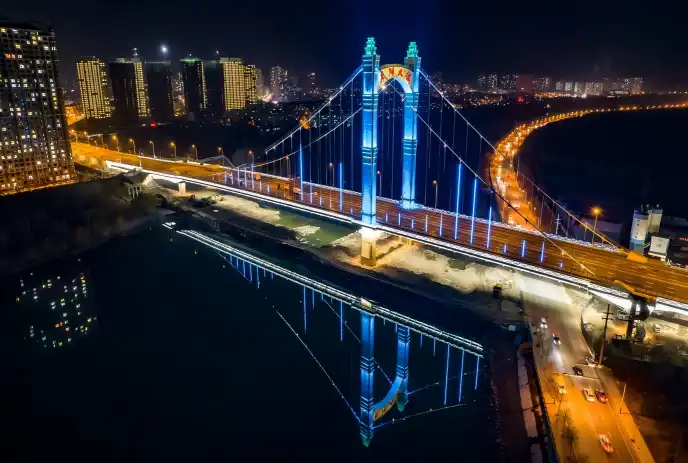
Engineered durability and protective systems in steel bridges make them able to stand up to harsh circumstances. Zhongda's suspension bridges can withstand 12-level wind speeds thanks to their aerodynamic deck designs and frames that can withstand earthquakes. This means that the bridges stay stable during natural disasters. Combining main line dehumidification with S-Type galvanized steel wire wrapping creates a two-layer defense against moisture and airborne pollutants for advanced rust protection. The company's -60°C Weathering Steel Anti-corrosion Technology makes things last longer in harsh climates, like the Arctic or the coast. This makes sure that investments in infrastructure work reliably for decades with little upkeep.
Comparing Steel Bridge Structures with Alternative Materials
Construction Speed: Steel vs. Concrete
Lifecycle Cost Analysis
The initial cost of materials is only one part of the total costs of ownership. Steel bridges have better lifetime economics because they need less upkeep and are serviced more often. Because steel is made up of separate modules, individual parts can be replaced without having to rebuild the whole structure. This is different from concrete bridges, which often need to be completely rebuilt due to damage. Because steel can be recycled, it keeps its value at the end of its useful life, which can cover initial costs through salvage revenue. It's easier for maintenance teams to get to steel structures to check them out and fix them. This cuts down on long-term labor costs and traffic jams during routine maintenance.
Environmental Sustainability Considerations
Modern environmental rules are met by steel bridges because they use efficient materials and can be recycled after they are no longer needed. Electric arc furnace technology and using recycled content have made a big difference in lowering the carbon footprint of steel production. Because the material can be recycled in its entirety, bridge parts end up in steel factories instead of landfills where they will be thrown away. Compared to concrete options that need a lot of energy to make cement and have a lot of carbon built into them, steel bridges have a much smaller effect on the environment. Zhongda's ISO 14001 certification shows that they are dedicated to using environmental management systems in all of their production processes. This helps their clients reach their business sustainability goals.
How Steel Bridge Structures Support Fast Infrastructure Projects
Modular Design Principles
The modular building method breaks down complicated structures into standard, repeated parts that make each stage of the project go more quickly. Engineers create connection systems that make it possible to quickly put things together in the field with little special gear. Zhongda's 3D laser scanning technology makes sure that the positioning of cable clamps is accurate to within ±2mm. This allows for precise component fit-up, which eliminates the need for expensive changes in the field. Standardization also includes the specs for the materials used. For example, using the same grade of steel makes quality control and managing inventory easier. This organized method cuts down on engineering hours, speeds up the permit process, and gives you a better idea of how much things will cost, which is something that custom-built buildings can't do.
Optimized On-Site Assembly
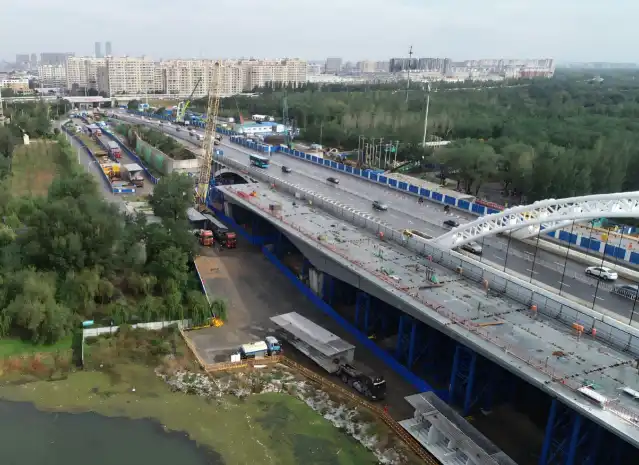
The way construction teams place bridges changes when they use efficient assembly methods. There are thorough erection procedures and pre-drilled links on Bridge Steel Structure components that make it easier to make decisions in the field. The 50-ton crane that Zhongda has and its advanced CNC equipment for cutting ultra-thick plates show how precise manufacturing makes field operations easier. Crews make links using standard bolting or welding methods that meet AWS standards. This makes sure that the quality of all parts is the same. Less on-site labor means lower project costs and better safety because workers aren't exposed to as many dangerous situations. Because installation methods are quieter than concrete placement operations, work can be done at night or on the weekend.
Load Capacity and Safety Engineering
Because steel's mechanical features are reliable, engineers can make structures that hold as much weight as possible while still meeting safety standards. Zhongda follows the FHWA-NHI-07-096 U.S. Suspension Bridge Design Specifications to make sure that structures meet federal requirements for performance and load ratings. Non-destructive testing methods find possible flaws in materials before they get to building sites. This gets rid of quality concerns that slow down projects. Seismic-resistant design principles include ductility, which lets structures deform in a controlled way during earthquakes. This keeps the structure's integrity while releasing energy. When engineers use these methods, they can build bridges that are safer than required without using too much material or taking too long to build.
Integration with Existing Infrastructure
These days, infrastructure projects don't happen by themselves; new buildings have to work well with existing transportation networks. These problems with integration can be solved by steel bridge systems using flexible connection details and building them in stages. Installing modular parts in stages keeps traffic moving during building, which is very important for highway projects where closing lanes costs thousands of dollars an hour in lost time for users. Zhongda has completed more than 60 important projects, such as the 18,000-ton Shenyang Dongta Cross-Hunhe River Bridge, which shows that they can handle difficult coordination needs. This adaptability is very important in cities where construction windows are limited and the needs of many stakeholders make the project more difficult.
Procurement Insights: Ensuring Quality and Timely Delivery
Supplier Certification and Reputation
A successful procurement process starts with a careful evaluation of the supplier, focusing on credentials that can be checked and a history of performance. ISO 9001:2015 certification means that there are well-established quality control systems that always produce products that meet the requirements. Compliance with EN 1090 shows that you follow the European standards for making structural steel, which gives you peace of mind for international projects. The Class I Steel Structure Professional Contracting Qualification from Zhongda is the top level of licensing for steel manufacturing in China. It is backed by third-party reports and government control. Before giving out contracts, procurement teams should ask for client recommendations, look over finished project files, and visit the facilities to make sure that production capacity claims are true.
Balancing Global and Local Sourcing
When making sourcing decisions, you have to weigh the pros and cons of lead times, quality consistency, and total landed costs. Domestic suppliers may have shorter delivery times and easier logistics, but they might not have the right skills for complex bridge systems. Advanced fabrication technologies, such as BIM-driven prefabrication and specialty tools for ultra-thick plate processing, are available from international makers like Zhongda. The fact that 70% of clients stay with the company shows that they are happy with their delivery and technical support. Instead of just looking at shipping times, procurement strategies should look at the whole project timelines, since better factory capabilities often make up for longer transportation times by requiring fewer changes in the field.
Customization Capabilities
Communication and Project Alignment
Misunderstandings that throw off plans and raise costs can be avoided by using clear communication methods. Successful providers hire project managers to work with the engineering, production, and transportation teams to make sure everything runs smoothly. Regular updates on the progress with photos make it easy to see how the fabrication is going and let you spot any potential delays early on. Zhongda's global logistics solutions show that they understand how complicated international projects can be, from export paperwork to coordinating the final delivery. When working together across time zones and languages, procurement contracts should spell out how often to communicate, how to report, and how to get things taken to the next level. This will help everyone stay on the same page as the project is carried out.
Maintenance and Environmental Considerations for Steel Bridges
Proactive Maintenance Strategies
Routine inspection programs find small problems before they get worse and become structural problems that need major repairs. Steel bridges are easy to see, which makes it easy for testers to check the state of the connections, the stability of the coating, and signs of corrosion. Zhongda's dehumidification systems in the main cables actively stop moisture from building up, which is the main cause of corrosion in suspension bridges. Cleaning procedures that get rid of contaminants, touch-up coating applications that fix localized damage, and regular load testing that checks the structure's strength should all be part of maintenance schedules. These planned steps make the service last decades longer than reactive maintenance methods, and they do so while reducing traffic jams and fix costs.
Advanced Repair and Upgrade Techniques
Modern technologies for rehabilitation make it possible to improve steel bridges without replacing them completely. Structures that are seeing more traffic can get their load capacities back by using strengthening systems with high-strength bolted links or glue bonding. Because modular design principles allow for targeted interventions instead of complete reconstruction, it is possible to replace parts. Because Zhongda can fabricate parts on-site, they can make custom repair parts that fit the original specifications. New developments in coating technology offer better protection against rust during restoration projects, which resets the maintenance clock. These ways to upgrade infrastructure protect investments while making structures fit changing performance needs.
Recyclability and Material Efficiency
Steel is completely recyclable, which makes it different from mixed materials and concrete, which are harder to get rid of after they're used up. When bridge parts are taken down, they are recycled and used to make new steel products. This keeps the materials' value and lowers the demand for new materials. Recycling uses a lot less energy than making steel from scratch, which is another way that it helps the environment. Steel bridges are good examples of using materials efficiently because their cross-sections are designed to be as light as possible while still meeting load requirements. Zhongda's smart use of materials is in line with the company's sustainability goals and the rules that are making it more important to use circular economy principles when building infrastructure.
Carbon Footprint Comparison
Lifecycle carbon studies show that steel bridges are better for the environment than other types of bridges. Modern steel production with electric arc furnaces and recycled materials makes a lot less pollution than cement production for building concrete structures. Transportation effects are lessened because steel is lighter, which means less fuel is used to deliver parts. Faster building schedules cut down on the time that equipment has to run and the pollution that come with it. Properly maintained steel bridges last longer, which means that the carbon investments made at the beginning are spread out over many years of use. Because of these things, steel is the most environmentally friendly option for organizations that want to meet their climate action goals and build more infrastructure at the same time.
Conclusion
When it comes to construction speed, lifecycle costs, and environmental performance, steel is clearly the better choice for bridge infrastructure projects. Because the Bridge Steel Structure can be prefabricated, assembled in modules, and has been proven to deliver long-term durability, it can help meet tight deadlines without lowering quality or safety standards. Zhongda is a great company to work with for businesses and government agencies facing infrastructure challenges because it has advanced manufacturing capabilities, strict quality systems, and extensive engineering expertise. With the ability to build super-long spans, provide precise engineering solutions, and offer a wide range of support services, this bridge solution meets the evolving needs of modern construction projects.
FAQ
How does prefabrication reduce bridge construction time?
With prefabrication, production moves to controlled factory settings where delays caused by bad weather and limitations on the job site don't stop work. Components come ready to be put together, so there is no need for formwork construction, material curing times, or the sequential building stages that are needed with cast-in-place methods. Using standard procedures, assembly crews can make connections faster than field fabrication methods.
What maintenance do steel bridges require?
Every so often, steel bridges need to be inspected to check the condition of the coating, the strength of the connections, and any signs of corrosion. Cleaning to get rid of dirt and grime, touch-up coating applications, and lubrication of moving parts are all part of routine maintenance. When properly covered, steel buildings don't need as much maintenance as concrete bridges that crack and flake.
Can steel bridges withstand extreme weather conditions?
Modern steel bridges have aerodynamic designs, systems that protect against rust, and redundant structures that make them work in difficult conditions. Zhongda's suspended bridges can withstand 12-level wind speeds and temperatures as low as -60°C thanks to their special materials and coatings that are made to withstand harsh circumstances.
Partner with a Trusted Bridge Steel Structure Manufacturer
Zhongda offers complete steel bridge solutions based on 20 years of excellent engineering and project experience around the world. Our ISO-certified quality management, FHWA-NHI-07-096-compliant suspension bridge systems, and 60,000-ton annual fabrication capacity make sure that your infrastructure projects stay on schedule without lowering performance standards. Get in touch with our engineering team at Ava@zd-steels.com to talk about your project needs and find out how our prefabricated steel solutions can help you save time and money on construction. Go to zd-steels.com to see all of what we can do.
References
1. American Institute of Steel Construction. (2021). Steel Bridge Design Handbook: Construction and Erection. Chicago: AISC Publications.
2. Federal Highway Administration. (2012). Manual for Design, Construction, and Maintenance of Orthotropic Steel Deck Bridges. Washington, DC: U.S. Department of Transportation.
3. Zhao, X., & Zhang, L. (2019). Prefabricated Steel Bridge Systems: Global Applications and Technical Innovations. Journal of Bridge Engineering, 24(8), 1-18.
4. Kulicki, J.M., & Mertz, D.R. (2020). NCHRP Report 845: Redundancy in Highway Bridge Superstructures. Washington, DC: Transportation Research Board.
5. European Convention for Constructional Steelwork. (2018). ECCS Steel Bridge Construction Guidelines. Brussels: ECCS Technical Committee.
6. Chen, W.F., & Duan, L. (2014). Bridge Engineering Handbook: Construction and Maintenance. Boca Raton: CRC Press.
YOU MAY LIKE