
Why Use Steel Truss Girder for Heavy-Duty Transportation Infrastructure?
2026-08-25 13:00:00






Steel Truss Girder technology represents a pivotal advancement in heavy-duty transportation infrastructure, combining exceptional load-bearing capacity with remarkable structural efficiency. These engineered systems utilize interconnected triangular frameworks to distribute tremendous weights across bridges, flyovers, and industrial transport corridors. Transportation engineers and procurement professionals increasingly rely on truss girder designs because they deliver superior strength-to-weight ratios, accelerate construction timelines, and provide long-term cost advantages over traditional structural solutions. Understanding these benefits helps stakeholders make informed decisions that enhance project outcomes.
Understanding Steel Truss Girders: Fundamentals and Benefits
Heavy-duty infrastructure needs building solutions that are strong, last a long time, and save time and money during development. Modern truss girder systems meet these needs by using smart engineering principles that have been shown to work in a wide range of transportation situations around the world.
The Engineering Foundation of Truss Systems
At its heart, a truss girder is made up of steel members that are linked to each other and grouped in triangles. These triangles form a framework where each part works together to handle both compressive and tensile forces. Individual steel elements are put together in this geometric way to make a single structure system that can span long distances and hold heavy loads. The triangular shape keeps the structure from deforming under stress by distributing weight evenly throughout the whole structure instead of putting all the pressure on weak spots.
Engineers like how this design makes the best use of materials. Compared to solid beam options, truss configurations get the same level of strength with a lot less steel. This cuts down on both the cost of materials and the dead load on the foundations that support the structure. This efficiency is especially useful for transportation projects because it lets the spans be longer and eliminates the need for support columns in the middle.
Strength-to-Weight Ratio Advantages
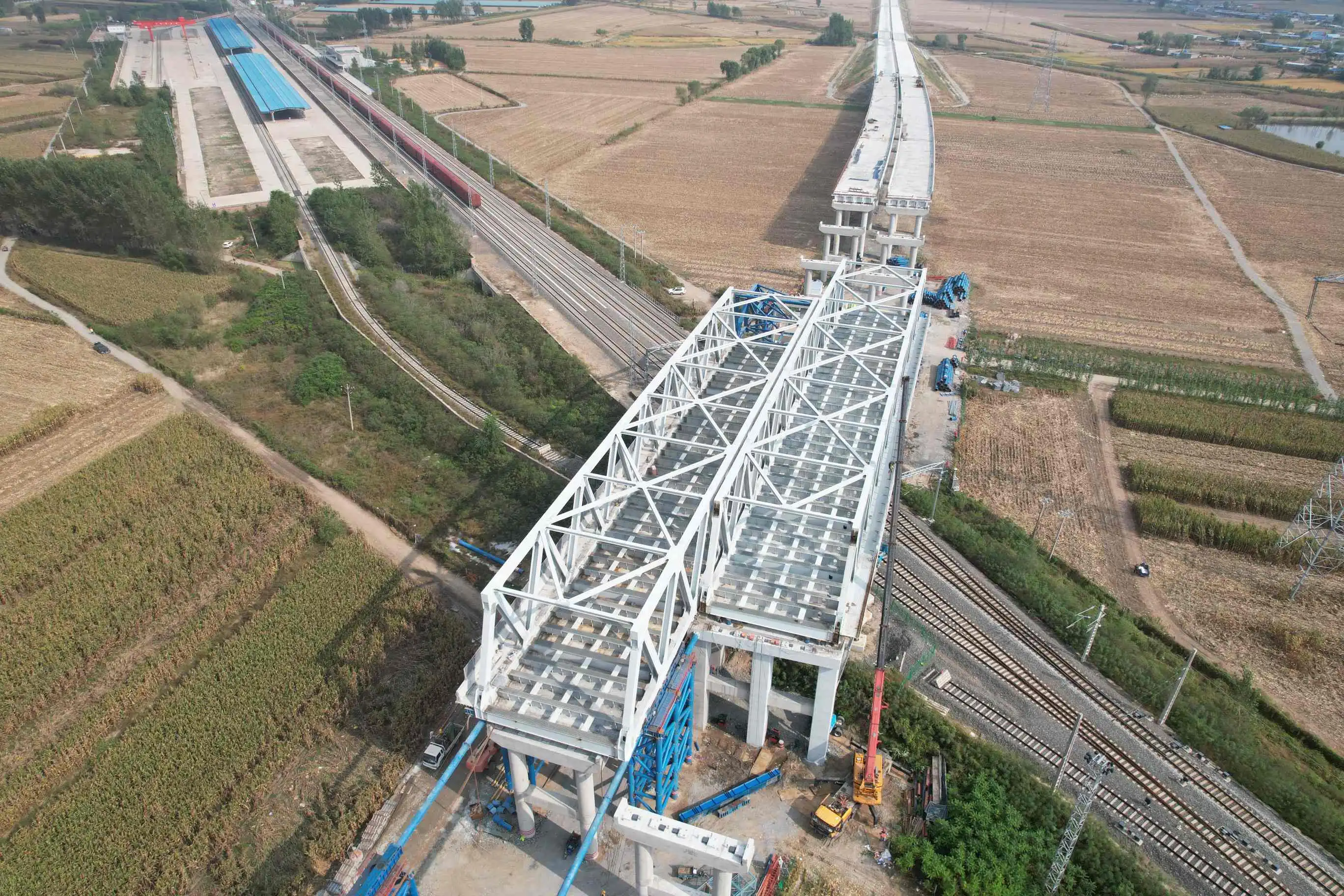
Heavy cars, environmental strains, and changing loading conditions are all things that constantly put pressure on transportation systems. In these conditions, truss girder assemblies work very well because they are very rigid without being too heavy. If you design your truss system well, it can hold loads of more than a few thousand tons and still stay structurally sound across span lengths that would be hard for other designs to do.
There are clear benefits for building that come from this good strength-to-weight ratio. Lighter structural parts make it easier to move them, require less power from the crane during installation, and speed up the time it takes to finish a project. Contractors working on bridges or elevated roads like how quickly prefabricated truss sections can be put in place. This keeps traffic moving and cuts down on the costs of labor that come with long construction periods.
Modular Construction and Assembly Efficiency
Modern methods for making things allow companies to make standard truss parts that fit together perfectly when they are put together in the field. Using modules instead of bricks or blocks changes the way construction is done and lets teams build complicated structures in a lot less time than before. Prefabrication also improves quality control because it allows for more thorough inspections and more precise production in the plant than when it is welded and put together on-site.
Zhongda Steel uses advanced BIM-driven prefabrication technology to make truss girder parts that are perfectly aligned during installation, with tolerances of ±0.2mm. This level of accuracy cuts down on field adjustments and gets rid of the costly delays that come from parts not working together. Our factory covers an area of 120,000 m² and makes consistent, high-quality structural parts that meet the strict requirements of foreign transportation projects.
Comparing Steel Truss Girders With Alternative Solutions
Performance Against Concrete Girders
Concrete girders have been used for a long time in transportation structures, but they have some problems that become clear when they are used for heavy-duty tasks. Concrete buildings have a lot of dead weight, which means they need strong supports and can't be as long as other structures. They also want longer curing times during construction, which makes project timelines longer and makes weather-related delays more likely.
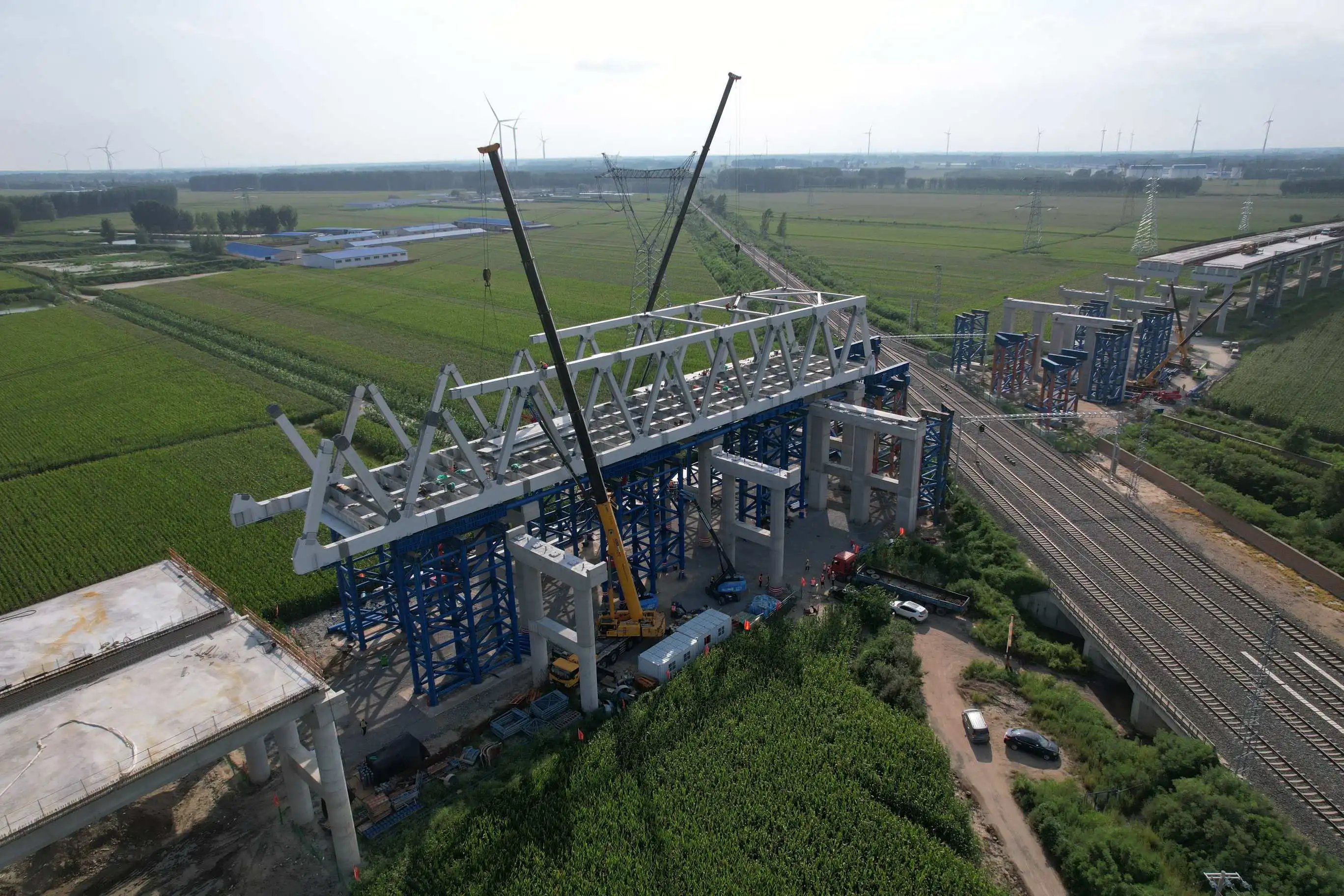
These problems can be solved by truss girder assemblies, which have better load distribution and less self-weight. A 100-meter-long steel truss usually weighs 40–60% less than a similar concrete structure that holds the same amount of weight. This weight advantage saves money on base costs and lets buildings go up in places where bigger ones wouldn't work because of the soil. Also, steel is naturally flexible, which makes it better for use in earthquakes. This means that buildings can bend when the ground moves instead of breaking in huge pieces.
Advantages Over Standard I-Beams
I-beams made of rolled steel work well for many structural uses, but they can't be used for long spans of heavy-duty infrastructure. As the width needs to be increased, solid beams become too heavy and expensive to use, and they can't be customized in the way that complex transportation projects often need.
Truss configurations get around these problems by strategically placing material along stress lines. This makes load paths that are more efficient than those made by solid beams. This way of thinking about design lets engineers choose deeper structural shapes without making the structures heavier. This lets them get span-to-depth ratios that meet the needs for the most space under bridges and overpasses. The open-web design also makes it easier for utilities to run because pipes and conduits can go through the building without needing extra space below.
Durability Compared to Composite Materials
Some new infrastructure is made of hybrid materials that promise a long life with no upkeep. These new ideas have promise, but they don't have the track record of success or the low cost of repair that steel does. It can be hard to figure out how damaged a composite structure is because the damage may not be visible until the structure fails. Repair methods also need specific knowledge and supplies that aren't always easy to find.
Steel Truss Girders give structures clear behavior that engineers fully understand. Visual checks are a reliable way to find problems before they get worse, and the standards for fixing things are well known across the business. Zhongda's -60°C Weathering Steel Anti-corrosion Technology greatly increases the service life of structures, making sure they stay strong even in harsh marine or industrial settings where corrosion usually speeds up the breakdown process.
Engineering and Construction Considerations for Steel Truss Girders
Paying attention to the design specifications, fabrication standards, and assembly procedures of a Steel Truss Girder is necessary for truss systems to work well. When buying teams understand these technical aspects, they can work better with makers and contractors to complete projects.
Load Capacity Calculation and Design Parameters
For truss design to be safe and work well, it needs to start with an accurate load analysis. Engineers look at a number of different loading scenarios, such as dead loads from the structure itself, live loads from traffic, environmental forces like wind and earthquakes, and dynamic loads from moving vehicles. Advanced finite element analysis software simulates how forces move through truss members, finding areas of high stress and making sure that each part has enough safety gaps.
The choice of material has a big effect on the load ability. High-strength steel grades make structures lighter without lowering their performance, and weathering steel types don't need to be painted as often, which is helpful in many situations. Our engineering team works closely with clients to choose materials that meet the needs of the project, whether that means standard structural grades or alloys made for harsh environments with high temperatures or corrosion.
Fabrication Quality and Precision Manufacturing
The manufacturing tolerances have a direct effect on how well and how efficiently structures are put together in the field. Precision cutting, drilling, and welding make sure that parts line up correctly during assembly, eliminating any gaps that might weaken the joint or need expensive changes to be made in the field. Zhongda uses ultra-thick plate cutting technology to keep the accuracy at ±0.2mm, making parts that fit together perfectly no matter how complicated they are.
In addition to making sure that measurements are correct, quality control includes certifying materials, inspecting welds, and applying protection coatings. Our ISO 9001/14001/OHSAS 45001 and EN 1090 certifications show that we are committed to manufacturing standards that are known around the world. Before leaving our facility, every truss component goes through a thorough inspection. This gives customers confidence that the products they receive will always meet their needs.
Transportation and Installation Logistics
The logistics of moving large truss sections from factories to job sites are tricky and need to be carefully planned. The sizes of the parts have to take into account things like road clearances, bridge limits, and entry issues to the site. These problems can be fixed with modular design, which separates buildings into movable pieces that can be put together in the field.
Depending on the needs of the project, erection methods can range from placing the structure with a crane to launching it one piece at a time for bridge construction. Our engineering team gives contractors thorough erection plans and technical help during the installation process to make sure they understand the right way to put things together and connect them. This collaborative approach lowers the risks of installation and helps projects stick to tight schedules.
Procurement Insights: Buying and Working With Steel Truss Girders
Getting truss girder systems is more complicated than just picking a supplier and placing an order. To do strategic procurement, you need to look at what manufacturers can do, figure out what causes costs to go up or down, and build relationships that help the project succeed.
Evaluating Manufacturer Capabilities and Certifications
There are some steel manufacturers who don't have the technical knowledge and tools to make precise trusses. People who work in procurement should make sure that potential suppliers have the right certifications, quality management systems, and a history of success with transportation infrastructure projects. The capacity of a manufacturer's building affects shipping times and production plans, especially for big projects that need a lot of materials.
Cost Factors and Budget Planning
When buying truss systems, the total cost of the project depends on a number of factors. The prices of raw materials change with the global steel market, and the difficulty of the manufacturing process affects the costs of workers and tools. Logistics costs are affected by how far things have to be shipped, and needs for custom engineering can make design times longer and cost more.
Manufacturers with a lot of experience can help customers deal with these cost issues by suggesting value engineering solutions that keep performance high while lowering costs. Sometimes specifying different grades of steel or changing the details of connections can save a lot of money without affecting the strength of the structure. When buying teams and sellers talk openly about design development, these chances are often found before production starts.
Custom Fabrication and Lead Time Management
Standardized designs aren't often used for transportation infrastructure. Custom planning and construction are usually needed because each site has its own conditions, span needs, and loading requirements. Customization changes project timelines because manufacturers need enough time for engineering, getting materials, building, and checking the quality before sending the finished product.
Planning buying activities early on in the development of a project helps make sure that the supply of materials matches the plan for building. We help our clients set reasonable delivery dates that allow for engineering changes, approvals of permits, and the order of fabrication. Our BIM-driven design process lets us make quick changes to designs and lets customers see what the buildings will look like before they are built. This lowers the risk of making changes that cost a lot of money during production.
Making the Optimal Choice: Why Steel Truss Girders Are Ideal for Heavy-Duty Transportation Projects
Investing in transportation infrastructure requires a lot of money and will have effects on performance for decades. It is important to think about both short-term building issues and long-term operational issues when choosing structural systems that will provide stable long-term service while keeping lifecycle costs low.
Lifecycle Cost Advantages and Maintenance Requirements
The initial costs of building infrastructure are only a small part of the total costs. Lifecycle costs include ongoing maintenance, regular inspections, and the cost of fixing up or replacing something at some point. Long-term costs are kept to a minimum with steel truss systems because they are naturally durable and don't need much upkeep.
When built right and kept safe, steel structures usually last 75 to 100 years with little maintenance. Our weathering steel formulas create stable oxide layers that stop increasing rusting. This means that they don't need to be painted as often as steel options that are housed in concrete. Visible structure parts make inspections easier because maintenance teams can look at the situation without having to use special tools or do damaging tests. When repairs are needed, welding and bolted connections are cost-effective ways to do them using items that are easy to find and standard building tools.
Performance Under Extreme Conditions
Heavy-duty transportation corridors often go through tough environments with changing temperatures, corrosive air, or earthquakes that could damage the structures. In these tough situations, truss girder designs show that they are very strong. Steel's mechanical properties stay the same at a lot of different temperatures, so it works well in both cold places like the Arctic and hot places like the desert.
The -60°C Weathering Steel Anti-corrosion Technology from Zhongda is designed to protect structures better in harsh environments like coastal areas, industrial districts, and cold climate regions. We have experience making parts for Russian Arctic bridges, which shows that we can come up with answers for even the worst working conditions.
Future-Proofing Transportation Infrastructure
Adaptability and sustainability are becoming more and more important in infrastructure planning. Modern truss designs are better at adapting to changes in the future than solid concrete options. With steel frames that can be changed by welding or bolting, you can add utility attachments, make decks wider, or make structures stronger to handle more weight.
Steel is also a good choice when it comes to sustainability. Because the material can be recycled over and over again without losing any of its quality, buildings that have reached the end of their useful life can be used to build new ones instead of filling up landfills. Manufacturing innovations keep making steel production more efficient and lowering carbon footprints. For example, lightweight high-strength metals save materials, which directly lowers the impact on the environment.
Conclusion
Steel Truss Girder systems are the best way to build heavy-duty transportation structures because they are more cost-effective, last longer, and can hold more weight. Their reliable performance in a wide range of settings, from highway bridges to rail transit buildings, makes procurement professionals and engineers trust them. Due to its strength, adaptability, and ease of maintenance, truss technology is the best way to solve today's transportation problems. Project partners can make sure that infrastructure investments last for decades while staying within budget and meeting sustainability goals by working with experienced makers who are dedicated to quality and new ideas.
FAQ
How Do Engineers Determine Load Capacity for Specific Projects?
Load capacity calculations take into account many things, such as the properties of the material, the size and shape of the members, the connections, and different loading scenarios. Engineers use well-known design codes, such as AASHTO or Eurocode standards, and add safety factors that take into account how materials change over time and how stress levels can change without warning. Computer modeling checks the accuracy of estimates done by hand by simulating how a building will behave under different combinations of loads. Truss designs evenly spread forces, which lets you accurately figure out the structure's capacity based on the needs of the project.
What Total Cost Differences Exist Between Steel Truss and Concrete Options?
At first, direct material cost comparisons show that concrete is cheaper, but a full lifetime study usually shows that steel is better. Faster construction cuts down on financing costs and delays in getting paid. Foundations for lighter buildings need to be less expensive. Over decades, lower upkeep costs more than make up for higher original investments. Span length, site accessibility, and weather conditions are just a few of the project-specific factors that affect cost calculations. For correct comparisons, it is necessary to do a thorough analysis.
Can Manufacturers Customize Designs for Unique Requirements?
One of the best things about steel truss systems is that they can be customized. Manufacturers often come up with solutions that meet specific needs like span lengths, load profiles, clearance limits, and visual tastes. Modern manufacturing tools are good at working with complicated shapes, and they make it possible to make changes that are more cost-effective than casting in concrete. This adaptability helps projects get around problems with the site while also making the structure work best for its intended purpose.
Partner With Zhongda Steel for Your Truss Girder Solutions
Heavy-duty infrastructure projects around the world are handled by Zhongda Steel, which has 20 years of specialized experience. As a widely certified Steel Truss Girder maker with ISO 9001/14001/OHSAS 45001 and EN 1090 certifications, we provide precision-engineered structural solutions that meet the strict needs of transportation facilities, bridges, and industry uses. Our advanced manufacturing skills and BIM-driven design process make sure that parts arrive at the job site ready to be installed without any problems. This keeps your project on schedule and on budget. We want procurement managers, engineers, and contractors to talk to us about how our technical knowledge and manufacturing capabilities can help you build your next piece of infrastructure. Email our team at Ava@zd-steels.com to talk about your project needs and find out why companies like China Railroad and BMW trust Zhongda for high-quality structural steel. You can look at our list of projects and technical skills at zd-steels.com.
References
1. American Association of State Highway and Transportation Officials (AASHTO). LRFD Bridge Design Specifications, 9th Edition. Washington, D.C.: AASHTO, 2020.
2. Salmon, Charles G., and John E. Johnson. Steel Structures: Design and Behavior, 5th Edition. Upper Saddle River, NJ: Prentice Hall, 2008.
3. European Committee for Standardization. Eurocode 3: Design of Steel Structures – Part 2: Steel Bridges. Brussels: CEN, 2006.
4. Connor, Robert J., et al. Manual for Design, Construction, and Maintenance of Orthotropic Steel Deck Bridges. Federal Highway Administration Publication No. FHWA-IF-12-027, 2012.
5. Kulak, Geoffrey L., John W. Fisher, and John H. A. Struik. Guide to Design Criteria for Bolted and Riveted Joints, 2nd Edition. Chicago: American Institute of Steel Construction, 2001.
6. Galambos, Theodore V., and Andrea E. Surovek. Structural Stability of Steel: Concepts and Applications for Structural Engineers. Hoboken, NJ: John Wiley & Sons, 2008.
YOU MAY LIKE