
Why Are Power Plant Steel Structures Used for High-Temperature Industrial Environments?
2026-08-26 13:00:01






Power Plant Steel Structure solutions dominate high-temperature industrial environments because they deliver unmatched thermal stability, mechanical strength, and operational longevity. Unlike traditional concrete frameworks, steel maintains structural integrity when exposed to extreme heat cycles, thermal expansion stresses, and dynamic equipment loads. These engineered frameworks support critical infrastructure—from turbine halls operating above 500°C to boiler suspension systems enduring constant thermal fatigue—while enabling rapid installation and future modifications. This adaptability makes steel the backbone of modern energy facilities.
Understanding Power Plant Steel Structures and Their Role in High-Temperature Settings
Industrial power generation needs structural systems that can work consistently in situations that would damage less durable materials. Specialized steel frames are being used more and more in thermal power plants, combined-cycle facilities, and renewable energy systems to deal with these problems.
Core Material Selection for Extreme Conditions
Steels with a high strength-to-weight ratio, like Q355B and ASTM A572 Gr.50, are used to build these buildings. These grades have yield strengths higher than 355 MPa and can still be welded because their carbon equivalent values are kept below 0.45%. The mix of chemicals makes sure that the performance stays the same at all temperatures, from room temperature to long-term exposure above 400°C. Material traceability through Mill Test Certificates checks mechanical qualities like tensile strength, elongation rates, and impact toughness. These are all factors that have a direct effect on practical safety margins.
Structural Configuration Advantages
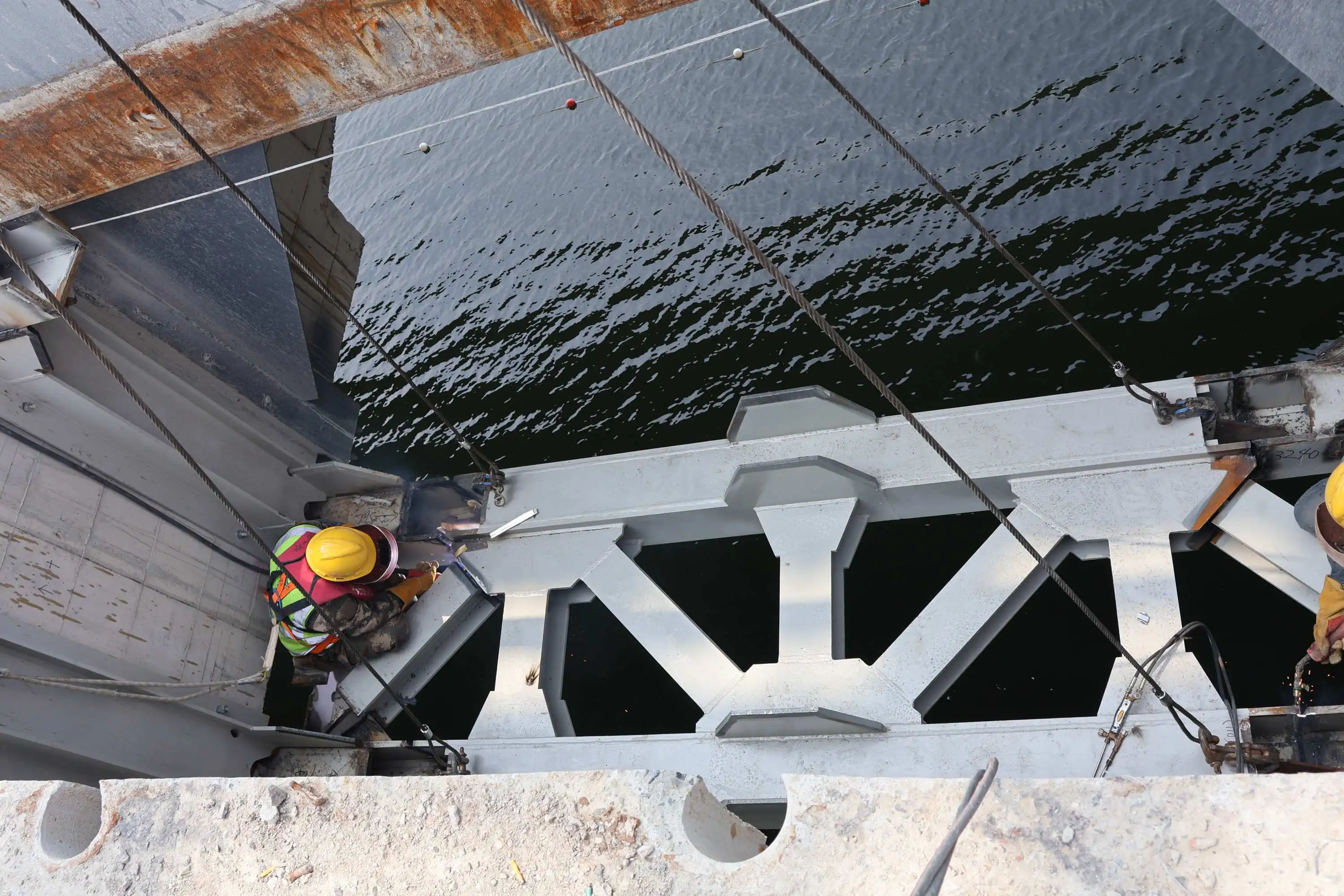
Modular steel systems, frame assemblies, and truss configurations make use of space efficiently and give you options for how to distribute loads. Through BIM-driven analysis, the column grid sizes and beam height-to-span ratios are made the best they can be. This makes sure that the dead loads from fixed equipment, the live loads from maintenance work, and the environmental loads from wind and earthquakes are all properly taken into account. Precision engineering like this cuts down on waste while increasing clear span, which is important for housing turbines and generators that need clear space to work.
Compliance with International Design Standards
Following the ASME Boiler and Pressure Vessel Code, Eurocode 3 for steel structures, and AISC 360 specifications makes sure that connection details, load-bearing calculations, and thermal expansion joints all meet strict safety standards. These rules require certain design factors for high-temperature uses, such as measures for thermal fatigue cycling and creep resistance that can't be met by concrete buildings.
When procurement managers and project engineers understand these scientific basics, they can see why steel frames always work better than other options in power plants around the world.
Why Steel Outperforms Other Materials in High-Temperature Industrial Environments
Steel is better than other materials used in power plants because it has measurable performance characteristics that have a direct effect on operational reliability and lifecycle economics.
Thermal Performance Comparison
Steel's ability to conduct heat evenly across Power Plant Steel Structure members keeps stress from building up in one place, which is what causes concrete to crack. When there are temperature differences of 200°C between the inside and outside of a boiler building, the steel's flexibility allows it to expand without breaking. Alternatives to concrete need pricey expansion joints and can't hold as much weight at temperatures above 300°C. On the other hand, properly selected steel alloys used in Power Plant Steel Structure can retain 85% of their strength at 400°C.
Dynamic Load Resistance
In power plants, there is spinning equipment that causes constant shaking and shock loads sometimes when the plant starts up and shuts down. The elastic stiffness and damping properties of steel make it good at absorbing these dynamic forces. We use high-strength friction grip bolts and specialized bracing systems to stop fatigue failure, which happens a lot when machinery vibrates 24 hours a day, seven days a week for decades. Because concrete has a lower tensile strength, it can crack when loaded and unloaded in the same way.
Maintenance and Longevity Strategies
In high-temperature, corrosive conditions, modern coating techniques make steel structures last longer than 50 years. For marine-grade protection with C5-M, the surface is sandblasted until it meets Sa 2.5 cleanliness standards. This is followed by zinc-rich primers, epoxy intermediate coats, and polyurethane topcoats that have a dry film thickness of 250 to 320 microns. Hot-dip galvanizing according to ISO 1461 gives parts that are exposed to water and changing temperatures extra protection. Regular inspections that use ultrasonic testing, magnetic particle examination, and visual assessments can find early signs of degradation, allowing preventative actions that concrete structures can't easily handle.
Case studies from thermal plants in Southeast Asia and coal-fired plants in North America show that steel frameworks work effectively after 40 years or more of planned maintenance, while similar concrete buildings needed major reinforcement within 25 years.
Procurement Considerations for Power Plant Steel Structures
When looking for the right steel frame maker, you need to look at more than just their basic fabrication skills.
Certification and Quality Assurance
Quality management standards like ISO 9001, environmental compliance standards like ISO 14001, and execution standards like EN 1090 are the bare minimum that respectable providers must meet. Following AWS D1.1 standards for welding procedure qualifications protects joint integrity under high stress. We make sure that potential partners keep detailed Inspection and Test Plans that include checking the material, following non-destructive testing protocols, and using total station surveying equipment to make sure that bolt hole alignments are within ±2mm of accuracy.
Manufacturing Capacity and Technical Expertise
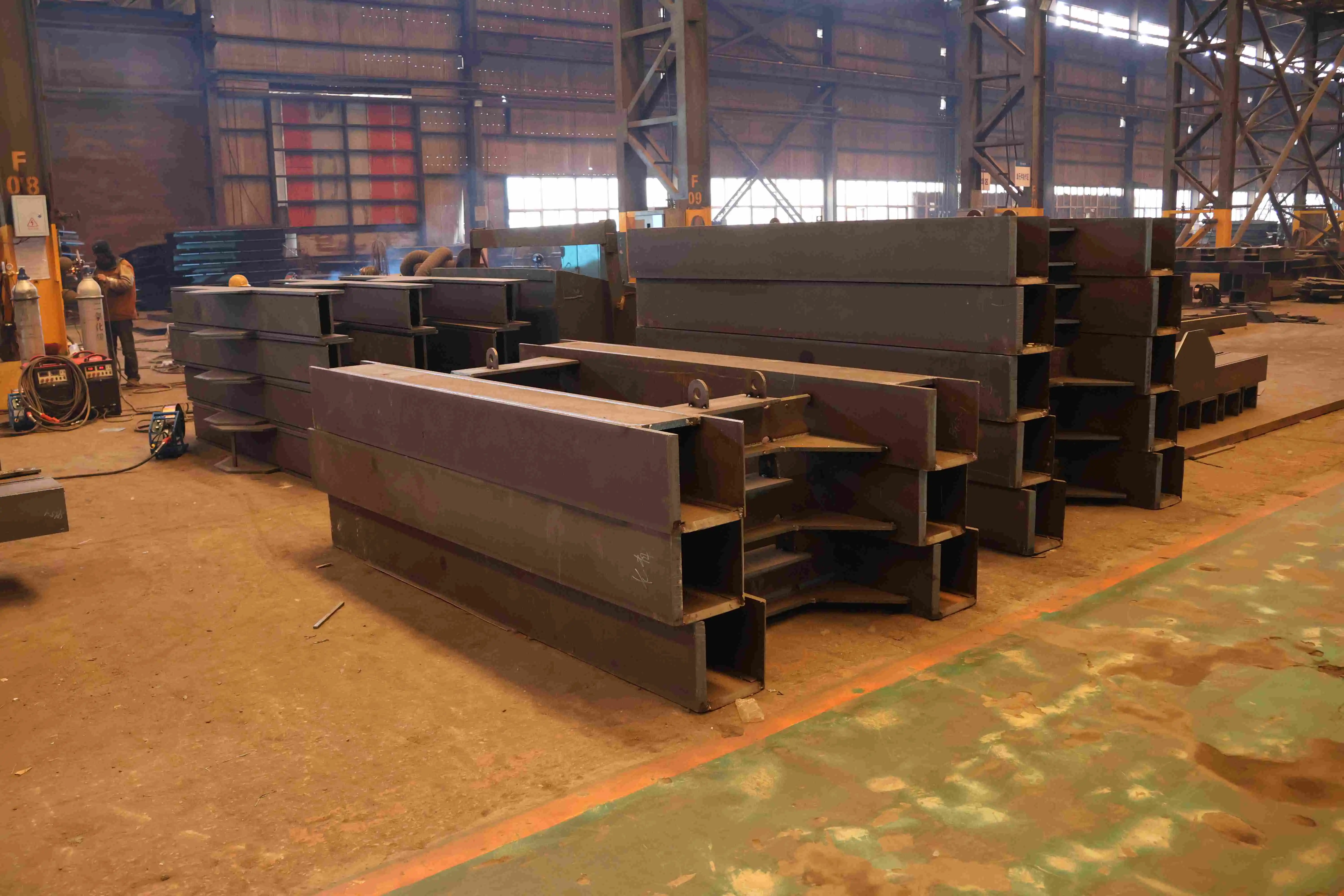
Complex connections can be made in factories that have ultra-thick plate cutting systems that can achieve ±0.2mm accuracy. Annual production capacity should match project release dates. For mid-sized manufacturers, this means being able to handle multiple projects at the same time. During the design improvement phases, it is helpful to have engineering teams with advanced titles who know how to use BIM tools, do finite element analysis, and connect digital twins.
Project Lifecycle Support
The procurement process includes answering questions, giving technical advice, doing detailed engineering, overseeing the fabrication process, coordinating logistics, and providing on-site installation support. Full-service manufacturers respond quickly to changes in the plan and give technical support during the building stages. This unified method lowers the risks that come up when the design, manufacturing, and construction teams work together. These risks are a common reason why complex power plant projects run behind schedule and over budget.
When you look at suppliers through this wide-ranging lens, you can be sure that the needs of the project are met by the capabilities of the manufacturer, especially for specialized applications such as Power Plant Steel Structure. This delivers value by ensuring reliable execution and long-term structural performance.
Advances and Future Trends in Power Plant Steel Structures
The steel structure industry is always changing because new technologies and concerns about the environment are forcing companies to change how they do things.
Digital Design and Analysis Tools
Building Information Modeling systems let structural engineers, mechanical designers, and building planners work together on designs while sharing the same data. Digital twin technology makes virtual copies of real structures, which lets us track their performance in real time and plan their maintenance ahead of time. Simulation tools look at how loads are distributed in different working situations. They then find the best size for each part so that 15-20% less steel is used than with standard calculation methods.
Sustainable Manufacturing Practices
Because people care about the environment, more recovered steel is being used. In fact, 70–85% of structural steel made in the best plants is now recycled steel. When compared to traditional ways, manufacturing processes that use less energy cut carbon pollution by 30% per ton. Lifecycle assessments show that steel structures that are designed to be taken apart and used again have better environmental profiles than concrete structures that need to be torn down and thrown away in a landfill.
Modular Construction Methodologies
Putting together prefabricated pieces in a controlled workplace setting ensures quality and stability that can't be achieved with field manufacturing. Modular approaches shorten project schedules by 20–30%, allowing activities to happen at the same time, like preparing the site while manufacturing continues off-site. This method works especially well for expanding power plants in remote areas where it's hard to find skilled workers to use traditional building methods.
Market Dynamics and Customization
Concerns about the resilience of the supply chain lead clients to look for manufacturers who can respond to customization needs instead of standard solutions. Material sourcing strategies are affected by geopolitical factors. Diversified supply chains lower the risks that come with relying on a single source. In this situation, it's helpful for manufacturers to show that they can adapt designs, use different materials, and speed up delivery times.
These trends show that power plant projects are becoming more and more dependent on partners who are both technically excellent and creative in how they develop, build, and perform projects, especially in delivering reliable Power Plant Steel Structure solutions that meet complex engineering requirements.
Best Practices for Maintenance and Inspection of Power Plant Steel Structures
Active asset management increases the useful life of structures while keeping the practical safety margins needed for important infrastructure applications.
Scheduled Inspection Protocols
Visual checks done every three months find surface corrosion, coating wear, and connection loosening before they become structural problems. Ultrasonic thickness gauging is used during yearly technical inspections to check for corrosion rates in high-exposure areas. Critical weld joints are checked with X-rays, and thermal imaging is used to find members near boilers and exhaust systems that are damaged by heat. Keeping track of decline trends by comparing results to baseline readings helps plan maintenance budgets and decide when to step in.
Preventative Maintenance Programs
Cleaning gets rid of corrosive deposits and other contaminants that speed up the breakdown of materials. Touch-ups to the protective coating fix small problems before they get worse and expose the steel below. Bolt tensioning checks make sure that connections stay strong in places that are likely to vibrate, which stops fatigue cracks from starting. When done on set plans, these actions are much cheaper than major repairs needed to fix damage that has been ignored.
Structural Health Monitoring Systems
Continuously, sensor networks collect data on temperature, vibration, and strain and send it to central monitoring platforms. Algorithms look for strange patterns that point to new problems. These might be unexpected deflections, strange vibration frequencies, or localized heating that show that equipment isn't aligned correctly or that the structure is in bad shape. With this real-time intelligence, condition-based maintenance can be used instead of time-based plans. This makes better use of resources and increases dependability.
By using these methods, steel structures are turned from passive infrastructure into actively managed assets that provide reliable performance over long service lives.
Conclusion
Power plant steel frameworks work well in hot factories because the materials used in Power Plant Steel Structure are more durable, the designs are more flexible, and the frameworks have a longer service life. Because they remain stable at high temperatures, can withstand dynamic loads, and are easy to maintain, they offer practical benefits that concrete alternatives cannot match. As digital design tools, eco-friendly manufacturing, and modular construction techniques continue to improve, steel structures become more affordable and environmentally friendly. To ensure project success in these demanding environments where reliability directly affects energy production and economic returns, it is important to choose qualified manufacturers with comprehensive capabilities, from engineering design to long-term support.
FAQ
Why choose steel over concrete for high-temperature power plant structures?
Metals like steel keep structures together at temperatures that cause concrete to weaken and crack. Its flexibility allows for thermal expansion without the need for large expansion joints. Also, it behaves consistently under cyclic loads, which keeps it from failing from wear, which can happen when concrete is exposed to moving equipment.
What inspection frequency do power plant steel structures require?
Industry standards call for visual checks every three months and thorough technical reviews every year. Structures that are exposed to harsh corrosive conditions or that support important equipment may need full inspections every six months, which should include non-destructive testing of all welds and connections.
How long do properly maintained steel structures last in power plants?
Design service life is usually between 50 and 70 years if the right steel grades, corrosion protection systems, and maintenance schedules are used. Structures have been used reliably for more than 40 years in thermal plants, with regular coating replacements and repairs based on inspections.
What factors most influence power plant steel structure costs?
It depends on the type of material used, how complicated the assembly is, how well it needs to be protected against rust, and when it needs to be delivered. When compared to standard approaches that need to be changed in the field, custom designs that take into account the specifics of the site are usually better investments because they make better use of materials and improve the efficiency of installation.
Partner with Zhongda for Proven Power Plant Steel Structure Solutions
With 20 years of specialized knowledge, Zhongda provides engineered excellence in a wide range of demanding energy sector uses. Our BIM-driven design process improves the performance of structures, and our 60,000-ton annual capacity helps keep complicated project plans on track. We are a qualified provider of Power Plant Steel Structures with ISO 9001, EN 1090, and First-Class Steel Structure Engineering Qualifications. We can help with everything from conceptual engineering to on-site installation support. Our -60°C weathering steel technology and ultra-precision fabrication are used by big energy companies and EPC firms all over the world. Get in touch with our technical team at Ava@zd-steels.com to talk about your project needs and find out how our custom solutions can help you with your operational problems. You can read thorough case studies on zd-steels.com that show our track record in building power production infrastructure.
References
1. American Institute of Steel Construction. (2022). Specification for Structural Steel Buildings (AISC 360-22). Chicago: AISC Publications.
2. European Committee for Standardization. (2021). Eurocode 3: Design of Steel Structures - Part 1-2: General Rules - Structural Fire Design. Brussels: CEN.
3. Bjorhovde, R. (2019). Steel Structures in High-Temperature Industrial Applications: Design Considerations and Performance Analysis. Journal of Structural Engineering, 145(8), Article 04019067.
4. American Society of Mechanical Engineers. (2023). ASME Boiler and Pressure Vessel Code, Section VIII: Rules for Construction of Pressure Vessels. New York: ASME Press.
5. Kodur, V., and Naser, M. (2020). Structural Fire Engineering of Steel Structures: Theory and Practice. New York: McGraw-Hill Professional.
6. International Organization for Standardization. (2018). ISO 1461: Hot Dip Galvanized Coatings on Fabricated Iron and Steel Articles - Specifications and Test Methods. Geneva: ISO Publications.
YOU MAY LIKE