
Airport Steel Structure Design: Safety, Durability and Performance
2026-08-23 13:00:00






When we talk about Airport Steel Structure design, we're addressing one of the most demanding challenges in modern aviation infrastructure. These specialized frameworks serve as the backbone of terminals, hangars, and critical support facilities that must withstand extreme operational conditions while maintaining absolute safety standards. Unlike conventional building systems, airport steel frameworks require precise engineering that accounts for massive clear spans, dynamic load variations, and stringent regulatory compliance. The design philosophy centers on three non-negotiable pillars: uncompromising safety protocols that protect both people and high-value aircraft, exceptional durability to resist environmental degradation over decades, and performance optimization that balances structural integrity with construction efficiency. Getting these elements right isn't just technical excellence—it's the foundation for operational continuity in one of the world's most critical transportation sectors.
Understanding Airport Steel Structures: Key Concepts and Benefits
The flight industry needs structural answers that are hard to get from normal materials. Due to its unique mix of strength, flexibility, and ease of fabrication, steel is clearly the best choice for Airport Steel Structures.
What Makes Airport Steel Different from Standard Steel Buildings?
Airport frames have to work in situations that are much harsher than those found in most businesses and factories. The structures we're talking about have to hold loads that range from light repair tools to wide-body planes that are fully loaded and weigh hundreds of tons. Modern hangars often need clear interior spaces that are more than 80 meters long to fit planes with wingspans that are close to 70 meters. Just meeting the clear span requirements is a huge engineering challenge. This calls for special types of steel, such as Q355B and ASTM A572 Gr. 50, which have better breaking strength and tensile strength. When choosing a material, it is also important to look at its impact toughness, which is important in seismic zones, and its elongation qualities, which let it bend without breaking.
Cost-Efficiency and Sustainability Advantages
In addition to being strong, steel is also very cost-effective over the course of a project's life. When compared to cast-in-place concrete options, prefabrication in controlled factory settings cuts down on building time on-site by 40 to 50 percent. This shorter timeline directly leads to earlier working ready and making money. The material's high strength-to-weight ratio means that it doesn't need as much of a foundation. This is especially helpful in places with bad soil where deep piling would be too expensive. Steel is 100% recyclable, which meets more and more environmental requirements. When an airport grows or gets fixed up, old steel members can be reused or recycled without losing any of their quality. This supports the circular economy principles that are becoming more and more important in public infrastructure bids.
International Standards Compliance
Airport projects have to meet strict licensing requirements that are different in each area but all focus on safety. ISO 9001 quality control systems make sure that production methods are always the same, and EN 1090 certification makes sure that the work on structural steel meets European standards that are now used all over the world. In the US, it is still required to follow AISC specs and ASTM material standards. According to NFPA 409, fire resistance ratings tell us how to protect hangar structures. Our wide range of certifications, such as ISO 9001/14001/OHSAS 45001 and EN 1090, shows that Zhongda can handle these tricky regulatory environments. This gives purchasing teams peace of mind that the structures we deliver will meet both local rules and best practices from around the world.
Ensuring Safety in Airport Steel Structure Design
When it comes to flight equipment safety, there are no compromises. Every choice about Airport Steel Structure design affects people's lives and things worth billions of dollars.
Load-Bearing Calculations and Structural Integrity
Load modeling that is correct is the basis of safe design. All structural members, roofing systems, mechanical equipment, and permanently installed fixtures are considered dead loads because they weigh their own weight. Live loads are very different depending on the function. For example, the landing gear of an airplane puts a lot of weight on the floor slabs of a hangar, while repair workers and their tools are on the roofs of terminals. The environmental loads are the most unknown. To figure out wind loads for large surfaces that are exposed to the elements, you need to use computational fluid dynamics analysis to see how pressures are distributed across complicated shapes. When snow builds up on curved roofs, it causes uneven loading that normal models don't take into account. When designing airport buildings in busy seismic zones, it's important to use ductile details that let energy escape thru controlled plastic hinging instead of rigid failure.
The design team at Zhongda uses advanced finite element analysis software to model all of these load combinations at the same time for an Airport Steel Structure, helping them find stress concentrations and the best member sizes to keep safety factors above 1.5 in the worst-case scenarios.
Fire Resistance and Emergency Response Features
Because steel conducts heat well, it needs proactive fire protection measures. When intumescent coatings are heated, they grow and create an insulating char layer that keeps the steel temperature below critical levels for one to three hours, based on the needs of the application. Other options are to cover the beams with fire-resistant gypsum board or use fireproofing materials that are sprayed on. When terminals are designed, they use compartmentalization techniques to keep fires from spreading and keep exits open. Structure duplication makes sure that damage in one area doesn't cause the whole structure to fall down.
Seismic and Wind Resistance Engineering
The most dangerous things that can happen to structures are high winds and earthquakes. Moment-resisting frame systems or braced frame setups are used for wind-resistant design in open airport areas, based on the needs of the architecture. Details of connections are closely looked at. For example, fixed connections must be able to withstand both shear and tension forces without slipping, and ultrasonic tests must be used to check that welded connections have full penetration welds. The philosophy behind seismic design says that buildings will deform in ways that aren't elastic during big events, but they must not fall down. Base isolation systems and damping devices lower the amount of force that gets transferred to the superstructure. This is especially helpful for hangars that protect planes that can't leave during earthquake warnings.
Durability and Maintenance: Maximizing Lifespan of Airport Steel Structures
When you invest in airport infrastructure, you expect Airport Steel Structures to last for at least 50 years. To do this, you need to know how things break down and put protective measures in place.
Corrosion Protection in Harsh Environments
The places where airports are usually found are near the coast or in areas with harsh weather. Corrosion is sped up by salt spray, high humidity, and changing temperatures, which can make members thinner and weaken the structure. Zhongda's own -60°C Weathering Steel Anti-corrosion Technology protects very well by using many layers of barriers. Hot-dip galvanizing puts on zinc layers that are thicker than 600g/m² and corrode before the base steel does. Marine-grade epoxy primer systems and polyurethane topcoats make barriers that can't be broken down by UV light or chemicals. The choice between protection systems is based on the original cost, the frequency of upkeep, and the economics over the whole life of the system.
Inspection Protocols and Predictive Maintenance
Passive approaches don't extend the life of structures as much as proactive ones do. Routine inspections are based on the level of risk. For example, important load-bearing connections are inspected visually once a year and then tested non-destructively on a regular basis. These tests include magnetic particle inspection for surface cracks and radiographic study of welds. Areas with a lot of moisture need to be inspected more often to find coating breakdown before corrosion starts. Structure health tracking systems with built-in sensors that constantly measure strain, vibration, and corrosion potential are used in predictive maintenance programs. Using data analytics to find degradation trends before they happen lets you schedule repairs for times when things aren't busy so that they don't have to be done quickly, which can cause problems with operations.
Sustainable Maintenance Approaches
Environmental responsibility is becoming more and more important in upkeep choices. Traditional coating systems that use volatile organic chemicals are limited by rules, which is pushing people to use water-based and powder coatings instead. When recoating is needed, the right way to prepare the surface creates waste that needs to be thrown away properly. We suggest recycling abrasive blasting waste and choosing coating materials that have a low effect on the environment throughout their lives. When operations grow, structural changes are often made that reuse existing steel parts. This cuts down on both material use and waste while still making sure the structure is strong enough thru careful engineering analysis.
Design and Construction Approaches for High Performance
The best Airport Steel Structures are made by balancing technical needs, time constraints, and cost realities.
Prefabricated vs. Custom Design Solutions
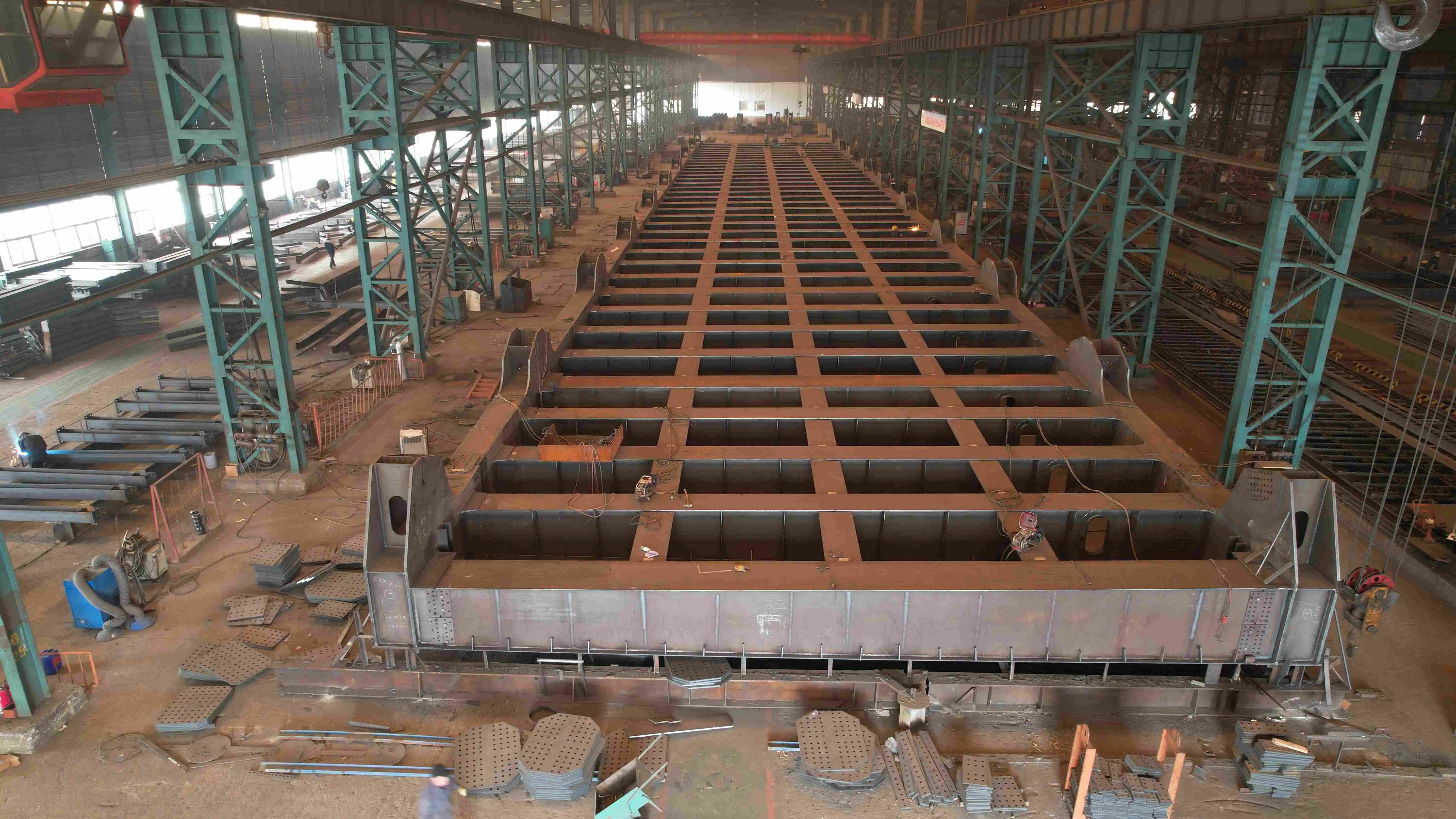
Prefabrication is the most common way to build airport structures because it allows for better quality control and faster construction, and an Airport Steel Structure from Zhongda benefits from this approach. The 120,000 m² facility that Zhongda uses to make parts has automated cutting, welding, and inspection processes that can't be done on-site. Our CNC plasma cutting equipment keeps ±0.2mm margins on very thick plates, making sure that they fit perfectly when they are set up in the field. Modular design lets you prepare the site and make things at the same time, which shortens the time it takes to finish a job. Custom design is still needed for terminals with important architecture or buildings that have to work with unusual site limits. Our BIM-driven design process combines the vision of the architect with the needs of the structure, creating coordinated 3D models that get rid of any problems before the building starts.
The main benefits that drive current steel building at airports include:
Speed of Construction: Prefabricated parts come to the site ready to be quickly put together, which cuts the time it takes to build by months compared to traditional ways. This speeding up is especially helpful for airport expansion projects that need to be phased so that they don't affect operations too much.
Quality Assurance: Factory-controlled fabrication lets strict quality checks happen, like checking all the dimensions, inspecting the welds, and applying a protected coating in the best circumstances. This consistency is better than field construction quality, which has flaws because of things like bad weather, limited access, and different crews.
Design Flexibility: Steel's high strength lets architects create new shapes that weren't possible before. Long-span roof trusses make airport areas without columns, which improves the customer experience. Precise manufacturing methods also make it affordable to build curved shapes.
Structural Optimization: High-tech analysis software finds the best way to distribute materials so that they don't add too much weight and there are still enough safety gaps. By choosing steel types that are right for the stress levels and tapering members to match the load distribution, you can save money on materials without sacrificing performance.
Project Workflow: From Concept to Completion
Airport projects that go well use organized processes to make sure that everyone is on the same page throughout the development process. The project's scope, operational needs, and budget are all set during the initial consultation. In conceptual design, different structural systems are looked at and judged by how well they meet useful goals and how much they cost. Value planning at this stage can save you the most money. Detailed design creates construction documents that meet building code standards. These documents include calculations, models, and specs. Thru BIM tools, our team works together with architects, MEP engineers, and specialty experts to clear up any digital issues that may come up.
Fabrication planning makes the best use of materials and schedules production to help with logistics for putting things together. Zhongda can handle tight project schedules without sacrificing quality thanks to its 60,000-ton annual capacity. Engineered sequences are used for field erection to make sure stability at every stage of construction. We oversee the construction process and work with workers to quickly fix problems in the field. Final inspections make sure that the design purpose and contractual duties have been met.
Balancing Weight and Load Requirements
Every kilogram of steel adds to the cost of building materials, transportation, base planning, and tools for putting the structure together. To get the best balance, you need to know how the loads and stresses are distributed. Heavy pieces or higher-strength steel types are used in areas with a lot of stress, while the smallest sizes are used in areas with little stress. Using steel beams and concrete slabs together in composite construction makes the most of the best qualities of each material. Steel can resist tensile forces, and concrete can compress and diaphragm. The form of the connections has a big effect on the general weight. Moment connections need a lot more support than simple shear connections, which affects the choice of frame configuration. Our design theory aims for beautiful efficiency, which means building structures that do their job with the least amount of material possible by using smart engineering instead of overly conservative design.
Procurement Guidance for Airport Steel Structures
Selecting the right partner determines whether your airport project succeeds or becomes a cautionary tale. When making a procurement choice for Airport Steel Structures, you need to look at more than just the lowest bid price.
Evaluating Steel Structure Suppliers
When evaluating a supplier, you should look at more than one aspect of their abilities. The ability to meet project deadlines depends on the manufacturing capacity—facilities must be able to handle the required tonnage within the time constraints while maintaining quality. The complexity of production tools has a direct effect on how well and precisely it works. Zhongda's advanced welding robotics and automated assembly lines make it possible to achieve consistency that can't be achieved by hand. For airport structures that are very complicated, engineering knowledge is very important. Our team of more than 100 highly skilled professionals with advanced technical credentials has a lot of experience with aviation infrastructure and knows how to meet operational needs and follow regulations in a way that other teams don't. Look at finished projects that were similar in size and difficulty, and ask clients for references to back up promises of success.
Certification Verification and Quality Assurance
Checking the paperwork should prove that the company has ISO 9001 quality management certification, which shows that they have structured process control. EN 1090 approval is very specific about how to build structures out of steel, including checking welding processes, inspection routines, and systems for keeping track of materials. Occupational health and safety certification (OHSAS 45001, now ISO 45001) shows a dedication to worker safety that fits with a mindset of quality. Ask for material test certificates that say the chemical make-up and mechanical properties of the steel meet the required grades. Welding procedure specifications and welder qualifications make sure that connections are as strong as they are supposed to be. Third-party inspection services are helpful for foreign projects that are hard to keep an eye on directly because they provide independent proof.
Understanding Pricing Models and Service Packages
Pricing usually follows one of a few types. Design-only contracts give the client engineered plans and specs, but they don't have to pay for fabrication or installation. This method works best for experienced developers who already have good relationships with contractors. Design-build packages make it easy to keep track of who is responsible for what by giving engineering, fabrication, and installation all to the same company. For clients who want full service, turnkey options include permits, base work, steel structure, and building envelope integration. Being clear about prices is very important. It is possible to make useful comparisons between providers when the prices of materials, fabrication, surface treatment, transportation, and installation are broken down in great detail. When bids are low at first, hidden costs often show up during execution, which drives up the total cost of the project.
Conclusion
Airport Steel Structure design is a very specialized area of engineering that needs constant attention to safety, durability, and performance improvement. Extreme load conditions, huge clear spans, and decades of service life in tough settings are just some of the tough conditions that modern aircraft frameworks have to deal with. Because of its special features, steel is the best material for any job, as long as the design and construction meet very high standards. When evaluating suppliers, procurement teams should put an emphasis on a wide range of skills, such as advanced engineering knowledge, certified manufacturing processes, and track records of successfully completing projects. The details—precise manufacturing, strict quality control, and proactive maintenance planning that stretches the lifespan value while ensuring complete safety—make the difference between good and great structures.
FAQ
What are the typical lead times for airport steel structure projects?
Project timelines depend on how complicated and heavy the structure is, but for prefabricated Airport Steel Structures, it usually takes 12 to 18 weeks from the time the design is approved until the structure is finished being built. This includes detailed engineering, getting the materials, making the thing, and treating the outside. Add 8–16 weeks for on-site building, based on the size of the structure and the conditions of the site. Zhongda can handle up to 60,000 tons of cargo every year, which lets us meet tight deadlines and keep up the quality standards that unique projects need.
How do airport steel structures perform in extreme weather conditions?
When designed with the site's conditions in mind, airport steel frames that are properly built work well in harsh conditions. To withstand hurricane-force winds, designs that are wind-resistant use aerodynamic profiling and strong link shaping. In northern regions, snow load measures stop breakdowns caused by accumulation. Extreme temperatures are dealt with by choosing the right materials. For example, our weathering steel formulations stay flexible at temperatures as low as -60°C, which is very important for installations in the Arctic and subarctic. Protective coating methods keep things from rusting in seaside areas by blocking UV damage, salt spray, and humidity.
Can existing airport steel structures be expanded or modified?
The original design and the current state affect whether or not an expansion is possible. Additions can often be made to well-kept buildings that have written records of their material qualities and connection details. This is usually possible with careful engineering study. We do structural studies that look at things like leftover capacity, link quality, and how well old and new materials work together. Phased growth is especially easy with modular steel building because connection points can be built into the first installations. Zhongda offers full review services to find out if changes are possible and to come up with ways to apply them so that construction doesn't affect operations too much.
What maintenance requirements do airport steel structures have?
The amount of maintenance needed depends on the environment and the protective systems that are used. Visual inspections should be done once a year to check the condition of the coating, the strength of the connections, and the drainage system's ability to work. Every three to five years, you should do thorough checks that include non-destructive checking of important connections. Depending on the quality of the first coating, coastal installations need to be recoated more often, usually every 12 to 15 years. When buildings are inside climate-controlled areas, they don't need much maintenance other than being cleaned every so often. We offer custom maintenance planning services for each project, figuring out the best times for inspections and repairs to get the most out of the asset's lifecycle value while always meeting safety standards.
Partner with Zhongda for Your Airport Steel Structure Needs
As a reliable Airport Steel Structure manufacturer, Zhongda provides well-thought-out engineering solutions for airport building projects all over the world. We've been experts in building complicated steel frameworks since 2004. These frameworks need to have very long clear spans, strong load resistance, and be certified to meet international standards. Our 120,000 m² factory uses advanced fabrication technology and BIM-driven design methods to keep crucial parts within ±0.2mm of their original dimensions. The special -60°C Weathering Steel Anti-corrosion Technology makes sure that the steel will work well for decades, even in tough seaside and industrial settings. Our clients trust our engineering skills for mission-critical structures, such as China Railway, CSCEC, and global flight companies. If your project needs unwavering quality, quick delivery, and full technical support, email our team at Ava@zd-steels.com or visit zd-steels.com to learn more about what we can do. We are ready to turn your vision for airport infrastructure into a working reality.
References
1. American Institute of Steel Construction (AISC). (2022). Steel Construction Manual, 15th Edition. Chicago: AISC Publications.
2. European Committee for Standardization. (2021). EN 1090-2: Technical Requirements for Steel Structures. Brussels: CEN Publishing.
3. Federal Aviation Administration. (2020). Advisory Circular 150/5320-6F: Airport Pavement Design and Evaluation. Washington D.C.: U.S. Department of Transportation.
4. Smith, J.L. and Anderson, K.M. (2019). Corrosion Protection Systems for Coastal Steel Structures: Performance and Lifecycle Analysis. Journal of Structural Engineering, 145(8), pp. 04019067.
5. Zhang, W., Chen, Y., and Liu, H. (2021). Seismic Design Optimization of Long-Span Steel Structures in Aviation Facilities. Engineering Structures, 234, pp. 111926.
6. International Organization for Standardization. (2018). ISO 12944: Paints and Varnishes - Corrosion Protection of Steel Structures by Protective Paint Systems. Geneva: ISO Standards.
YOU MAY LIKE