



Breeding Shed Structures for Modern Livestock Farming Projects
2026-10-11 13:00:01






A Breeding Shed is a purpose-built agricultural facility designed to create a controlled environment for the mating, gestation, and early rearing of livestock or poultry. Unlike general animal shelters, these structures address specific operational challenges — high neonatal mortality from thermal stress, disease transmission from inadequate biosecurity, and labor inefficiency from manual climate management. With the right structural design, a livestock breeding facility transforms unpredictable biological processes into measurable, scalable production outcomes that support long-term farm profitability.
Understanding Breeding Shed Fundamentals
What Separates a Breeding Shed from a Standard Shelter
A standard shelter for animals provides basic weather protection. A dedicated breeding facility goes even further; it controls the airflow, temperature, and light cycles, and it makes sure that biosecurity rules are followed. These functions directly affect the chances of getting pregnant, the outcome of the pregnancy, and the survival of the baby. For poultry farms, a difference of just two degrees in temperature during the brooding phase can lower hatch rates by a noticeable amount.
Species-Specific Design Applications
Structures need to respond in different ways to different types of livestock. Negative-pressure ventilation systems keep the amount of ammonia in chicken coops below 20 parts per million (ppm). To keep piglets from getting sick, pig farms need floors that can handle acid and machines that take away waste. Buildings for raising horses should have soundproofing and roomy stalls so that artificial insemination methods are less stressful.
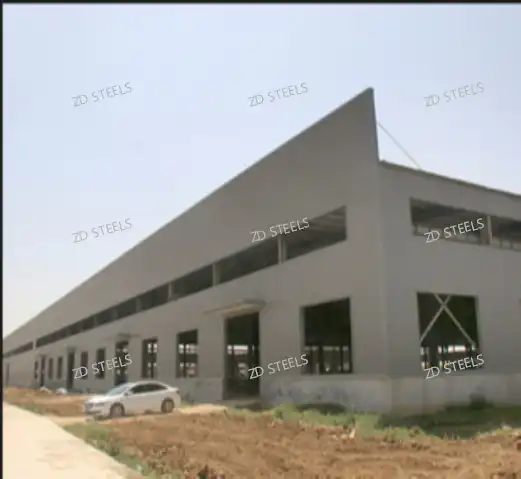
Core Benefits of a Purpose-Built Livestock Breeding Facility
Investing in a properly engineered animal reproduction structure has three measurable benefits: better herd health through consistent environmental regulation; higher space efficiency by getting rid of interior columns that aren't needed; and lower biosecurity risk through hygiene systems that are built into the structure itself. The USDA National Agricultural Statistics Service says that sites with automatic temperature settings have up to 15% higher rates of successful reproduction than regular shelters.
Essential Design Considerations for Modern Breeding Sheds
Sizing and Layout Standards
How space is used has a direct effect on the well-being of animals and the speed of work. In breeding setups, the standard for commercial poultry farms is about 1.5 to 2 square feet per bird. Swine Breeding Shed stalls are built according to AASV standards that say the smallest pen sizes are needed to keep animals from having problems having babies because of stress. When planning a layout, you need to think about how to get feed to animals, get rid of waste, and set up quarantine zones.
Ventilation, Temperature, and Lighting
Thermal control is a must in any building used for breeding animals. Ridge vents and sensor-linked exhaust fans keep the temperature inside stable no matter what the weather is like outside. Lighting schedules that look like natural photoperiods control when pigs go into heat and when chickens lay their eggs. Insulated roof panels, especially PIR or rock wool sandwich panels, keep heat in during the summer and out during the winter, which significantly lowers the amount of energy needed for HVAC.
Hygienic Design for Disease Prevention
Smooth, non-porous walls, sloped concrete floors with drainage channels, and pressurized entry airlocks all help to make a building that actively prevents pathogen accumulation. In high-biosecurity operations, UV cleaning zones at the entrances to buildings are now the norm. Training staff on entry rules goes along with designing structures with biosecurity in mind, making a stronger defense against the spread of disease.
Comparing Breeding Shed Solutions: Materials, Construction, and Automation
The building material chosen for a livestock breeding facility affects how long it lasts, how much upkeep it needs, and whether it can be used in certain climates. Wood-framed sheds are cheaper up front, but they break down faster in places with a lot of moisture and are more likely to get bugs and mildew. All measures of durability show that metal-framed structures, especially those made of Q235 or Q345 steel, are much more durable.
The shed roof steel beams made by Zhongda are designed to meet these exact needs. Because of their unique structure, they are better in the following ways:
- High load-bearing strength: Steel trusses fabricated from Q235 or Q345 steel carry significantly greater loads than wood alternatives without deforming, maintaining structural integrity across span lengths from 10 to 40 feet — sufficient for most commercial livestock facilities.
- Corrosion and weather resistance: Hot-dip galvanized finishes protect against the ammonia-rich, high-humidity interior environments typical in animal reproduction buildings. The structure resists rust, pests, and mildew, delivering a service life exceeding 20 years.
- Open interior space: With a standard pitch of 2/12, these trusses eliminate the need for interior support columns, creating unobstructed floor plans that simplify equipment installation and animal management workflows.
- Factory prefabrication for fast assembly: Components are precision-cut, drilled, and pre-assembled under controlled manufacturing conditions. On-site installation time is reduced significantly, shortening overall project delivery timelines.
These benefits directly address the two most common procurement complaints in agricultural construction: structures that fail too soon from corrosion and too much downtime due to slow, complicated on-site builds.
When it comes to automation, modern Breeding Shed facilities use sensor-driven ventilation, programmable LED lighting, automated feeding lines, and monitoring of the environment from afar more and more. Because their sizes are known and their connection points are already planned, prefabricated steel structures are much better at integrating this kind of equipment than traditional wood frames.
Custom-Built vs. Prefabricated Steel Structures
Prefab steel shed systems have shorter lead times and consistent quality, which makes them a good choice for farms that want to grow to more than one location. Custom-built solutions can be precisely adjusted to fit uneven site conditions, specific load needs, or unique species arrangements. Zhongda provides both OEM and ODM services, which means that purchasing teams can either bring in their own specifications or ask for a new design to be made based on their functional needs.
Procurement Guide: How to Choose and Source the Right Breeding Shed
Matching Structure to Project Requirements
Before calling suppliers, procurement teams should write down the type of livestock, the expected size of the herd or flock, the climate zone, and the size of the site. These factors decide the required span, the required insulation, the ventilation system's capacity, and the design of the base. For example, putting together a 1,000-square-meter modular chicken breeding facility can take anywhere from 4 to 6 weeks, based on how complicated the technology is.
Evaluating Suppliers with Confidence
Product listings aren't the only way to find a reliable provider. Make sure that the quality standards your company has are recognized. The ISO 9001:2015 qualification and the First-Class Steel Structure Engineering Qualification from China's Ministry of Housing and Urban-Rural Development are both held by Zhongda. Their team of more than 100 engineers helps with technical issues at all stages of a project, from the BIM-driven planning phase to the final review.
Negotiating Bulk and Custom Orders
When buying a lot of something, bulk orders usually make it cheaper per unit and let multiple facilities use the same standard specifications for the parts. Ask for thorough records of the weld inspections, reports on the thickness of the zinc layer according to ASTM A123, and records of non-destructive testing (NDT) for structural welds. These quality documents protect procurement teams when the project is turned over and when a warranty claim is made.
Maintenance Strategies for Longevity and Performance
Routine Cleaning and Structural Inspection
The buildup of pathogens and corrosive compounds can be stopped by regularly pressure washing the inside surfaces, clearing the drainage channels, and checking the joints between the roofing panels. Every year, the structure should be inspected to check the galvanized coating's strength, the torque of the bolts at the connection points, and any signs of bending in the truss members.
Ventilation System Upkeep
To keep their accuracy, environmental sensors need to be calibrated every three months. The motors and blades of exhaust fans need to be checked every six months. There should be a set plan for testing emergency backup power systems, which are very important for keeping electronics from dying of heat when the power goes out. An unplanned break in a breeding facility has direct effects on the animals and the money that the facility makes.
Upgrading Insulation and Automation Over Time
As the number of products made grows, existing factories often need better insulation or more automation. These changes are easier to make to steel-framed buildings than to wood-framed ones because the link points and load limits are known and can be predicted. For example, switching from single-layer roofs to sandwich panels can lower heating and cooling costs by a certain amount without having to rebuild the whole structure.
Conclusion
Livestock reproduction centers with engineered steel frames have clear benefits over traditional buildings. They last longer, fight corrosion better, and have flexible floor plans that can be changed to suit technology improvements. If you are building a new chicken complex, a pig farrowing facility, or a Breeding Shed operation for more than one species, the structural choices you make during the design stage will affect how well it works for decades. The shed roof steel trusses from Zhongda are made from Q235 or Q345 steel, span 10 to 40 feet, and come in both prefab and custom configurations. They provide procurement teams with a solid structural base for any size project.
FAQ
1. What factors determine the right size for a poultry breeding shed?
Flock size, breed standard space requirements, and equipment footprint all drive sizing decisions. Commercial layer breeding typically allocates 1.5–2 square feet per bird. Factor in feed lines, nest box rows, and maintenance corridors when calculating total floor area.
2. How does steel truss construction benefit an animal reproduction building?
Steel trusses spanning 10 to 40 feet eliminate interior columns, allowing free floor plan configuration. Q235 and Q345 steel grades resist the corrosive ammonia environment inside livestock facilities far better than wood, reducing long-term maintenance costs.
3. What is the difference between prefab and custom-built breeding structures?
Prefab systems arrive with standardized components ready for rapid assembly, reducing project timelines. Custom-built structures are designed from site-specific measurements and functional requirements. Zhongda offers both paths through its OEM and ODM programs.
4. How is biosecurity managed at facility entry points?
Pressurized airlock entry systems, UV sterilization zones, and footbath stations at building entrances are standard in high-biosecurity designs. These architectural features work alongside staff training protocols to minimize pathogen introduction.
5. What maintenance schedule keeps automated systems reliable?
Quarterly sensor calibration, semi-annual fan and motor inspection, and annual backup power testing form the baseline maintenance schedule. Documentation of each inspection cycle supports warranty claims and insurance requirements.
Partner with Zhongda for Your Next Breeding Shed Project
Zhongda is a reliable Breeding Shed steel structure manufacturer with more than 18 years of experience. They make shed roof steel trusses that are precisely engineered to withstand the needs of modern livestock farming. From BIM design to metal finishing, our ISO 9001-certified production process makes sure that every order is structurally sound. Email Ava@zd-steels.com to get in touch with our team and ask for a project consultation and product specifications.
References
1. USDA National Agricultural Statistics Service. Livestock Slaughter and Breeding Facilities Annual Summary. 2023.
2. American Association of Swine Veterinarians (AASV). Swine Housing and Welfare Guidelines. 2022.
3. National Chicken Council. Broiler Chicken Industry Key Facts and Welfare Standards. 2023.
4. American Society of Agricultural and Biological Engineers (ASABE). ASABE Standard EP270.5: Design of Ventilation Systems for Poultry and Livestock Shelters. 2021.
5. Steel Construction Institute (SCI). Design Guide for Agricultural Steel Buildings. Publication P387, 2020.
6. ISO. ISO 9001:2015 Quality Management Systems — Requirements. International Organization for Standardization, 2015.
YOU MAY LIKE
