
Commercial Steel Structure Provides Flexible Solutions for Large-Span Buildings
2026-09-03 13:00:01






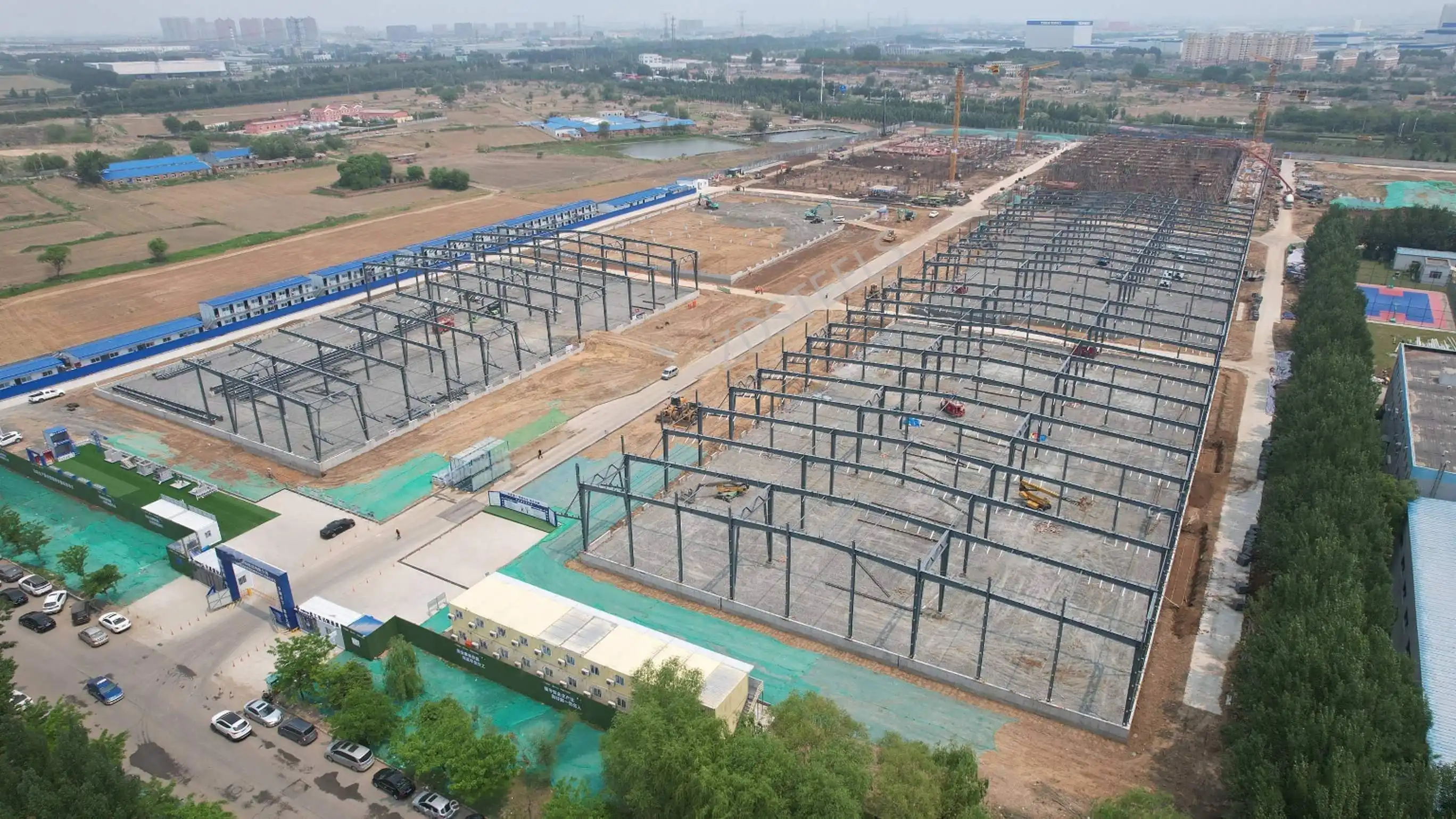
When designing facilities that demand exceptional clearances and uninterrupted floor space, project managers face a critical decision: which structural system can deliver both strength and flexibility? Commercial Steel Structure frameworks have emerged as the definitive solution for large-span buildings, offering a unique combination of design versatility, rapid deployment, and long-term durability. These engineered systems utilize high-strength steel components to create expansive column-free environments ideal for warehouses, manufacturing plants, distribution centers, and public infrastructure. By leveraging prefabricated elements and modular assembly techniques, steel frameworks reduce construction timelines significantly while allowing future expansions and reconfigurations without compromising structural integrity.
Understanding Commercial Steel Structures and Their Advantages
Steel frames are a big change in the way we build things on a large scale. Unlike traditional building methods that use load-bearing walls or columns that are close together, steel structures use I-beams, columns, and trusses to spread weight evenly over longer distances.
Core Materials and Engineering Principles
We mostly use Q235 carbon structural steel and Q345/Q355 low-alloy high-strength steels here at Zhongda. For general uses, Q235 is great for welding and shaping, while Q355 is better for heavy-duty projects like power plants and mining facilities because it can hold more weight. The choice is based on the calculated loads, the risk of earthquakes, and the environment. Before fabrication starts, our BIM-driven design process makes sure that every connection point and member size is the best it can be.
Steel is stronger than almost all other building materials when it comes to weight. A single W36x150 beam can hold more than 150 kips of weight, but it is much lighter than a concrete beam of the same size. This feature lets builders make the most of the room inside without sacrificing safety. It becomes possible to build buildings with clear spans of up to 200 feet, which changes how logistics hubs and production lines can work.
Speed and Modularity Benefits
Prefabrication changes the time it takes to finish a job. Our Commercial Steel Structure solutions benefit from advanced prefabrication capabilities, with our 120,000-square-meter factory in Shenyang producing components with a cutting accuracy of ±0.2mm to ensure perfect fit during on-site assembly. Bolted connections and welded joints are completed in a controlled factory environment, eliminating delays caused by adverse weather conditions or quality issues that may occur during field construction. A typical 50,000-square-foot warehouse frame can be erected in weeks instead of months, allowing clients to put their facilities into operation sooner and achieve faster returns on investment.
Steel frames can be put together in stages because they are flexible. Companies can build their first buildings with extension points planned in so that they can add bays or floors as demand rises. This scalability protects capital expenditures and keeps the architecture consistent. By extending existing steel structures, we've finished projects for e-commerce companies that doubled their storage space in 18 months without having to move everything.
Durability and Environmental Resilience
When designed correctly, steel structures can stand up to harsh conditions. Our -60°C Weathering Steel Anti-corrosion Technology has worked well on Arctic bridge projects all over Russia, where changes in temperature and exposure to water would quickly break down other materials. Hot-dip galvanizing makes zinc coatings that meet ASTM A123 standards. These coatings protect against oxidation and chemical exposure in industrial settings for decades.
Intumescent coatings protect against fire by expanding when heated, keeping structural parts warm and maintaining their ability to hold weight in an emergency. The thickness of the coating is set to meet certain fire-resistance standards, which are set by IBC and NFPA for different types of usage. With these safety steps, steel buildings can get insurance scores that are about the same as those for concrete buildings while still having their own benefits.
Comparing Steel Frameworks with Alternative Building Materials
The choice of materials has a huge effect on how well a job turns out. Knowing the differences in performance helps buying teams make smart choices that are in line with budget and practical needs.
Steel Versus Concrete for Large-Span Applications
When it comes to building, concrete is great for compressive strength but not so good for tensile loads or long spans. Post-tensioned concrete systems can reach modest spans, but they need a lot of formwork, time to cure, and skilled workers. In contrast, a Commercial Steel Structure can provide greater flexibility for long-span designs and faster construction. A concrete building usually takes 30–40% longer to build than a steel structure of the same size. This means that financing costs will be higher and income will come in later.
The tensile strength of steel makes dramatic cantilevers and spaces without columns possible that would not be possible with concrete alone. The flexibility of the material makes it better at handling earthquakes by absorbing and releasing energy during ground motion. Steel is naturally flexible, which makes structures in California and other high-risk areas less likely to be damaged and keeps people safe.
Lifecycle sustainability is becoming a bigger factor in the materials we choose. Over 85% of structural steel is collected and reused when it reaches the end of its useful life, making it the most recycled building material. Demolition of concrete creates a lot of trash for landfills and carbon pollution from making cement. When looking at environmental accounting, steel buildings are in line with green building certifications and company sustainability goals.
Comparing Steel to Wood and Aluminum Alternatives
Wood framing works well for homes and small businesses, but it's not strong enough or fireproof enough for industrial buildings. Chemical treatments are needed on wooden buildings to stop damage from insects and rot, which makes upkeep more difficult. As logging rules get stricter, large pieces of wood are getting more expensive and harder to find.
Because of these comparative benefits, steel is the best material for tough jobs. China Railroad chose our Q355 steel frameworks for high-speed rail stations because they can handle long platforms and heavy roof loads while speeding up construction schedules that are important for meeting infrastructure deadlines.
Procurement Insights: Sourcing Reliable Steel Structure Solutions
Strategic procurement is more than just comparing prices. Projects that go well depend on the skills of the suppliers, systems for making sure the work is done right, and collaborative engineering support throughout the whole project lifecycle.
Evaluating Supplier Qualifications and Capacity
Verification of certification is the basis of evaluating a seller. Zhongda is certified in EN 1090 structural steel manufacturing, ISO 9001:2015 quality management, and ISO 14001 environmental standards. These credentials show that you have been checked to make sure you follow international best practices. The Chinese Ministry of Housing and Urban-Rural Development gave us the First-Class Steel Structure Engineering Qualification. This is an honor given only to companies that meet high technical and safety standards.
How reliable deliveries are is directly related to how much can be made. With a yearly output of 60,000 tons, our Commercial Steel Structure production capacity allows us to work on multiple projects at the same time without having to worry about resource issues. High-volume orders are always of the same high quality thanks to modern tools like CNC plasma cutting systems and automatic welding stations. Clients get detailed production schedules with tracking of milestones, so they don't have to worry about whether or not parts will be available.
Geographic reach and project knowledge show how flexible a seller is. We've built steel structures in more than 20 countries, from mine sites in Australia to industrial parks in Vietnam, so we know how to deal with different building codes, weather conditions, and transportation issues. This international exposure means that clients who are expanding into new markets can lower their risks.
Customization Capabilities and Engineering Support
Standard designs rarely meet the specific needs of a project. Our ODM services take rough ideas and turn them into designed solutions that work best for certain uses. When BMW needed specialized factories, our team built custom jig systems and platforms for moving materials that were built right into the structure. This made their production processes run more smoothly.
Collaboration in engineering starts in the early stages of ideation. We help architects make choices by giving them structural analysis, load estimates, and connection information. This early involvement finds possible problems before commitments are made to buy things, which keeps expensive redesigns from having to be done. It's easier for structural, mechanical, and electrical systems to work together when our BIM models are linked to client design tools.
Total cost of ownership is included in transparent pricing models. In addition to the basic prices of construction, we also talk about shipping, fitting help, and the use of protective coatings. This all-around method keeps budget shocks at bay and lets you make accurate project predictions. Customers like to know exactly what services are included and which ones are just extras.
Quality Assurance and Compliance Standards
At every stage of production, strict checking rules apply. Raw material certifications make sure that different grades of steel have the right chemical makeup and mechanical properties. Ultrasonic testing looks at welds for flaws below the surface that could weaken the joint. Dimensional checks make sure that the parts that are being made match the plan specs. This keeps fit-up problems from happening during assembly.
Complete traceability is provided by documentation packages for Commercial Steel Structure projects. Shipments come with mill test reports, welding procedure specifications, and non-destructive testing records. These meet the needs of building inspectors and back up warranty claims. This paperwork is especially helpful for projects that need to be LEED certified or follow the rules of a government contract.
Verification by a third party boosts trustworthiness. We accept inspectors sent by our clients to check out our buildings and watch how tests are done. This openness builds trust and shows a dedication to meeting contractual obligations. After initial factory audits confirmed our quality systems, some clients have worked with us on more than one project.
Maintenance and Longevity of Steel Structures
Good stewardship increases the value of assets and keeps operations running smoothly. Setting up upkeep rules during the planning stages of a project makes sure that buildings work reliably for decades.
Inspection Schedules and Corrosion Management
Regular checks find new problems before they become dangerous or stop working properly. Visual scans are done once a year to check the links, protection coatings, and drainage systems. Ultrasonic thickness readings and coating bonding tests are part of thorough checks that happen every five years. These preventative steps find corrosion, fatigue cracks, or loosening bolts before they become bigger problems that need expensive repairs.
Protective coating care greatly increases the service life of a Commercial Steel Structure. Galvanized surfaces usually don't need much maintenance for 20 years or more, but they may need to be touched up if they are damaged by chemicals or exposed to harsh physical conditions. We recommend using zinc-rich primer to repair any damage and restore galvanic protection. It is also important to inspect intumescent fire coatings for delamination or moisture ingress, which can reduce their protective effectiveness.
Monitoring the environment helps decide what maintenance to do first. Facilities near the coast are more likely to rust because of salt spray, so they need to be inspected more often and have extra coats put on them. Specialized safety systems are needed for industrial plants that release acidic waste. Knowing the conditions at a specific spot lets you make repair plans that save money.
Structural Integrity and Load Management
As a building ages, its operating conditions change. Loads that are higher than what was originally planned may be caused by changes in the process, new equipment, or more store space. Professional structural assessments check the building's current capacity before making any changes, which stops overloading situations. We've helped clients look at mezzanine additions and crane installations by giving them stamped calculations that meet the requirements for permits.
In high-cycle systems, connection tracking is very important. Fatigue loads are caused by cranes, conveyors, and equipment that vibrates. These loads can loosen bolts or spread cracks. Regular torque checks and non-destructive testing can find early signs of wear and tear. Unexpected breakdowns are less likely to happen when predictive maintenance programs are used that are based on working hours and load cycles.
Changing risk estimates are taken into account in seismic upgrading. If building rules or danger maps are changed, the structure may need to be improved. Because steel is flexible, it can be easily improved without having to start from scratch. For example, it can be used to add support, strengthen links, or install dampers. This gives you the freedom to keep your investments safe while still meeting modern safety standards.
Flexible Design Solutions and Future Trends in Steel Construction
Steel's powers are always growing thanks to new ideas. New technologies and changing customer needs are what drive the creation of more advanced building methods and structural systems.
Modular Construction and Prefabrication Advances
The next big thing in steel building is three-dimensional modular pieces that are made off-site for Commercial Steel Structure applications. Fully assembled room modules come with finishes, furniture, and MEP systems that are already built in and ready to be connected. This method cuts down on the need for on-site labor and reduces the impact of weather conditions. The speed and quality uniformity of modular building are especially helpful for hospitals and hotels.
When steel is mixed with other materials in hybrid systems, the efficiency is improved. Steel frames and insulated metal panels work together to keep heat in and keep the building strong. Composite floor systems with a steel deck and a concrete top stop vibrations and keep fires from spreading. These combined systems meet more than one performance standard at the same time, which makes the specification process easier.
Digital fabrication technologies improve accuracy and cut down on waste. Robotic welding cells make join shapes that are always the same, with little spatter and heat warping. Laser cutting makes complex shapes that can't be made with regular tools, which opens up new ways of expressing architecture. These improvements in manufacturing lead to tighter tolerances and better-looking finished structures.
Sustainability and Smart Building Integration
Material progress is driven by reducing carbon emissions in the body. 75% less CO2 is released when steel is made in an electric arc furnace with recycled materials than when new steel is made in blast furnaces. As companies try to meet their net-zero goals, life cycle studies play a bigger role in their buying decisions. Our work on low-carbon infrastructure projects with China Railroad and CSCEC shows that we are leaders in the building business when it comes to sustainability.
With smart building technologies, structural systems become smart. Sensor networks check the health of structures by finding outliers like strange vibrations or deflections that could mean problems. IoT platforms collect data for predictive analytics, which improves the timing of upkeep and makes parts last longer. These features turn buildings into responsive spaces that change based on the needs of people who live or work there.
Adding renewable energy uses steel's strength and ability to be put together in different ways. Solar panels on roofs, wind turbine bases, and battery storage facilities all need strong structural support. We've worked with makers of green energy projects to make solar farm racking systems and substation buildings that are safe for electrical loads and earthquakes. Steel can be recycled, which is in line with the circular economy ideas that support the switch to renewable energy.
Conclusion
FAQ
How do initial costs compare between steel and concrete for large-span projects?
Even though steel may cost more per ton, the overall cost of the project is less when steel structures are used. Less time spent on building means lower costs for financing, site overhead, and renting tools. Faster usage means that money can be made faster, which increases the return on investment. Formwork and labor costs for concrete projects are usually higher than the material premium for steel. Lifecycle analysis, which includes upkeep and eventual demolition, usually shows that steel is cheaper than other materials.
What maintenance protocols ensure long-term structural performance?
Visual inspections are done once a year to check the coatings, links, and drains. Non-destructive testing and load capacity reviews are part of thorough five-year exams. Corrosion can be stopped by fixing damaged coatings right away. Checking the strength of bolts in places with a lot of shaking stops them from coming loose. The frequency of maintenance is based on the environment; for example, exposure to chemicals or the coast requires stricter schedules. Keeping records of all repairs and inspections helps with managing assets and following the rules.
What criteria should guide steel structure supplier selection?
Check for quality systems approvals from around the world, such as ISO 9001 and EN 1090. Check production ability to make sure deliveries happen on time, and there are no disagreements over resources. Look at project portfolios to find experience that is relevant to your field and area. Check out the engineering support services that are available, such as BIM integration and custom design services. Ask for references from clients and, if possible, do factory audits. Clear pricing that includes fabrication, shipping, and installation support is a sign of a possible reliable partnership.
Connect with Zhongda—Your Trusted Commercial Steel Structure Manufacturer
Zhongda Steel has been an excellent engineering partner for more than 18 years and works on large-scale building projects all over the world. Our ISO-certified factory in Shenyang uses cutting-edge BIM-driven design and precise manufacturing technologies to make steel solutions that are exactly what you need. No matter if you're building a delivery center, a factory, or a piece of infrastructure, our experienced team can help you from the first idea to the final installation. You can look at our services on zd-steels.com or get in touch with Ava@zd-steels.com for quote requests that are specific to your project. We're ready to work with you to build systems that will help your business run smoothly.
References
1. American Institute of Steel Construction. (2022). Steel Construction Manual, 15th Edition. Chicago: AISC Publications.
2. Bjorhovde, R. (2021). Development and Use of High Performance Steel in Building Construction. Journal of Constructional Steel Research, 178, 234-248.
3. Chen, W.F., & Lui, E.M. (2020). Handbook of Structural Engineering, Second Edition. Boca Raton: CRC Press.
4. Dowling, P.J., Harding, J.E., & Bjorhovde, R. (2019). Design of Large-Span Steel Structures for Industrial and Commercial Applications. London: Thomas Telford Publishing.
5. Gaylord, E.H., Gaylord, C.N., & Stallmeyer, J.E. (2018). Structural Engineering Handbook: Steel and Composite Construction. New York: McGraw-Hill Professional.
6. Trahair, N.S., Bradford, M.A., Nethercot, D.A., & Gardner, L. (2023). The Behaviour and Design of Steel Structures to EC3, Fifth Edition. Abingdon: Routledge.
YOU MAY LIKE