
What Bridge Steel Structure Design Handles Long Spans and High Dynamic Loads?
2026-09-03 13:00:01






When we talk about infrastructure that spans wide rivers, deep valleys, or busy urban corridors, the question becomes not just "Can it be built?" but "Will it last under constant stress?" A Bridge Steel Structure specifically designed for long spans must address high dynamic loads from heavy traffic, powerful winds, seismic activity, and thermal expansion. The answer lies in suspension bridge technology, which employs high-tensile main cables, aerodynamic deck systems, and precision-engineered components to distribute forces efficiently across distances ranging from 300 to 2000 meters while maintaining structural integrity under extreme environmental conditions.
Understanding Steel Bridge Structures for Long Spans and Dynamic Loads
These days, infrastructure needs more than just simple ways to cross. Today's bridges have to withstand constant pressure from many sources at the same time. This makes choosing the right materials and designing the structure very important.
Core Components That Define Performance
A successful long-span bridge is made up of many parts that are all connected and work together. The backbone is made up of main cables made from Prefabricated Parallel Wire Strands (PPWS) that have a 5.2mm diameter and a tensile strength of 1770MPa. These cables can hold huge loads vertically while bending a little in the wind. These lines link to towers that hold the whole system in place and send loads deep into the ground. The deck system holds up traffic while fighting rotational forces that could cause dangerous movements.
Types of Steel Bridges for Extended Spans
When it comes to the longest spans, suspension bridges are the best because their cable systems can handle distances that would be too much for other types of bridges. The main wires are shaped like catenary curves, which naturally spread the weight. Vertical suspenders move the weight of the deck up to these major load-bearing elements. This arrangement lets main spans go over 1000 meters while keeping material amounts reasonable.
Cable-stayed bridges are better for spans that are between 200 and 800 meters long. Their angled wires connect straight from the towers to the deck, making the system more rigid and good for places with a lot of foot traffic. Truss bridges are very stiff and can be made in modular sections that can be quickly put together in remote areas. They are usually used for shorter spans.
Engineering Principles Behind Dynamic Load Resistance
Figuring out dynamic loads is harder than figuring out steady weights. Vibrations caused by traffic build up over decades, causing structure parts to become worn out. When there is wind, there is both steady pressure and rough eddies that can cause dangerous resonance frequencies to rise. Seismic waves cause sudden horizontal accelerations that test the strength of the connection.
Designs that work well use damping systems to get rid of vibrating energy before it gets stronger. Shaping the deck in an aerodynamic way lowers the lift and drag forces caused by the wind. Base separation or ductile connection features let the structure move safely during earthquakes, keeping the main load lines from getting damaged. Through the delivery of several projects, we've seen that buildings built with these ideas always do better than standard designs during extreme weather events.
Design Solutions That Manage Long Spans and High Dynamic Loads
Advanced Materials and Fabrication Precision
As structural steel has changed into high-performance alloys, what can be done in long-span applications has grown. New materials have better resistance to fatigue, so they keep their strength after millions of load cycles. Weathering steels form protective oxide layers that slow the corrosion process, which means they need less maintenance in harsh environments.
Our facility uses 3D laser scanning to place cable clamps with an accuracy of ±2mm, which is very important for keeping load distribution accuracy over spans that get close to 2000 meters. Cutting ultra-thick plates with precision within ±0.2mm is possible with modern CNC equipment. This makes sure that connection points line up properly during field assembly. This level of accuracy has a direct effect on how well the structure works because even small misalignments can cause stress concentrations that shorten the service life.
A two-layer rust protection system is made up of the main line dehumidification system and S-type galvanized steel wire wrapping. Dry air moving through the inside of the cable keeps it from getting wet, and the wrapping on the outside keeps it from being exposed to the environment. This strategy has worked well in coastal areas where salt spray speeds up the damage.
Wind and Seismic Resilience Technologies
From the start of a project, aerodynamic optimization now guides the design of the Bridge Steel Structure deck cross-section. Computational fluid dynamics modeling finds problematic vortex patterns before construction starts. This lets engineers add fairings, holes, or changes to the shape that stop the flow of harmful air. Structures built to handle 12-level wind speeds need these improvements to stop vibrations that could cause them to fail catastrophically.
As an alternative to trying to keep things from moving during an earthquake, controlled movement is often used as a form of defense. Expansion joints can adapt to changes in temperature and ground movement, and damping devices take in energy during tremors. The modular building method we use makes it easier to check and fix things after the event, which keeps important transportation routes from being interrupted as little as possible.
Real-World Performance Validation
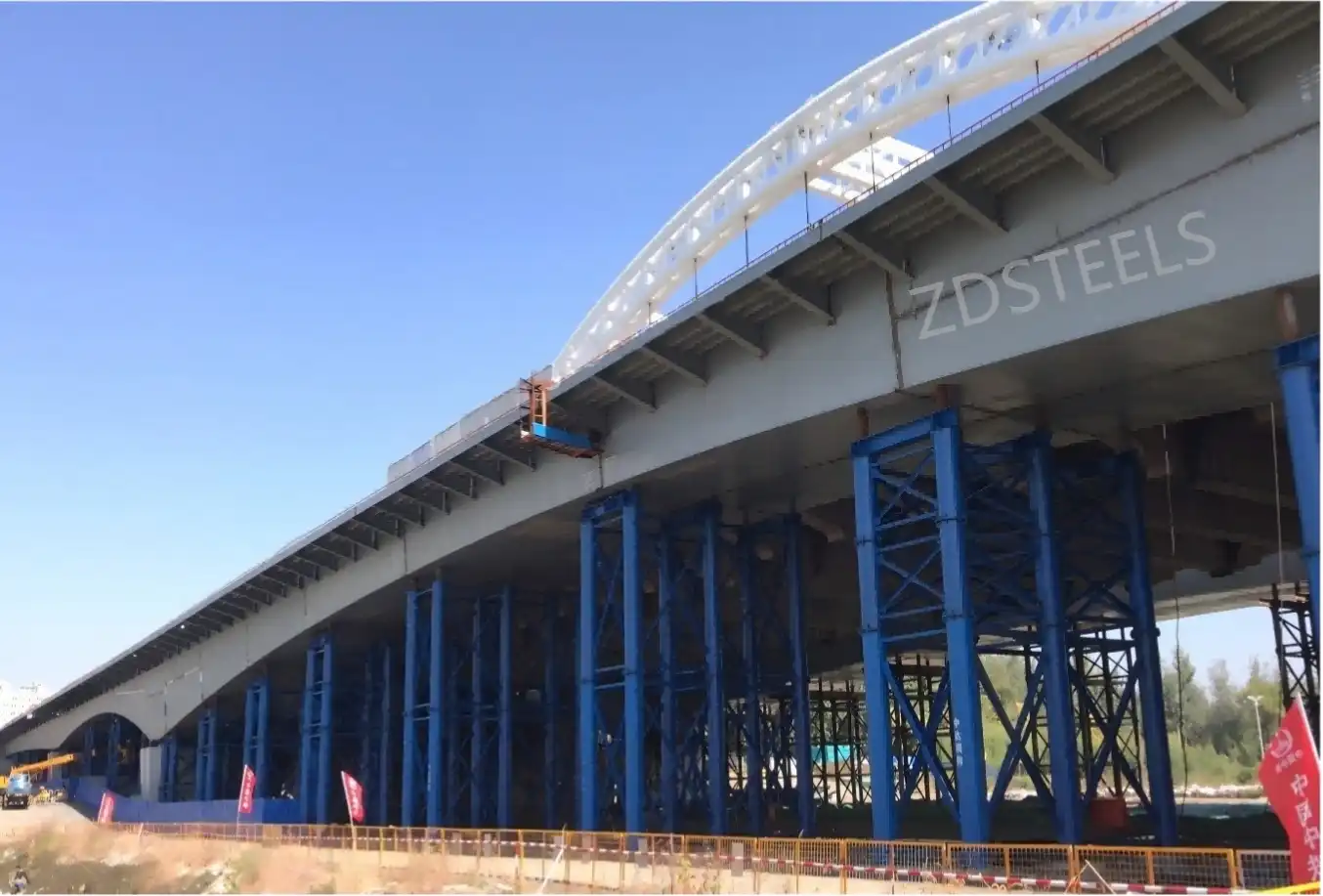
The Shenyang Dongta Cross-Hunhe River Bridge project shows how these ideas work in real life. This 18,000-ton steel building crosses a major waterway in an area with strong earthquakes and extreme temperature changes. By carefully choosing the materials and building it with great care, the structure has kept up with performance standards since it was finished. Regular inspections have shown that it hasn't changed much.
Our method has been tested in a wide range of weather conditions through international projects, such as providing parts for Australian mining infrastructure. The heat in the desert, the wetness along the coast, and the chemicals used in factories are all different problems that need specific answers instead of general rules.
Comparative Analysis: Steel Bridges vs. Other Bridge Materials for Long Spans
Material choice has a big impact on how feasible a project is, how much it will cost over its lifetime, and how well it will work. By understanding these differences, you can make better choices about what to buy that are in line with the needs of your project.
Steel Versus Concrete Performance
Construction times vary a lot depending on the material. Curing times for concrete make schedules longer, especially in cold places. Steel parts come already made and ready to be put together, which cuts down on work and weather exposure on-site. Our monthly production capacity of 800 tons for 12-meter steel box girder sections allows us to divide the project into stages that keep it moving forward even when things get tough.
When dynamic loads are present, steel is better from a lifecycle point of view. Under cyclic stress, concrete forms tiny cracks that need close attention and, eventually, repair. Steel wears out more predictably, and modern inspection methods can reliably find cracks starting before they get too big. When properly kept, steel buildings often last longer than 100 years with costs that are easy to handle.
Environmental and Sustainability Factors
Based on comparisons of embodied energy, making concrete releases a lot of CO2 into the air, while recycling steel lessens its impact on the environment. When a steel part is no longer needed, it still has a lot of value and can be used again and again without losing any quality. Environmentally conscious businesses are interested in this circular economy possibility.
In sensitive areas, the effects of construction should be taken into account. Compared to cast-in-place concrete operations, prefabricated Bridge Steel Structure components require less work to be done on-site, which means less noise, dust, and traffic disruption. Even though alternatives to wood are renewable, they are not strong enough or durable enough for high-traffic areas, so they cannot be used for most infrastructure projects, despite their environmental benefits.
Selecting Appropriate Steel Grades
Material standards go beyond general terms like "structural steel" because they are based on factors that are unique to each project. Coastal areas need steel that is resistant to corrosion or coating systems that are better at protecting against corrosion. Extremely cold climates need grades that can stay flexible at temperatures as low as -60°C. Our Arctic bridge projects in Russia have shown that this is possible.
The amount of load and the expected wear life affect the alloy's makeup and how it is heated. Materials that are better at resisting fatigue are needed for heavy-duty industrial applications like bridges. Budgets play a role in these choices, but lifecycle analysis often shows that higher-quality materials are worth it because they require less upkeep.
Procurement and Installation of Steel Bridge Structures Designed for Long Spans and Dynamic Loads
Making engineering ideas into real things requires picking the right suppliers and carrying out the job with great care. The procurement process sets the stage for the success of the project.
Manufacturer Selection Criteria
Certification portfolios are the first screening tools for Bridge Steel Structure suppliers. Following the FHWA-NHI-07-096 U.S. Suspension Bridge Design Specifications shows that you know how to follow strict American engineering standards. If a company has ISO 9001:2015 quality management certification, it means that they have strict rules over their production. If they also have EN 1090 compliance, it means that they follow European manufacturing standards that are widely accepted in global markets.
Production capacity has a direct effect on how reliable a schedule is. Large projects can be completed in facilities that can accurately fabricate 60,000 tons of metal every year without taking away from quality control. The abilities of the equipment are also important. For example, a 50-ton crane lets you move large assemblies, and 3-axis CNC drilling makes sure that connection holes on parts that were made months apart are lined up correctly.
Beyond what marketing says, real reliability can be seen in track records. Our 70% client retention rate shows that we are satisfied, which leads to repeat business. Also, 20–30% shorter lead times compared to industry averages show that our process is efficient. Delivering more than 60 major projects gives potential clients a way to compare skills.
Custom Fabrication and Logistics Management
Standardized parts don't usually work well for long-span bridges because the site factors, span lengths, and load patterns are all very different. Custom construction that is made to exact specs ensures the best performance without spending too much on materials. With BIM-driven prefabrication, parts can be virtually put together before they are made, which helps find problems before they are made and keeps changes cheap.
Because major Bridge Steel Structure parts have lead times of 6 to 12 months, suppliers need to be involved early on in the planning stages of the project. To get parts exactly when they're needed, manufacturing schedules and construction sequencing must work together. If parts are delivered too early, they could get damaged in storage, and if they're delivered too late, they cause costly delays. For international projects that need to coordinate shipping by sea, clearing customs, and moving goods between cities, global logistics skills are essential.
Installation Best Practices and Contractor Expertise
How well design calculations work in real life depends on how well the field setup is put together. Contractors who have worked on steel bridge projects before are very helpful because small installation details have a big effect on how the structure behaves. For example, you need to know a lot about tower plumbness, wire tensioning processes, and connection torque specs.
While the connections are being installed, non-destructive testing makes sure that they reach the design strength. An ultrasonic inspection finds incomplete weld fusion, a magnetic particle inspection finds surface cracks, and a load test shows that the system behaves as expected. Before the road opens to traffic, these quality control steps give people peace of mind.
Maintenance Strategies to Maximize Lifespan and Performance of Steel Bridges
Even the best designs need regular maintenance to last as long as they're supposed to. Strategic maintenance programs find a mix between saving money and making sure things work reliably.
Inspection Protocols and Corrosion Prevention
Routine checks that are timed based on the surroundings and the amount of traffic catch problems as they start to happen before they become emergencies. Visual inspections show worn-out coatings, loose joints, and clogged drains. Using special tools, detailed exams check the state of the wire inside and measure the leftover section thicknesses in places where corrosion is likely to happen.
When applied correctly, modern coating systems offer protection for 25 to 30 years, though areas that get a lot of use may need extra care every so often. Our two-layer corrosion protection system—internal dehumidification and external wrapping—extends maintenance intervals by a lot because it stops multiple types of corrosion at the same time.
Fatigue Monitoring and Repair Methods
Damage that can't be seen at first glance builds up because of cyclic stress. Details that are important for fatigue that were identified during design are closely watched using strain gauges or acoustic emission sensors that find cracks spreading. Drilling crack arrest holes or putting support plates early on can stop small problems from getting worse and causing the member to fail.
Sustainable Maintenance Practices
Technologies that use less energy lower prices and help the environment at the same time. LED lighting systems use a small amount of power compared to traditional lights. Adding solar panels to the bridge's structure lowers the power needs of the maintenance center. Eco-friendly paints get rid of heavy metals while still protecting the same way.
Lifecycle cost modeling helps decide how to spend maintenance money by finding the best ways to make the money go further. Preventive work usually costs 20–30% of reactive repairs that are needed to fix damage that has already happened. This means that planned maintenance programs are good for your finances in addition to improving reliability.
Conclusion
To make Bridge Steel Structures that can safely support long spans and heavy dynamic loads, you need to use cutting-edge materials, precise fabrication, and tried-and-true engineering principles. Suspension bridges with high-tensile PPWS main cables, aerodynamic deck systems, and advanced corrosion protection work well over spans of up to 2000 meters and can withstand winds up to 12 meters per second and earthquakes. When you combine steel's high strength-to-weight ratio with new damping technologies and fatigue-resistant alloys, you get solutions that are better than those made of other materials in tough situations. Strategic procurement that focuses on certified manufacturers with proven capacity makes sure that projects are completed successfully, and lifecycle-focused maintenance programs make the most of the value of infrastructure over many years of use.
FAQ
What span lengths can modern steel suspension bridges achieve?
Modern suspension bridges usually span between 300 and 2000 meters between their main towers, though some very special structures go farther than these limits. The real limit is determined by the strength of the rope, the height of the tower, the weight of the deck, and the environmental forces at the spot. For projects longer than 1000 meters, you need special tools and materials, like PPWS cables with a tensile strength of 1770MPa and decks that are designed to be aerodynamic to deal with wind effects. Our engineering team looks at the conditions of the site, the amount of weight that needs to be carried, and the budget to figure out the best span configurations for each job.
How do steel bridges resist wind-induced oscillations?
Aerodynamic shaping, structural damping, and careful design of natural frequencies are all parts of wind resistance. Deck cross-sections have fairings or holes in them that stop vortices from forming, which lowers the forces of lift and drag. Before resonance happens, vibrational energy is lost through damping systems, which can be passive friction devices or actively controlled motors. Engineering analysis makes sure that the frequencies of structures don't match up with the normal rates of wind pulsation. Structures that are rated for 12-level wind speeds go through a lot of computer modeling and sometimes wind tunnel testing to make sure they will work before they are built.
What maintenance does a steel bridge require over its lifespan?
Maintenance that works is based on regular checks that happen every two to five years, depending on how exposed the structure is to the environment. These tests find problems with coating wear, connection loosening, and drainage before they become structurally weak. Touch-up painting or covering usually needs to be done every 25 to 30 years, but places that get a lot of use may need attention more often. Details that are especially vulnerable to fatigue are closely watched, and any cracks that are found are fixed right away. When properly maintained, steel bridges can last for 100 years or more with only minor repairs.
Partner with Zhongda for Your Next Bridge Steel Structure Project
Infrastructure projects need partners with both professional know-how and a track record of getting things done. Since 2004, Zhongda has been a leader in providing precise steel solutions for tough situations in places like the Arctic and the tropical coasts. Our 120,000 m² factory has high-tech CNC machines and a 50-ton crane that can make bridge parts that meet FHWA-NHI-07-096 standards and are accurate to within 0.2 mm. Our engineering team comes up with the best solutions, backed by ISO 9001, 14001, and 45001 certifications, whether you need a 1200-meter suspension bridge or a piece of metal made just for your site. Join companies around the world that trust Zhongda as their source for Bridge Steel Structure, such as China Railroad, CSCEC, and BMW. Write to Ava@zd-steels.com right away to talk about how our BIM-driven prefabrication and -60°C weathering steel technology can make your next project better. You can find full specs and project case studies at zd-steels.com.
References
1. American Association of State Highway and Transportation Officials. (2020). LRFD Bridge Design Specifications, 9th Edition. Washington, D.C.: AASHTO.
2. Connor, R. J., & Fisher, J. W. (2016). Consistent Approach to Calculating Stresses for Fatigue Design of Welded Ductile Iron and Steel Structures. Journal of Bridge Engineering, 21(4).
3. Gimsing, N. J., & Georgakis, C. T. (2012). Cable Supported Bridges: Concept and Design, 3rd Edition. Chichester: John Wiley & Sons.
4. Larsen, A., & Larose, G. L. (2015). Dynamic Wind Effects on Suspension and Cable-Stayed Bridges. Journal of Sound and Vibration, 334, 2-28.
5. Pipinato, A. (2016). Innovative Bridge Design Handbook: Construction, Rehabilitation and Maintenance. Oxford: Butterworth-Heinemann.
6. Taly, N. (2014). Highway Bridge Superstructure Engineering: LRFD Approaches to Design and Analysis. Boca Raton: CRC Press.
YOU MAY LIKE