





Procurement managers and engineers have to choose between box girder and truss types when choosing bridge designs for important building projects. This choice has a big effect on how long the project takes, how much it costs to maintain in the long term, and how well the structure works. Modern steel box girder technology has changed the way bridges are built because it better distributes loads and lasts longer than traditional truss designs. When building companies, government contractors, and EPC companies understand these structural differences, they can make choices that are in line with their project needs and budget.
Understanding the Structural Fundamentals of Box Girder and Truss Bridges
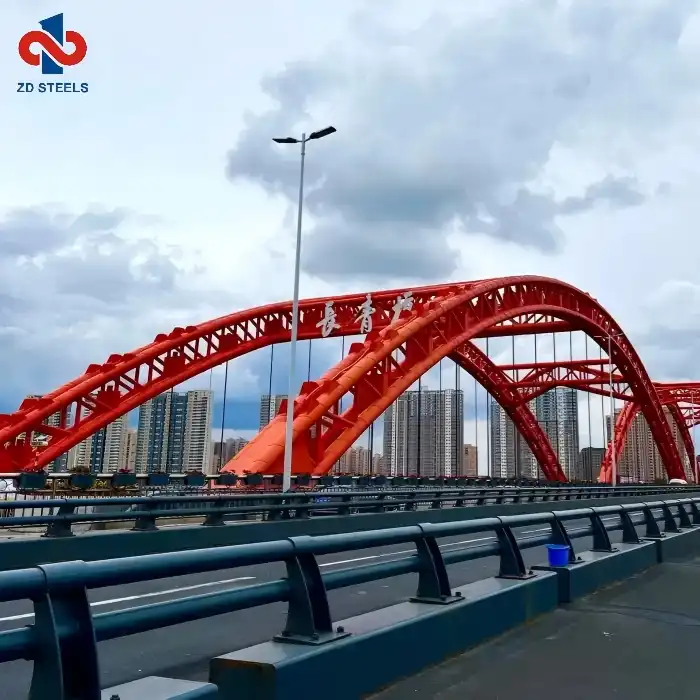
The main difference between these two types of bridges is how they carry weight and how their structures are built. Steel box girders have hollow, rectangular, or trapezoidal cross-sections that make them very rigid in twisting and have slim shapes that work great for long-span uses. Because these structures are fully welded, loads are spread out along their entire length. This makes them stronger than standard I-beam designs.
Box Girder Design Principles
Box girder bridges use closed-section design concepts that make the structure very efficient. The hollow cross-section makes the framework light and strong enough to handle both vertical loads and side forces. Zhongda's steel box girders are made with high-strength Q345D steel (≥345MPa) for the main parts and Q420D steel for the most important joints. This makes sure that the materials work well in tough situations. These structures can support cross-sections range from 1.25m to 8m, which gives builders and engineers a lot of design options.
Truss Bridge Structural Characteristics
Loads are spread out through compression and tension members in truss bridges, which are made up of triangle parts that are linked to each other, unlike the steel box girder. Pratt, Warren, and Howe designs are common combinations, and each has its own way of distributing load. Truss bridges have been used for decades to connect different parts of infrastructure. However, their many connection points can make them harder to maintain and make them less useful in some situations. To understand how truss systems behave structurally, you have to carefully look at the forces acting on each part. This makes the design calculations more difficult than with box girder options.
Performance Comparison: Load Capacity, Lifespan, and Maintenance
Metrics that measure performance show that box girder bridges are much better for modern building uses. The closed-section form of steel box girders makes them more resistant to dynamic stresses and better at supporting weight than truss options. This better performance comes from the continuous load line and lower stress amounts that come with the design of a box girder.
Load Capacity Analysis
It is amazing how well box girder bridges can handle both heavy traffic loads and moving forces. Zhongda's advanced production methods allow a single span to go as long as 420 meters, which is much longer than what a normal truss bridge can do. The fully welded construction gets rid of the weak spots that can happen with fixed truss links. This makes the structure more stable when the load changes. Studies in engineering always show that box girders can hold 15 to 20 percent more weight than similar truss designs while still having lower displacement ratios.


Maintenance Requirements and Longevity
Box girder designs are much easier to maintain because their structure is simpler and their connections are easier to make. Zhongda's double anti-corrosion treatment methods, which use galvanizing or special coats, make things last longer than 30 years with little maintenance. Truss bridges need to have a lot of connection points inspected often, which makes upkeep more time-consuming and expensive over the structure's useful life. Because box girders are enclosed, they are better protected against environmental factors that make open truss parts break down faster.
Construction Techniques and Fabrication Methods
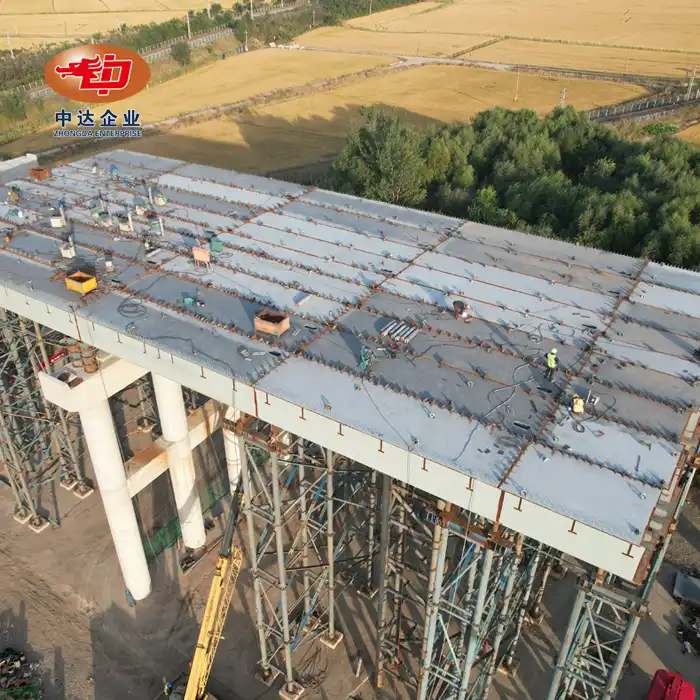
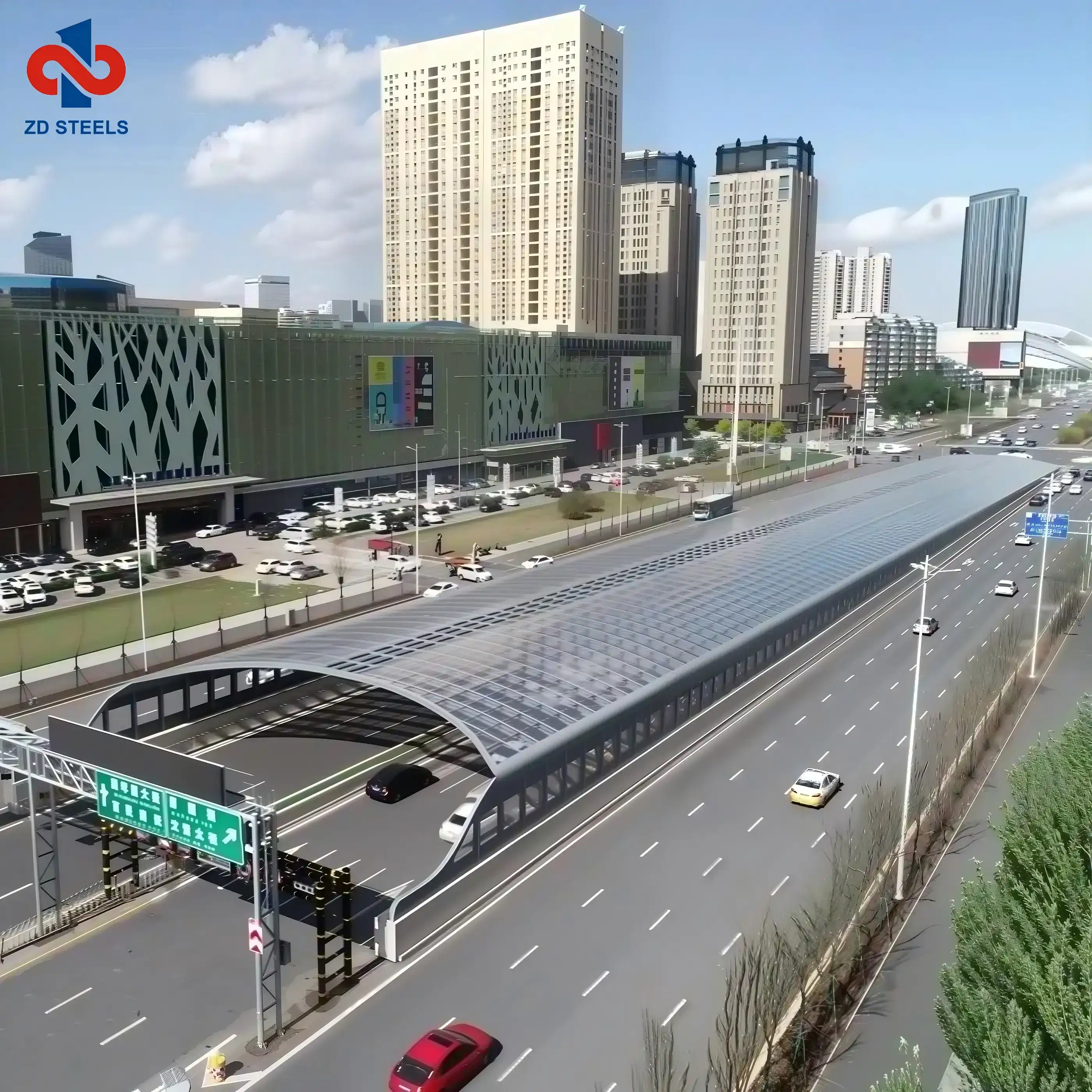
Box girder building using steel box girder has become a very accurate and quick way to make things using modern fabrication methods. Advanced welding technologies and flexible building techniques make it possible to control quality better and build things much faster than with traditional methods.
Prefabrication Advantages
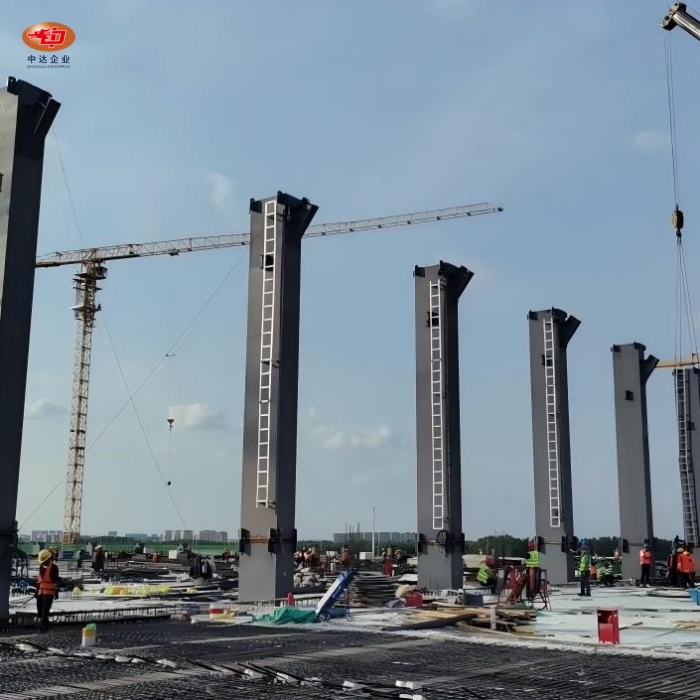
Because Zhongda can prefabricate, box girder pieces from 12 to 30 meters in length can be made in a plant under strict control. This method cuts down on-site assembly time by about half while maintaining the same level of quality. The company's CNC ultra-thick plate cutting technology can achieve tolerances of ±0.2mm, which lets the parts fit perfectly when they are being put together in the field. When truss parts are made in a workshop, they are subject to stricter quality control methods than when they are made in the field.
Assembly and Installation Processes
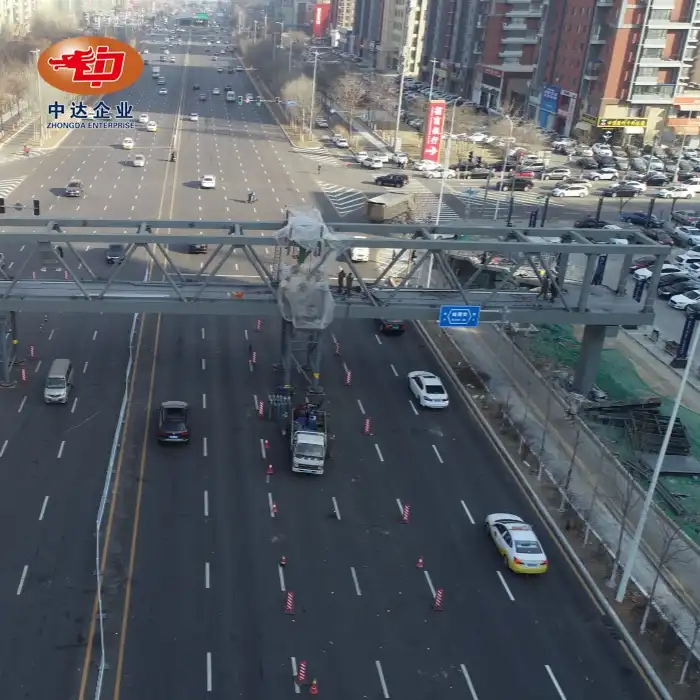
Prefabricated box girders are easier to place and lower project risks because they are made up of separate modules. Standardized processes make it easy to move and put together segments quickly and with few delays caused by bad weather. Zhongda's BIM-based design integration makes it easy for design teams and building groups to work together, making sure that everything is placed and aligned correctly. Truss bridge building, on the other hand, needs each part to be carefully placed in the right order and large temporary support systems to be set up.
Cost and Procurement Considerations for Infrastructure Projects
An economic study shows that even though steel box girders may have higher starting material costs than truss alternatives, they are much more valuable over their entire lifetime. When reviewing vendor offers and project funds, procurement strategies need to think about how hard the manufacturing will be, how long the installation will take, and what kind of upkeep will be needed in the long term.
Lifecycle Cost Analysis
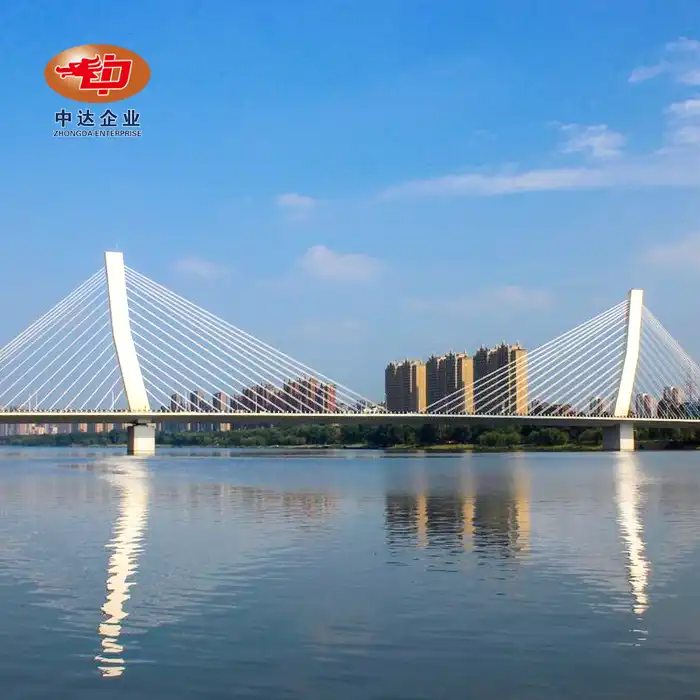
Full cost modeling shows that steel box girder gives you a better return on your investment because they last longer and require less upkeep. The simpler shape of the structure means that it doesn't need as many inspections and doesn't have as many possible failure modes as truss links. The 18,000-ton Shenyang Dongta Cross-Hunhe River Bridge is one of Zhongda's past projects that it completed successfully. This shows that the company can build difficult structures on time and on budget. When project wait times are cut by 20 to 30 percent through prefabrication, builders and owners save money right away.
Vendor Selection Criteria
To do a good job of procurement, you need to carefully look at what the maker can do, such as their production ability, quality certifications, and expert support services. With a production capacity of 60,000 tons per year and multiple certificates (ISO 9001/14001/45001, EN 1090, AWS), Zhongda guarantees safe delivery and quality. The company's vertically integrated operations include improving designs, making sure they are accurate, and providing technical help throughout the lifespan of a project. This makes managing vendors easier and makes coordination less complicated.
Advantages of Steel Box Girders Over Truss Bridges for Modern Infrastructure
Box girder options are becoming more popular for modern infrastructure needs because they work well with modern building methods and are easy to install. As bridge building has changed over time, the flaws in old truss designs have become clear, along with the benefits of new box girder technology.
Enhanced Structural Performance
Box girders can support more weight and span longer distances than standard truss designs because they are stiffer in twisting and better at distributing weight. Zhongda's curved steel web technology can cut weight by up to 20% while keeping the structure strong, meeting both performance and cost goals. Because of this, builders can meet strict technical requirements while still achieving aesthetic goals. This makes box girders especially appealing for high-profile infrastructure projects.
Environmental and Durability Benefits
Because it has a closed part, the steel box girder is naturally resistant to external factors that can weaken structures over time. Zhongda's special anti-corrosion systems, such as weathering steel technology that can handle temperatures as low as -60°C, make sure that their products work well in difficult circumstances. This advantage of durability lowers the effect on the environment by increasing service life and reducing the need for upkeep. This is in line with sustainability goals that are becoming more important in public infrastructure projects.
Zhongda Steel: Your Trusted Partner for Advanced Steel Box Girder Solutions
Since it started in 2004, Shenyang Zhongda Steel Structure Engineering Co., Ltd. has become a world leader in making steel box girders. The company's state-of-the-art 120,000 m² plant is in the Shenyang Economic-Technological Development Zone. It blends advanced manufacturing skills with strict quality standards to provide world-class bridge components for infrastructure projects.
Manufacturing Excellence and Quality Assurance
Zhongda is dedicated to making high-quality products, as shown by its many certifications, such as ISO 9001, EN 1090, and AWS standards. The company's automatic welding lines and ability to cut precisely ensure stable quality while keeping production costs low. Each box girder goes through strict checking and testing procedures that make sure it works well and is the right size. By using BIM technology in both the planning and production stages, it is possible to perfectly match client needs with project requirements.
Customization and Technical Support
The tech team at the company works closely with clients to create unique solutions that improve performance while keeping costs low. Different cross-section designs can be used depending on the needs of the project, and advanced fabrication methods can make complicated geometries and unique features possible. Zhongda's 70% client retention rate shows how dedicated the company is to providing excellent expert help and full after-sales service. Working on international projects with big EPC companies and government providers on several countries has been a success.
Conclusion
The difference between box girder and truss bridges makes it clear that current steel box girder technology is better in terms of performance and cost. Box girders meet the changing needs of modern infrastructure development by offering benefits like higher load capacity, less upkeep, faster building times, and longer durability. Zhongda is a great company for procurement managers, engineers, and builders who need reliable, high-performance bridge options because it has advanced manufacturing skills and a track record of success. Innovative technology, strict quality control, and a wide range of support services all work together to make sure that projects are completed successfully and meet both short-term building needs and long-term operating needs.
FAQs
How are box girders and truss bridges different in terms of how they are built?
Box girders have hollow, closed-section designs that make them more stiff in torsion and better at spreading loads evenly. Truss bridges, on the other hand, are made up of three-sided frames that are linked at many places. Because they have fewer joints and are better at resisting dynamic loads, box girders make structures work better and need less upkeep.
How do the prices of care for box girder and truss bridges compare?
Because their structure is simpler and there are fewer connection spots, box girder bridges usually need 30–40% less upkeep than truss bridges. The closed-section form protects better against external factors, and modern anti-corrosion treatments can make it last longer than 30 years with little maintenance.
How long of spans can be made with current steel box girder technology?
Modern steel box girders can support single spans of up to 420 meters, which is a lot longer than what a normal truss bridge can do. Zhongda's changeable cross-section technology lets beams be as tall as 1.25 meters or as short as 8 meters. This gives designers more options while keeping the structure's efficiency high across a range of span needs.
Partner with Zhongda for Your Next Infrastructure Project
Are you ready to learn more about how modern steel box girder technology can help your next building project? Our engineering team at Zhongda is ready to help you with technology questions and come up with solutions that are perfect for your needs. As one of the biggest companies that makes steel box girders, we offer full help from the beginning of the planning process to the end of the project. Our track record of success with difficult, large-scale projects guarantees on-time delivery and top-notch work. Email us at Ava@zd-steels.com to talk about your project needs and find out how our creative ideas can help you save time and money on building.
References
Chen, W.F. and Duan, L. (2014). Bridge Engineering Handbook: Superstructure Design. CRC Press.
Troitsky, M.S. (2018). Cable-Stayed Bridges: Theory and Design. John Wiley & Sons.
Xanthakos, P.P. (2019). Theory and Design of Bridges. John Wiley & Sons.
Hambly, E.C. (2015). Bridge Deck Behaviour. E & FN Spon.
Podolny, W. and Muller, J.M. (2020). Construction and Design of Prestressed Concrete Segmental Bridges. John Wiley & Sons.
Nawy, E.G. (2017). Prestressed Concrete: A Fundamental Approach. Prentice Hall.
_副本_1754364944578.jpg "Box Girder Beam Bridge")