Cruciform Cross Column Design for Heavy Steel Structures
2026-05-29 16:01:51






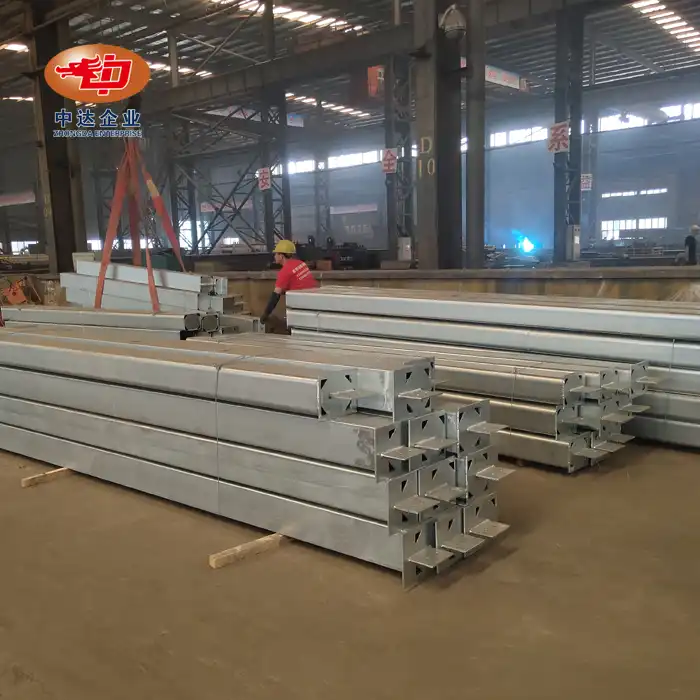
Cruciform cross column designs are smart ways for engineers to meet the growing need for strong infrastructure. These cross-shaped structural parts spread loads evenly along both directions, making the structure stiffer on the sides and making better use of room. The cross column design is better than regular H-beams or box columns at handling pressure that comes from multiple directions, which is typical in high-rise building and industrial settings. We at Zhongda Steel make these columns out of Q355B low-alloy steel that is made in a double H form. This makes sure that the structure is strong enough for challenging global projects and cuts down on material waste by 10% compared to traditional box columns.
Understanding Cruciform Cross Columns in Heavy Steel Structures
What Makes Cruciform Columns Structurally Superior?
The cross column design makes the moment of inertia the same in all directions, so it doesn't have the weak-axis problems that come with regular wide-flange sections. Because of this unity, beams can join from all four directions without the need for complicated stiffener plates. The cross column keeps working the same even when wind loads change directions during storms or when earthquakes create forces that act in more than one way. Our engineering team at Zhongda has used these columns in projects as different as mine crushing stations in Australia and bridges over the Arctic in Russia, where harsh conditions require them to be completely reliable.
According to a study released by the American Institute of Steel Construction, cross column parts are 40% more rigid on the sides than rectangular beams of the same weight. This benefit is very important in big buildings where drift control is key to keeping people safe and making sure the building stays upright. The cross column design also fits in well with building plans, especially where walls meet, where regular rectangular columns make odd protrusions that take up floor space that could be used.


Material Science Behind High-Performance Cross Columns
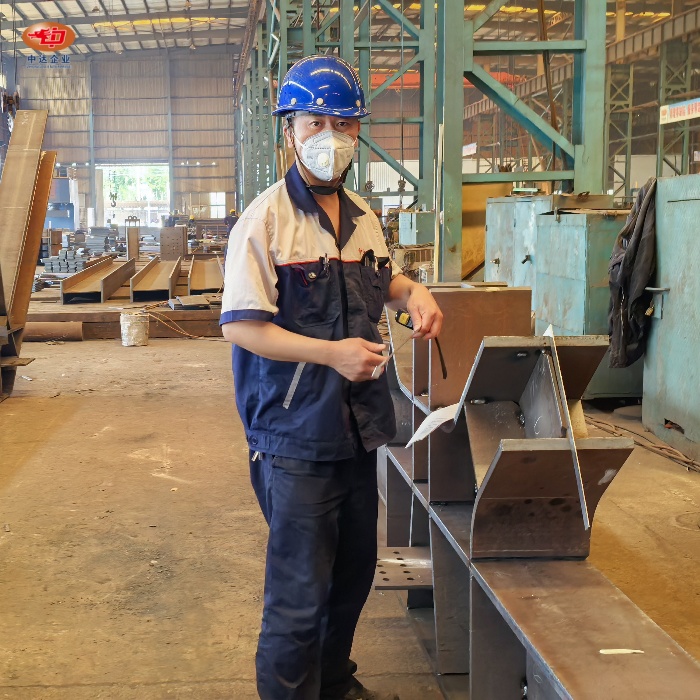
Our cross columns are made from Q355B low-alloy steel that meets EN 10025-4 standards. The flange widths range from 100 to 300 mm, and the web thicknesses range from 6 to 25 mm. This choice of material strikes a good mix between being easy to weld and being strong mechanically, with yield strengths above 345 MPa. The double H-shaped welded unit goes through full joint penetration welding at the flange-to-web connections, which makes the structure behave like a single piece when it's under stress. Ultrasonic testing checks all T-joint welds for internal flaws, and magnetic particle screening finds flaws on the surface that could have been caused by heat stress during production.
Through-thickness tension tests confirm the features in the Z-direction, which stops lamellar tears when plates are stressed in an opposite direction during welding. Our Shenyang plant is 120,000 square meters and uses laser scanning to check axial alignment. Any variation greater than 1/500 of the flange width is rejected. This accuracy ensures accurate site fit-up, which speeds up work plans and helps our clients save 30% on energy costs compared to box column systems.
Architectural Flexibility in Complex Projects
Cross columns can be changed to fit different building styles without affecting their structural integrity. Because the shape is perfect, builders can use columns as design elements instead of hiding them behind walls. When covered in concrete to make steel-reinforced composite columns, the cross column shape makes the columns mechanically join, which raises the fire resistance ratings past two hours without the need for expensive intumescent coats. This combined action blends the tensile strength of steel with the compressive strength of concrete. This makes the best use of materials throughout the structure.
We've provided cross columns for business high-rises where making the most of the room inside has a direct effect on rental income. Because they have a smaller size than box columns, they can lease out more space on more than one floor. Customers in the industrial sector like how the four-sided beam links make flexible plant plans easier to use when loads come from different directions. This freedom is especially helpful for petrochemical plants because it lets them route pipe systems around structure frames without having to use too many braces.
Design Principles and Engineering Considerations
Load Distribution Mechanics and Stress Management
The cross column shape spreads axial loads evenly across its four sides, which reduces the amount of stress that builds up in uneven parts and leads to early wear. During the design confirmation process, when we do finite element analysis, the models always show stress gradients that stay within acceptable ranges for all possible loading cases. This expected behavior makes it easier to build connections and cuts down on the need for support plates, which make standard column systems more expensive and difficult to use.
Our adjustable honeycomb beam hole design improves weight-to-strength ratios even more, cutting self-weight by 20% without affecting load capacity. These strategically placed holes lower the structure's dead loads, which makes it possible to use smaller supports. The lower mass also makes the building more resistant to earthquakes, since earthquake forces are closely related to building weight. When comparing the starting prices of materials for different column types, purchasing managers often forget to look at these chain effects.
Integration with Structural Systems
When connecting beams to cross columns, the welding process and joint shape need to be carefully thought out. We suggest simultaneous welding methods that evenly distribute heat across the column's cross-section. This keeps the column from bowing and turning, which can happen with single-sided welding. Pre-cambering fixings make up for the inevitable heat warping that happens during production. Our BIM-driven prefabrication method virtually models these connections before cutting the steel. This helps us find interferences and find the best member sizes to avoid having to make changes in the field, which slows down project plans.
The columns can be connected to different types of foundations, based on the type of dirt and the size of the load. For high-rise projects, we create anchor bolt patterns that line up with cross column geometry. This makes it easy for moment forces to be transferred to concrete pier caps. Under the base plates, grout pads make sure that all of the bearings touch each other. This stops any localized pressure that could cause stress cracks to form. As part of our engineering help, we work with ground experts to make sure that the capacity of the base meets the performance characteristics of the columns.
Standards Compliance and Certification Requirements
Our production methods follow EN 1090 for building with structural steel, AWS D1.1 for welding, and JIS norms for measuring accuracy. All exports to European markets come with CE certification, and our ISO 9001, 14001, and 45001 certifications show that we handle quality in a way that takes safety and the environment into account. With these qualifications, our cross columns can be easily added to global EPC project chains where contractors must show proof of compliance before they can be prequalified.
We keep track of everything, from the heat numbers of the raw materials to the final inspection reports. This way, we can make paperwork packages that meet the strictest owner requirements. Ultrasonic scan maps are part of non-destructive testing records and show exactly where defects are when fixes need to be done. This openness makes procurement professionals more confident, since they are in charge of making sure that specifications are followed throughout foreign supply lines.
Practical Guide to Procuring Cruciform Cross Columns
Evaluating Manufacturers and Supply Chain Reliability
A successful buying process starts with a thorough evaluation of the provider that goes beyond just comparing prices. We suggest checking a facility's manufacturing capacity through audits that check the accuracy of CNC cutting, the ability to do automatic welding, and the availability of non-destructive testing tools. Our Shenyang plant has Northeast China's largest steel workshop, which can produce 60,000 tons of steel each year. This protects us from supply problems that smaller shops face when the market is unstable.
Certification files show dedication to quality processes, not just business ties. Manufacturers who hold more than one foreign standard show that they can work in a variety of legal settings. Over 70% of our clients stay with us for a long time. This is because we build long-lasting relationships with them based on reliable shipping and expert help that goes beyond the original sale. When problems arise during the manufacturing or installation phases that were not expected, references from similar projects can help you figure out how to solve them.
Delivery Timelines and Logistics Coordination
Standard cross column parts are shipped 15 days after the order is confirmed, but it takes 25 days for special designs that need technical analysis. When the order is placed, these wait times are based on fully completed manufacturing plans and accepted connection details. Iterative design changes, not manufacturing limitations, are often to blame for delays. This shows how important it is to do thorough front-end engineering that locks down specs before buying starts.
When cross column lengths are too wide for road travel, transportation systems need to pay attention to size limits. Together with freight forwarders, we choose routes that have the fewest permit requirements and the shortest travel times. Secure packaging keeps surface finishes safe during multi-modal shipping, especially to international places where condensation in the container can damage the coating's structure. As a result of providing industry hubs in Vietnam and mine sites in Australia, we have developed strict packing rules that make sure packages come ready for review no matter how they are shipped.
Pricing Structures and Contract Negotiation Strategies
Material grade choices have a big effect on prices because luxury steels have higher base costs but may allow smaller section sizes. During the quote phase, we offer value engineering options by weighing differences in material costs against saves in labor costs for manufacturing in order to find the best specs. Price cuts that help both parties by making production schedules more efficient are often made possible by promises to produce a certain amount of goods over a period of time or across multiple projects.
The rules of payment show how the buyer and the seller share risk. Letters of credit protect foreign purchases, but they come with extra fees that make the total cost of acquisition higher. Progress payment plans based on manufacturing goals combine the need for cash flow with quality hold points, where compliance is checked by checks before further payments are released. Our contracts usually include performance bonds that protect project vital lines from supplier failures and make sure that delivery dates and specifications are met.
When to Engage Specialized Design Consultants
When lifting conditions are complicated or connection shapes aren't standard, they may need to be looked at by a third party expert who isn't the maker. We work with structural experts who check our design numbers against those of other professionals. This is especially important for earthquake Special Moment Frame uses that need thorough analysis because of the need for flexibility. This independent proof eases the minds of building officials and protects everyone involved in the project from harm.
Consultants also help with optimizing material specifications when the needs of a project are greater than what is normally available. They weigh the pros and cons of making things more complicated versus how well they hold together and suggest solutions that strike a balance between engineering goals and the realities of making things. Our technical team works well with outside engineers, giving them feedback on how feasible designs are for manufacturing. This stops designs that need awkward welding processes or limited access for inspections.
Case Studies and Real-World Applications
Industrial Facility Load Capacity Enhancement
A petroleum client needed to make changes to the structure so that new process equipment could be installed and put concentrated loads on the old frames. Using traditional methods for strengthening would have slowed down work when welding close to busy pipe systems. We created cross columns that moved loads through carefully placed splice connections. This made installation possible during planned repair breaks. The cross column design connected beams on four sides, making it easier to connect to existing side braces without having to use expensive temporary supports.
Monitoring after installation showed that deflections stayed within acceptable limits when fully loaded for use. The client really liked how the open area let them see the old links that we updated and added to the new system. Maintenance workers can now do regular checks without the need for platforms that was needed with box columns. This ease of access lowers the cost of regular inspections and raises the safety of processes used in chemical plants to enter tight spaces.
Commercial High-Rise Space Optimization
A city office tower had to deal with competition to make the most of its rentable space while staying within the height limits set by flight officials. The architects first planned for box columns to be placed around the outside of the building, but when they got to the corners, they found that they made dead zones in the best corner offices that couldn't be used. We suggested cross columns that would fit into the spaces where walls meet. This would free up about 200 square feet of space on each floor, over 40 stories.
The identical shape made it easier to join the curtain wall because the glass systems linked the same way no matter which way the columns were facing. Even though the column outlines were smaller, structural analysis showed that horizontal drift was within code limits. This was because the cross column's higher stiffness made up for its smaller size. Rental estimates showed that the extra room would bring in more money, which would cover the column premium within the first lease cycle. This shows that choices about structure have a direct effect on the financial performance of business real estate.
Infrastructure Project Seismic Resilience
A transit authority was looking for column designs for an elevated train guideway that would cross active earthquake zones where the ground motion requirements were higher than normal. In shaky soils, standard moment frame beams would have needed parts that were so big that the cost of the foundations would have been too high. Our cross columns had the flexibility needed to dissipate energy while keeping their small size, which decreased the earthquake mass.
The columns' hysteresis behavior was modeled using synthetic earthquake records and nonlinear time-history analysis. This confirmed that they worked well and didn't buckle in the side-to-side or twisting ways that happen with uneven parts. The transit authority's peer review group accepted the plan after looking at test results from similar structures found in earthquake study papers. The guideway was built on time and is now used as an example of how to build adaptable infrastructure in high-risk areas.
Conclusion
Cruciform cross column design strikes a fine balance between how well the structure works and how easily it can be built. In addition to making links easier and using less material than other options, the symmetric shape solves problems caused by biaxial loading. To do good buying, you need to know how to balance costs and benefits, look at a supplier's skills beyond price, and plan delivery in a way that keeps project dates safe. The case studies show real benefits in industrial, business, and building settings, which proves that the money spent on this advanced structural solution was well spent. As the world's building needs change toward more sturdy and long-lasting infrastructure, cross columns help projects meet both short-term performance needs and long-term lifetime goals.
FAQ
What structural advantages do cruciform columns offer over traditional shapes?
The cross column design makes both main axes equally strong, getting rid of the weak-axis problems that come with H-sections. This alignment lets beams join in more than one way without the need for extra stiffener plates. This lowers the cost of making the structure and makes it work better. The shape also provides 40% more horizontal stiffness than similar rectangular beams, which is very important for keeping tall buildings from drifting when they are hit by wind or earthquakes.
How can I tell if my project suits cruciform column implementation?
When pressure conditions involve biaxial twisting or when building plans need columns at wall corners where space efficiency is important, projects gain the most. The four-sided connection is helpful for industrial sites that need to support tools from more than one way. Because of how reliable their hysteresis behavior is, cross columns work well in seismic zones that need flexible moment frames. Talking to structural engineers early on in the planning process can help you find times when the benefits of cross columns make up for the higher costs of the materials used.
Can cruciform columns be customized for extreme environmental conditions?
For environments that rust, material types can be changed to weather-resistant steels, and our -60°C Weathering Steel Anti-corrosion Technology is designed for use in the Arctic. The honeycomb beam hole form can be changed to lower wind loads in open areas, or it can be left out in places where thick webs are better for blast resistance. Protective coats include everything from basic shop starters to custom systems that meet the needs of the petroleum industry for protection to fire and exposure to hydrocarbons.
Partner with Zhongda for Advanced Cross Column Solutions
Zhongda Steel has 20 years of experience in technical quality and world project success, which they use to help with cross columns. Our double H-shaped welded Q355B low-alloy steel supports meet EN 10025-4 standards and save 10% of the material needed for installation while also being 30% more efficient. We are a qualified cross column maker that works with China Railway, CSCEC, and customers from six countries around the world. We use BIM-driven design and ultra-precision manufacturing to make sure that your heavy steel buildings perform better than expected. Our expert team helps with everything from the first idea to the final delivery. Standard goods ship in 15 days. Email Ava@zd-steels.com to talk about how our creative structure solutions can help your next project run more smoothly and stay within its budget.
References
American Institute of Steel Construction. (2022). "Specification for Structural Steel Buildings (ANSI/AISC 360-22)." Chicago: AISC Publications.
Chen, W.F., and Lui, E.M. (2019). "Handbook of Structural Engineering, Second Edition." Boca Raton: CRC Press.
Eurocode 3. (2021). "Design of Steel Structures - Part 1-1: General Rules and Rules for Buildings (EN 1993-1-1:2021)." Brussels: European Committee for Standardization.
Geschwindner, L.F. (2020). "A Practical Guide to Structural Steel Design." Reston: American Society of Civil Engineers.
Tide, R.H.R. (2018). "Stability Design of Steel Buildings: AISC Design Guide 28." Chicago: American Institute of Steel Construction.
Zhao, X.L., and Zhang, L. (2021). "Advanced Analysis and Design of Steel Frames." Singapore: Springer Nature.
YOU MAY LIKE
_1788850251399.png "splicing details for steel beam")
_副本_1754115287719.jpg "Galvanized Steel Column")