
Custom Airport Steel Structures for Large-Scale Infrastructure Projects
2026-08-23 13:00:00






When we talk about aviation infrastructure, the foundation of operational success rests on the structural framework that supports every flight, every passenger, and every cargo movement. Custom Airport Steel Structure solutions have emerged as the definitive choice for large-scale infrastructure projects, offering the unmatched combination of durability, rapid deployment, and architectural flexibility. Unlike traditional construction methods, steel frameworks allow airports to achieve massive clear spans for terminal buildings and hangars, integrate complex MEP systems seamlessly, and future-proof their facilities for decades of expansion and modernization. This engineered approach directly addresses the aviation industry's critical demands—stringent safety compliance, accelerated project timelines, and lifecycle cost efficiency—making steel the material of choice for forward-thinking developers and government contractors alike.
Understanding Airport Steel Structures and Their Core Advantages
Why Steel Dominates Modern Airport Infrastructure
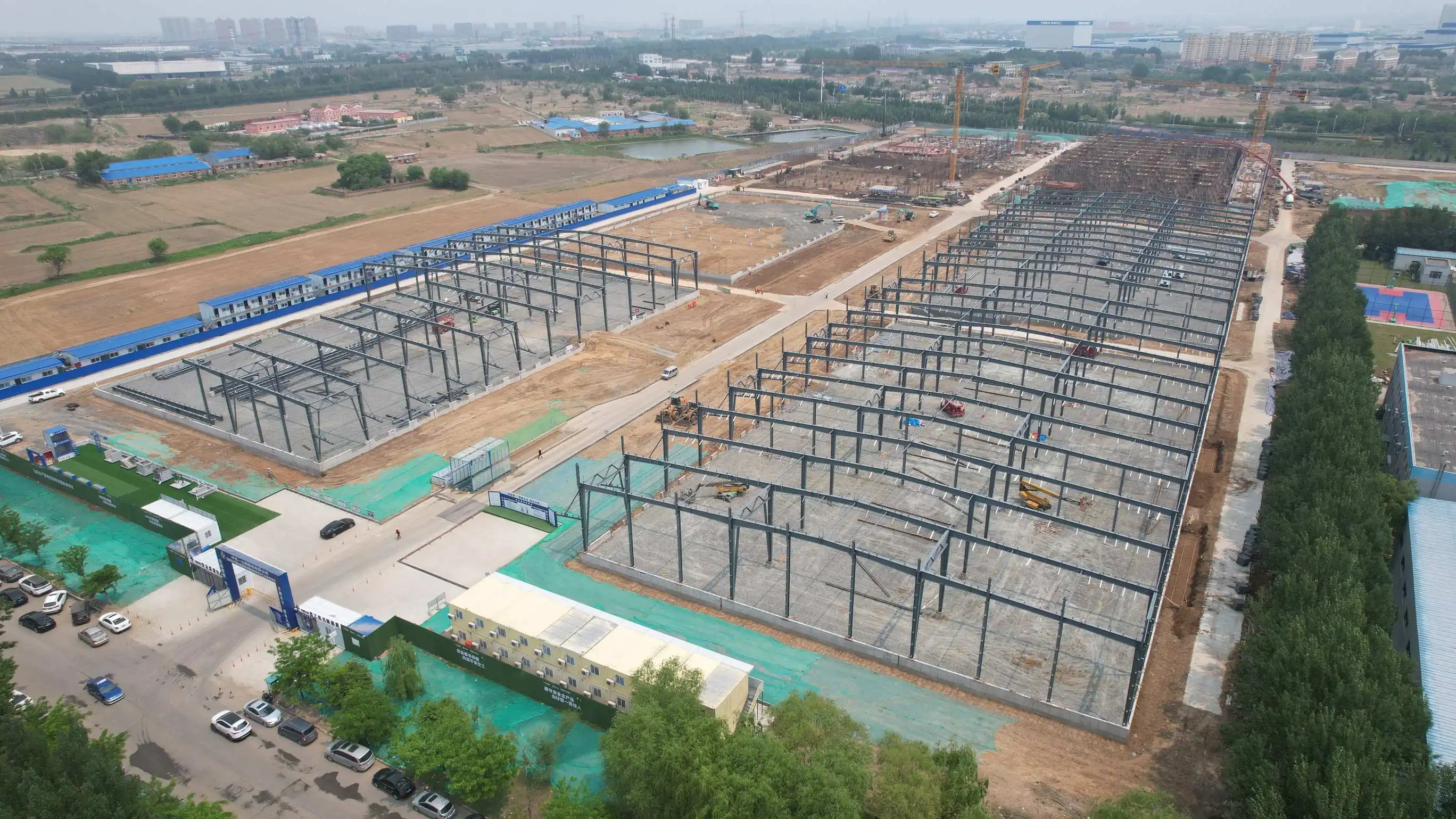
Aviation facilities have to deal with special problems that are hard for regular materials to solve. Terminals, hangars, and control towers made of steel must have large open spaces for planes to park, complex roofing systems that can handle extreme weather loads, and the ability to keep running during earthquakes and changes in temperature. Structural steel is perfect for these tough jobs because it has a high tensile strength, is flexible, and always acts the same way when it is stressed.
At Zhongda, we've seen how well-designed steel frames can solve long-lasting problems in airport planning. Our projects in different countries show that steel's high strength-to-weight ratio makes it possible for airport buildings to have column-free spans longer than 80 meters. This means that there are no more obstacles in the way of passengers or planes moving. Because prefabricated steel components are modular, they cut down on building time on-site by 40–50% compared to cast-in-place concrete. This is a huge benefit for airports that need to stick to tight plans or add on in stages without stopping operations.
Load-Bearing Excellence and Safety Compliance
The most important thing about any Airport Steel Structure is that it can handle more than one load situation at the same time. The first step in our design process is carefully choosing the loads that will be used. We take into account the structure's dead loads, the live loads of people living in it and moving equipment, as well as environmental forces like wind speeds that can reach over 150 mph near the coast, heavy snowfall, and earthquakes that cause ground motions.
We ask for steel grades like ASTM A572 Gr. and Q355B. Fifty, choosing materials based on their known mechanical properties, such as their yield strength, tensile strength, elongation percentages, and Charpy V-notch impact toughness at service temperatures. This level of detail makes sure that each column, beam, and truss member meets local building codes, such as ASCE 7, and international aviation standards, such as ICAO Annex 14.
Scalability and Future-Proofing Through Modular Design
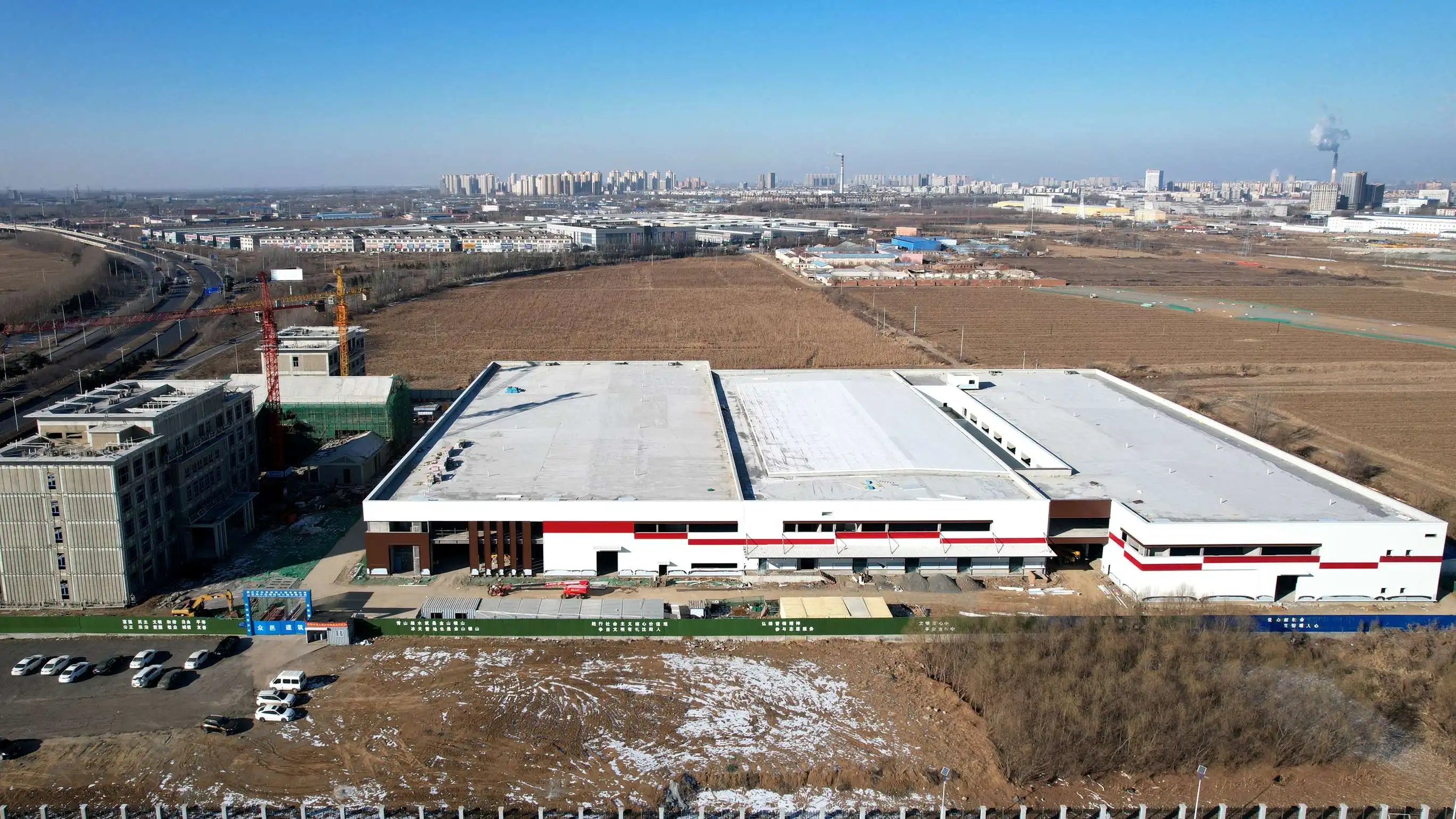
Airport managers always tell us that obsolescence is their biggest worry. Projections for passenger flow, changes in airplane size, and progress in technology make flexibility a must. Steel's flexible building method lets ends grow either vertically or horizontally with little damage to the structure. Standardized bolt patterns and oversized foundation systems are some of the connection details that were thought of with future additions in mind. This makes it possible for new concourses or gate areas to be added without any problems as demand increases.
At Zhongda's 120,000 m² facility, our BIM-driven prefabrication process guarantees dimensional accuracy within ±0.2mm. This means that field assembly goes smoothly even when projects have multiple construction phases that last for years.
Comparing Steel with Alternative Materials in Airport Construction
Performance Benchmarking: Steel vs. Concrete vs. Aluminum
The choice of materials has a huge effect on the cost, speed, and long-term performance of a project. When purchasing managers look at their choices, they consider a number of factors where steel consistently performs better than other options.
Load Capacity and Span Capabilities: Post-tensioned concrete can reach amazing lengths, but the self-weight penalty makes it impossible to go beyond 60 meters. Trusses and space frames made of steel can often span more than 100 meters and still stay within acceptable deflection limits when loaded to their full design capacities. Even though aluminum doesn't rust, it can't match steel's load-bearing ability at cost-effective cross-sections. This means it can only be used for specific cladding and secondary structural uses.
Safety and Fire Resistance: Modern intumescent coats and fireproof encasings make it possible for steel parts to meet the 3-hour fire ratings needed by flight authorities. Even though concrete naturally doesn't catch fire, its tendency to explode when heated quickly and the difficulty of figuring out how bad the damage was after a fire make airport owners who don't like taking risks prefer steel.
Lifecycle Cost Analysis and Maintenance Considerations
A building's real value is based on its total cost of ownership over its 50-year planned life, not just its original construction costs. When steel structures have the right corrosion protection, like our -60°C Weathering Steel Anti-corrosion Technology, they don't need much upkeep, even in harsh coastal environments. Routine inspections find links that are likely to wear out and protective coatings that are wearing off before they damage the structure.
It's harder to tell when repairs need to be made to concrete structures, even though they need maintenance less often. Corrosion in reinforcements is often not seen until it causes a lot of damage, and fixing it can cost more than the original budget for the building. Steel's ability to be inspected and fixed easily provides operating transparency that airport building managers really value.
Custom Solutions and Strategic Procurement for Airport Projects
Tailoring Structural Systems to Operational Requirements
There are different needs for each airport project. When a regional hub grows, it needs different building solutions than when an international gateway is built from scratch. From the first idea to the final commissioning, our engineering team works with clients to make sure that structural systems are in line with practical processes, security protocols, and plans for future growth.
Frame structures with rigid moment connections work well for terminals that need the most architectural flexibility and lots of windows to let in natural light. Truss systems are a cost-effective way to build hangars where clear-span standards are important, and roof looks are not as important. In airport departure halls, space frame grid structures make architectural statements that stand out while distributing roof loads efficiently across supporting columns.
Procurement Best Practices for Minimizing Risk
To buy steel for an airport, you need more than just low prices. It is very important for procurement managers to carefully check the qualifications of suppliers. They should look at standards like ISO 9001, EN 1090, and project-specific welding qualifications. Our track record on projects for China Railroad, CSCEC, and BMW, along with our First-Class Steel Structure Engineering Qualification from China's Ministry of Housing and Urban-Rural Development, shows that Zhongda is a reliable company that lowers project risk.
Effective RFQ processes include not only the types and amounts of materials, but also the tolerances for fabrication, the standards for surface preparation, the protective coating systems, and supply plans that are linked to the order of building. Accurate budget planning is possible with clear cost breakdowns that include materials, labor for fabrication, quality control testing, packaging, and shipping. Putting warranty terms and expected technical support after delivery in contracts makes everyone responsible and protects project stakeholders from problems that were not expected.
Installation, Maintenance, and Operational Safety Standards
Coordinated Installation Planning and Execution
Putting up steel frames in a busy airport setting requires a lot of planning. Our installation teams work closely with airport operations to make sure that important lifts happen when traffic is low and that safety zones are kept around construction sites. Temporary bracing systems keep partly built frames stable against wind loads, and before permanent connections are made, precision survey equipment checks the alignment to the thousandths of an inch.
Because of limitations on the site, such as limited laydown places, limited crane access, and closeness to busy taxiways, creative transportation solutions are needed. By letting as much prefabrication happen off-site as possible, modular subassembly techniques cut down on the time it takes to build something. Project management teams with a lot of experience plan ahead for regulatory checks and make sure that FAA reviews and local building department sign-offs happen at the right time to keep the schedule on track.
Preventive Maintenance Protocols for Extended Service Life
Steel's longevity doesn't get rid of the need for upkeep, but it does make it more predictable and easier to handle. We suggest that you check the connections every six months and pay special attention to the condition of the protective coating and how well the drainage system works. Ultrasonic testing finds fatigue cracks in areas of high stress before they spread, and eye inspection finds coating breakdown that could cause rust.
Hangar door tracks, crane runway beams, and roof drainage parts need extra care because they are loaded and exposed to the weather over and over again. Fixing small problems right away, like tightening loose bolts, fixing damaged coatings, and cleaning out expansion joints, keeps you from having to pay for expensive emergency repairs and makes the structure last much longer than it was meant to.
Compliance with International Aviation Safety Standards
There are several sets of rules that airport buildings have to follow: local building codes, national aviation rules, and international standards set by groups like the FAA and ICAO. Ratings for fire resistance, requirements for escape routes, systems that can withstand earthquake forces, and blast resistance rules are all taken into account during the design process.
Our engineering team keeps up with changing standards by making sure that every Airport Steel Structure project meets the most recent ASCE 7 wind requirements, AISC seismic design specifications, and NFPA fire protection requirements. Independent testing and peer review by a third party confirm compliance and provide proof that meets the needs of licensing authorities and insurance companies. This extra work keeps airport owners from being sued and makes sure that workers and passengers are safe for as long as the building is open.
Future Trends Shaping Airport Steel Infrastructure
Digital Integration and Smart Structural Monitoring
The aviation industry is moving toward digitalization, and structural systems are doing the same. IoT-enabled monitors built into important steel parts give real-time information on temperature, vibration, strain, and corrosion. This constant monitoring lets repair plans find problems before they affect activities, lowering costs over the whole life of the system and making it safer.
Integration of BIM goes beyond planning and construction and includes managing buildings. Digital twins of airport buildings allow for planning different renovation scenarios. This helps airport operators figure out how proposed changes will affect the building's performance and how well it runs. At Zhongda, we provide full digital documentation that works with the best facilities management platforms. This makes sure that our steel structures fit in perfectly with our customers' long-term asset management plans.
Sustainability Initiatives and Circular Economy Principles
Environmental responsibility is becoming more and more important in purchasing decisions. Steel is the most circular building material because it can be recycled over and over again without losing any of its properties. If you choose steel that has a lot of recovered content—often more than 90% in structural sections—it has a lot less embodied carbon than steel that is made from new materials.
Energy-efficient building envelopes made of insulated metal panels and naturally lit terminal spaces made possible by long-span steel framing lower the amount of energy used for operations. Our clients who are trying to get LEED certification or something similar for sustainability find that steel's environmental profile helps them get valuable credits while still meeting strict performance standards. Transparency in the carbon footprint along the whole supply chain, from the steel mill to the fabrication shop to the job site, makes it possible to report accurate environmental impacts that meet ESG disclosure standards.
Advanced Fabrication Technologies and Material Innovation
Automation changes how steel is made, which raises quality and lowers costs. Robotic welding systems make links that are uniform and free of flaws faster than people can do it by hand. CNC plasma and waterjet cutting can make complicated shapes that let architects express themselves through designs without raising the cost of production. Our factory, which can handle 60,000 tons per year, uses these technologies to make parts that meet aerospace-level quality standards at prices that are competitive.
More progress in material science has led to higher-strength steel grades that make members smaller and projects lighter. Advanced protective coatings and alloys that don't rust make maintenance intervals longer. This is especially helpful at airports near the coast, where salt spray speeds up wear and tear. Because of these changes, steel is becoming a more appealing option, even though performance needs are rising.
Conclusion
Custom airport steel frames are the result of careful engineering, practical operating considerations, and environmentally friendly building methods. We've seen how well-designed Airport Steel Structure systems can solve some of the aviation industry's biggest infrastructure problems, like making huge spans without columns, speeding up construction, and ensuring that the systems will last for decades. A project's success depends on many factors, including carefully choosing materials after extensive research, ensuring that suppliers are qualified and reliable, and installing structures in a way that does not interfere with other operations. As airports around the world deal with increasing passenger numbers and changing operational needs, steel remains the best material for building the next generation of aviation infrastructure because of its flexibility and reliability.
FAQ
What clear span capabilities can steel structures achieve for airport terminals?
With truss or space frame designs, modern steel structural systems can easily reach clear lengths of 60 to 100 meters. These spans allow covered parking for wide-body planes, departure rooms for terminals without columns getting in the way, and flexible internal layouts that can be changed to meet the needs of different airlines. Our engineering team figures out the best member sizes and connections so that the span capacity, deflection limits, and cost of fabrication are all balanced.
How does corrosion protection work in coastal airport environments?
The salty air near the coast makes rusting problems worse more quickly. We use multi-layer protection systems that start with cleaning the surface to SSPC-SP10 standards. Next come zinc-rich primers, epoxy intermediates, and polyurethane topcoats that are rated for C5-M (very high corrosivity, marine) environments according to ISO 12944. Hot-dip galvanizing with a coating weight of at least 600 g/m² protects exposed secondary parts for decades without any upkeep. Protective integrity is maintained throughout the structure's service life by inspecting it regularly and fixing any damage that is found.
Can existing airport facilities be expanded using steel construction methods?
Of course. Steel is great for phased growth because it is flexible and the details of its connections are easy to predict. We create link interfaces that can handle future additions. For example, we plan foundation systems that are big enough to handle the final buildout loads, and we make beam-to-column connections that have extra capacity. Temporary bracing keeps existing structures stable while construction goes on next to them, and bolted connections cause less damage than welded ones. Many clients like that steel lets terminal capacity grow without the long periods of downtime that would be needed for concrete construction.
Partner with Zhongda for Your Next Airport Steel Structure Project
Building airport infrastructure takes more than just cutting and welding steel pieces together. It also needs people who know a lot about aircraft working requirements, regulatory compliance, and lifecycle performance optimization. Zhongda has been a supplier of Airport Steel Structures for 20 years, so they can help with large aviation projects all over the world. Our ability to produce 60,000 tons of steel a year, our use of BIM in engineering, and our ISO 9001, 14001, and OHSAS 45001 certifications all make sure that your terminal expansion, hangar complex, or control tower gets the technical precision and quality assurance that aviation standards require. Our list of completed projects, which includes Arctic bridges in Russia, mining infrastructure in Australia, and industrial buildings in Vietnam, shows that we can work under tough conditions and meet tight deadlines. Let's talk about how our custom steel solutions can help you build your airport faster while also lowering costs and improving performance. To start your meeting, email Ava@zd-steels.com or go to zd-steels.com. We're ready to make your vision for infrastructure a reality through engineering.
References
1. American Institute of Steel Construction (2021). Design Guide 25: Frame Design Using Web-Tapered Members, Chicago: AISC.
2. Federal Aviation Administration (2020). Advisory Circular 150/5370-10H: Standards for Specifying Construction of Airports, Washington, D.C.: U.S. Department of Transportation.
3. International Civil Aviation Organization (2018). Annex 14 to the Convention on International Civil Aviation: Aerodromes - Volume I Aerodrome Design and Operations, Montreal: ICAO.
4. Gioncu, V. and Mazzolani, F.M. (2014). Ductility of Seismic-Resistant Steel Structures, London: CRC Press.
5. Bjorhovde, R. (2019). Development and Use of High Performance Steel: A Guide for Structural Engineers, Reston: American Society of Civil Engineers.
6. Mehrotra, B.L. and Kumar, A. (2017). Airport Planning and Management: Strategic Perspectives on Infrastructure Development, New Delhi: McGraw-Hill Education.
YOU MAY LIKE