
What Makes Steel Pontoon Structures Suitable for Heavy-Duty Platforms?
2026-08-23 13:00:00






Steel pontoon structures have become essential components in heavy-duty marine and industrial applications due to their exceptional load-bearing capacity and environmental resilience. Constructed from high-grade materials like Q235B galvanized steel with polyurethane foam filling, these buoyant platforms deliver buoyancy exceeding 500kg/m³ while maintaining structural integrity under demanding conditions. Their modular design, combined with watertight compartments and reinforced frames, ensures optimal weight distribution and stability. Steel pontoons offer a proven solution for contractors and developers seeking reliable floating platforms capable of withstanding mechanical stress, harsh weather, and continuous operational demands across construction, energy, logistics, and infrastructure sectors.
Understanding Steel Pontoon Structures: Design and Functionality
When heavy-duty platforms need stable floating bases, the engineering behind these structures is very important to the project's success. Understanding the design principles and functional features helps procurement teams make smart choices that meet operational needs.
Core Construction Principles
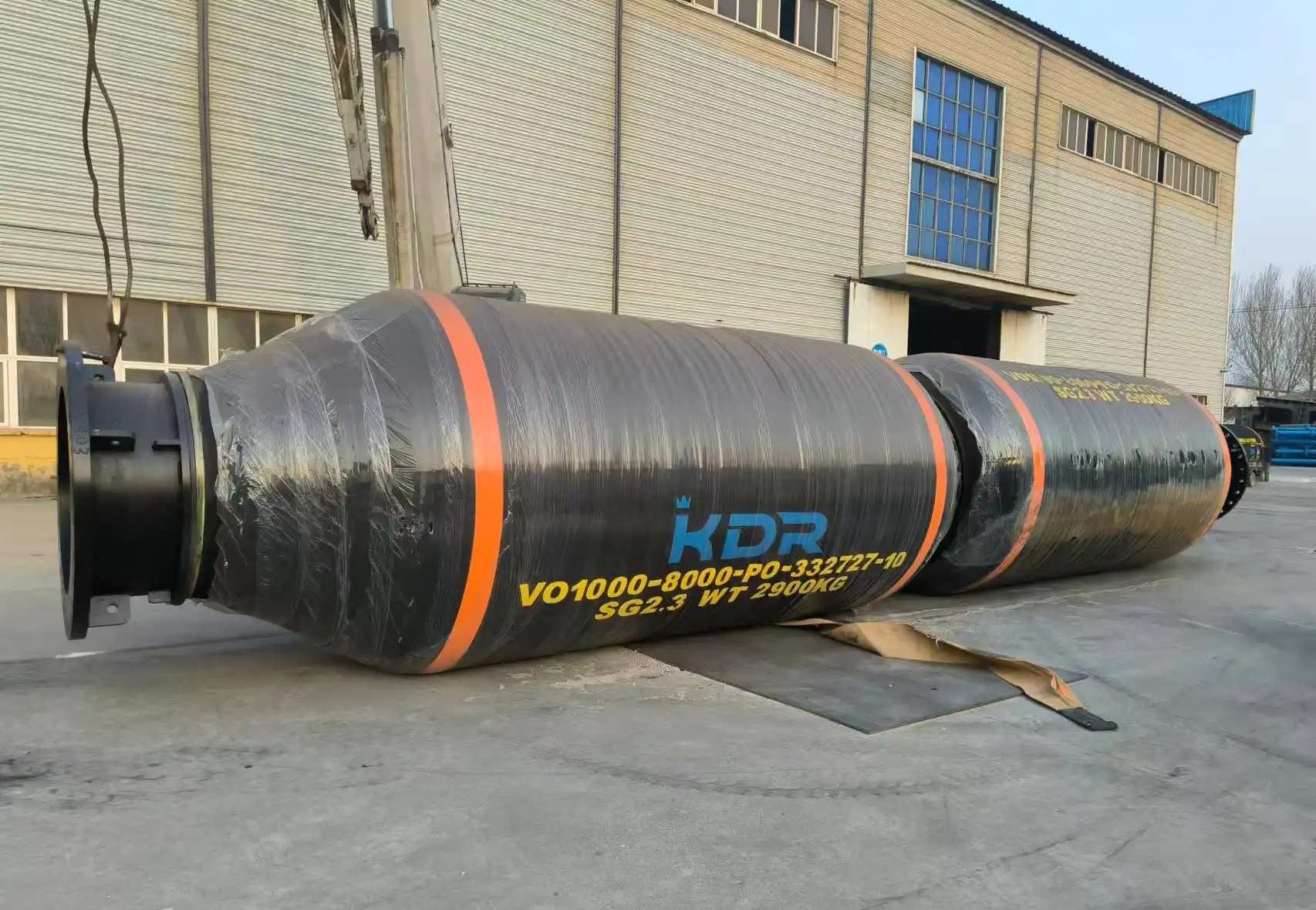
Steel Pontoons are precisely built floating systems made for heavy loads. At Zhongda, we make these structures out of galvanized Q235B steel with diameters between 300mm and 800mm. They are filled with polyurethane foam, which makes them float better. The galvanization process adds a zinc covering that protects against rust and makes the product last longer than twenty years. Each unit is separated into secure compartments. This way, even if one part gets damaged, the overall stability is still maintained.
The choice of materials has a direct effect on performance metrics. The best combination of tensile strength and weldability is found in Q235B steel. This makes it perfect for manufacturing processes that need precise cutting and joining. Our factory uses CNC cutting technology that has ±0.2mm tolerances, which makes sure that the sizes of thousands of units are all the same. This level of accuracy is very important when putting together modular floating platforms, since alignment has a direct effect on how stable they are and how the load is distributed.
Modular Design Advantages
Heavy-duty uses today need solutions that are flexible and can grow as the project needs. Because these mobile structures are made up of separate modules, builders can set up platforms that can be anything from small work decks to huge staging areas that cover hundreds of square meters. Standardized coupling systems connect each part, which cuts down on the time it takes to put together and lets the system be reconfigured as operating needs change.
Our engineering team creates flexible solutions with widths ranging from one to five meters that can handle a wide range of load conditions and weather factors. Integrated mooring rings and fender systems that are available as options get rid of the need for aftermarket modifications. This makes installation easier and lowers the number of places where something could go wrong. We created this design philosophy because we know that construction schedules, especially for energy and infrastructure projects, need tools that can be put into action quickly without sacrificing safety or performance.
Load Distribution Mechanics
How well floating platforms stay stable when loads aren't distributed evenly depends on how well the weight is distributed. When Steel Pontoons are properly built, they have support plates and bulkheads on the inside that move stress away from possible weak spots. The spread support system keeps these platforms from deforming in certain places when heavy machinery is working on them, like cranes lifting structure parts or drilling equipment setting up for work offshore.
When you figure out buoyancy, you have to take into account dynamic loads like wind forces, wave action, and operational vibrations. Platforms made from our Steel Pontoons can withstand winds and waves up to level eight on the Beaufort scale. This was proven by both computer simulations and real-world tests. This toughness comes in handy for projects that need to be done in open coastal areas or offshore areas where the weather changes quickly and there aren't many operating windows.
Advantages of Steel Pontoons for Heavy-Duty Platforms
Picking the right material for floating platforms has a direct effect on the overall cost of the project, the frequency of maintenance, and the safety of operations. Comparative analysis shows why steel works better than other materials in tough industrial settings.
Superior Durability and Longevity
Steel Pontoons consistently outlast alternatives made of aluminum, concrete, plastic, or wood. Even tho aluminum is lighter, it doesn't have the structural strength needed to support big equipment, and it can rust in saltwater. Concrete pontoons are stable, but they crack when temperatures change and when they are hit, which lets water in and causes them to break down over time.
Our steel floating buildings have been structurally sound for more than twenty years with little maintenance. This long life is proven by the DNV GL Offshore Float Certification we have. It was earned by passing accelerated aging tests that mimic years of being exposed to UV rays, temperature changes, and chemical contact. This longer service life is especially useful for clients in the offshore energy sector, where replacing platforms in remote areas can be very expensive and cause problems with operations.
Maintenance Cost Reductions
Inspection, repair, and replacement costs must be included in naval infrastructure operating funds all the time. Over the course of their useful life, Steel Pontoons require about 70% less upkeep than concrete floating platforms. This cost advantage comes from a number of sources, including the fact that the protective coatings we use keep biofouling and corrosion at bay, that regular inspections find surface problems quickly before they become structural problems, and that repairs usually only involve simple welding or coating replacement rather than complex structural reconstruction.
The foam-filled sections naturally protect against damage. If something hits the steel shell from the outside, the foam core keeps water out and keeps the stability. This backup lets things keep running while repairs are made during regular maintenance windows, instead of needing an emergency reaction. Contractors who run port facilities, logistics hubs, and building sites like this level of operating continuity because unexpected downtime has a direct effect on project timelines and income.
Mechanical Strength Under Load
Heavy-duty platforms must be able to hold a lot of weight, like construction equipment or stacked materials, without bending too much. The yield strength and elastic modulus of structural steel give it the mechanical properties that are needed for these uses. When EPC contractors put mobile cranes on floating work platforms to build a bridge or when mining operations set up conveyors on waterborne transport decks, the Steel Pontoons below must be able to handle both the weight of the equipment and the forces that come from it moving.
As part of our production process, we do stress tests that go beyond the expected working loads by safety margins that are in line with international engineering standards. We follow the ISO 17357 Anti-Aging Test methods to make sure that the material qualities stay stable over the life of the platform. This strict quality control lets project managers know that their floating infrastructure will work well in harsh environments like those found in energy, construction, and industry.
Critical Applications of Steel Pontoon Structures in Heavy-Duty Environments
Deployments in the real world show how flexible and reliable these floating platforms are in a wide range of industrial sectors. Buyers can find appropriate use cases for their personal operational needs by learning about common applications.
Marine Construction and Infrastructure Projects
Floating work platforms have changed the way workers do building jobs that are on the water. When bridge piers are being built in waterways that people can navigate, temporary pontoon platforms provide stable staging areas for pile-driving equipment, concrete pumps, and worker access. Anchoring systems or dynamic positioning make it possible for these platforms to be placed precisely, so expensive cofferdams or fixed scaffolding are not needed.
Five hundred Steel Pontoons that we provided sped up the building process for a temporary bridge project in Southeast Asia by thirty percent compared to traditional methods. The modular design let the contractor set up work platforms that met the needs of each stage of the project. As work went on, the units could be quickly moved or reconfigured. More and more, government engineering companies and civil engineering firms working on airport expansions, port facility upgrades, and modernizing public infrastructure depend on these flexible solutions to keep projects moving forward while causing the least amount of damage to the environment.
Energy Sector Deployments
For the growth of renewable energy, especially offshore wind farms, strong floating platforms are needed that can hold heavy equipment in open marine environments. During the construction of a wind farm in Northern Europe, our custom-built Steel Pontoons were used as bases for service boats and places to store tools. During the months-long building and completion phases, the structures were tested against strong winds and waves to make sure they would work in harsh offshore circumstances.
Similar Steel Pontoon platforms are used by oil and gas workers to help with installing pipelines, getting to wellheads for repair, and providing temporary housing. Being able to move and set up these structures quickly and easily lowers the cost of mobilization and allows operations to happen in remote areas without fixed infrastructure. Petrochemical plants that need to be able to respond to emergency spills also keep floating platforms on hand that can be quickly deployed to limit environmental issues or give access to equipment for cleanup.
Logistics and Port Operations
The huge rise in e-commerce has put more pressure on transportation infrastructure, which has led to new ways of designing warehouses and delivery centers. Waterfront facilities are adding more and more floating additions that make loading and dumping more flexible by responding to changes in yearly volume and vessel size. Cold-chain companies benefit most from Steel Pontoon-based platforms that let refrigerated containers stay on floating decks while goods is moved. This cuts down on the number of times containers have to be handled and the temperature changes.
Developers of port terminals use these structures to quickly increase the number of berths available without having to go thru long permitting processes or make permanent changes to the waterways. The modular platforms can hold automatic material handling systems, such as robotic transfer tools and conveyor networks. This helps current supply chain operations meet their efficiency goals. Our engineering team worked with a distribution hub provider to create combined mooring and fender systems that allow self-docking vessels. This shows how customized solutions can adapt to changing business models.
Mining and Heavy Industry Support
In places where standard supports aren't possible or are too expensive, mining operations often need conveyor systems, platforms for maintaining equipment, and material transfer stations. There are other options, like floating platforms, especially for operations close to waterways or in places with tough geotechnical conditions. When properly designed, Steel Pontoons can handle the vibrations and heavy loads that come with mineral processing equipment because they are strong and spread the load out.
Heavy industry plants that are expanding or updating their equipment use temporary floating platforms to hold the equipment while it is being installed. This way, contractors can get to the equipment without stopping production. Being able to take these platforms down after the job is done gets rid of the need for permanent changes to the building and the regulatory issues that come with them. Our customers in this field like how steel floating buildings can hold a lot of weight, be set up quickly, and be installed in both directions.
Procurement Considerations for Steel Pontoon Structures
To do a good job of buying, you need to look at more than just the original purchase costs. A full analysis of the supplier's skills, the product specs, and the economics of the product's lifecycle makes sure that the bought equipment fits with the project's goals.
Evaluating Supplier Credentials and Quality Assurance
There is a wide range of professional skills, quality standards, and customer service among manufacturers of industrial floating platforms. Buyers should check certifications that show a supplier meets internationally recognized standards when looking at possible suppliers. Zhongda has ISO 9001, ISO 14001, and ISO 45001 certifications that cover things like quality management, being good to the environment, and health and safety at work. Our DNV GL Offshore Float Certification confirms that the Steel Pontoon works well in marine environments.
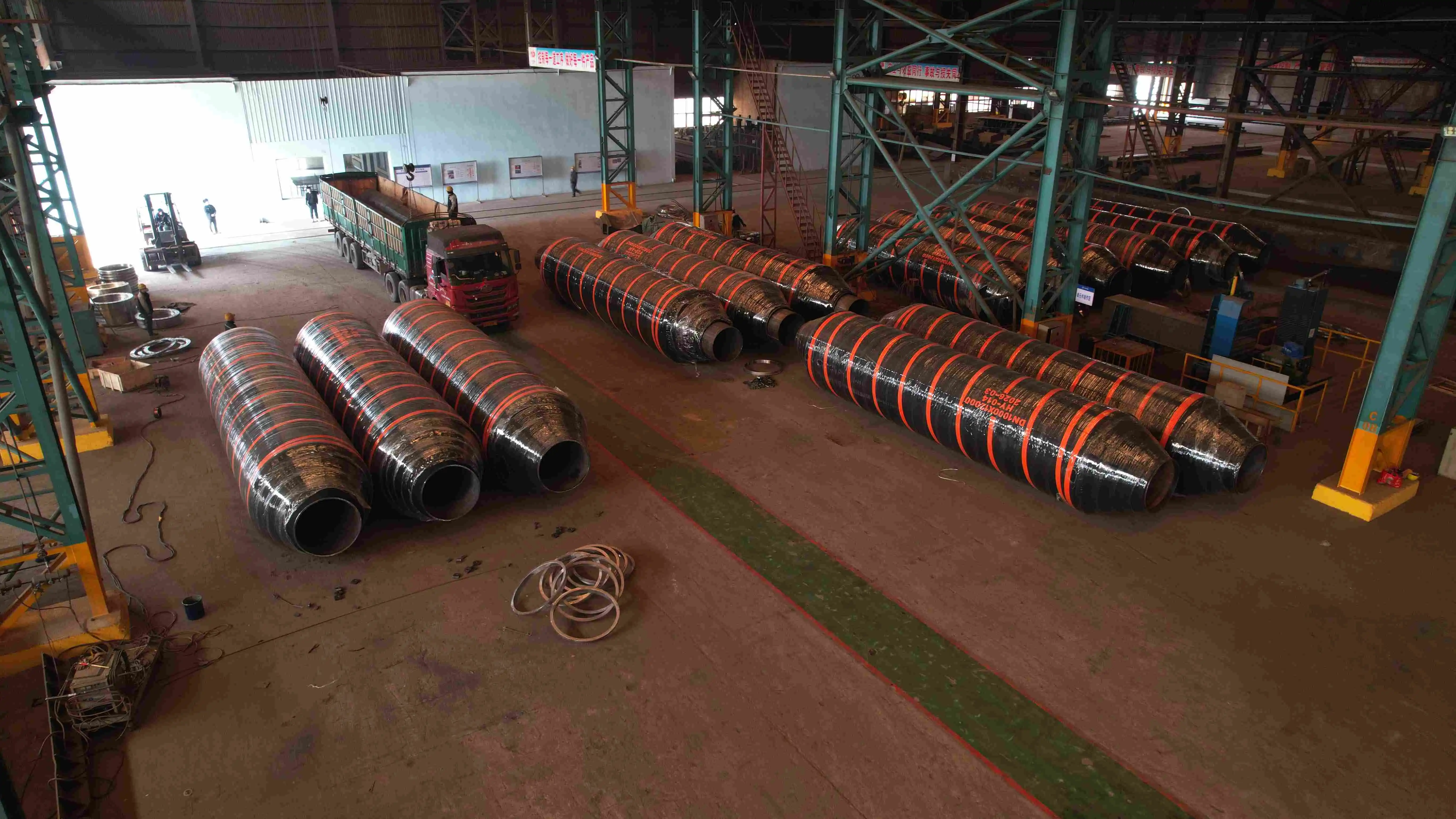
In addition to certifications, looking into a manufacturer's production skills can help you figure out if they can meet the needs of your project. Our 120,000-square-meter factory in the Shenyang Economic-Technological Development Zone has automatic welding systems, precision cutting tools, and testing facilities that work together to support a production capacity of 60,000 tons per year. We can keep an eye on quality throughout the whole manufacturing process and still be flexible enough to make custom solutions with this vertically integrated approach.
Lead Times and Delivery Logistics
Project plans often rest on tools arriving on time, so supplier dependability is an important thing to think about when buying something. Standard Steel Pontoon modules usually ship twenty days after an order is confirmed. Lead times are longer for units that need special treatments to protect them from rust in harsh settings, which adds another twenty-five days. These schedules show how our production processes have been improved and how our supply chains for raw materials and specialty finishes have been set up.
Logistics for delivery need to be carefully thot out, especially for projects in remote areas or places with limited infrastructure. Our packaging rules make sure that Steel Pontoons can withstand the stresses of shipping while reducing the amount of stuff that needs to be shipped by using smart nesting and stacking arrangements. During the procurement negotiations, buyers should talk about delivery arrangements and make sure everyone knows who is responsible for clearing customs, transporting goods within the country, and receiving them on-site. Because we've worked on foreign projects before, we can suggest logistics partners and paperwork processes that make it easier to send packages across borders.
Total Cost of Ownership Analysis
Lifecycle prices include more than just the cost of the item itself. A full financial analysis should include the costs of installation labor, necessary maintenance, inspections, and the eventual costs of shutting down or getting rid of the equipment. Our Steel Pontoons have a 70% lower maintenance cost than concrete alternatives. This savings adds up over twenty years, and it often covers the higher cost of buying them in the first place.
Cost optimization for a Steel Pontoon can also be done through multi-project commitments and discounts for buying in bulk. Our account management team works with clients who are planning more than one launch to set prices that are fair for long-term partnerships and make sure that our production capacity fits with their project schedules. Our 70% client retention rate shows that we are dedicated to providing value beyond the original transaction by providing quick technical help and high-quality products every time.
Customization and OEM Services
Standard Steel Pontoon designs work well for many uses, but for more complicated projects, custom solutions are often needed to deal with specific weather conditions, load profiles, or interaction needs. Our full OEM and ODM services let customers choose their own sizes, reinforcement patterns, coating systems, and how to add accessories. From coming up with ideas to testing prototypes, the engineering team works with buyers to make sure that finished goods meet or beat performance standards.
Specialized features can also be customized, such as built-in brackets for attaching instruments, custom paint schemes for company branding or safety visibility, and strengthened sections that can handle concentrated point loads. We offer prototyping services so that clients can make sure their designs work before they commit to full production runs. This lowers risk and makes sure that the finished Steel Pontoons work well with their overall project systems. Suppliers who see client success as important to their own business goals are more likely to use this consultative method than suppliers who only want to make sales.
Ensuring Safety and Compliance in Steel Pontoon Usage
Regulatory compliance and operational safety protocols keep people, property, and environmental resources safe while also making sure that floating platforms can be used legally. Understanding the standards that apply and following strict testing procedures are important duties for platform workers.
Regulatory Standards and Certification Requirements
Floating platforms used in industrial settings have to follow a lot of rules that make sure the structure is safe, the environment is protected, and workers are safe. International standards, like ISO 17357, set performance requirements for offshore Steel Pontoon buildings. These standards cover everything from choosing the right materials to taking them down. Regional governments may add extra rules that are based on the local environment or the priorities of regulations.
Our ways of making things are in line with EN 1090 standards for structural steelwork execution, AWS welding guidelines, and JIS standards for material quality. This multi-standard compliance makes sure that Steel Pontoons meet the rules in many different places, which makes the approval process easier for foreign projects. Buyers should make sure that the planned Steel Pontoon specifications follow the rules in the area where they will be using the float and ask for proof that the maker followed those rules.
Inspection Protocols and Maintenance Schedules
Proactive inspection programs find problems as they arise, before they damage the platform or put people at risk. Operators should set up regular inspection plans based on how often the platform is used and how exposed it is to the environment. Platforms that carry big loads all the time or work in corrosive sea settings should be inspected more often. Inspections are usually done every three months for visual checks or once a year for full structure checks that include coating condition studies and buoyancy verification tests.
Weld seams, coating stability, structural links, and mooring attachment points are some of the most important parts to check. Rust stains show that the coating is breaking down, warping shows that the object is overloaded, and strange settling patterns show that the object is losing its stability. Maintaining teams should carefully write down what they find during inspections, keeping track of condition trends that help them decide which repairs to do first and when to replace things. Our technical support team can help you set up inspection protocols that are specific to your business and can also suggest qualified inspection service providers in different areas.
Load Capacity Verification and Operational Limits
To keep operations safe, platform operators need to know and stick to the design load limits. Different types of Steel Pontoons have different load rates based on their size, how they float, and how strong their structures are. Going over these limits could cause a catastrophic failure that could destroy technology, hurt people, or damage the environment. Project managers should make sure that everyone working on or near floating platforms knows about the weight limits and set up ways to stop people from overloading without permission.
When you think about steady weight, you also have to think about dynamic loads like waves, wind, and moving objects. While safety factors were taken into account during design, operators should not do things that put platforms under impact loads or cyclic stresses that are higher than what was expected during design. When operational needs change, like putting in place heavier equipment than planned, checking with the manufacturer to make sure the load is compatible prevents unsafe situations and possible liability exposures.
Conclusion
Due to their superior strength, environmental resilience, and cost-effective lifetime benefits, Steel Pontoon structures provide unmatched dependability for heavy-duty platform uses. High-quality materials, precise manufacturing, and flexible design work together to make floating infrastructure that can handle tough industrial tasks in the energy, transportation, building, and infrastructure sectors. The success of a project depends on careful planning and research into the credentials of suppliers, their ability to make changes, and the total cost of ownership. Zhongda's all-around approach, from DNV GL-certified manufacturing to ongoing technical support, gives industrial clients the trust and efficiency they need for important floating platform applications.
FAQ
What load capacity can steel pontoons support?
How much weight can Steel Pontoons hold? Load ability depends on the size and shape of the float. Our Q235B Steel Pontoons have polyurethane foam filler and widths from 300mm to 800mm. They float more than 500kg/m³. Modular assemblies hold up everything from people and light materials to heavy machinery that weighs several tons. The exact capacity calculations depend on the size of the platform, the water level, and how the loads are spread out. Get in touch with our engineering team with the details of your project to get exact load rates that are made for your needs.
How do steel pontoons perform in harsh weather?
ISO 17357 testing procedures have shown that our Steel Pontoons can withstand winds and waves up to level eight. The galvanizing steel construction and strengthened framework keep the structure strong during storms, changes in temperature, and exposure to saltwater, which is very corrosive. Improved anti-corrosion coatings give installations in especially harsh environments extra protection. Projects in offshore conditions off the coast of Northern Europe and along the coasts of tropical regions show that the technology works reliably in a wide range of climates.
What maintenance do steel pontoons require?
Visual checks every three months and full structural studies once a year keep things in good shape. The protective coatings don't let biofouling or corrosion happen, so they only need to be cleaned and touched up every so often. Over the typical twenty-year or more service life, maintenance costs are about seventy percent less than for concrete alternatives. When compared to more complicated repairs needed for other materials, simple repair methods like welding or coating renewal cause less downtime.
Partner with Zhongda for Reliable Steel Pontoon Solutions
Every floating platform project that Zhongda works on is backed by 20 years of experience making things out of steel. As a reliable Steel Pontoon manufacturer, we offer solutions that are perfectly matched to your operational needs by combining advanced manufacturing with full customization services. Our DNV GL-certified goods, which are backed by ISO 9001, 14001, and 45001 quality systems, give your building investments the performance and durability they need. Our engineering skills are trusted by project teams at China Railroad, CSCEC, and international clients in Southeast Asia, Northern Europe, and other places. Get in touch with Ava@zd-steels.com to talk about your floating platform needs and find out how our BIM-driven manufacturing, quick delivery times, and helpful technical support can help your project succeed faster. You can look at all of our structural steel options at zd-steels.com.
References
1. Smith, J.R. & Anderson, P.L. (2021). Marine Structural Engineering: Design Principles for Offshore Platforms. Maritime Technology Publications.
2. International Organization for Standardization (2020). ISO 17357: High-Strength Friction Grip Bolts and Associated Nuts and Washers for Structural Applications - Offshore Structures. Geneva: ISO Standards.
3. DNV GL (2019). Certification Standards for Offshore Floating Equipment: Safety and Performance Requirements. DNV GL Maritime Publications.
4. Chen, W. & Liu, H. (2022). "Comparative Lifecycle Analysis of Floating Platform Materials in Industrial Applications," Journal of Structural Engineering and Marine Systems, 38(4), 412-429.
5. American Welding Society (2020). AWS D1.1 Structural Welding Code - Steel: Specifications and Quality Requirements. Miami: AWS Technical Publications.
6. Roberts, M.T. (2021). "Modular Pontoon Systems in Heavy Construction: Case Studies from Global Infrastructure Projects," International Journal of Construction Engineering and Management, 15(2), 89-106.
YOU MAY LIKE