
Custom Breeding Shed Design for Large-Scale Agricultural Projects
2026-08-22 13:00:00






When scaling agricultural operations, investing in custom livestock infrastructure becomes non-negotiable. A Breeding Shed designed for large-scale operations goes far beyond conventional animal housing—it represents a precision-engineered solution that integrates biosecurity protocols, climate control systems, and modular scalability to safeguard animal welfare and maximize reproductive efficiency. Unlike generic barns, these structures address critical pain points in commercial breeding programs, including disease transmission risks, thermal stress during breeding cycles, and logistical bottlenecks during herd expansion. Procurement managers seeking long-term asset protection and operational continuity must prioritize custom designs tailored to specific species requirements, regional climates, and future growth trajectories.
Understanding the Core Requirements of Breeding Sheds for Large-Scale Operations
Defining Strategic Benefits Beyond Standard Housing
There are problems that only commercial breeding companies can solve that regular animal homes can't. A well-built livestock building is the most important thing you can have to protect your genetic investments and make sure your animals will reproduce normally. Modern facilities use zoning to keep breeding, maternity, and quarantine areas separate. This is very important for keeping biosecurity threats under control and stopping cross-contamination. According to research from the American Society of Agricultural and Biological Engineers, controlled breeding settings can increase conception rates by as much as 22% compared to open-barn setups. This has a direct effect on the profitability and quality of the herd.
Essential Features Supporting Scalable Livestock Production
Size optimization is still very important. Structures that are 40 to 120 feet long are usually needed for large operations so that they can fit multiple breeding pens and veterinary stations without making it hard for animals to move around. With modularity, building can be done in stages that match the growth of the business. For example, sections can be added for new breeding stock without stopping current activities. Ventilation systems need to move 60 to 100 tons of air every hour during the busiest summer months and keep the building draft-free in the winter. During breeding seasons, controlling the temperature becomes very important. Keeping the temperature in the 60–75°F range has been shown to improve fertility in both pig and cattle operations.
Biosecurity Infrastructure as a Non-Negotiable Component
Commercial-grade buildings are different from regular farm buildings because they have integrated protection systems. This includes protected entry routines with footbath stations, construction details that keep rodents out, and drainage systems that keep pathogens from building up. Using non-porous wall materials and positive pressure venting, the structure's skin is the main defense barrier that stops airborne diseases from getting in. Procurement teams should look at designs that include anterooms and equipment sterilization zones. These features lower the cost of veterinary care and protect the value of breeding stock.
Critical Design Elements: Combining Functionality with Scalability
Advanced Climate Control Technologies
Temperature and humidity have a direct effect on the patterns of sexual hormones and on how comfortable animals are. Stack effect principles allow natural ventilation systems with ridge vents and sidewall holes to keep air flowing without using motorized energy. These systems are cost-effective for warm climates. In places with extreme weather, operations need mechanical systems like underground ventilation with evaporative cooling pads for hot areas or radiant heating with insulated covers for cold areas. Modern controllers have sensors built in that change the heating and fan speeds based on real-time temperature differences, keeping the structure at a consistent ±3°F temperature. This amount of environmental security makes breeding cycles less variable and increases the uniformity of children.
Structural Material Selection for Longevity and Hygiene
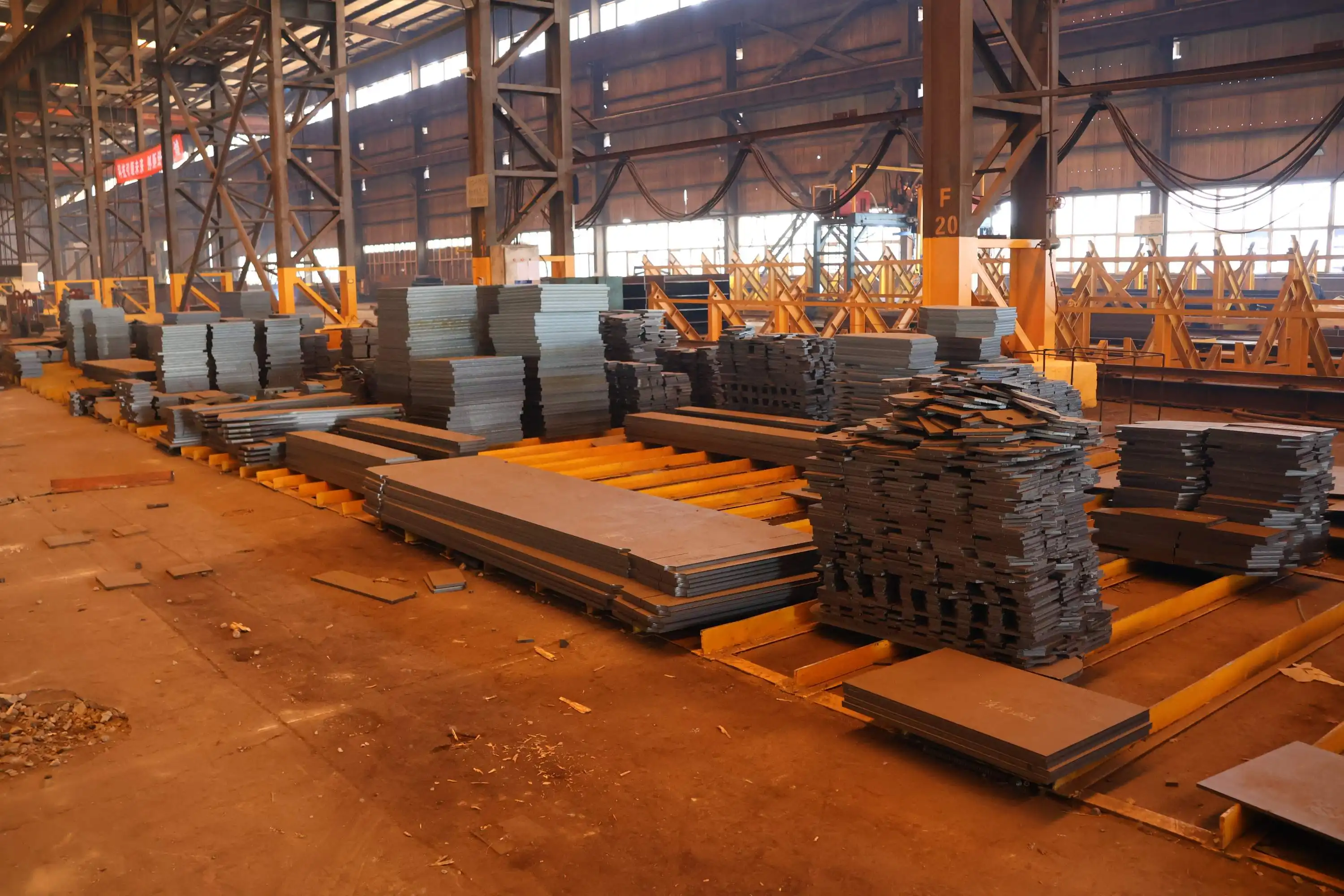
These choices affect both the initial investment and the costs over the product's lifetime for a Breeding Shed. When we design breeding facilities at Zhongda, we use Q345 high-strength steel for the main support because it can hold more weight than other materials and doesn't rust in ammonia-filled settings. Our shed roof steel trusses have spans from 10 to 40 feet, so there are no internal poles to get in the way of moving animals or getting to tools. The standard 2/12 pitch makes sure that water flows off the roof properly and allows for insulation layers without making the roof too tall. Galvalume coatings (AZ150-AZ275) are put on steel parts that make them last longer than 30 years in farming settings where chemicals and wetness speed up wear and tear.
Wall and roof panels need the same amount of care. Insulated metal panels with R-values between 19 and 30 keep heat in and keep surfaces that can be cleaned, which is important for following cleanliness rules. Putting epoxy sealer on concrete floors keeps them from absorbing water and makes pressure washing easier between breeding rounds. The specifications for these materials solve a problem that has been bothering the agricultural sector for a long time: how to balance the initial costs with the costs of upkeep and replacements.
Space Planning for Operational Efficiency
Layout streamlining is what separates facilities that work well from those that don't. Depending on the species, breeding pens should have between 80 and 120 square feet for each animal pair and clear views so that staff can keep an eye on them. When structures use overhead truss designs that support rail-mounted delivery mechanisms, automated feeding systems work with them without any problems. Central service corridors that are wide enough for veterinary carts and cleaning equipment—usually 8 to 10 feet—are good for mating pen clusters. Modular bay space lets you add automation in the future without having to change the structure, which protects your technology investments as your business grows.
Building and Maintaining Your Custom Breeding Shed
Planning Phase and Quality Assurance Protocols
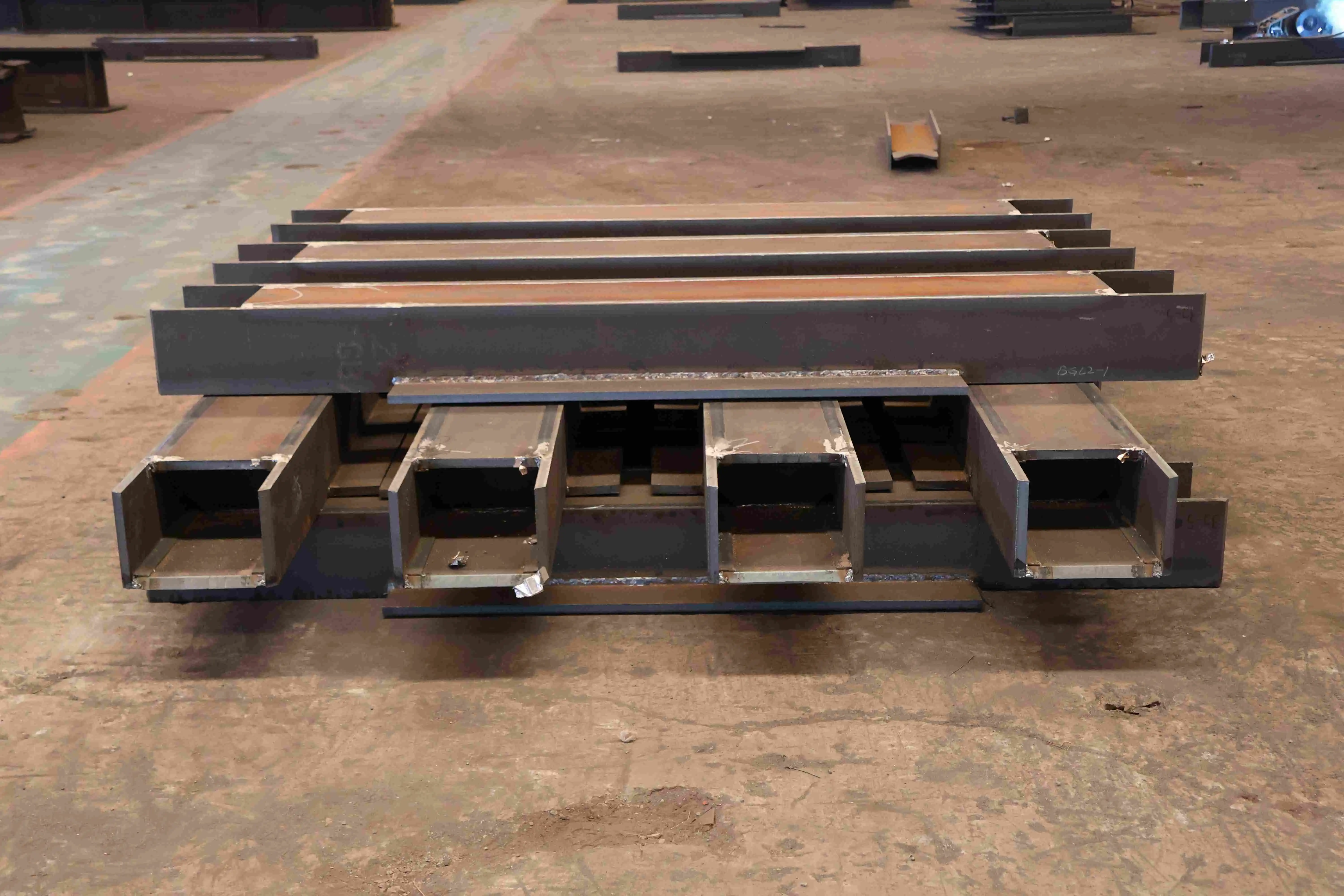
For construction to go smoothly, geotechnical studies must first prove the building's load-bearing ability for storing equipment and heavy animals. Site drainage assessments stop rainwater from seeping into structures, which weakens them and creates breeding grounds for pathogens. Working with manufacturers that use BIM-driven prefabrication makes sure that the measurements are correct and cuts down on mistakes that happen during construction. At Zhongda, our engineering team does load calculations that take into account wind uplift, snow buildup, and the weight of equipment that is hung. They then come up with designs that are 15-20% safer than what the local code requires.
Construction Execution and Supplier Collaboration
Agriculture workers with a lot of experience know how to meet the specific needs of breeding sites. They make sure that the plans for setting concrete and putting up steel don't clash, which would make the project take longer than planned. Before installing the wall panels, the mechanical and electrical rough-ins need to be lined up with the structural framing. This means that the conduit pathways and ventilation ductwork need to be in the right place. Choosing suppliers that offer a wide range of services makes this coordination easier. Zhongda's turnkey method includes on-site control during the most important parts of the installation process. This makes sure that our engineered designs work correctly in the real world.
Maintenance Protocols for Long-Term Performance
Regular maintenance protects investments in both structures and biosecurity for a Breeding Shed. Inspections should be done every three months to look for rust in the roofing fixings, the bearings of the ventilation fans, and the stability of the door seals. Every year, organic buildup that harbors pathogens is removed by pressure washing, and then antimicrobial coatings are reapplied to surfaces that people touch a lot. According to the manufacturer, mechanical systems need to have their filters changed and their motors oiled. If these tasks aren't done, ventilation will work less well, and more energy will be used. Bolted connections in structural steel should be checked and retorqued as needed to keep the load transfer integrity. Even though they require small ongoing investments, these practices stop catastrophic breakdowns and make facilities last longer than 40 years.
Comparing Market Solutions: How to Choose the Right Breeding Shed for Your Project?
Evaluating Configuration Options
To make a purchase choice, you need to know the pros and cons of both pre-engineered kits and fully unique designs. Kit options have lower start-up costs and more reliable delivery times, making them good for businesses with normal animal populations and mild temperatures. Custom-engineered buildings can work with unusual site conditions like odd lot sizes, high environmental loads, or the need to integrate specialized equipment. They let you change the distance between columns and the height of the eaves, which makes work go more quickly. Costs are usually 15–30% higher for custom builds, which makes sense when you consider that operational efficiency gains add up over decades of use.
Different temperature zones and species have different insulation needs. Uninsulated buildings work fine in cold areas with hardy breeds, but they become dangerous when the temperature drops or rises a lot. Insulated aluminum walls cost more up front, but they save 40 to 60 percent on heating and cooling costs, and most businesses can get their money back in less than five years. Portable or movable buildings are useful for certain situations, like short-term breeding programs or leased land agreements, but they lack the sturdiness and biosecurity benefits that permanent installations offer.
Supplier Evaluation Criteria
The success of a project depends on choosing the right production partner. Check the production ability to make sure that big orders are delivered on time. For example, Zhongda, which produces more than 60,000 tons of goods every year, can handle huge purchases without any problems. Certifications are important. For example, ISO 9001:2015 for quality management and EN 1090 for structural steel standards show that you are committed to using consistent manufacturing methods. Check to see what kind of engineering help the seller offers. Companies that offer in-house structural analysis and custom design services are more valuable than those that just sell steel.
Support after the sale is what sets premium suppliers apart from transactional ones. Investments are protected by guarantees that cover both material flaws and the performance of the coating. Costly construction delays can be avoided by getting technical help during installation troubleshooting. Zhongda has a network of more than 100 engineers who can help with any part of a project, from the initial design discussions to decades of operating service.
Leveraging Technology and Innovation in Breeding Shed Design
Smart Monitoring and Automation Integration
IoT-enabled weather controls are being used more and more in modern breeding practices. Wireless sensor networks collect data on temperature, humidity, and ammonia levels in many areas and send it to central management systems. Automated changes keep conditions at their best without any help from a person, which cuts down on labor costs and improves accuracy. Lighting systems that are set to an animal's circadian rhythms improve its health and the way its reproductive hormones work. Studies have shown that the right amount of light at the right time can speed up puberty and make an animal more ready to breed.
When these tools are being designed, they need to be able to work with certain structures. Framing systems must include enough electricity service capacity, ways for cables to run, and places to put equipment. Zhongda's building plans include equipment platforms and utility runs that allow for improved automation without affecting the building's strength.
Sustainable Design Trends Delivering Operational Savings
Modern building design combines caring for the environment with cutting costs. Steel can be recycled, which fits with companies' goals for environmental responsibility, since structures can be taken apart and materials can be reused with little waste. High-performance insulation and reflective roof coatings cut HVAC energy use by 35 to 50 percent, which lowers costs and the environmental impact at the same time. Rainwater collection systems built into roofs provide process water for cleaning, which lowers the amount of water that cities need to use.
Modular building methods allow for cost-effective growth. Increasing the number of breeding areas can be done by simply extending existing structural bays instead of building whole new buildings. This ability to grow saves initial investments and lowers the cost of equipment per animal as the business grows. Zhongda uses advanced manufacturing methods, such as CNC precision cutting and robotic welding, to make sure that growth modules fit perfectly with existing structures. This keeps the architecture consistent and the structure performing well.
Conclusion
To make custom breeding infrastructure for big farming projects, you have to balance short-term budget concerns with long-term operational performance, and a Breeding Shed from Zhongda delivers this balance. The dependability that industrial breeders need is provided by steel-framed buildings that are designed with the right temperature control, biosecurity features, and scalable plans. Material choices that focus on hygiene and durability lower lifetime costs and protect important breeding stock. Agricultural businesses are under more and more pressure to be more efficient and care for their animals better. Investing in purpose-built facilities gives businesses a long-term competitive edge. If procurement experts put customization, seller knowledge, and long-term value creation at the top of their list of priorities, they will be able to secure building assets that support growth and profitability for as long as they are in use.
FAQ
What span lengths work best for commercial breeding facilities?
For commercial purposes, clear spans need to be between 30 and 60 feet to allow for multiple breeding pens and free flow inside the building without columns getting in the way. Zhongda's shed roof steel trusses can easily support spans of up to 40 feet when made from Q345 steel. Engineered versions are also available for bigger spans that need extra support. Wider spans make it easier for equipment to move, but they also need heavier structural members, which raises the cost. A site-specific analysis checks the balance between optimizing the span and staying within the budget.
How do steel breeding sheds compare to traditional wood construction?
There are big benefits to using steel in farming settings. Unlike wood, steel doesn't break down when it gets wet, doesn't get termites, and doesn't catch fire easily. These are all very important things in animal facilities where there is a lot of wetness and sleeping materials can catch fire. Steel has a better strength-to-weight ratio than other materials, so it can support heavier loads and wider clear spans. Even tho steel may be 10–20% more expensive than wood at first, it has a better lifetime value because it lasts 30–40 years and doesn't need much upkeep. Steel structures also stay stable in their dimensions, so they don't bend or settle over time as wood buildings do.
What ventilation rates are necessary for breeding operations?
Different species, stocking densities, and climates have different ventilation needs. In the summer, pig farms need 60 to 100 CFM per sow. In the winter, rates need to be lowered to 20 to 30 CFM to keep the air clean and the heat in. Depending on the animal's size and whether it is lactating, cattle companies need 200 to 400 CFM per animal. Variable-speed fans and controls that change ventilation rates based on the season are part of good design. This keeps energy use low and air quality high. Not enough airflow allows ammonia and bacteria, which has a direct effect on an animal's ability to reproduce and its health.
Partner with a Trusted Breeding Shed Manufacturer for Your Next Project
Zhongda Steel has 20 years of experience building infrastructure for agriculture that can help with your breeding facility projects. As a certified Breeding Shed supplier with ISO 9001/14001/OHSAS 45001 credentials and First-Class Steel Structure Engineering Qualification, we deliver engineered solutions backed by rigorous quality control and technical support. Our 120,000 m² manufacturing facility produces custom steel trusses with precision tolerances, galvanized corrosion protection, and modular designs that accommodate future expansion. Whether you're developing a new breeding operation or upgrading existing infrastructure, our engineering team provides comprehensive design services tailored to your livestock type, climate conditions, and operational goals. Contact Ava@zd-steels.com to discuss your project requirements and discover how Zhongda's proven steel solutions can protect your breeding investments for decades. Visit zd-steels.com for detailed specifications and case studies demonstrating our global project experience.
References
1. Harner, J.P., Smith, J.F., & Murphy, J.P. (2019). Environmental Systems for Livestock Housing: Design Principles and Performance Standards. American Society of Agricultural and Biological Engineers.
2. Midwest Plan Service. (2020). Structures and Environment Handbook for Beef Cattle Operations (15th ed.). Iowa State University Extension.
3. National Institute of Animal Agriculture. (2021). Biosecurity Infrastructure Requirements for Commercial Breeding Facilities. NIAA Technical Bulletin Series.
4. Steel Construction Institute. (2018). Design Guide for Agricultural Steel Buildings: Load Specifications and Material Standards. SCI Publication P420.
5. Livestock Housing Research Group. (2022). Climate Control Technologies and Reproductive Performance in Intensive Breeding Systems. Journal of Animal Science and Technology, 45(3), 287-304.
6. American Institute of Steel Construction. (2017). Steel Construction Manual for Agricultural Applications (14th ed.). AISC Standards Committee.
YOU MAY LIKE