
What Are the Key Features of a High-Quality Breeding Shed Structure?
2026-08-22 13:00:00






A high-quality breeding shed structure centers on robust engineering principles that directly impact livestock welfare and operational efficiency. These specialized agricultural buildings demand superior structural integrity, intelligent environmental control systems, and materials capable of withstanding harsh conditions while meeting biosecurity standards. Unlike conventional storage facilities, breeding sheds require clear-span designs allowing unobstructed animal movement, advanced ventilation architectures preventing disease transmission, and corrosion-resistant frameworks that endure ammonia-rich atmospheres. When procurement professionals evaluate breeding shed solutions, understanding how steel roof trusses, foundation specifications, and coating technologies interact determines long-term productivity. The right structure balances initial investment with lifecycle value, delivering safe, compliant spaces where livestock thrive, and operational costs remain predictable across decades of service.
Understanding the Core Requirements of a Breeding Shed
Breeding Sheds are useful for more than just protection. They make controlled microclimates where the quality of the air, temperature, and humidity have a direct effect on the health of the animals. The American Society of Agricultural and Biological Engineers has released studies that show that bad structural design can make diseases up to 40% more likely, which leads to big losses in production. Your breeding facility needs to deal with three main problems: keeping the animals from being too hot or too cold during extreme weather; getting rid of excess wetness that can grow pathogens; and making sure there are biosecure walls between the animals and outside contaminants.
Defining Functional Performance Metrics
Performance measures help with purchasing choices by giving a number to what "quality" really means in the real world. The structural load capacity of your shed roof steel trusses tells you if they can hold heavy equipment like solar panels or automated feeding systems without needing extra support. How well ventilation works, which is measured in air changes per hour, is directly related to the amount of ammonia in the air, which is very important for the health of the lungs in pig and chicken farms. Durability standards, like a minimum 25-year service life in corrosive settings, protect your investment, and repair gaps tell you how often your operations will be interrupted.
Identifying Critical Operational Challenges
Breeding operations have unique problems that can't be solved by normal farming arrangements. To keep breeding groups from getting sick from each other, biosecurity rules require surfaces that are smooth, easy to clean, and limited entry spots. How space is used affects breeding density ratios, which in turn affects how well reproduction works and how stressed animals are. Purchasing managers often have problems with floors sinking because the foundations aren't strong enough. This makes water issues and health risks worse. In buildings that aren't well sealed, thermal bridges cause condensation drips, which are also known as "shed rain" in the industry. These drips damage sleeping materials and raise the risk of disease.
Key Structural Features and Materials of a Breeding Shed
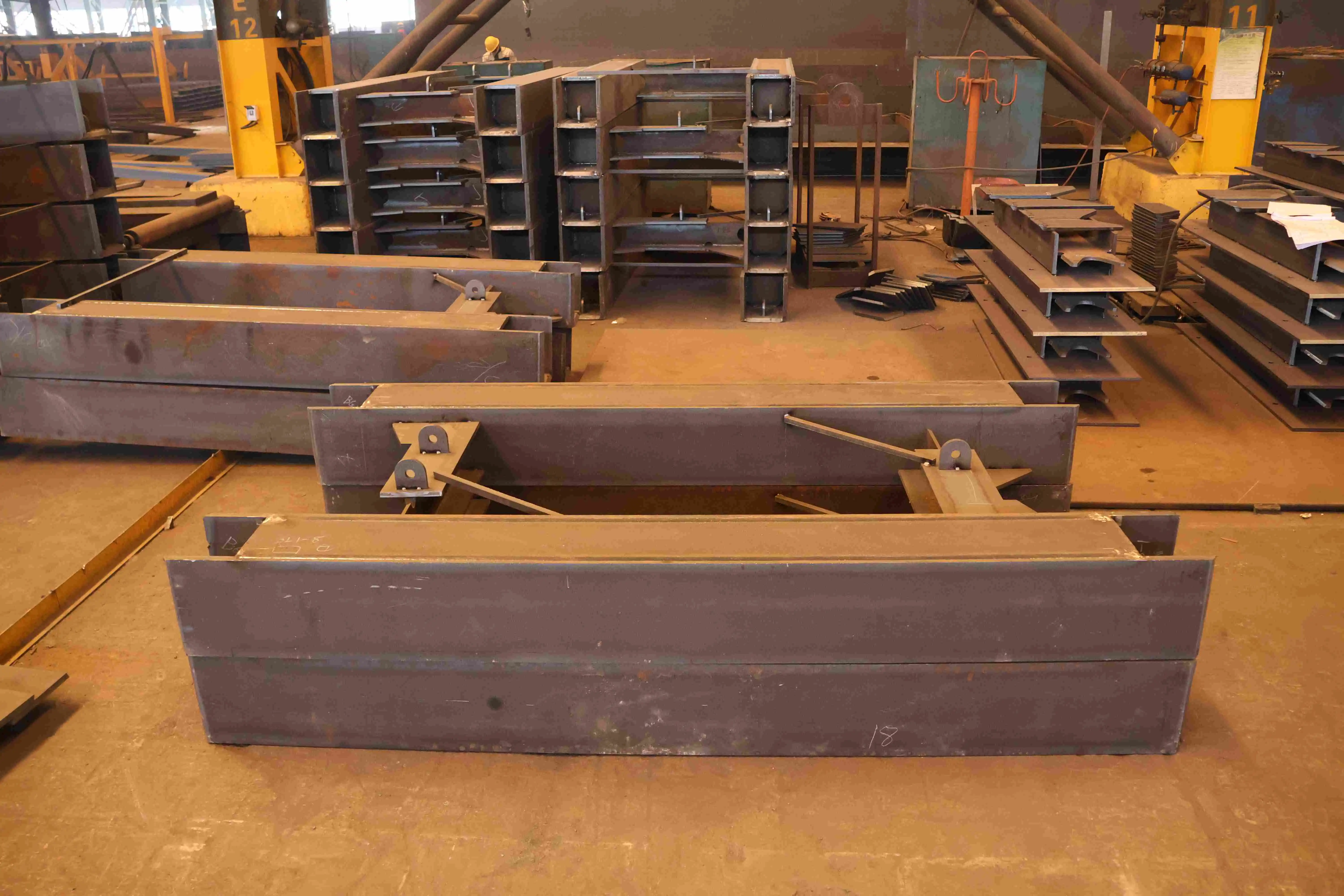
Choice of material is the key to making a Breeding Shed last and work well. When deciding between wood, metal, and prefabricated steel systems, you need to look at more than just the initial cost.
Optimal Steel Framework Design Principles
Steel frames made from Q235 or Q345 grade materials have great strength-to-weight ratios that are important for breeding centers. Shed roof steel trusses with spans from 10 to 40 feet get rid of the need for interior columns. This leaves the floor clear, which makes it easier for animals to move and for equipment to work. Standard pitch setups at 2/12 make it easy for water to drain while still allowing for the insulation layers needed to keep the temperature stable. Connection types have a big effect on how strong a structure is. For example, bolt connections make assemblies more flexible and allow for future changes, while welded joints are more rigid for high-load situations.
When you compare steel beams to standard wooden ones, you can see how much better they are. Steel is resistant to warping, pest infestation, and damage from water, all of which commonly happen to wooden structures in places with a lot of ammonia. Galvanized or aluminum-zinc-coated steel (AZ150 to AZ275 grade) provides corrosion barriers that meet ASTM A792 standards. These barriers are important for keeping structures strong for many years. According to standards in the building industry, prefabrication in a controlled factory setting ensures dimensions are accurate within ±0.2mm, which cuts installation time on-site by about 60%.
Ventilation and Insulation System Integration
Good Breeding Sheds are different from great ones because they have effective weather control. Cross-ventilation systems with ridge vents, sidewall holes, and automatic exhaust fans keep the air exchange rates at their best. When anti-condensation fleece is put on roof panels, it controls the flow of moisture and stops the buildup of damaging condensation that happens when temperatures change. Insulation materials with thermal resistance values (R-values) that are right for the temperature in the area lower the costs of heating and cooling while keeping the inside stable, which is very important for the survival of young animals.
Comparative Material Analysis
Here are some of the different materials that can be used to build a Breeding Shed:
Wood Structures: Traditional lumber framing saves money up front and uses simple building methods that country builders are used to. But wooden parts soak up water, need chemical treatments to stop rot and pests, and usually need to be replaced or given a lot of care every 15 to 20 years. The clear-span limitations of dimensioned lumber mean that interior support posts are needed, which makes it harder to optimize the layout.
Prefabricated Steel Systems: Steel buildings that are engineered in a factory always have the same high quality because the manufacturing process is controlled. Color-coded building systems and links that are already punched out speed up the installation process. Steel's ability to be recycled fits with sustainability requirements that are becoming more and more important to business purchasing practices. The higher tensile strength lets structures have lower weights while still holding more weight, which is very important when adding hanging equipment or trying to make the building bigger.
Hybrid Composite Solutions: Some new Breeding Sheds have steel frames and insulated composite panels that work together to make one part that is strong, warm, and resistant to the weather. These systems make the order of construction easier and use less energy, but they usually need to be installed by someone with special skills.
When choosing materials, natural factors in the area must be taken into account. Coastal jobs in salt-spray zones need marine-grade coatings and fittings made of stainless steel to stop rust from happening faster. Buildings in places with a lot of snow need to have their roof systems' load calculations improved. These factors have a direct effect on guarantee coverage. For example, makers often set different security terms based on how close the product is to marine settings and how well it adheres to certain coating grades.
Construction and Maintenance Best Practices for Breeding Sheds
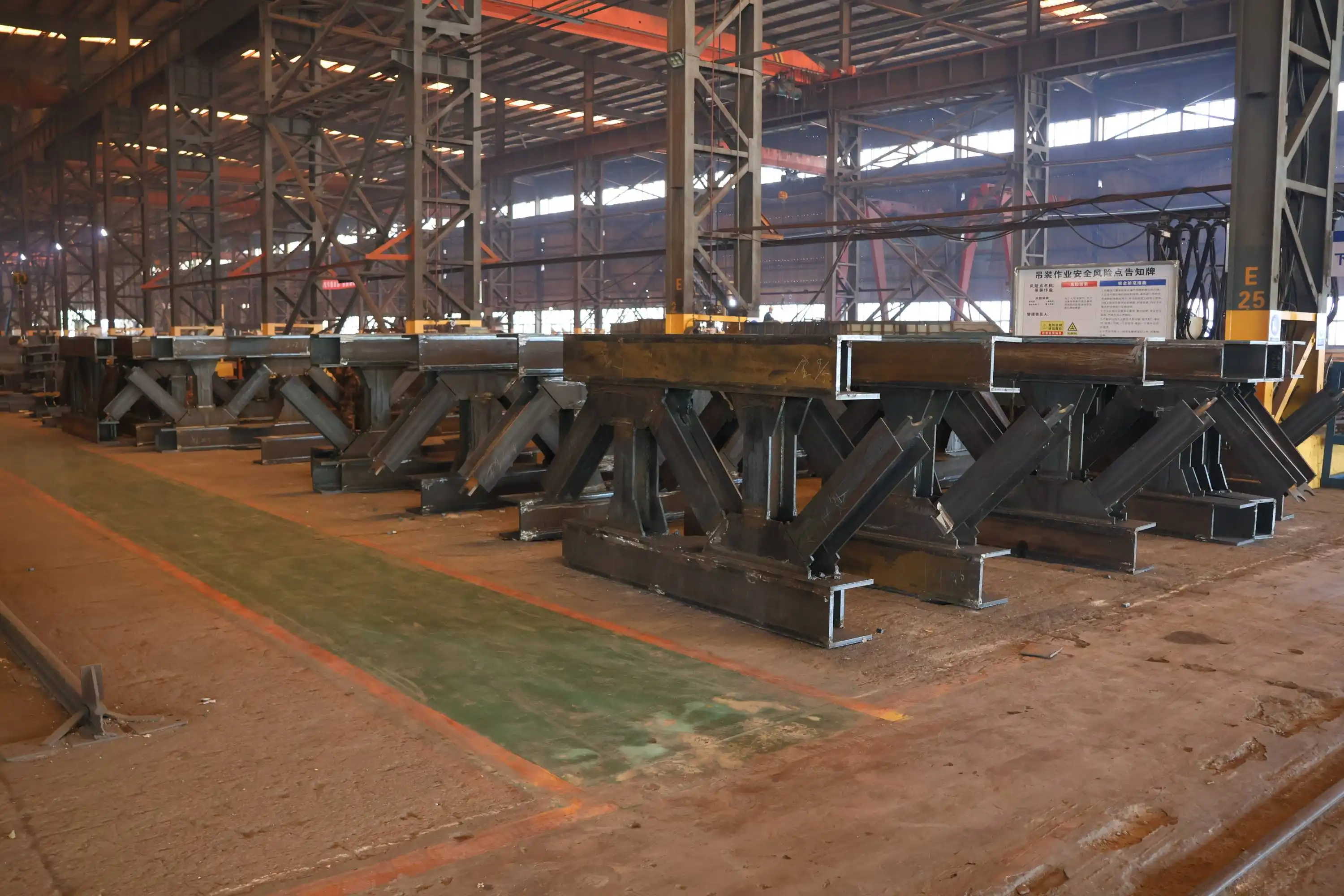
Using the right building methods will determine whether your Breeding Shed works as planned or gives you problems over and over again.
Site Selection and Foundation Requirements
Preparing the site affects every other phase of construction. Not enough drainage stops groundwater from seeping in, which weakens floors and makes the area unsanitary. Soil holding capacity testing makes sure that base designs are in line with geotechnical facts. This is especially important for buildings that hold big machinery or support systems that store food at high levels. For a reinforced concrete slab foundation, the thickness should be between 100 mm and 150 mm, and the edge beams should be designed to support uplift loads that are based on wind pressure coefficients and the shape of the building.
Quality Checkpoints During Installation
Quality of installation has a direct effect on how well and how long a structure works. To make sure that loads are spread out evenly and stress doesn't build up in one place, truss placement must stay within certain limits. Every joint needs to be checked for connection stability, whether it's bolted or welded, because bad fixing is the main cause of failure in metal building structures. Roofing panels are put up in exact overlap orders, and weather-sealing seals are placed in the right places to keep water out. We've seen that buildings that used staged inspection procedures during construction have 75% fewer flaws after they're finished than buildings that only did final inspections.
Maintenance Protocols Extending Service Life
Schedules for regular inspections of a Breeding Shed find small problems before they get worse and need expensive fixes. Inspections should be done once a year to check the tightness of the fasteners, the condition of the coating, the drainage system, and any signs of structural deflection. Specific cleaning rules for breeding operations include using approved disinfectants to do pressure washing between production cycles, getting rid of organic buildup that hides pathogens and speeds up corrosion. Biosecurity practices include things like designated entry vestibules, equipment cleaning stations, and sealed utility penetrations that need to be kept up by maintenance plans.
Safety and Regulatory Compliance
Breeding Shed design must take into account the needs of occupational safety to safeguard workers during normal operations and in case of emergencies. OSHA guidelines for agricultural sites include having enough exits, fall safety for maintenance areas that are higher up, and enough ventilation to keep dangerous gases from building up. Following the building code includes things like fire resistance ratings, snow load calculations based on ASCE 7 standards, and, if needed, seismic design criteria. Procurement experts can avoid responsibility and make sure they can get insurance by keeping records that show they follow the rules.
Comparative Decision-Making for Selecting Breeding Sheds
To find the best Breeding Shed design, you have to look at a lot of different things that affect the total value of the shed.
Animal-Specific Design Considerations
Different types of livestock have different structural needs. Controlled light penetration, areas that are easy to clean, and ventilation systems that can handle high stocking numbers are all needed for poultry breeding operations. Facilities for raising pigs need strong dividers, special flooring to help with waste management, and temperature zones that can accommodate different stages of production. Cattle Breeding Sheds should have open floor plans with natural air and mechanical systems to help them work. They should also have corrals built in and easy access to feed stores. By knowing these species-specific needs, you can be sure that your structure investment will boost operational output instead of slowing it down.
Prefabricated Versus Custom-Built Solutions
Prefabricated Breeding Sheds have standard designs that are made for common uses. This means that lead times are faster and costs are more reliable. When site factors and operational needs match up with the options that are available, these systems work well. It's possible for custom-built solutions to work with unusual site shapes, existing buildings, or installing specialized equipment, but the design process takes longer, and the engineering costs are usually higher. When making a choice, people usually look at whether the operational benefits of customization are worth the extra cost compared to adapting standard designs.
Total Cost of Ownership Analysis
A full cost analysis looks at the whole lifecycle, not just the initial costs of acquisition. Installation costs depend a lot on how easy it is to get to the spot, how much work costs in the area, and how complicated the foundation is. How much it costs to maintain something depends on how long the material lasts, how good the finish is, and how harsh the working conditions are. The amount of energy used for temperature control affects ongoing operating costs, which are affected by how well insulation and ventilation work. Depreciation plans and replacement planning timelines are based on how long things are expected to last based on the materials used and their exposure to the environment.
Steel structures are more cost-effective over their entire lifecycle in most breeding situations. Even tho the initial cost may be higher than for a simple wooden shed, the annualized costs are lower because steel sheds last longer, require less maintenance, and keep their structural integrity in corrosive environments. Being able to recycle steel parts when they're no longer useful adds another layer to the total cost of ownership calculations. This is because steel buildings retain worth longer than decaying wooden structures.
Evaluating Manufacturer Capabilities
Choice of supplier has effects that last for as long as your Breeding Shed is in use. The ability to manufacture things determines the uniformity of the quality. For example, ISO 9001 certification shows that the facilities have structured quality management, and EN 1090 compliance shows that the facilities are competent in structural fabrication. The reliability of delivery is affected by production capacity, especially for big or multi-phase projects. Having engineering support on hand helps with making changes that work with the site and solving problems that came up during installation that were not expected. The terms of the warranty show that the manufacturer is confident in the product's durability, but the coverage details about environmental conditions and maintenance needs should be carefully looked over. How quickly after-sales service responds decides how long problems last, which has a direct effect on working continuity.
Procurement Insights and Next Steps for B2B Clients
To get the best results from a project, good buying strategies combine technical needs with business facts. When looking at possible Breeding Shed providers, licenses give you a basic idea of how trustworthy they are. Instead of believing what marketers say, look at real project portfolios that show relevant experience. Checking with past clients for references shows the quality of service, how problems are solved, and how reliable long-term support is. Professional standards are shown by how complete the technical documentation is. This includes structural calculations, material certifications, and installation manuals. Logistics skills are especially important for foreign purchases, where coordinating shipping, dealing with customs paperwork, and making sure deliveries happen on time becomes much more complicated.
Supplier Evaluation Criteria
When looking at possible Breeding Shed providers, licenses give you a basic idea of how trustworthy they are. Instead of believing what marketers say, look at real project portfolios that show relevant experience. Checking with past clients for references shows the quality of service, how problems are solved, and how reliable long-term support is. Professional standards are shown by how complete the technical documentation is. This includes structural calculations, material certifications, and installation manuals. Logistics skills are especially important for foreign purchases, where coordinating shipping, dealing with customs paperwork, and making sure deliveries happen on time becomes much more complicated.
Contract Negotiation Considerations
Material grades, coating standards, dimensional tolerances, and performance criteria should all be made clear in purchase agreements. Delivery plans need to be based on accurate times that take into account lead times for production, shipping, and possible delays at customs. Payment terms usually include a fee when the order is placed, payments in progress at key points in the making process, and full payment when the goods are delivered, or the installation is finished. Warranty terms must spell out what is covered, how long it lasts, what isn't covered, and how to file a claim. Installation support agreements spell out what the supplier needs to do to provide technical advice, inspection services, and help with commissioning.
Customization and Integration Opportunities
Modern Breeding Shed providers let you make a lot of changes that aren't possible with standard stock items. Changes to the span are made to fit particular site measurements or operational plans. Door designs, such as the number, size, and way of opening, change based on how equipment is used and hygiene rules. Extra features like mezzanines for storage or offices, crane systems for moving things, and utility runs that are built in turn basic buildings into complete working places. Planning for integration makes sure that new Breeding Sheds work well with existing infrastructure in terms of matching elevations, connecting utilities, and creating smooth flow patterns.
Establishing Long-Term Partnerships
Strategic providers become useful partners who help with ongoing business needs. Volume agreements for deployments across multiple sites can often get better prices and make sure that the design is the same at all sites. Supplier knowledge can be used to improve building performance thru technical collaboration on operational problems. Priority service for phases of growth or modifications keeps projects moving forward. When procurement sees ties with suppliers as long-term partnerships instead of one-time transactions, these partnership benefits add up.
Conclusion
High-quality Breeding Shed buildings are important investments in infrastructure that need to be carefully thot out in terms of structural design, material choice, and supply capabilities. When compared to other options, steel roof trusses made from Q235 or Q345 grades are the strongest, most durable, and most space-efficient. A full look at the overall costs over a system's lifetime, not just the original price, shows that professionally designed steel systems are a better deal. A good procurement process strikes a balance between technical specifications that guarantee operational performance and commercial terms that keep project budgets and schedules on track. You can find breeding facilities that improve animal welfare, operational efficiency, and long-term profitability by working with well-known manufacturers with track records, customization options, and quick customer service.
FAQ
What size breeding shed do I need for my operation?
Size depends on the species, the rules for breeding numbers, and how the business works. For raising chickens, you need about two to three square feet per bird, and for cattle, you need fifty to one hundred square feet per animal. When deciding on measurements, think about how the Breeding Shed will grow in the future. Buildings that are too small limit growth, while buildings that are too big add to the cost of climate control without being necessary. Agricultural experts can help you make sure that the size of your Breeding Shed meets requirements for animal welfare and output.
How does ventilation prevent disease in breeding environments?
Pathogens in the air are diluted by good airflow, which also gets rid of harmful gases like ammonia that hurt respiratory systems and wetness that helps bacteria grow. Depending on the stocking density, Breeding Sheds need 6 to 12 air changes per hour. Cross-ventilation with ridge vents and adjustable sidewall openings lets natural air flow thru, and mechanical fans keep the temperature stable when the weather is calm. Anti-condensation treatments on roof panels keep water from building up, which is a perfect environment for pathogens to grow.
Are prefabricated steel breeding sheds as durable as custom-built options?
When made under controlled conditions with regular quality checks, prefabricated steel systems often last longer than custom-built ones. Factory output guarantees uniform welding quality, exact coating application, and physical accuracy that is hard to achieve when building on-site. The important thing is to choose manufacturers with a good reputation who use the right steel grades and corrosion protection systems. Both approaches can last 30 to 40 years if they are built and maintained correctly.
Partner With Zhongda for Superior Breeding Shed Solutions
Shenyang Zhongda Steel Structure Engineering Co., Ltd. has more than 18 years of experience developing and building high-quality Breeding Shed structures that meet the needs of current farming operations. Our company is a licensed Breeding Shed seller with ISO 9001/14001/OHSAS 45001 and EN 1090 certifications. We offer steel roof trusses made from Q235 and Q345 materials, which are very strong and don't rust. Our 120,000 m² factory makes custom solutions with spans from 10 to 40 feet that can meet the needs of a wide range of livestock while keeping precision tolerances of ±0.2mm. Get in touch with our team at Ava@zd-steels.com to talk about your unique project needs and find out how our BIM-driven design approach, advanced anti-corrosion technologies, and full installation support can help you get the most out of your breeding facility investment so it works well for years to come.
References
1. American Society of Agricultural and Biological Engineers. (2019). "Design of Ventilation Systems for Poultry and Livestock Housing." ASABE Standards EP270.5.
2. National Cattlemen's Beef Association. (2020). "Beef Cattle Housing and Equipment Handbook." 8th Edition, Cattle Production Library.
3. Midwest Plan Service. (2018). "Structures and Environment Handbook." MWPS-1, Iowa State University Agricultural Engineering Department.
4. United States Department of Agriculture. (2021). "Animal Welfare Standards for Commercial Livestock Operations." USDA Agricultural Research Service Technical Bulletin.
5. Steel Construction Institute. (2020). "Design Guide for Steel-Framed Agricultural Buildings." SCI Publication P437, UK Steel Construction Sector.
6. Journal of Applied Animal Research. (2022). "Impact of Housing Design on Livestock Productivity and Disease Prevention." Volume 50, Issue 1, pp. 234-248.
YOU MAY LIKE