
Custom Commercial Steel Structure Supports Fast Construction and Long-Term Durability
2026-08-30 13:00:00






When deadlines tighten and budgets demand accountability, the right building solution makes all the difference. A Commercial Steel Structure delivers precisely this advantage—combining factory-precision engineering with on-site speed that traditional construction methods simply cannot match. By leveraging prefabricated components and high-strength materials like Q345 and Q355 structural steels, these systems reduce project timelines by up to 50% while ensuring structural integrity that endures decades of heavy use. Whether you're developing a distribution center in Texas or a manufacturing plant in Ohio, custom steel frameworks provide the reliability, flexibility, and longevity that procurement teams and project managers increasingly demand in today's competitive commercial landscape.
Understanding Custom Steel Structures for Commercial Applications
What Makes These Systems Different from Standard Building Methods
Custom steel frames are different from regular concrete or wood building because they are designed to fit the load requirements and space requirements of your project. We use Building Information Modeling (BIM) technology to create every part, from H-beams to hollow structural parts. This way, we can be sure that the dimensions are correct to within ±0.2mm before production starts. This accuracy gets rid of the need for expensive field changes and redo work. The buildings can be used by retail centers that need interiors without columns, warehouses that need high-bay clearances, and office buildings that need flexible floor plans. Carbon structural steels, like Q235, are very flexible and can handle mild loads well. Low-alloy high-strength steels, like Q345, are better for tough jobs like installing big equipment in multi-story buildings.
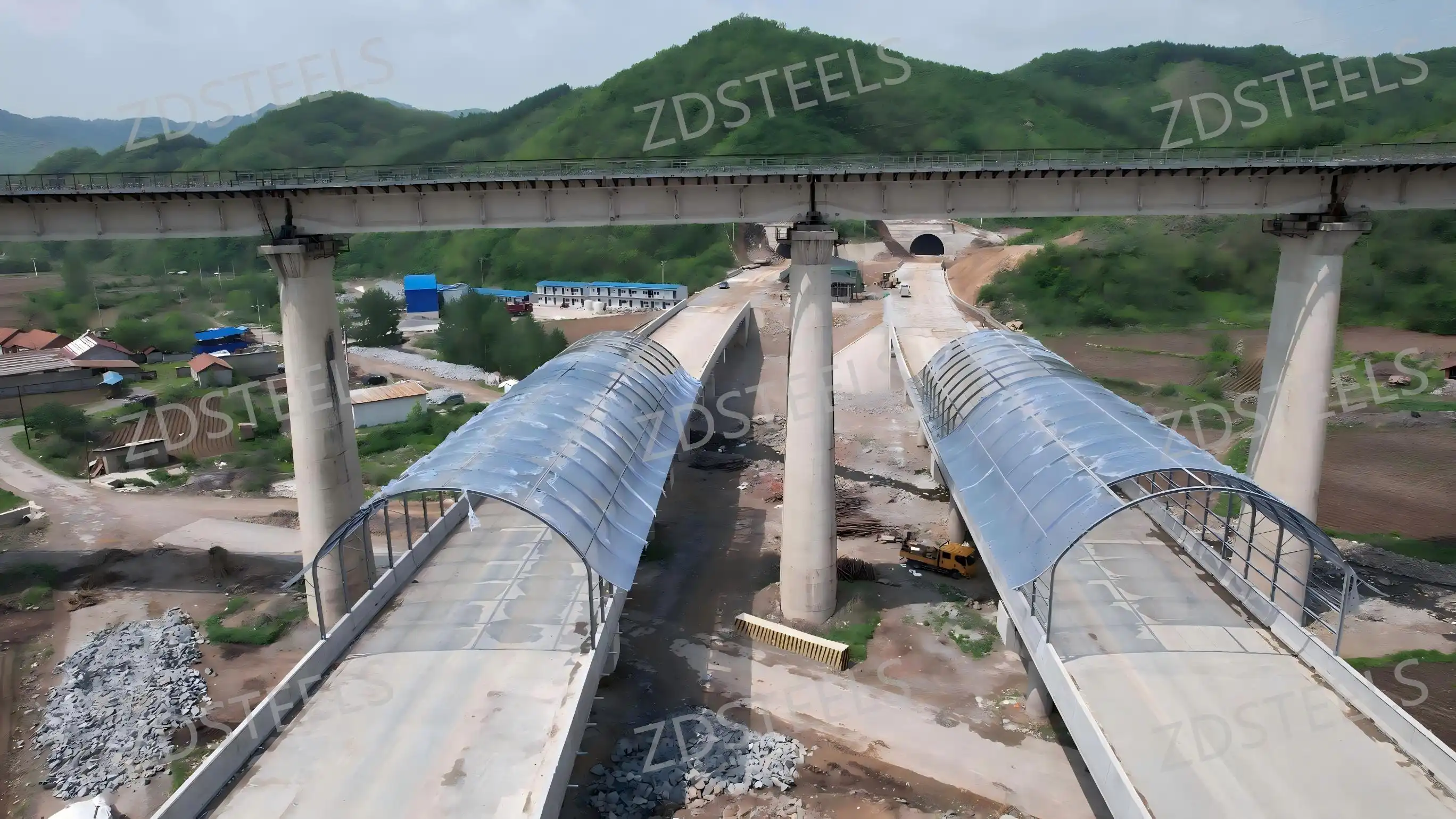
Types and Material Options That Deliver Performance
Design Principles That Balance Strength with Adaptability
Our engineering method puts load-bearing ability first without giving up freedom for the future. Moment-resisting frames work in seismic zones because they let buildings bend in a controlled way during earthquakes, which protects people and property. Welded connections are better for keeping the main structural parts together, while high-strength bolted systems make it easier to put up quickly and make changes in the future. Because steel is so strong for its weight, it doesn't need as much of a foundation. This saves money on excavation and time during construction. Clear-span possibilities go over 60 meters without the need for intermediate supports. This makes the most of the floor space that can be used for warehouses, factories, or stores. This design adaptability meets the changing needs of procurement professionals who know that what is now a building could become an automated delivery center tomorrow.
How Prefabrication Accelerates Your Construction Timeline
Factory-Controlled Production Reduces On-Site Variables
Modular Assembly Techniques That Compress Schedules
Using measured torque equipment, site teams bolt together pre-welded modules, which speeds up the structural links process from days to hours. A recent cold storage facility project in the Midwest showed this benefit very clearly: with traditional tilt-up concrete, it would have taken 14 months from the start of construction to the first person moving in, but our steel system completed the weathertight enclosure in only seven months. The key is to do things at the same time. For example, while foundation contractors prepare the pad, we're making your structural steel. As soon as the concrete hardens, the building starts to go up. This parallel processing cuts the critical path time by a large amount, which lets you start making money months earlier. Less need for site labor also lowers the risk of skilled labor gaps, which are currently a problem in the US building market.
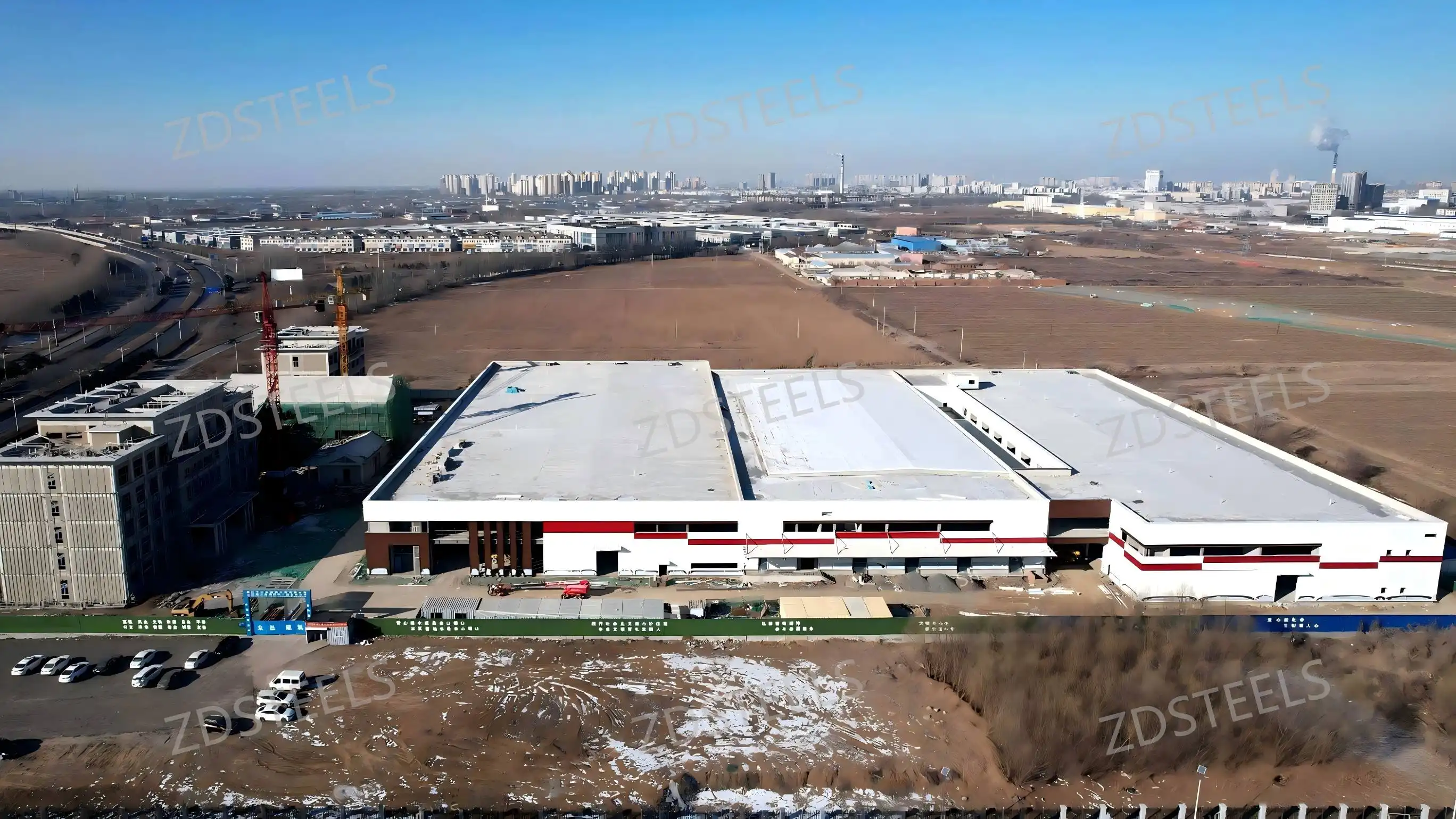
Measurable Time Savings That Impact Your Bottom Line
Long-Term Durability That Protects Your Investment
Material Properties That Resist Structural Degradation
Steel has benefits that build up over decades of use because of the way it is made. The high modulus of elasticity keeps the building's dimensions stable, so it won't warp, shrink, or settle like wood, and it won't break down over time like concrete does. The load-bearing capacity stays the same, so it can handle future equipment updates or higher densities without the need for expensive strengthening. This performance is extended by advanced corrosion protection systems. For example, our -60°C Weathering Steel Anti-corrosion Technology can handle harsh coastal environments from Gulf ports to Great Lakes terminals. Multi-layer epoxy primers and polyurethane topcoats protect chemical processing plants. Regular inspections—every two years is recommended—find small problems before they get worse, which makes planning maintenance easy and inexpensive.
Protective Treatments That Extend Service Life
When structural parts are hot-dip galvanized, Commercial Steel Structure components are submerged in molten zinc. This forms metallurgical ties that can repair small scratches and protect them for decades. We use high-build coating systems for projects that need extra protection against harsh conditions. Zinc-rich bases provide cathodic protection, epoxy intermediates create moisture shields, and aliphatic polyurethanes don't break down under UV light. Different types of fire protection are used for different situations. For example, intumescent coatings expand when heated to insulate steel members, and cementitious sprays protect hidden structural elements at a lower cost. These systems can withstand fires for one to four hours, which is enough to meet insurance standards and life-safety requirements. Corrosion protection and fire protection work together to ensure that your building lasts at least 50 years, even in harsh industrial or seaside environments.
Compliance with Standards That Safeguard Operations
Meeting regulatory requirements keeps your business safe for everyone inside and protects you from liability. Our plans follow the rules set by AISC 360 for structural steel buildings, the IBC for wind and earthquake loads, and OSHA for safe building practices. Environmental standards help reach environmental goals. For example, steel can be recycled over and over again, which counts toward LEED points for material selection, and energy-efficient building envelopes lower the carbon footprint of operations. We are committed to following the best practices around the world, as shown by our ISO 9001:2015 quality certification and our First-Class Steel Structure Engineering Qualification from China's Ministry of Housing and Urban-Rural Development. For government contractors, this paperwork speeds up the approval process and meets Buy America requirements when domestic steel sourcing is required.
Evaluating Total Cost of Ownership Beyond Initial Investment
Lifecycle Analysis That Reveals True Value
Even though steel may have higher material costs than wood frame, a full financial study always shows that steel is a better overall value. Foundation savings from lighter structures often cover 15 to 20 percent of the cost of the frame. When construction is sped up, financing terms are shorter and cash flow starts earlier. For example, cutting a $10 million project's schedule by six months saves a lot of money on carrying costs. Energy efficiency is also important. Insulated metal panel systems have R-values higher than traditional construction, which means that yearly HVAC costs are cut by 20 to 30 percent. Over decades, these savings add up, especially as the cost of energy goes up. Maintenance costs are still very low compared to fixing concrete that has cracked or fixing wood that has rotted. When you consider that steel is flexible and can be expanded or rearranged in the future without having to be torn down, the financial case for long-term building use becomes strong.
Design Flexibility That Accommodates Future Needs
The needs of your business change over time, and so should your building. Steel framing makes it easy to make changes. For example, you can easily add mezzanines, make loading docks bigger, install new HVAC units, or set up automated material handling systems. Bolt patterns in beams and columns allow for future connections, and clear-span designs get rid of load-bearing walls that make it hard to change the layout. This adaptability costs money, because a building that can adapt to new ways of making things or using logistics technologies will always be useful, instead of becoming obsolete too soon and having to move, which costs a lot of money. Steel is naturally flexible, which protects capital investments against changes in technology. This is why cold-chain owners are upgrading their refrigeration systems, makers are installing robotic assembly lines, and retailers are rearranging their stores to handle omnichannel delivery.
Supplier Selection Criteria That Minimize Risk
Why Steel Outperforms Alternative Construction Materials
Performance Advantages in Fire and Seismic Events
Steel's safety performance sets it apart from materials that can catch fire and break easily. Aluminum and wood both catch fire at low temperatures, but steel stays structurally sound during fires as long as it is properly protected. This makes it safe to evacuate and fight the fire. Seismic performance is also very good; steel's ductility absorbs earthquake energy through controlled yielding, which keeps buildings from falling down in a big way. This is why steel framing is usually required for high-rise buildings in earthquake areas like San Francisco and Seattle. Unlike concrete, which changes depending on how it's mixed and how long it cures, this material's features stay the same. This lets engineers make accurate predictions and trust that it will work as planned. This regularity gives buildings that store valuable goods or host important processes peace of mind that can't be replaced.
Sustainability Benefits That Support Corporate Goals
Environmental responsibility is becoming more and more important in purchasing choices, and Commercial Steel Structure solutions offer clear sustainability benefits. Steel can be recycled over and over again without losing any of its quality. Old structures can be reused to create new ones, adding value to the circular economy. Manufacturing processes are also becoming increasingly efficient. For example, steel production today uses 30% less energy than it did 30 years ago, which reduces the carbon footprint of the material. Lighter steel buildings require smaller supports, resulting in less site disruption and reduced concrete consumption. When energy-efficient building envelopes are integrated into steel-framed buildings, they can achieve LEED Silver or Gold certification. This helps companies meet sustainability targets while benefiting from lower utility costs and potential tax incentives. These environmental advantages align with the values of forward-thinking businesses while also delivering measurable financial returns.
Partnering with Certified Manufacturers Like Zhongda
Project success depends on how trustworthy the supplier is. We've been delivering steel structures to more than 20 countries since 2004. Clients like China Railroad, CSCEC, and BMW trust us because we always do a good job. Our work on the Arctic bridge in Russia and the mining sites in Australia show that we can work in harsh environments. Our industrial buildings in Vietnam show that we can adapt to different markets. Our ISO 9001, 14001, and OHSAS 45001 certifications show that we are dedicated to quality, worker safety, and protecting the environment. Following EN 1090 guidelines makes sure that our work meets European building standards, which makes working on foreign projects easier. We don't just make parts; we also engineer solutions, giving you technical support from the idea stage to the final commissioning to make sure your project meets its performance, schedule, and budget goals.
Conclusion
FAQ
How long does typical steel structure construction require?
The length of a project depends on its size and complexity, but we always save 40–60% of the time it takes to build something traditionally. Including base work and envelope installation, moving into a 100,000-square-foot building usually takes 4 to 6 months from the end of the planning phase. Naturally, business buildings with more than one floor take longer—12 to 18 months for mid-rise office buildings—but they are still much faster than concrete options. Our prefabrication method lets us prepare the site and make parts at the same time, which shortens the critical path. Weather-independent erection can go on through winter when other methods would stop, so the schedule stays the same even in bad weather.
What maintenance does steel framing require long-term?
When steel is properly covered, it doesn't need much ongoing care. Regular inspections, done every two years, check the state of the coating, the strength of the connections, and the ability of the drainage system to work. For most sites, this only takes one day. Touch-up painting fixes small areas of wear caused by touching equipment or doing maintenance work. In places that are prone to corrosion, like seaside areas or chemical processing plants, yearly checks add an extra layer of safety. Unlike concrete, which needs crack sealing and spall repair, or wood, which needs termite treatment and rot cleanup, steel care is more about keeping the protective coats in good shape than fixing structural problems. Because it is simpler, it costs less to maintain over its lifetime, and building management funds are more stable.
How do costs compare with concrete or wood construction?
Initial steel frame costs are usually 5–15% higher than similar wood systems, but they can be finished 30–50% faster. Prices for concrete varies by area, but when foundation saves are taken into account, they are usually very close to the prices for steel. The financial benefit becomes clear when you look at the total cost of the project: faster occupancy means more money coming in sooner, fewer hours of work mean lower overall project costs, and little upkeep means lower lifetime costs. For business clients whose success is affected by time to market, steel's speed premium pays for itself through operating benefits. All of these benefits, plus the fact that steel is flexible, energy-efficient, and lasts longer, make it the most cost-effective choice for long-term building planning.
Partner with a Trusted Commercial Steel Structure Manufacturer
Zhongda has been working in this field for more than 18 years and can handle even the most difficult tasks. Our BIM-driven engineering, -60°C Weathering Steel Anti-corrosion Technology, and ISO-certified manufacturing processes make sure that parts arrive ready to be put together quickly and work well for a long time. We've successfully delivered steel structures from logistics hubs in Texas to factories in the Midwest. Our clients trust us because we always meet their quality and schedule needs. You can talk to our expert team about your needs by emailing Ava@zd-steels.com or going to zd-steels.com. We'll give you a thorough engineering analysis, suggestions for materials, and project timelines that are specific to your business needs. This will help you get the building done quickly and give your investment the long-term sturdiness it deserves.
References
1. American Institute of Steel Construction. (2022). Specification for Structural Steel Buildings (AISC 360-22). Chicago: AISC.
2. Bjorhovde, R. (2021). Development and Use of High Performance Steel: A Guide for Structural Engineers. Structural Engineering Institute, American Society of Civil Engineers.
3. Trahair, N.S., Bradford, M.A., Nethercot, D.A., & Gardner, L. (2020). The Behaviour and Design of Steel Structures to AS 4100 (Fifth Edition). London: CRC Press.
4. Moynihan, M.C. & Allwood, J.M. (2019). The flow of steel into the construction sector: A global material flow analysis. Resources, Conservation and Recycling, 143, 158-172.
5. Schafer, B.W., Ayhan, D., Leng, J., Liu, P., Padilla-Llano, D., Peterman, K.D., et al. (2021). Seismic response and engineering of cold-formed steel framed buildings. Structures, 31, 1296-1316.
6. Zhou, F. & Young, B. (2018). Experimental and numerical investigations of cold-formed stainless steel tubular sections subjected to concentrated bearing loads. Journal of Constructional Steel Research, 145, 392-405.
YOU MAY LIKE