
How to Select a Reliable Steel Pontoon for Marine Applications?
2026-09-01 13:00:00






Selecting a reliable floating solution for marine projects demands careful evaluation of structural integrity, material quality, and operational longevity. A steel pontoon represents one of the most dependable options, offering exceptional buoyancy, corrosion resistance, and load-bearing capacity. When choosing these floating structures, procurement managers and project engineers should prioritize manufacturers holding DNV GL certifications, verify material specifications like Q235B galvanized steel, and assess customization capabilities to match specific application requirements. By focusing on proven design principles, rigorous testing standards, and comprehensive lifecycle support, organizations can secure floating platforms that withstand harsh marine environments while delivering decades of reliable performance across docking, bridge construction, and offshore platform applications.
Understanding Steel Pontoons and Their Role in Marine Environments
Floating structures that are both strong and flexible are being used more and more in marine infrastructure projects. These round or square steel vessels float thanks to sealed air chambers or foam-filled compartments that make stable platforms that support construction activities, make transportation easier, and give workers access to water-based work sites. The basic idea behind these structures is that they displace water that is equal to the weight they support. This creates balance that keeps the structure at a level surface even when the load changes.
Buoyancy Principles and Hull Design
Displacement ratios are used to control how modern floating steel structures work. High-quality units have sealed sections and polyurethane foam filling that makes them float at more than 500 kg per cubic meter. This two-chamber design keeps the hull afloat even if the outside gets damaged, which is an important safety feature for long-term deployments. The hull designs use reinforced welding seams and smart weight distribution patterns to keep the boat stable during wave action up to level 8. This makes them good for construction sites along the coast and open waterways where the weather changes quickly.
Applications Across Infrastructure Projects
Floating platforms are used for many different things in big building projects. Using modular pontoon arrays to make safe work areas across rivers and waterways is how temporary bridge supports cut project timelines by 30% compared to traditional coffer dam methods. Offshore wind farms use specially designed floating bases for work on the foundations of the turbines, and port growth projects use them as building docks that can move with the tides. In emergency situations, rapid-deployment floating systems can be used as flood barriers, evacuation platforms, or places to set up equipment after a natural disaster.
Material Superiority Compared to Alternatives
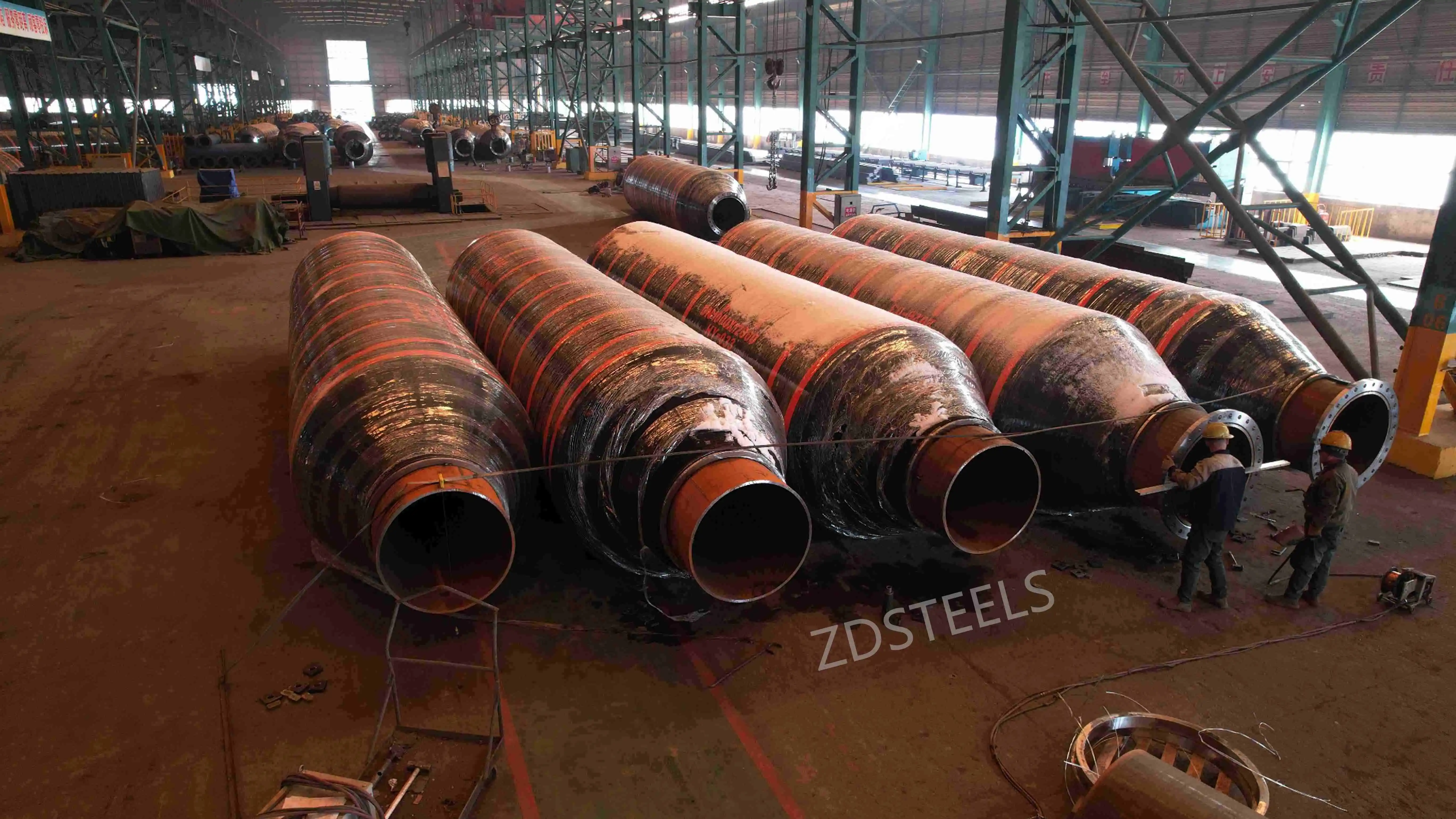
When looking at materials for floating structures, steel clearly beats out alternatives like concrete, aluminum, and composites. Concrete pontoons are strong, but they are too heavy to move and can't be easily rearranged for different stages of a project. Aluminum units are easy to move around because they are light, but they can't hold as much weight and rust quickly in saltwater without expensive sealing systems. UV light and physical wear and tear break down wood and plastic composites quickly. Steel-based options have good strength-to-weight ratios and can accept protective coatings that make them last longer than 20 years. When properly treated, Steel Pontoons have maintenance costs that are about 70% less than concrete equivalents. This makes them more cost-effective when you look at the total cost of ownership.
Critical Design and Construction Principles for Reliable Steel Pontoons
Reliability in structures comes from engineers being very careful when they are both planning the design and making it. The first step in making something is choosing the material. For naval uses, Q235B grade steel has the best weldability and tensile strength. Plate thicknesses range from 300 mm to 800 mm to meet different load needs. Units with a larger diameter can support heavier equipment installations and work platforms that go up several stories.
Structural Strength and Load Calculations
When specifying pontoon configurations, engineering teams have to figure out the dead loads, live loads, and environmental forces. The pontoon's own weight and permanently installed equipment are both examples of dead loads. Live loads include temporary goods, people, and machines that are used for work. In environmental estimates, wind pressure, wave impact forces, and current drag rates are all taken into account. Professional manufacturers use finite element analysis software to model how stress is distributed across welded joints and reinforcement ribs. This helps them find places where the product might fail before it is actually made. This level of logical rigor makes sure that structures stay strong for as long as they are used.
Advanced Corrosion Protection Technologies
The salty air, living things growing, and electrochemical reactions in marine environments all make corrosion a constant problem. Multiple levels of defense are used in protection strategies. For example, hot-dip galvanization makes a zinc coating that corrodes faster than the base steel; epoxy primers fill in holes in the surface; and polyurethane topcoats guard against UV light and impacts. Better coating systems add about five days to the delivery time, but they also provide longer service intervals between maintenance cycles. Manufacturers who follow the anti-aging guidelines in ISO 17357 put their goods through rapid weathering tests that mimic years of exposure in a controlled lab setting.
Fabrication Quality Assurance
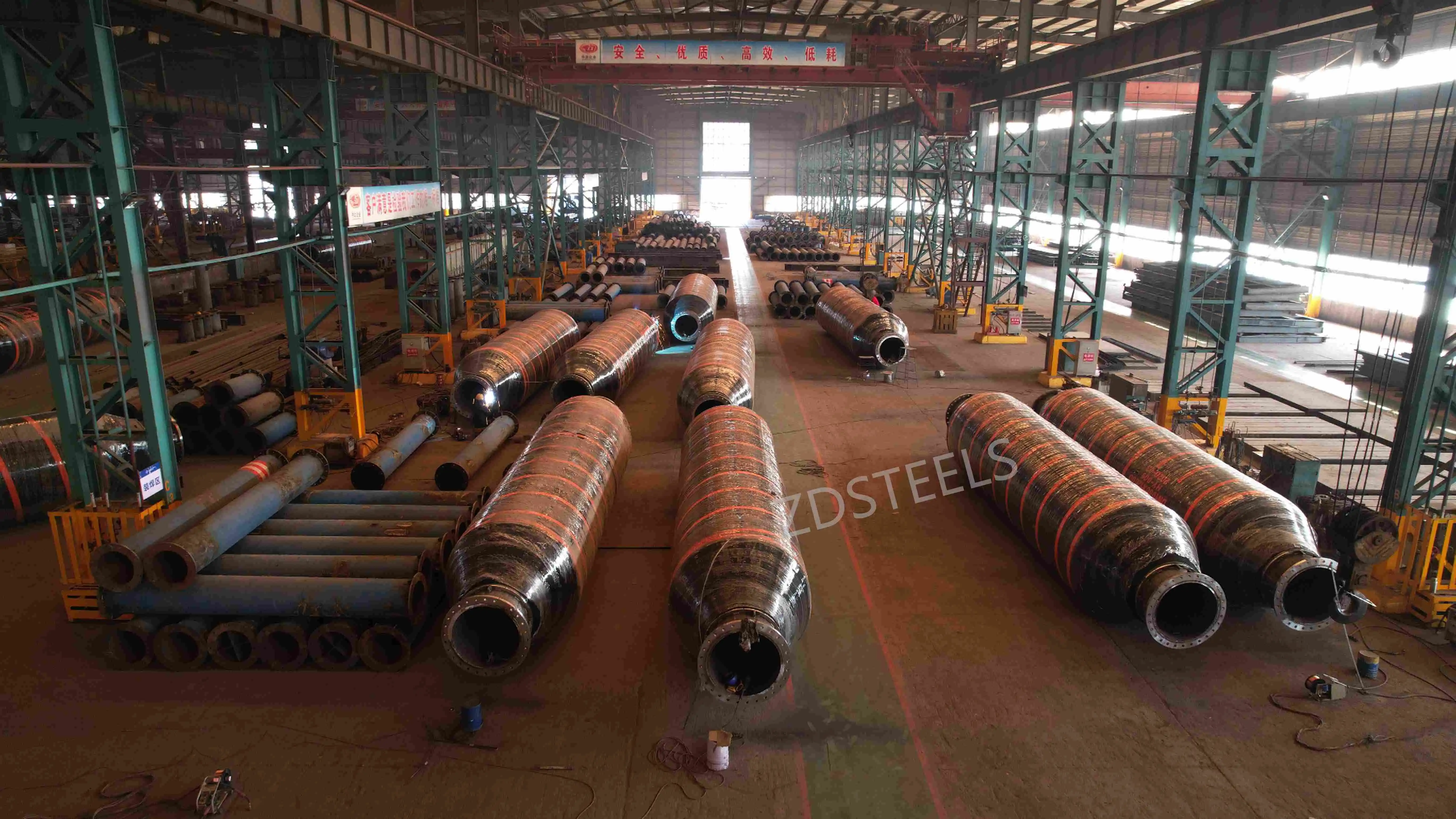
When CNC cutting equipment is used in production, the limits for dimensions are kept to within ±0.2mm. This makes sure that the modules fit correctly during assembly. Automated welding systems keep the penetration levels and bead shapes the same, so they don't create weak spots like hand welding might. Before units leave the factory floor, non-destructive testing methods like ultrasonic inspection and radiographic examination make sure the welds are still strong. Submerging finished pontoons in water for long periods of time and checking for leaks is how hydrostatic pressure tests confirm that the seal is watertight.
Comparative Analysis: Choosing Steel Pontoons Wisely
Material Comparison Matrix
Different base materials have different ways of working. Steel Pontoons are great for projects that need to hold weight and are exposed to wind and waves up to level 8, making them perfect for projects along the coast. Their flexible design makes them easy to move and quick to put together on-site. Standard units are ready to be used 20 days after the order is confirmed. Concrete alternatives last longer, but they need special heavy-lifting equipment to be put in place and can't be easily moved when the project is done. Aluminum is less likely to rust in freshwater, but it has trouble with the galvanic reactions that happen a lot in saltwater. When you look at the total costs of ownership, which include buying, installing, maintaining, and eventually shutting down, the economics always favor steel.
Design Variants for Specific Applications
Manufacturers offer diameter options that can be changed from one to five meters, so they can be used for anything from walkways for people to platforms for heavy machinery. Integrated mooring ring systems make anchoring easier, and fender attachments keep the hull surfaces safe when the vessel touches another one. Heavy-duty versions support permanent dock structures and equipment foundations, while lightweight versions are better for temporary setups that need to be moved around a lot. The choice of coating has a big effect on how long something works. Standard hot-dip galvanization is enough for mild exposure conditions, but improved multi-layer systems are needed for harsh offshore settings with regular wave action and huge temperature changes.
Total Cost of Ownership Considerations
A full financial analysis must look at more than just the starting costs of the buy. Shipping costs vary a lot depending on where the goods come from and how they are transported (containers vs. bulk cargo vessels). Installation costs rely on how easy it is to get to the spot, what moving equipment is needed, and how hard the assembly is. Most of the costs of operating a steel structure come from routine maintenance tasks like inspections and coating touch-ups that don't need to be done very often. Decommissioning and recycling are good for steel parts because they keep their value and can be used for something else instead of costing money to get rid of, as composite or concrete units do. When companies look at 20-year ownership horizons, they always find that Steel Pontoons give them a better return on investment, even though they may cost more up front than less durable options.
Procurement Guide: How to Buy Reliable Steel Pontoons
Technical evaluation and managing relationships with suppliers are two important parts of effective acquisition strategies. Procurement teams should set up clear evaluation systems that look at things like the ability to manufacture, quality certifications, shipping reliability, and the infrastructure for support after the sale.
Evaluating Manufacturers and Suppliers
Reputable makers show qualifications that can be checked, such as ISO 9001 quality management badges and approvals specific to the industry, such as DNV GL Offshore Float Certification. Production capacity signs, like the number of tons that a facility processes each year (for example, facilities that process 60,000 tons each year benefit from economies of scale that lower costs), show that the business is fully operational. When you keep more than 70% of your clients, that means you consistently meet their needs across multiple projects. If someone is ready to help with engineering during the creation of specifications, doing load calculations, suggesting materials, and making custom design changes to fit the needs of a particular application, that shows they have technical knowledge.
Logistics and Installation Support
Delivery dates have a direct effect on project plans. Suppliers you can trust keep standard configurations of Steel Pontoon in stock and make lead times for custom variants clear. Enhanced coating treatments usually add about five days to the production cycle, which is knowledge that procurement managers need to plan for. Help with installation, such as technical documentation or on-site supervision, can help keep mistakes from costing a lot of money. Full packaging keeps units safe during transoceanic shipping, avoiding damage that would delay rollout. The warranty should cover both problems with the way the product was made and promises of good performance. The terms should show that you trust the product to last.
Strategic Sourcing Considerations
Bulk purchase deals let you get savings for buying in bulk and get first dibs on scheduling production. Payment terms that balance the need for a deposit with releases based on reaching certain goals protect both parties' finances. Geographic buying choices weigh the cost of shipping against the knowledge of the manufacturer. Longer delivery distances are often worth it for foreign providers with proven experience in sea infrastructure and better quality and technical support. When you form long-term ties with makers, you can work together with them to understand your needs, suggest ways to make things better, and give priority to orders when they can't meet all of them at once. To help with future sourcing decisions and supplier performance scorecards, procurement professionals should keep track of performance across initial projects.
Case Studies and Best Practices for Selecting Steel Pontoons
Applications in the real world show how careful selection methods lead to working success. A temporary bridge project in Southeast Asia used 500 modular floating units to span a 200-meter river channel. This made the building process 30% faster than usual. The modular approach let the steel superstructure be built at the same time as the phased assembly, which got rid of downtime and delays caused by bad weather. It was very important to pay close attention to protecting against corrosion. During the 18-month building time, improved coating systems designed for the tropical environment worked perfectly.
Offshore wind farms in northern Europe face huge environmental problems because they are always exposed to saltwater, waves, and temperatures below zero. Custom-designed pontoons that held up foundation installation tools had stronger mooring points and wider diameter shapes to make them more stable. DNV GL certification gave clients peace of mind and met government standards. Analysis after the project showed that there were no structural failures and few upkeep tasks needed to be done, which supported the specification choices.
Emergency flood response applications show off the ability to move quickly. Coastal areas that get flooded during certain times of the year use pre-positioned pontoon inventories that can be put together in hours to make temporary levees and evacuation platforms. The modular design lets crews that aren't experts connect units using simple mechanical fasteners. This makes deployment easier for all city departments that don't need expert engineering help.
Common Pitfalls and Avoidance Strategies
The most common specification error is underestimating the effects of corrosion. Unfortunately, projects that don't define the right coating systems for their unique environments experience early deterioration that needs expensive repairs. When running companies find out how much it really costs to maintain low-quality products, they can't afford to ignore the costs of lifecycle upkeep. When real working demands are higher than the design parameters, bad load estimates can cause stability issues or structure failures. Successful projects involve experienced manufacturers early on in the planning stages. These manufacturers use their knowledge of the application to improve specs before the buying process starts.
Decision-Making Checklist
Systematic evaluation frameworks that cover important selection criteria are helpful for procurement teams. The material specifications should confirm that the steel grade is Q235B or an equivalent grade with mill certifications that can be shown. The calculations for buoyancy must show that there are enough safety margins above the maximum expected loads. Certification requirements, such as meeting DNV GL and ISO 17357 standards, make sure that the product is accepted by regulators. Customization options like changing the width, mooring setups, and special coating systems make it possible to optimize for each project. Clear standards, enhanced-coating options, and delivery dates help with accurate scheduling. Credentials from suppliers that include production capacity, customer references, and expert help availability show that the partnership is likely to work. Warranty terms and maintenance instructions show that the manufacturer trusts you and wants to keep working with you for a long time.
Conclusion
To choose reliable floating structures for marine uses, you need to look at a lot of factors, such as technical specs, manufacturing quality, and the supplier's abilities. Steel Pontoons made from Q235B galvanized materials and filled with polyurethane foam have exceptional buoyancy that exceeds 500 kg/m3 and are resistant to wind and waves up to level 8. The success of the procurement depends on checking the DNV GL certifications, looking at the customization options for diameter and combined systems, and making sure that the delivery dates are in line with the project plans. Companies that care about total lifecycle economics know that steel platforms, when properly specified, have a service life of more than 20 years and lower maintenance costs by 70% compared to concrete platforms. Teams in charge of procurement can find floating infrastructure that can withstand harsh marine environments and keep working reliably for decades by working with manufacturers that have a history of keeping clients and providing good technical support.
FAQ
What diameter options work best for different marine applications?
The width of a floating platform is mostly chosen based on how much weight it needs to hold and how stable it needs to be. Smaller widths, between one and two meters, work well for walkways for people, platforms for light equipment, and temporary access structures. Options in the middle range, between two and three meters, can handle moderate machinery installations and storage of construction materials. Large diameter setups bigger than four meters make heavy equipment operations, fixed dock structures, and work platforms with more than one floor stable. When manufacturers offer customization across the entire one-to-five-meter range, application needs and structural specifications can be perfectly matched, which improves both performance and cost-effectiveness.
How do certification standards impact pontoon reliability?
Industry approvals make sure that the quality of the materials and the way they are made are correct by checking them independently. DNV GL Offshore Float Certification makes sure that structure designs meet strict marine application standards, such as estimates for buoyancy, resistance to corrosion, and load-bearing capacity. The ISO 17357 Anti-Aging Test shows that the material is resistant to accelerated weathering, which means that it will last for a long time even when exposed to UV light, changing temperatures, and chemical attacks. These certificates give purchasing managers objective quality assurance, which lowers the risk of choosing a provider and makes sure that all foreign project countries follow the rules.
What maintenance intervals do steel pontoons typically require?
When units are properly made and coated, they need very little maintenance over the course of their useful life. Visual checks done every six months find problems with the cover, worn-out mechanical parts, and bacterial growth that need to be fixed. Every three to five years, a thorough inspection should be done to check the structure's strength, the state of the welds, and the rate of corrosion below the surface. High-quality galvanized and epoxy-coated systems usually only need coating touch-ups every 10 to 15 years of continual use. This is one reason why they are 70% less expensive to maintain than concrete options. Comprehensive manufacturer guidance outlining inspection protocols and preventative measures extends the life of the service while keeping operational costs low.
Partner with Zhongda for Superior Steel Pontoon Solutions
Shenyang Zhongda Steel Structure Engineering Co., Ltd. combines 20 years of experience making high-quality products with cutting-edge knowledge of marine infrastructure to create floating platforms that go above and beyond the needs of even the most difficult projects. As a DNV GL Offshore Float Certified and ISO 17357 Compliant Q235B stainless Steel Pontoon provider, we make sure that every unit meets the highest quality standards around the world. With the ability to produce 60,000 tons per year, advanced CNC technology that can achieve ±0.2mm accuracy, and full OEM/ODM customization options, we can turn your specifications into reliable floating infrastructure that meets operational and construction goals. Talk to our technical team at Ava@zd-steels.com about your marine application needs and find out how our track record with Southeast Asian bridges, Northern European offshore projects, and emergency response deployments can help you complete your project faster and for less money overall.
References
1. Chen, M., & Rodriguez, P. (2021). Structural Design Principles for Marine Floating Platforms. Journal of Coastal Engineering and Marine Structures, 47(3), 215-234.
2. International Marine Contractors Association. (2020). Guidelines for Floating Steel Structures in Offshore Construction. London: IMCA Publications.
3. Liu, H., Thompson, R., & Andersen, K. (2022). Corrosion Protection Technologies for Steel Marine Infrastructure. Materials Performance and Durability in Marine Environments, 12(2), 89-107.
4. Maritime Safety Council. (2019). Certification Standards for Commercial Floating Platforms. Washington, DC: U.S. Coast Guard Publications.
5. Nielsen, J., & Yamamoto, T. (2023). Lifecycle Cost Analysis of Marine Construction Materials. International Journal of Infrastructure Economics, 19(1), 45-68.
6. World Association for Waterborne Transport Infrastructure. (2021). Technical Guidelines for Modular Pontoon Systems. Brussels: PIANC Secretariat General.
YOU MAY LIKE