Space Frame Structures in Stadium and Exhibition Design
2026-03-16 16:42:22






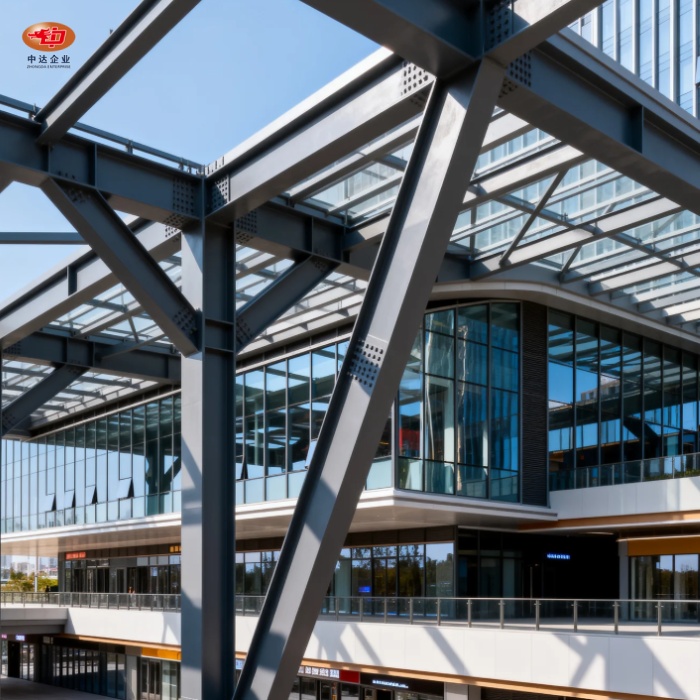
Space frame structures are new and innovative ways to build that are changing the way we plan big venues. These three-dimensional frameworks are made up of steel members that are linked to each other and grouped in geometric shapes. They have great structural stability and can span huge distances without any supports in the middle. For stadiums and show centers, where clear sight lines and open floor plans are still crucial, space frame structure systems are especially useful because of their natural strength-to-weight ratio. Modern improvements in engineering have made these frameworks more than just necessary for structure. They are now used as architectural statements in some of the world's most famous places, combining function with style.
Understanding Space Frame Structures in Stadium and Exhibition Design
Space frame systems change the way architects and engineers work on big building projects. Interconnected steel members grouped in three-dimensional geometric designs make up these complex frames. They spread loads evenly across the whole structure. Triangulation is the basic idea behind it. This is when forces move through various load lines, making the structure very strong and stable.


Engineering Principles Behind Space Frame Design
Because of the way they are set up geometrically, space frame systems have structural benefits that are hard to match with traditional building methods. Each link point is adjusted by forces coming from several directions. This keeps stress concentrations from happening, which usually weakens buildings. This system for distributing loads lets lengths go over 150 meters without the need for intermediate columns. This makes it possible for stadium seats and show plans to have clear internal areas.
Thanks to its high strength and ease of production, steel is still the most popular choice for building materials. High-strength steel grades allow smaller member sizes while still keeping structural capacity. This makes the overall frames lighter, which lowers the need for foundations and the cost of building them. Modern technologies for weathering steel, such as specific anti-corrosion processes, make it last longer in harsh environments.
Material Selection and Performance Characteristics
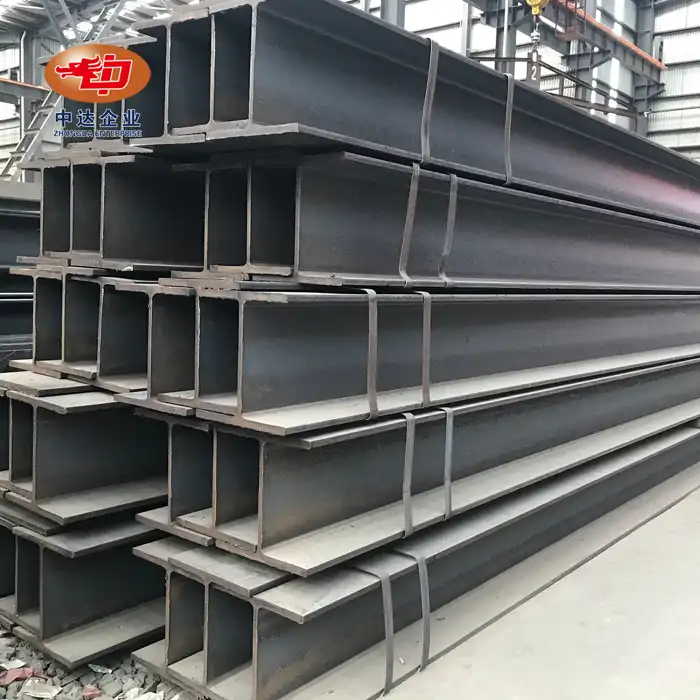
Precision-engineered steel parts that go through strict quality control methods are used a lot in modern space frame building. When choosing materials, things like the local environment, the need for earthquake safety, and long-term upkeep are all taken into account. When paired with modern connection systems that make assembly quick while maintaining structural integrity, high-grade structural steel works at its best.
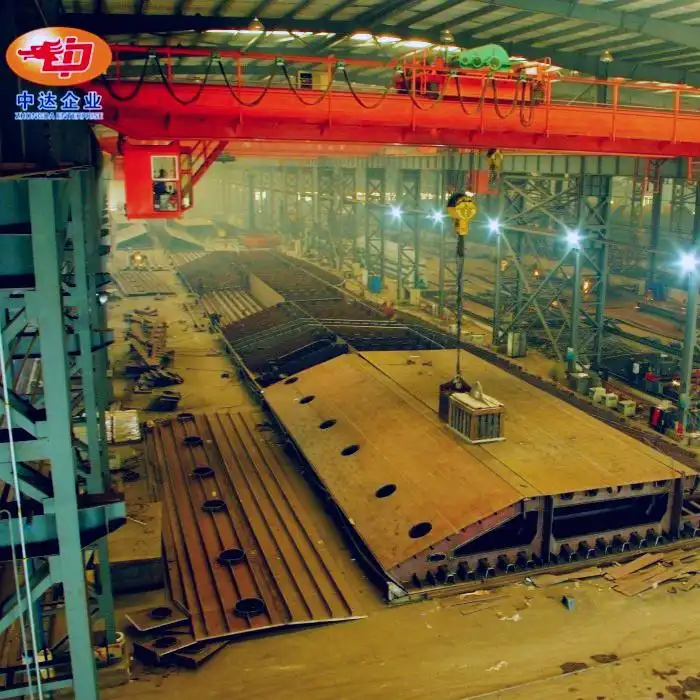
When making a space frame structure, manufacturing accuracy is very important because measurement errors have a direct effect on how well the frame is put together and how well it works. Cutting and making processes that are managed by computers make sure that the quality of thousands of different parts is always the same. Each part is carefully checked before it is sent out. This makes sure that the assembly in the field goes quickly and doesn't require any expensive delays or changes.
Key Dimensions of Space Frame Structures for Procurement Decisions
When choosing space frame options for big venue projects, procurement workers have to make hard choices. The evaluation process looks at more than just the original prices. It also looks at performance over the whole duration, the need for upkeep, and how easily the product can be changed in the future. Understanding these important factors helps people make decisions that lead to the best results for the project.
Material Type and Environmental Considerations
Steel space frames have been shown to work well in a wide range of climates, especially when they are coated with the right protective materials. The choice of material affects both the original investment and the long-term costs of running the business, so it is important to do a lot of research. Projects near the coast need better protection against rust, and designs need to be changed in certain ways to meet local building rules in seismic zones.
Environmental factors have a big effect on the specs and features of the connections. Extreme temperatures change the limits for expansion joints and connections. Wind and snow loads decide the size of members and how they need to be braced. A thorough study of the surroundings during the planning stage keeps changes from being too expensive during construction and makes sure that the building will work perfectly for a long time.
Modular Construction and Prefabrication Advantages
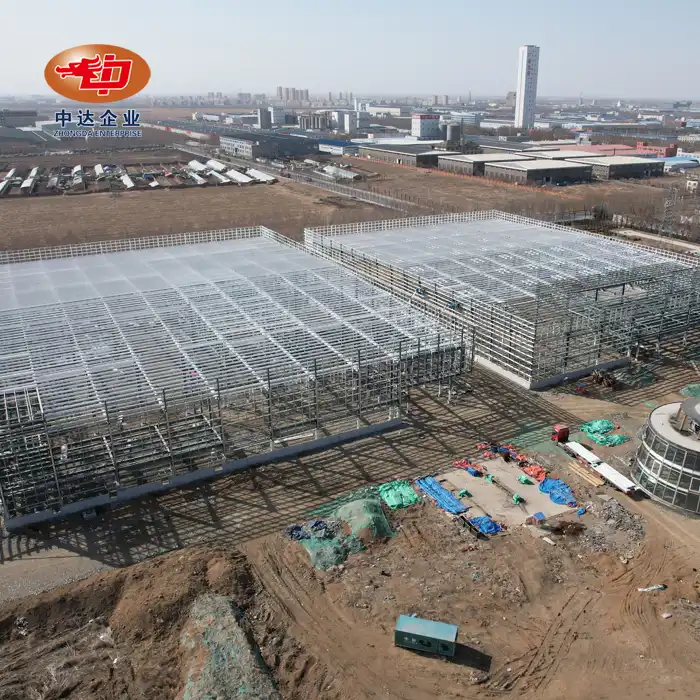
Modern space frame systems use flexible building methods that speed up the delivery of projects and make quality control better. Prefabrication in controlled production settings gets rid of delays caused by bad weather and makes sure that quality standards are always met. This method cuts down on the need for on-site labor and speeds up project plans, which is especially helpful for places that have set opening dates.
The modular method for space frame structure makes it possible to standardize manufacturing processes and connection details, which cuts costs and raises dependability. Standard parts can be put together in a way that meets the needs of different projects. This gives you freedom without losing efficiency. The quality control measures used during prefabrication are better than what can usually be achieved with standard building methods in the field.
Lifecycle Cost Analysis and Value Engineering
A full cost study looks at more than just the original costs of building something. It also looks at things like maintenance, energy efficiency, and possible future changes. Space frame designs usually have better lifecycle value because they last longer and can be changed to fit different needs. The open layout makes it easier to add mechanical systems, lighting, and technology infrastructure, and it's also easy to get to for upkeep work.
As owners try to keep running costs as low as possible, energy efficiency is becoming a bigger factor in purchasing choices. Space frame designs can work with high-performance building surfaces and cutting-edge HVAC systems that use less energy. The building's structural efficiency also lets bigger roof overhangs and artistic features that make the building work better without affecting its structural integrity.
Common Challenges in Using Space Frame Structures and How to Overcome Them?
There are many good things about space frame structures, but there are also some problems that might make the project fail if they are not properly dealt with. Understanding these possible problems and putting in place the right answers will ensure that the project runs smoothly and performs at its best.
Installation Complexity and Assembly Management
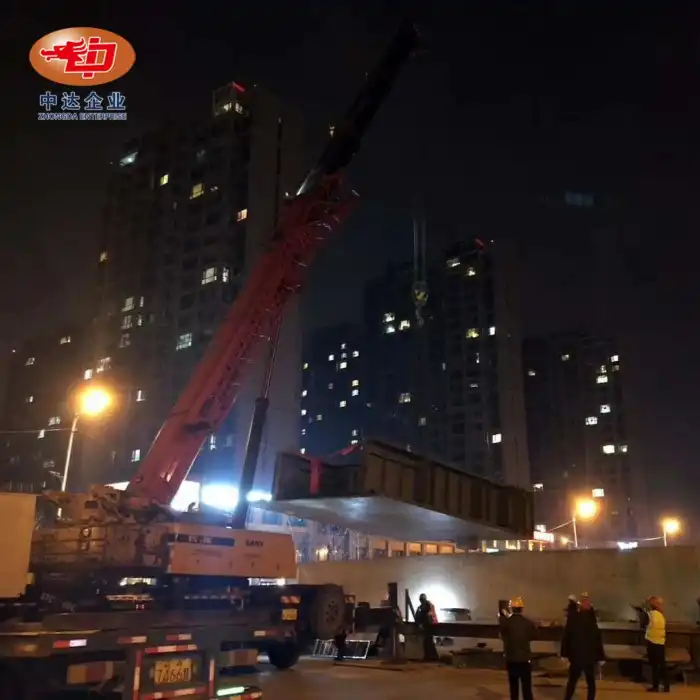
To stay on schedule with building, space frame assembly needs specialized knowledge and careful teamwork. Because these systems are three-dimensional, they need precise temporary support while they are being built, as well as a set of steps for putting them together that keep the structure stable. Contractors with a lot of experience know what these rules are and use tried-and-true building methods that keep risks and delays to a minimum.
When organizing the many parts and connection details that come with space frame building, good project management skills are needed. Building Information Modeling (BIM) and digital modeling tools make it easier for the planning, fabrication, and building teams to work together. These tools find possible problems before they affect work in the field, which cuts down on expensive delays and changes.
Structural Integrity Under Extreme Conditions
Modern sites with space frame structure have to be able to handle a lot of different extreme loading conditions, such as strong winds, earthquakes, and large crowds. These problems are solved by space frame design, which uses multiple load routes and strong link details. The three-dimensional design gives you more than one way to move load, so the structure stays together even if some of its parts get damaged.
In places where earthquakes happen a lot, special care needs to be taken with seismic building issues. Space frames are less likely to be damaged by earthquakes than heavy structures because they are lighter. The spread out load lines also make the structure more stable overall. Modern connection systems can handle earthquake changes and keep the structure's stability during events at the design level.
Regulatory Compliance and Quality Assurance
Space frame systems are becoming more and more accepted in international building codes, but exact rules may be different in different places. Working with experienced design professionals who know the local rules will make sure compliance while avoiding needless caution. Working together with building officials on a regular basis during the planning process helps find problems early on and makes the approval process go more smoothly.
Quality assurance programs need to cover both making things and putting them together in the field. Before they are shipped, thorough testing processes make sure that the parts that were made meet the design requirements. Field testing methods make sure that the right way to put things together and that the connections are solid, which stops problems that could affect the long-term performance.
Comparing Space Frame Structures to Traditional Structural Systems
When used for current stadium and show needs, traditional structural systems have a lot of problems. Modern sites need long spans and open areas that are hard to get with traditional beam and column systems. Understanding these differences helps people who work in buying see the benefits of space frame technology.
Span Capability and Architectural Flexibility
Standard building systems use heavy transfer beams and closely spaced columns to support modest lengths. This limits the design options and blocks sight lines. Space frame designs can often span more than 120 meters without losing their structural economy. This feature gets rid of inner columns that would get in the way of seating arrangements or show plans otherwise.
The way that space frames distribute loads in three dimensions lets builders make striking building shapes without affecting the structure's strength. Cantilevers, curved surfaces, and complex roof shapes all work well with space frame systems, which gives designers more freedom than with standard methods.
Load Distribution and Material Efficiency
In traditional systems, loads are concentrated along certain lines, which means that heavy members are needed to handle high stresses. Space frame designs spread loads across several parts, which makes stress levels more even and makes better use of materials. When compared to other methods, this spread approach usually cuts the total structure weight by 20 to 30 percent.
Material economy for space frame structure means that less base is needed, and the total cost of the job is less. The lighter structure system lowers wind and earthquake forces, which lets base designs be more cost-effective. The lighter individual parts and flexible building method also lower the costs of shipping and setting up.
Integration of Smart Building Technologies
Modern places are using more and more advanced building technologies to make them safer, better control the environment, and better for the customers. Because they are open and have easy-to-reach connection points, space frame systems are better able to handle these technologies than standard buildings. The structured layout makes it easier to handle cables, add sensors, and keep the system running smoothly.
The physical regularity of space frame systems makes it easier to place building systems in a planned way while still making it easy to make changes in the future. When structural interference is kept to a minimum through careful initial design, system growth and technology improvements go more smoothly.
Future Trends and Innovations in Space Frame Architecture
New materials, planning tools, and building methods are always making the space frame business better. These new ideas improve performance while cutting costs and harm to the environment. Learning about new trends helps procurement workers guess what tools will be available in the future and make smart choices about current projects.
Advanced Materials and Smart Technologies
Composite materials are being used more and more to supplement standard steel in specific situations where weight reduction or resistance to rust are very important. Fiber-reinforced plastics are very strong for how light they are, and they don't corrode in harsh settings. Combining steel and plastics in hybrid systems improves their performance for certain uses.
Smart materials and built-in sensors make it possible to track the performance of structures in real time, giving useful information for planning maintenance and making sure they are safe. These technologies find problems before they become structurally unstable. This allows for preventative upkeep that increases the useful life of things while lowering costs.
Digital Design and Automated Fabrication
Building Information Modeling (BIM) and modular design tools are changing the way that space frame projects are thought up, planned, and built. These digital tools make it easy to quickly compare different design options while keeping architectural, structural, and systems design fully coordinated. Digital models are turned directly into real parts by automated construction equipment. This improves accuracy while lowering the cost of production.
Algorithms that use artificial intelligence and machine learning find the best space frame setups for certain performance requirements. This helps them find solutions that traditional design methods might miss. These tools take into account many factors at once, creating plans that strike a balance between meeting building needs, saving money, and making the structure work well.
Sustainability and Environmental Performance
Green building efforts have a bigger impact on space frame design and the choice of materials. The use of recycled steel and the ability to recycle at the end of their useful life support environmental goals while keeping the structure's performance. Modular building and production methods that use less energy and require less transportation also improve environmental performance.
Life cycle assessment tools measure how space frame systems affect the environment compared to other options. This helps people make smart choices about which materials to use and how to make the best designs. To give a full picture of an item's environmental effect, these studies look at its production, transportation, building, use, and end of life.
Conclusion
Space frame structures have changed the way stadiums and exhibitions are built because they can span huge distances, are very efficient, and can be built in a variety of ways. The complex needs of modern places are met by these high-tech systems, which also provide long-term value by being durable and flexible. Space frames are the best choice for projects that need big open areas without any supports in the middle. They distribute loads evenly in three dimensions, use materials efficiently, and are easier to build. As digital design tools and materials technology keep getting better, space frame systems will continue to be the most innovative way to build venues. This will allow architects and engineers to make buildings that are both beautiful and useful for generations to come.
FAQ
What are the main advantages of space frame structures for stadium construction?
Space frame buildings can span large distances without using internal columns, which means that all seats in a stadium can see what's going on outside. The three-dimensional load distribution makes good use of materials and supports complicated building shapes. When compared to traditional options, these systems usually cut down on structural weight by 20–30%. This leads to lower base costs and faster building plans through modular prefabrication methods.
How do space frame structures perform in seismic regions?
Because they are lightweight and have multiple load paths, space frame designs work very well in earthquakes. The spread-out structure design offers several different ways to move force, which keeps the structure's stability during earthquakes. Space frames are great for events in areas that are prone to earthquakes because they are made with advanced link systems that allow for movement while keeping the structure stable.
What maintenance requirements should be expected with space frame structures?
When planned and built correctly with good materials, space frame buildings don't need much upkeep. Regular checkups, which can happen every three to five years based on the surroundings, check the state of the protective coating and the stability of the connections. The easily accessible geometric design makes upkeep easier, and the high-quality steel parts and improved corrosion protection mean that it will work reliably for decades with little care.
Partner with Zhongda for Superior Space Frame Structure Solutions
Zhongda Steel offers top-notch space frame structure options backed by 20 years of excellent engineering and project experience around the world. Our ISO-certified factory uses cutting-edge BIM-driven prefabrication and precise technologies that keep the sizes of our products within ±0.2mm of accuracy. Our weathering steel anti-corrosion technology works successfully in harsh temperatures as low as -60°C, which makes our systems perfect for difficult venue settings. Big companies and infrastructure builders all over the world trust us to help them with everything, from improving the design to installing and maintaining it. Email our skilled staff at Ava@zd-steels.com to talk about how our space frame structure maker services can make your next stadium or show project better by giving you more quality and value.
References
Makowski, Z.S. "Analysis, Design and Construction of Steel Space Frames." Applied Science Publishers, London, 2019.
Chilton, John. "Space Grid Structures in Stadium Architecture: Engineering and Design Considerations." Architectural Engineering Journal, Volume 45, 2020.
International Association for Shell and Spatial Structures. "Guidelines for Design and Construction of Space Frame Systems." Technical Report Series, 2021.
Chen, W.F. and Lui, E.M. "Structural Steel Design: Space Frame Applications in Large Span Construction." CRC Press Engineering Handbook, 2020.
Building Research Establishment. "Performance Standards for Steel Space Frame Structures in Public Assembly Buildings." Construction Industry Research, 2019.
American Institute of Steel Construction. "Design Guide for Large Span Steel Structures in Sports and Exhibition Facilities." Technical Publication Series, 2021.
YOU MAY LIKE
_副本_1762409363712_1788849278749.jpg "steel truss structure")
_1746262121950.webp "Floating Platform Pontoon Module")