Why Light Steel Structures Are Used in Modern Housing?
2026-03-16 16:42:21






Light steel structure technology has changed the way modern homes are built by providing speed, sustainability, and structural performance benefits that have never been seen before. High-strength, lightweight steel parts are made off-site and then put together with precise engineering in these new building systems. Unpredictable building timelines, concerns about capital efficiency, and the need for adaptable, long-lasting housing solutions that meet modern environmental standards are just a few of the industry issues that are being addressed by the growing use of light steel structure.
Understanding Light Steel Structures in Modern Housing
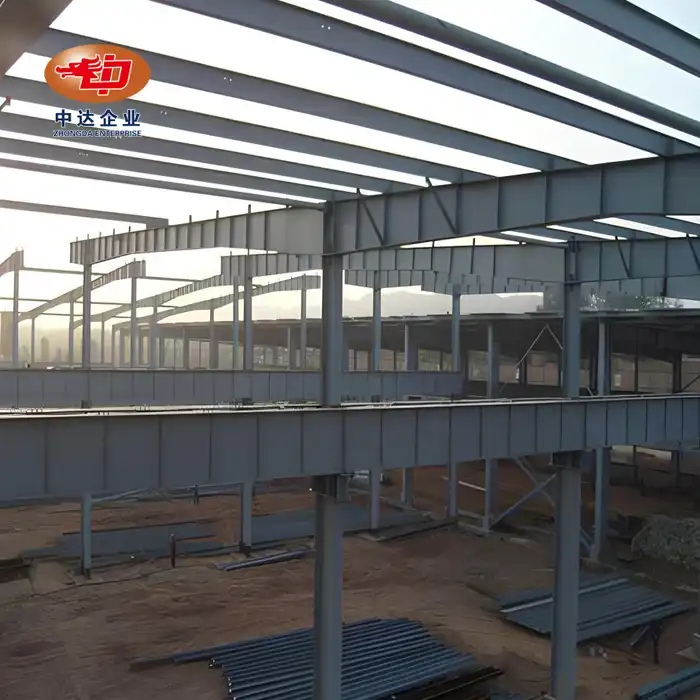
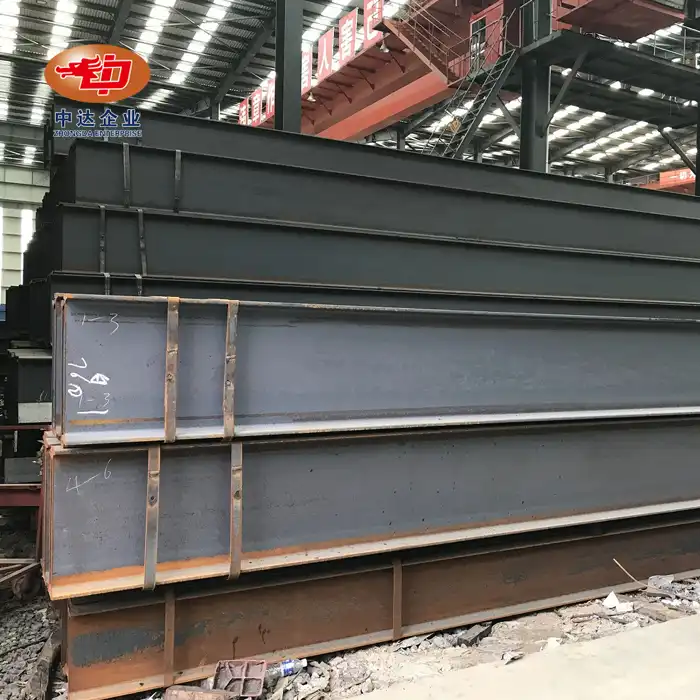
Modern light steel structures are a clever step forward in the way buildings are put together. They are made up of pre-fabricated, lightweight steel parts that are designed to make building frames that are both strong and flexible. Unlike traditional building materials like concrete and wood, these new systems use high-quality steel members like variable cross-section H-beams for the main structure and cold-formed C/Z purlins for the secondary frame.
Core Components and Construction Methodology
The basic structure of light steel framing systems is based on rigid portal frame designs that make the best use of materials and keep the structure strong against wind and earthquake loads. When compared to traditional concrete building, these methods usually only need 30 to 50 kilograms of steel per square meter. This makes the structure much lighter overall. The prefabrication process takes place in a controlled workplace setting, where precise cutting, welding, and quality control measures make sure that the quality of each part is always the same.
Quality Standards and Specifications
Professional buying teams should know about the strict engineering rules that guide building with light steel. Internationally known building codes, such as AISC 360-16 specifications, Eurocode 3, and GB50017-2017 design standards, must be followed by these structures. Steel types like Q355B and Q235B are often used because they have yield strengths higher than 345 MPa and good ductility, both of which are important for earthquake performance.
Manufacturing and Assembly Process
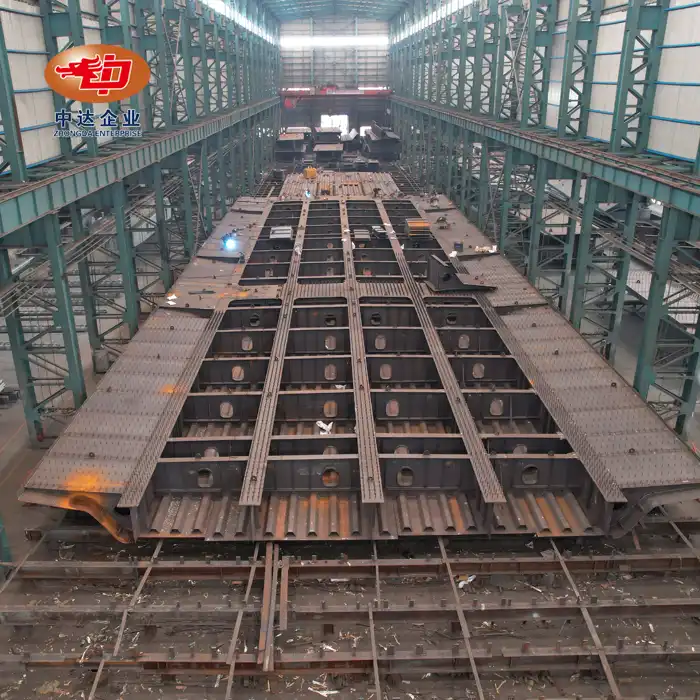
The building method for light steel structure includes making all the parts off-site and then putting them together in a planned way on-site using high-strength fixed connections. This method gets rid of the need for drying times that depend on the weather that come with building with concrete. It also makes sure that the dimensions are exact by putting together test pieces at manufacturing facilities. The end result is a simplified building process that cuts project timelines by a large amount while still keeping high standards of quality control.


Advantages of Light Steel Structures Over Traditional Methods
When it comes to modern housing, light steel building methods are much better than traditional materials like concrete, wood, and brick. These benefits cover many areas, such as building efficiency, cost optimization, environmental sustainability, and long-term performance traits that B2B clients who value lifecycle value and business excellence will find appealing.
Superior Construction Efficiency and Timeline Reduction
Because light steel parts are prefabricated, building times can be cut by 30 to 50 percent compared to standard concrete structures. This speeding up is because there are no longer any delays caused by bad weather, long amounts of time for concrete to cure, or complicated formwork needs. Due to lower base loads, there is less work that needs to be done on the site, and the bolt-together building process lets construction happen all year, no matter what the weather is like.
Enhanced Structural Performance and Safety
Because they are naturally flexible and able to absorb energy, light steel buildings perform better in earthquakes. The high ratio of strength to weight makes it very good at supporting weight while keeping dead loads on base systems to a minimum. To make sure they work with sensitive equipment and overhead crane systems in industrial settings, deflection limits are carefully set to meet strict standards.
Environmental Sustainability and Recyclability
People today care a lot about the environment, which is why light steel systems are becoming more popular because they are so sustainable. When they're no longer useful, steel parts can be recycled in their entirety, which is a big plus for LEED certification points. The dry building method reduces the amount of water and construction waste that is used on the job site. Also, the manufacturing process has less of an effect on the earth than making concrete.
Economic Advantages and Cost Optimization
Even though the original costs of the materials may seem higher, the overall economics of the project support light steel structure building because it requires fewer foundations, can be built faster, and costs less to labor. The light weight of the parts cuts down on the cost of shipping and the need for a crane during assembly. Long-term practical benefits include better energy economy from better insulation installation and fewer repairs that need to be done.
Application Scenarios and Market Trends in Modern Housing
Modern light steel structures are incredibly flexible and can be used in a wide range of living situations, including home developments, business buildings, and specialized industrial facilities. Adoption is still growing quickly around the world, especially in North America and Europe. This is because of new materials technology and makers and end users becoming more aware of environmental issues.
Residential and Commercial Applications
Light steel frame works great in modular home projects where quality and speed of building are very important. The clear-span features help multi-story residential buildings because they can often go over 30 meters without any interior columns. This makes the most of the useful floor space and gives architects more options. Retail centers, office buildings, and mixed-use projects are all commercial uses where being able to react to changing tenant needs is valuable in the long run.
Infrastructure and Specialized Projects
The technology is especially useful for building projects that need to be put in place quickly, like emergency housing, temporary facilities, and work in remote areas. Transportable prefabricated parts are useful in mining camps, oil field lodgings, and military sites because they can handle tough weather conditions with the right surface treatments and corrosion protection systems.
Market Innovation and Technology Integration
Some new ideas that have come out recently are better insulation systems, ways to connect smart buildings, and better ways to treat surfaces. Specialized weathering steel processes that can handle temperatures as low as -60°C are useful for uses in cold climates. Integrating Building Information Modeling (BIM) allows for accurate planning of manufacturing and assembly, which cuts down on mistakes and makes the best use of materials throughout the entire project lifecycle.
Procurement Considerations for Light Steel Structures
To buy a light steel structure successfully, you need to look at the company's manufacturing skills, quality control procedures, and long-term service promises. To make sure the best project results and lifetime value realization, professional procurement teams must look at more than just the original price.
Manufacturer Assessment and Certification Requirements
Some important things that are looked at when deciding who to hire are ISO 9001/14001/OHSAS 45001 certifications, EN 1090 compliance for structural steelwork, and experience with projects that were similar in size and complexity. Quality control methods, the size of the manufacturing plant, and the amount of work that is done each year all have a direct effect on project delivery dates and the consistency of the parts. Better accuracy and less complicated building are achieved in modern facilities that use BIM to drive prefabrication.
Quality Control and Inspection Protocols
Full quality control includes checking the quality of the raw materials with Mill Test Certificates, making sure the measurements are correct, and using Non-Destructive Testing to check the soundness of the welds. To make sure long-lasting rust protection, the quality of the surface treatment needs to be checked by measuring the Dry Film Thickness and checking the adhesion. Trial assembly processes done in factories find possible fit-up problems before the parts are delivered to the site.
Service Capabilities and Technical Support
Leading makers offer a wide range of professional support services, such as structural engineering, installation supervision, and plans for long-term upkeep. Direct sales from factories often save money, shorten wait times, and allow for direct contact with engineering teams. Professional construction services and aftercare help make the building work better and make parts last longer.
Case Studies and Success Stories in Modern Housing Projects
Real-world applications of light steel structure show quantifiable advantages for a wide range of project types and places. These case studies are very helpful because they show the best ways to do things, what works, and how to work together to make sure a project is a success. They also show the real benefits that are driving more people to adopt these ideas.
Industrial and Commercial Success Stories
Modern light steel building is shown off by large foreign projects. Arctic bridge projects in Russia show how well the material works in very cold temperatures, and mining equipment installations in Australia show how strong the structure needs to be for heavy industrial uses. The building times for these projects were cut by more than 40% while still meeting strict quality and safety standards.
Residential Development Case Studies
Large-scale home projects that use light steel framing have shown consistent quality results and faster delivery times. Project managers say that logistics have become easier, the need for skilled workers has gone down, and building plans are now more predictable. Standardization built into prefabricated systems makes quality control easier and lowers the need for on-site inspection.
Performance Metrics and Client Satisfaction
The finished projects' quantitative performance measures show big benefits, such as smaller amounts of foundation concrete, less site damage, and very accurate measurements. Client feedback always stresses how reliable delivery plans are, how regular the quality is, and how professional the approach needs to be for implementation to go well. These results give procurement workers more confidence when they are looking at light steel options for future projects.
Conclusion
Light steel buildings are now the best choice for modern housing projects because they are more environmentally friendly, work better structurally, and save time and money during construction. The technology solves some of the biggest problems in the business, like uncertain deadlines, the need to cut costs, and changing environmental standards. Light steel building has been used successfully in residential, business, and industrial settings. It provides procurement professionals with a reliable way to ensure project success and gives end users great value over the course of the project's life.
FAQ
What are the main advantages of light steel structures over traditional construction?
Light steel buildings can be built 30–50% faster, are better at withstanding earthquakes, can be recycled completely, and don't need as much support. The prefabricated parts ensure uniform quality and get rid of the delays that come with bad weather that are common in concrete building.
How do light steel structures perform in extreme weather conditions?
Light steel structures can survive temperatures as low as -60°C thanks to advanced surface treatments and special steel types. They also offer excellent resistance to earthquakes due to their natural flexibility and ability to absorb energy.
What quality standards should buyers verify when procuring light steel structures?
Some important licenses are ISO 9001/14001/OHSAS 45001, EN 1090 compliance, and following AISC 360-16 or Eurocode 3 design standards. Important steps for checking the quality are getting Mill Test Certificates, trying the stability of the welding, and practicing how to put things together.
Are light steel structures cost-effective compared to traditional construction?
Even though the original prices of the materials may be higher, the overall economics of the project are better with light steel because it doesn't need as much of a foundation, can be built faster, costs less to build, and doesn't need as much maintenance over time.
What applications are best suited for light steel construction?
Light steel structures work really well for mobile homes, apartment buildings with more than one floor, business developments, industrial facilities, and infrastructure projects that need to be set up quickly or work in tough conditions.
Partner with Zhongda Steel for Superior Light Steel Structure Solutions
Zhongda Steel is a reliable company that makes light steel structures. They have 20 years of experience in engineering and can make things using cutting-edge technology. Our 120,000 m² facility and 60,000-ton yearly capacity make sure that even the most difficult jobs are delivered on time. We provide precision-engineered solutions that meet the greatest worldwide standards. Our products are certified by ISO 9001, ISO 14001, OHSAS 45001, and EN 1090. Our specialty -60°C weathering steel processes and BIM-driven prefabrication technology give us the best performance for tough jobs. Get in touch with our engineering team at Ava@zd-steels.com to talk about your needs for a light steel structure and experience the Zhongda edge in quality, innovation, and excellent professional service.
References
The American Institute of Steel Construction (AISC). 2016 AISC. "Specification for Structural Steel Buildings (AISC 360-16)." Chicago: AISC.
European Group for Standardization. "Eurocode 3: Design of Steel Structures - Part 1-1: General Rules and Rules for Buildings." The CEN, 2005.
The authority for building and construction. "Code of Practice for Structural Use of Steel 2017." BCA, Singapore, 2017.
Steel Building Institute. "Light Steel Framing in Housing Construction: Technical Guidelines and Best Practices." Ascot: SCI, in 2019.
Association for Bridge and Structural Engineering Around the World. "Sustainable Steel Construction in Modern Architecture." IABSE, 2020, Zurich. 288 p.
Society for Steel in the World. "Sustainable Steel Construction: Environmental Performance and Lifecycle Assessment." Brussels: WSA, in 2021.
_副本_1762409363712_1788849278749.jpg "steel truss structure")