Steel Structure Systems for Large-Span Buildings
2026-03-16 16:42:20






High-strength steel frames allow for large clear spans without the need for intermediate supports. Steel structure systems for large-span buildings are the pinnacle of modern engineering solutions. These complex systems, which usually include H-section beams, space frame configurations, and designed trusses, solve important building problems by being very strong for their weight and easy to put together. Large-span steel structures let architects and engineers make huge, open areas that are more than 100 meters long. This makes them essential for places like airport hangars, factories, sports centers, and business warehouses where making the most of the floor space is key to running efficiently.
Understanding Steel Structure Systems for Large-Span Buildings
Modern steel structural frames are the technical base for buildings that need long clear spans. They solve the basic problem of how to support heavy loads over long distances without using internal columns.
Key Components and System Types
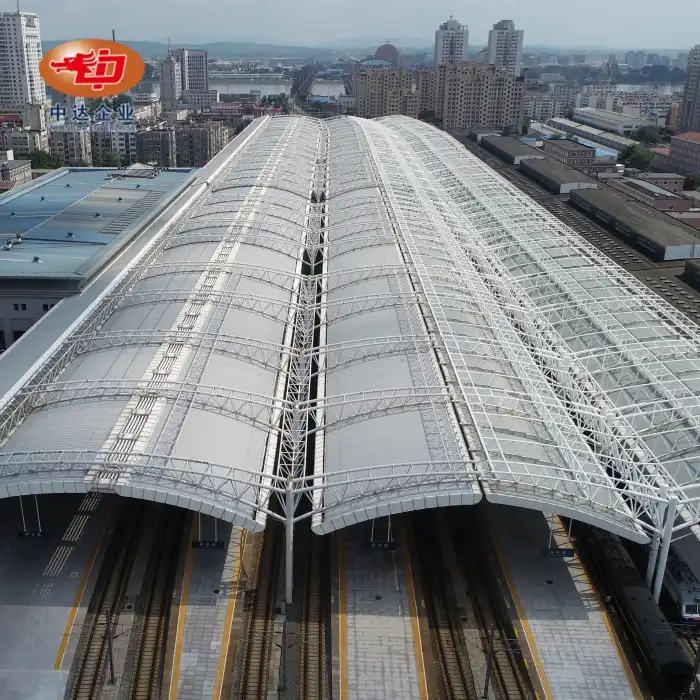
For large-span uses, steel frame systems use a number of tried-and-true designs. Space frame systems use linked steel members to make three-dimensional geometric designs that spread loads evenly over many places. Truss systems use three-sided arrangements of steel bars to span large distances while keeping the structure strong. Arch shapes use the natural strength of bent steel parts to hold up heavy loads by applying compression forces.


Steel beams made from Q355B or Q235B grade materials, engineered rafters with estimated load capacities, and high-strength connection systems using Grade 8.8 or 10.9 bolts make up the main parts. Cold-formed purlins support the structure in other ways, and full supporting systems make sure the building is stable on the sides when wind and earthquakes hit.
Structural Benefits and Design Flexibility
Large-span steel structures have great technical benefits that help solve problems in certain industries. Because it is strong for its weight, it can span farther than usual and needs less base than concrete options, cutting the need for one by up to 40%. This weight decrease is especially helpful for projects that have to deal with difficult soil or where the cost of the base is a big budget issue.
Another important benefit is design freedom, which lets builders change layouts without having to worry about how the structure will work. Modular design principles allow steel frames to adapt to future growth, changes in equipment, and changes in how things are run. Because structural steel is flexible, it performs better in earthquakes and can absorb energy, which keeps buildings safe during these events.
Compliance and Engineering Standards
International building rules say that steel structures are the best choice for large-span uses. Following the rules set by AISC 360, Eurocode 3, and GB 50017 guarantees the safety of structures and gets them approved by regulators around the world. These guidelines say what kinds of materials can be used, how they must be connected, and how safe they must be so that they work for a long time under certain loads.
Comparative Analysis of Steel Structures Versus Alternative Materials
Knowing about important differences in performance lets you make smart purchasing choices that balance short-term costs with long-term business benefits.
Steel Versus Concrete Performance
There is evidence that steel buildings work better than reinforced concrete structures in large-span situations. Off-site prefabrication cuts down on construction times by 30 to 50 percent, which also cuts down on project delays and labor costs. Steel's predictable qualities make sure that it always works the same way. Concrete, on the other hand, needs time to cure and can crack from shrinkage, which can throw off project plans.
Lifecycle research shows that steel is good for the earth because it can be recycled over and over again. When its useful life is over, structural steel still has value and keeps trash out of dumps. Demolition of concrete creates big problems for getting rid of it and few recycle choices.
Prefabricated Steel Frameworks Advantages
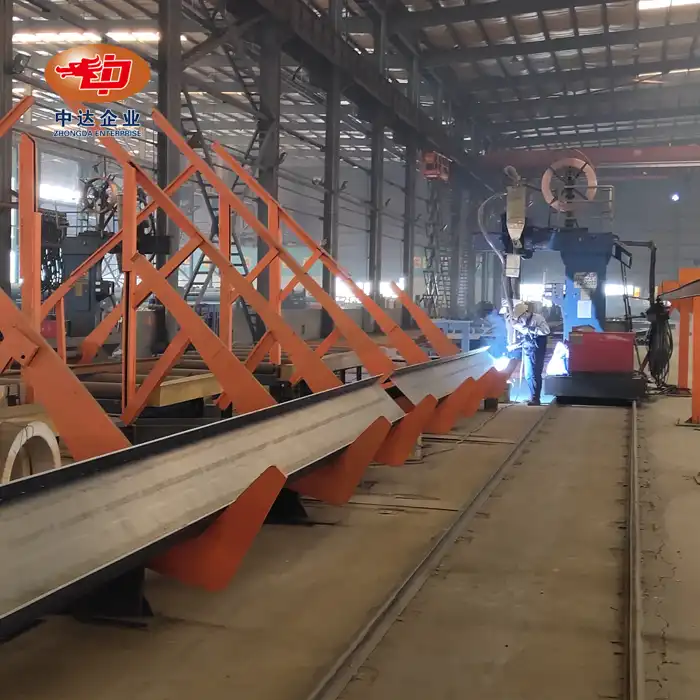
Precision production and quality control in modern prefabricated steel systems have changed the way large-scale building is done. Fabrication in the factory cuts down on delays caused by bad weather, ensures accuracy within ±2mm limits, and lowers the need for on-site workers. Prefabricated parts come ready to be put together, which cuts down on the need for skilled workers and the safety risks that come with welding in the field.
Consistent material features, checked link strength, and thorough testing before shipping are all benefits of quality control. Field-built options, on the other hand, are greatly affected by things like weather, site limitations, and different levels of skill.
Economic and Environmental Considerations
A total cost study shows that steel's benefits go beyond the cost of the raw materials. Lifecycle economics are in favor when foundation needs are reduced, building plans are sped up, and maintenance needs are decreased. Steel structures allow for changes to be made to the building without requiring major structural work. This protects the value of the investment by providing operating freedom.
Environmental effect assessments show that steel is better for the environment because it uses less energy when it's being made, it's easier to move because it's lighter, and it can be recycled at the end of its useful life, keeping its value.
Steel Structure Construction Process for Large-Span Buildings
For large-span steel building to go smoothly, it needs to be carefully planned, with certified sources and coordinated work done at different stages of the project.
Supplier Selection and Certification Requirements
To find good steel structure makers, you need to look at their technical skills, quality certifications, and project experience. Some important licenses are ISO 9001 for quality management, EN 1090 for structural steel fabrication, and AWS D1.1-compliant welding skills. Portfolios of suppliers should show that they have worked with similar span needs and loading situations before.
An evaluation of a manufacturing facility shows how much can be produced, how quality control systems work, and how fast the facility can send goods. CNC cutting tools, automatic welding systems, and thorough checking procedures are used in modern facilities to make sure that the dimensions and properties of the materials are correct. Evaluation of production ability makes sure that providers can meet project deadlines without lowering quality.
Fabrication and Quality Control
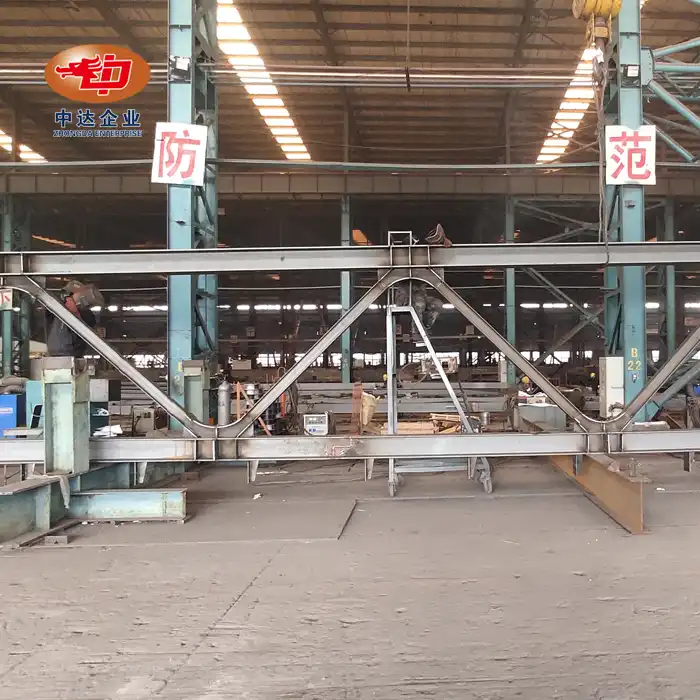
For large-span buildings made of steel, precise production and strict quality control are needed. Cutting that is managed by a computer makes sure that the member measurements and connection preparations are correct. Welding methods must follow joint specs that have already been approved, and certified welders must be supervised while making important connections.
Traceability of materials, checking of dimensions, and non-destructive testing of welded joints are all part of quality control routines. Mill test papers confirm the properties of the material, and fabrication inspections make sure that the work is done according to the engineering plans and specs. Final check before shipping makes sure that everything is ready to go and that all the paperwork is in order.
On-Site Assembly and Coordination
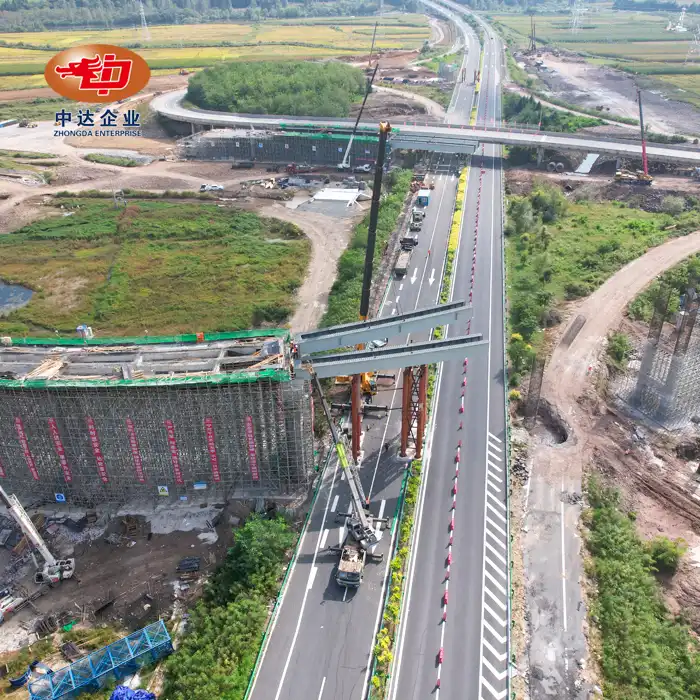
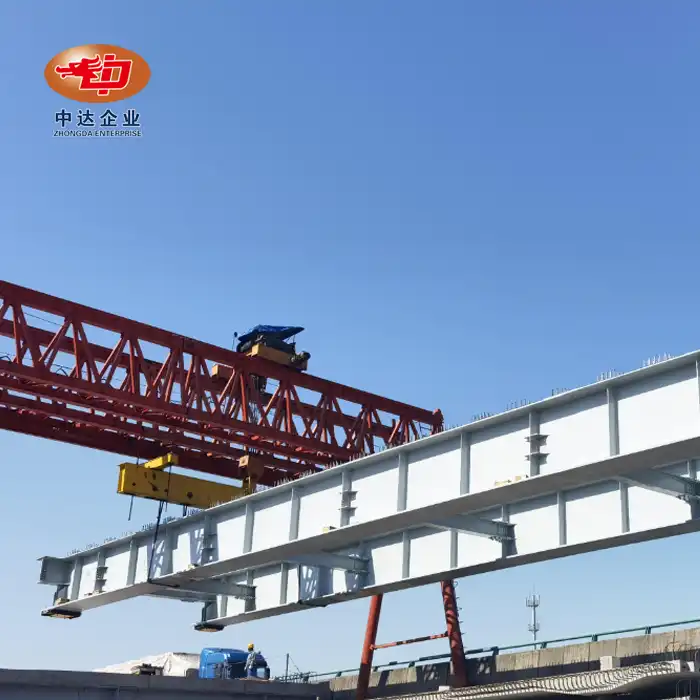
Careful planning, the right tools, and skilled workers are needed for site construction of steel structure to go smoothly. Weights of members, reach needs, and site limitations must all be taken into account when choosing a crane. Engineered steps are used to make sure that the structure stays stable while it is being built, and other trades can work around them.
Safety rules for large-span building cover things like fall safety, how to use cranes, and how to make temporary braces. Working together with the mechanical, electrical, and building trades makes sure that the project moves along without any problems or delays.
Cost and Procurement Considerations for B2B Clients
Strategic methods to buying things cut down on project costs while keeping quality and schedules on track for big steel structures.
Pricing Factors and Budget Optimization
The price of a large span steel structure depends on a number of important factors, such as the required span, the load needs, and the state of the local market. Material prices usually make up 40–50% of the total cost of a building. Delivery and assembly costs add another 25–30%. The cost of site assembly depends on how hard the job is to get to and how much work costs in the area.
Value engineering reviews, standardizing link details, and efficient member size are some ways to optimize budgets. Early involvement of suppliers allows for cost-effective changes to the design that use less material without affecting performance. Bidding between approved providers makes sure that prices are competitive and quality standards are met.
Lead Time Management and Logistics
Large-span steel structures usually have lead times between 8 and 16 weeks, but this depends on how complicated the job is and how much time the supplier has available. Critical path planning finds possible delays and ways to avoid them. Getting materials early for long-lead things keeps schedules from getting thrown off.
Logistics planning takes into account issues like limited transportation, site access, and storage needs. Large steel pieces might need special permits and route planning to be moved. The planning of the site must take into account transport times and the need for crane access.
Supplier Partnership Strategies
Building smart ties with suppliers can pay off in the long run by giving you access to better prices, faster scheduling, and technical help. Framework contracts, number promises, and working together to create designs are some of the things that can be in partnership agreements. Regularly evaluating a supplier's work makes sure that service greatness continues and finds ways to make things better.
Strategies for lowering risk for steel structure include checking the financial health of suppliers, making sure backup suppliers are qualified, and making sure all suppliers have the right insurance. Performance bonds protect against supplier failure, and quality guarantees make sure that the system will work well in the long run.
Emerging Trends and Future Outlook of Steel Structures in Large-Span Buildings
New developments in the industry keep improving the powers, efficiency, and long-term viability of steel structures used for big spans.
Advanced Materials and Design Technologies
High-strength steel types allow for longer lengths with smaller members, which makes the best use of materials and reduces the weight of the structure. Advanced weathering steels offer better protection to rust without the need for protected coatings. This means that they require less upkeep and cost less over their lifetime. Computer modeling lets you create complicated shapes and find the best sizes for members so that the structure works as efficiently as possible.
Integrating Building Information Modeling (BIM) makes it easier to coordinate design, plan manufacturing, and organize the order of building. 3D modeling finds possible problems before they are made, which cuts down on changes and delays in the field. BIM data is directly used by automated manufacturing equipment, which ensures accurate measurements and cuts down on human mistake.
Smart Building Integration
Smart building technologies that keep an eye on structural performance, environmental factors, and operating efficiency are being used in more and more modern steel structures. Sensor networks give information about environmental factors, individual pressures, and structure loads in real time. This information lets repair be planned ahead of time, operations be optimized, and problems be found early.
Integration with building management systems makes it possible to automatically control the surroundings, save energy, and keep track of how room is being used. Because steel structures are naturally flexible, they can be changed to suit new technologies and system changes without requiring major structural work.
Sustainability and Regulatory Developments
Environmental laws are favoring steel structures more and more because they can be recycled, use less energy, and leave less of a carbon footprint. The environmental benefits of steel are recognized by green building licensing programs that offer materials credits, lower construction waste, and better energy performance.
Regulatory trends toward making buildings more resistant to earthquakes and extreme weather are in line with the performance benefits of steel structures. Building rules are always changing to include new steel systems and ways of designing that make things safer and work better.
Conclusion
Steel structure systems for big buildings offer unique technical answers to today's construction problems, merging high structural performance with cost-effectiveness and environmental friendliness. Steel frameworks are the best choice for business, industrial, and building projects that need long clear spans because they have many benefits, such as higher strength-to-weight ratios, the ability to be put together quickly, and design freedom. By using strategic buying methods, working with qualified suppliers, and following international standards, everyone involved in a project can get the best results that balance performance needs with budget limitations and set up their investments for long-term success in a construction industry that is always changing.
FAQ
What span lengths can steel structures achieve for large buildings?
For certain uses, like airplane hangars and sports centers, modern steel structure systems can reach clear lengths of more than 150 meters. Depending on the load needs and the way the building is constructed, most large-span business and industrial buildings have spans between 30 and 80 meters. The longest spans can be made with space frame systems and engineered trusses. For middle span needs, simpler beam designs are a more cost-effective choice.
How do steel structures perform in extreme weather conditions?
When building and material choices are done right, steel constructions work very well in extreme weather. Heavy snow loads reaching 2.0 kN/m² don't damage high-strength steel grades, and designed connections can withstand wind loads of 200 km/h or more. Because steel structures are flexible and can absorb energy, they can stand up to a lot of ground motion during seismic design. Corrosion protection in tough environments is ensured by using the right protective coatings or weathering steel.
What are the typical construction timelines for large-span steel structures?
For standard business buildings, the planning, fabrication, and assembly steps of making a large span steel structure usually take between 4 and 8 months. Compared to concrete options, prefabricated steel systems cut down on the time needed to build something on-site by 30 to 50 percent. It may take 8 to 12 months for complex projects like airplane hangars or specialty industrial facilities to finish, but it only takes 4 to 6 months for standard warehouses and manufacturing buildings to finish after the design is approved.
Partner with Zhongda for Your Large-Span Steel Structure Projects
Zhongda Steel adds 20 years of engineering excellence to large-span steel structure projects around the world. They do this by combining ISO-certified quality systems with the latest BIM technology and the ability to make precise parts. Our 120,000 m² factory makes 60,000 tons of steel every year and offers custom solutions like Arctic-grade weathering steel and very tight cutting standards to customers all over the world, from China Railway to BMW. As a reliable steel structure manufacturer, we offer full support from the initial planning phase to the final construction phase. This way, we can make sure that your large-scale projects meet strict performance standards while keeping costs and schedules as low as possible. Email our technical team at Ava@zd-steels.com to talk about your unique needs and find out how our years of experience can help your project success.
References
Chen, W.F. and Kim, S.E. "LRFD Steel Design Using Advanced Analysis." CRC Press, 2018.
Geschwindner, Louis F. "Unified Design of Steel Structures." John Wiley & Sons, 2017.
Salmon, Charles G. and Johnson, John E. "Steel Structures: Design and Behavior." Pearson Education, 2019.
Trahair, Nicholas S. "Flexural-Torsional Buckling of Structures." CRC Press, 2016.
White, Donald W. "Steel Building Design: Frame Analysis and Member Design." American Institute of Steel Construction, 2020.
Ziemian, Ronald D. "Guide to Stability Design Criteria for Metal Structures." John Wiley & Sons, 2018.
YOU MAY LIKE
_副本_1758525876027.jpg "grid structures")
_副本_1754121416739.jpg "Prefabricated Steel Structure Stadium")