Steel Structural Systems for Complex Architectural Forms
2026-03-14 16:51:00






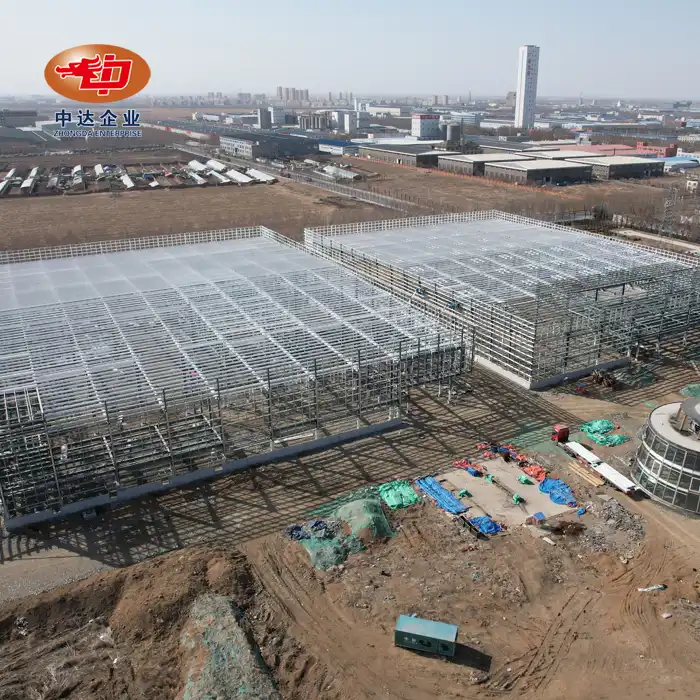
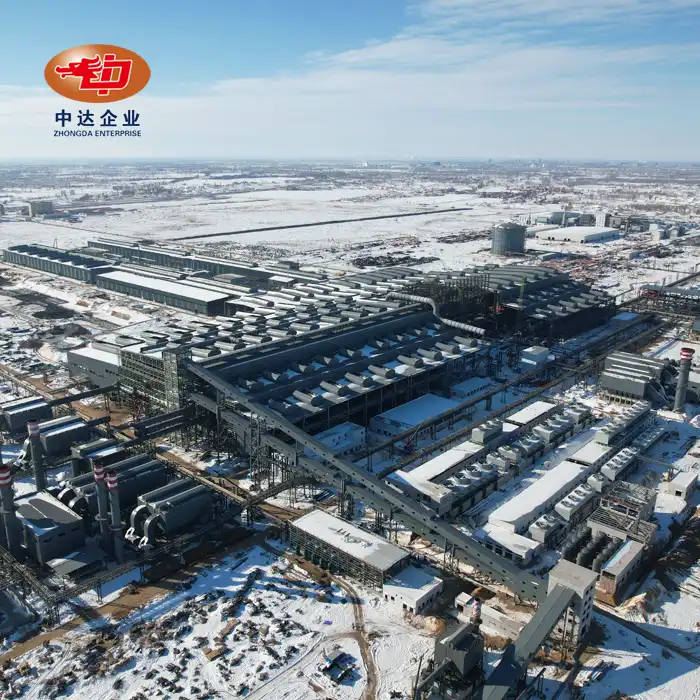
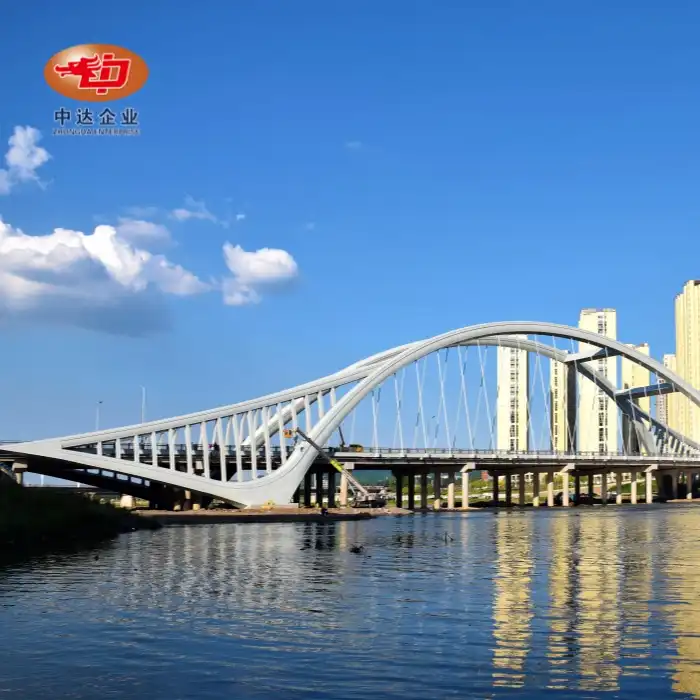
Modern engineering has reached its peak with steel structural systems for complex building forms. These systems use advanced load-bearing frames to make architects' wildest ideas come to life. Precision welding, fitting, and riveting are used to join designed steel parts like beams, columns, trusses, and plates in these complex systems. A steel structural system is flexible because it can fit complicated shapes while still being structurally sound. This makes it an essential material for modern commercial buildings, industrial facilities, and infrastructure projects that need to look good and be well-engineered.
Understanding Steel Structural Systems in Complex Architectural Forms
Modern building designs need structure solutions that can meet both practical needs and aesthetic goals. Steel structural frames have become the best choice for complicated builds because they can easily adapt to irregular forms, curved surfaces, and load lines that go in more than one way, which is something that other materials just can't do.
Core Principles of Steel System Design
Three basic engineering ideas are at the heart of any good steel structural system: load distribution efficiency, material optimization, and constructability. Advanced load-bearing systems use carefully placed main and secondary parts to spread forces throughout the structure. This creates multiple load lines that increase safety margins. Engineers can change the system's links, member sizes, and configurations to meet specific design needs while still following strict safety standards like AISC 360 and AWS D1.1 thanks to its flexible parts.
Steel is great for building complicated shapes because of the way it is naturally made. The material has a high modulus of elasticity (206 GPa) and yield strengths between 235 and 460 MPa. This lets thin profile shapes be made that make the most of available space. This strength-to-weight advantage is very important for projects with long clear spans or complicated geometric shapes, where traditional materials would need support structures that are too heavy to move.
Key Advantages for Modern Construction
Steel structure frames are useful for a lot more than just supporting weight. Better strength-to-weight ratios lower dead loads by a large amount. This makes base designs cheaper and lets buildings be built on difficult land. This benefit directly saves money for people who are building business buildings and industrial parks, who often have to stick to a tight budget.


It will work for a long time even in harsh settings thanks to its exceptional sturdiness. If you use modern protection systems like hot-dip galvanization or marine-grade coatings on steel buildings the right way, they can last longer than 50 years in industrial or coastal settings. Because steel lasts a long time, it is often used in the energy sector, where buildings need to be able to handle harsh chemicals, high winds, and extreme temperatures.
Sustainability in terms of the environment has become an important factor in current construction buying choices. These problems can be solved by steel structural systems because they can be recycled over and over again. This means that structural steel keeps its qualities forever, making it a truly sustainable building material. Precision manufacturing reduces the need for cutting and modifying on-site, which naturally leads to less construction trash.
System Types and Applications
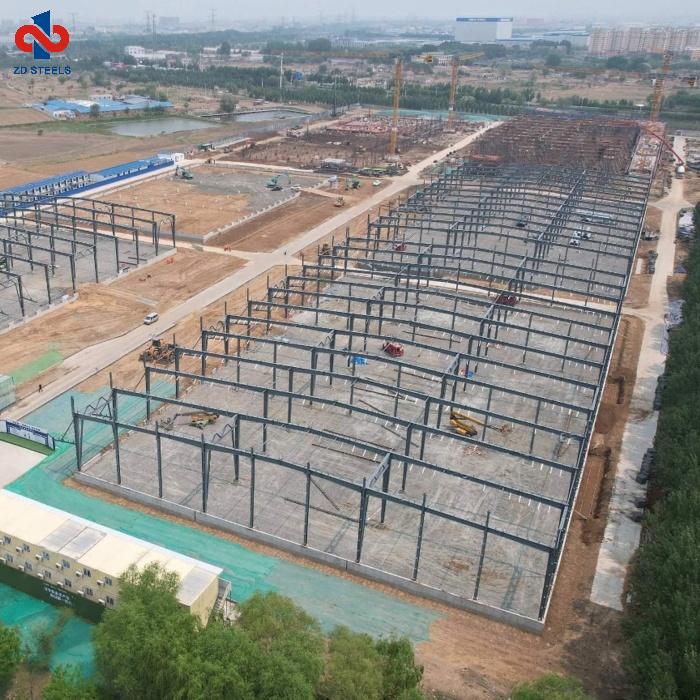
For different technical and architectural needs, different steel structure shapes are used. Steel frame systems work great in business high-rise buildings that need to be built quickly and with a lot of design options. Truss systems are the best way to meet the needs of warehouses, factories, and logistics hubs that need big spans. Modular steel systems are great for building types that are used over and over or projects that are built in stages because they can be customized while still being able to be standardized.
Comparing Steel Structural Systems with Alternative Materials
Choices about which materials to use have a big effect on project schedules, costs, and how well they work in the long run. When purchasing professionals know how steel structure frameworks stack up against options made of concrete and wood, they can make smart choices that meet the needs of the project and the organization's goals.
Construction Speed and Efficiency Analysis
Steel structure systems always finish 30 to 50 percent faster than options made of reinforced concrete. This speed advantage comes from the ability to fabricate parts away from the building site, which lets work continue at the same time. For example, while the site is being prepared, steel parts are being carefully made in a controlled factory setting. Pre-engineered building systems can cut down on construction time even more, which helps business developers and industrial facility owners get their money back faster.
Pouring and hardening concrete must be done in a certain order, and timing is affected by the weather, which can make project timelines much longer. Even though wood is faster than concrete in some situations, it is not strong enough for complex building shapes or large-scale industrial projects. These changes in timing have big effects on costs when you look at things like finance costs, earlier occupancy dates, and lower costs for building management.
Cost-Effectiveness and Load Capacity Considerations
Long-term cost research shows that steel is more cost-effective than other materials, even if the starting costs of materials are higher. Less base work is needed because the structure is lighter, which usually makes up for the higher cost of materials. Regular checks and care of the coating system keep maintenance costs stable and doable. This is in contrast to concrete buildings that may need major fixes because of problems with reinforcement corrosion or thermal expansion.
When comparing load capacities, steel is better than other materials when high strength-to-weight performance is needed for a steel structural system. For aesthetic reasons, structural parts that can hold a lot of weight while keeping their outlines thin are often needed for buildings with complicated shapes. Steel's higher tensile strength and flexibility make it possible for these tough jobs to be done where concrete would need pieces that are too big to handle or where wood would not be strong enough at all.
Environmental Impact and Sustainability Metrics
As companies try to be more environmentally friendly, carbon footprint research plays a bigger role in choosing what materials to use. In the last few decades, steel production has gotten a lot better. These days, electric arc mills can use up to 90% recovered material. Because the material can be recycled over and over again, steel buildings from today can be used as raw materials tomorrow without losing any of their quality.
The process of making cement releases a lot of CO2 into the air, and cutting down trees has an effect on forest environments and their ability to store carbon. Because steel structures last longer, they need fewer big repairs or replacements over their working life, which lowers their lifecycle environmental effect. This durability is especially helpful for building projects and factories where service interruptions cost a lot in terms of money and the environment.
Procurement Insights for Steel Structural Systems in Complex Builds
For buying plans to work, they need to carefully look at what suppliers can do, what the project needs, and how the market is doing. When procurement workers understand these factors, they can improve outcomes while controlling risks effectively along the supply chain.
Supplier Selection and Certification Requirements
Suppliers of quality steel show that they follow globally known standards like ISO 9001 for quality management, EN 1090 for execution class requirements, and AWS D1.1 for welding certifications. These certificates show that the company has a systematic way of checking the quality of its work, a skilled workforce, and a dedication to always getting better. These are all very important for complicated building projects that need to be precise and reliable.
The reputation of a brand in certain market groups can tell you a lot about how well a provider has done in the past. Established companies that work with clients in the energy sector usually have a lot of experience with rust protection and uses that need to work in harsh environments. Suppliers who have worked on infrastructure projects before know how to meet the strict delivery deadlines and planning needs that are common in government hiring settings.
Cost and transportation plans for a steel structural system are both affected by where things are located. Buying from local businesses may cut down on shipping costs and delivery times while also helping the region's economic development goals. International buying can give you access to specialized skills or lower costs, but you need to think carefully about quality standards, communication methods, and factors that affect the stability of the supply chain.
Pricing Factors and Budget Planning
Prices for steel structure systems depend on many things, such as the cost of raw materials, how hard they are to make, when they need to be delivered, and how much demand there is in the market. Due to the need for specialized engineering, thorough shop drawings, and precise production processes, custom fabrication for complicated building forms usually comes with a higher price tag.
Lead times have a direct effect on project plans and the costs that come with them. Standard structural forms and sizes have shorter lead times for delivery, while custom profiles or metals may need longer making times. Getting suppliers involved early on makes it easier to coordinate schedules and may lead to cost-cutting possibilities that don't affect performance standards.
Changes in the market price of steel mean that time and risk management techniques need to be very careful. A lot of providers give price protection times or pricing structures that change over time, which can help keep project costs stable. Understanding these processes makes it easier to predict costs and stick to a budget as a project is being built.
Ordering Process and Installation Coordination
For ordering to work well, there needs to be a lot of information about the job, like thorough drawings, specs, and shipping schedules. Integrating Building Information Modeling (BIM) makes it easier for design teams, fabricators, and construction workers to talk to each other. This cuts down on mistakes and problems with coordination.
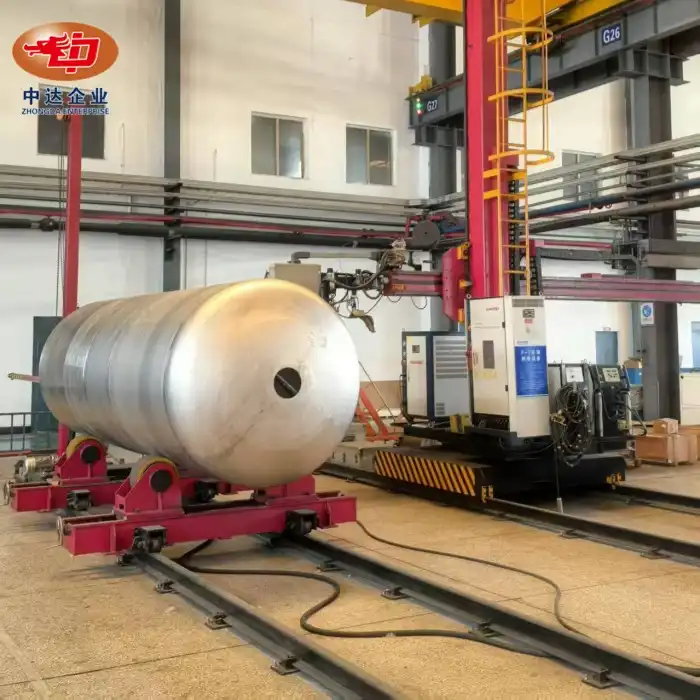
Choosing between prefabricated and site-built options affects both costs and schedules. Maximum prefabrication is often best for complex building shapes because it allows for better quality control and precise assembly in a controlled factory setting. Site limits, transportation issues, and the need for crane access all play a role in these choices, which need to be carefully considered early on in the buying planning process.
Coordination of installation services is very important for complicated structures that need expert knowledge for things like safety, scheduling, and temporary support. A lot of steel providers offer "turnkey" options that include engineering, fabrication, and installation. These make buying steel easier and make sure that everyone is responsible during the whole building process.
Engineering and Construction Challenges in Complex Steel Structures
When it comes to building a steel structural system, complex steel structures pose their own problems that need to be solved with specialized knowledge and careful planning. By understanding these problems, you can better plan your projects and come up with ways to reduce risks.
Load Distribution and Structural Integrity
Load paths that aren't straight are caused by complex building geometries, which require more advanced analysis and planning methods. Engineers can use advanced finite element models to find the best member sizes and connection details while making sure there are enough safety gaps for all loading situations. When there are dynamic loads, earthquake forces, or strange geometric shapes, these studies become even more important.
For structural stability to be maintained while building aesthetics are achieved, the design and engineering teams must work together closely. Because steel is so flexible, it can be used to make curved sections, complicated links, and new bracing systems that support artistic vision while also meeting engineering needs. When people work together, they often come up with hybrid methods that combine different structure systems to get the best results.
Connection design is an important part of building complicated steel structures where standard features might not be enough. For custom links to work, they need to be carefully analyzed by engineers, made using special methods, and installed with strict quality control. These links are often the hardest and most expensive parts of big projects, so they need to be thought about early on in the plan development stages.
Construction Process and Quality Control
Phased steel assembly strategies help handle complicated projects by breaking building into manageable pieces that keep the structure stable as a whole. To make sure that these strategies are used safely and efficiently, they need careful planning of the steps to be taken in the right order, temporary support systems, and communication with other trades.
When structures are complicated and mistakes can have affects that spread through the system, quality control methods become more important. Multiple inspection steps, such as checking the material's certification, its dimensions, its weldability using non-destructive testing, and its bolt installation, make sure that it meets design requirements and safety standards.
New technologies for quality control, like 3D scanning, digital measurement systems, and real-time tracking, make it possible to check intricate shapes and connections that older checking methods might miss. These technologies cut down on testing time and costs while providing proof of quality compliance.
Safety Standards and Code Compliance
Multiple code requirements must be met by complex steel buildings, such as structural design standards, fire safety rules, and seismic design criteria. To be compliant, you need to know all the relevant rules and how they affect each other. This is especially important for projects that involve more than one state or special occupancy classifications.
In order to meet fire resistance standards, steel buildings often need special protection devices. Spray-applied fireproofing, insulating coats, and encasing systems can all meet specific fire standards while also working with complicated shapes and building needs. To make sure they work well, these systems need to be carefully designed, installed, and inspected.
When building an uneven structure, it can be hard to figure out how to plan it so that it doesn't fail during an earthquake. To show that the earthquake performance is good enough, you might need to use more complex analysis methods, like nonlinear reaction history analysis. These rules mostly affect projects that are in areas with a lot of earthquakes or that have buildings with strange mass distribution or stiffness characteristics.
Conclusion
For modern building projects, steel structural systems for complicated architectural shapes offer the best mix of technical strength, aesthetic versatility, and cost-effectiveness. The material is great for business buildings, industrial facilities, and infrastructure projects that need creative solutions because it has a high strength-to-weight ratio, can be used in a variety of ways, and is long-lasting. Steel is becoming more competitive while lowering its environmental effect and lifetime costs thanks to new fabrication technologies, digital design integration, and changing sustainability practices. When looking at their choices for their next difficult building project, companies that want reliable, high-performance structure solutions should think about steel's many benefits.
FAQ
How do steel structural systems perform under extreme weather conditions?
When properly built and covered, steel structural frames are very strong and can withstand extreme weather conditions. In coastal areas, corrosion-resistant finishes like hot-dip galvanization and specialized paint systems are used, and the structure is designed to withstand wind loads, snow loads, and changes in temperature. Detailing done right keeps wetness from building up and makes sure that something will last for a long time, even in harsh areas.
What maintenance requirements should be expected for complex steel structures?
As part of their maintenance, steel structural systems usually need to have their protection coatings, link strength, and drainage systems checked on a regular basis. Routine maintenance plans usually call for eye checks once a year and more in-depth checks every five to ten years, based on how exposed the structure is to the environment. When steel buildings are well-designed and protected, they need less upkeep than other options, which helps them have better lifecycle cost profiles.
Can steel structural systems accommodate future building modifications or expansions?
Because steel is modular and has standard link systems, it is much easier to make changes in the future than concrete or brick. Most of the time, extra members or stronger connections can handle extra loads. However, the original design may have limited the ways that the structure can be reconfigured. This ability to change gives companies important long-term freedom as they plan for changing operational or space needs.
Partner with Zhongda for Your Steel Structural System Requirements
Zhongda Steel provides precision-engineered steel structural system solutions for difficult building projects in the infrastructure, industry, and construction fields. Our ISO-certified factory uses advanced production technologies along with BIM-driven design integration to make sure the best performance and on-time delivery. With our proven skills in weathering steel technology and ability to cut with extreme accuracy, we can help with projects ranging from business high-rises to specialized industrial facilities that need unique structural solutions.
Get in touch with our engineering team at Ava@zd-steels.com to talk about your needs for a steel structural system source and find out how our wide range of services can help your next big architectural project.
References
American Institute of Steel Construction. "Specification for Structural Steel Buildings." AISC 360-16, Chicago: AISC Press, 2016.
Chen, Wai-Fah, and Eric M. Lui. "Principles of Structural Design." CRC Press Engineering Handbook Series, Boca Raton: CRC Press, 2019.
Geschwindner, Louis F., and Charles J. Carter. "Steel Building Design: Design Fundamentals and Examples for Engineers and Architects." John Wiley & Sons Professional Engineering Series, Hoboken: Wiley Publications, 2018.
International Association for Bridge and Structural Engineering. "Complex Steel Structures: Design Challenges and Solutions." IABSE Symposium Proceedings, Zurich: IABSE Publications, 2020.
Salmon, Charles G., John E. Johnson, and Faris A. Malhas. "Steel Structures: Design and Behavior." Pearson Civil Engineering Series, Upper Saddle River: Pearson Education, 2017.
Trahair, Nicholas S., and Mark A. Bradford. "The Behaviour and Design of Steel Structures to EC3." CRC Press Structural Engineering Series, London: Taylor & Francis Group, 2019.
YOU MAY LIKE
_副本_1757053936097.jpg "building structure")
(1)_副本_1760321095013.jpg "structure bracing")