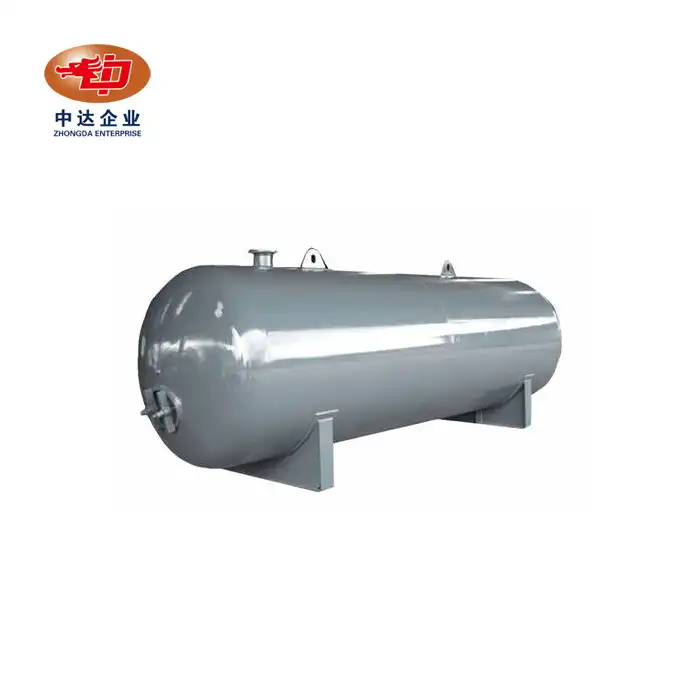
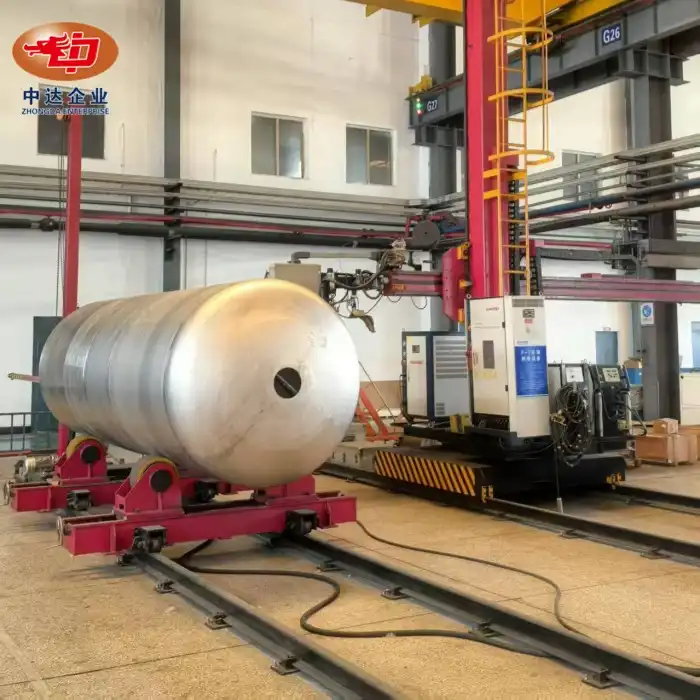
Pressure Vessel Steel Gas Tank






2. Certifications: ASME Sec VIII Div.1 and TPED 2010/35/EU.
3. Customization: Vertical/horizontal, 5 - 100m³ capacity, with valve/gauge modules.
4. Delivery: Standard tanks in 40 days, cryogenic ones in 60 days.
5. Application: LNG and industrial gas storage, - 196°C to +50°C.
6. Safety: Dual relief devices, 101% X - ray inspection.
Pressure Vessel Steel Gas Tank – Enterprise-Grade High-Pressure Storage Solutions
When your operations demand reliable containment of gases or liquids under extreme pressures, our Pressure Vessel Steel Gas Tank delivers certified safety and precision engineering. Manufactured by Shenyang Zhongda Steel Structure Engineering Co., Ltd—a National High-Tech Enterprise with 20 years of fabrication excellence—these tanks utilize Q345R steel (12-40mm thickness) designed for 1.6-3.0MPa working pressures. With an annual capacity of 80,000 tons and 75,000 m² advanced production facilities, we guarantee 101% X-ray weld inspection, ASME Section VIII Div.1 and TPED 2010/35/EU compliance. Our automated submerged arc welding and 50T crane infrastructure enable customization from 5-100m³ capacities. Standard delivery in 40 days ensures your project timelines stay intact.
Product Description
Our high-pressure storage tanks are designed for industrial uses where volatile liquids, compressed gases, and LNG must be safely contained. CNC cutting technology for ultra-thick plates and 3-axis drilling systems with ±0.1mm tolerances are used to precisely fabricate each unit.
By using hermetically sealed construction and carefully considered corrosion allowances, the design philosophy aims to prevent catastrophic decompression. Our tanks function dependably in temperature ranges from -196°C to +50°C, regardless of whether you want vertical or horizontal layouts .
Your facility benefits from dual safety relief devices installed at critical pressure points. We apply strict corrosion management protocols including epoxy linings and galvanization based on your specific storage medium.
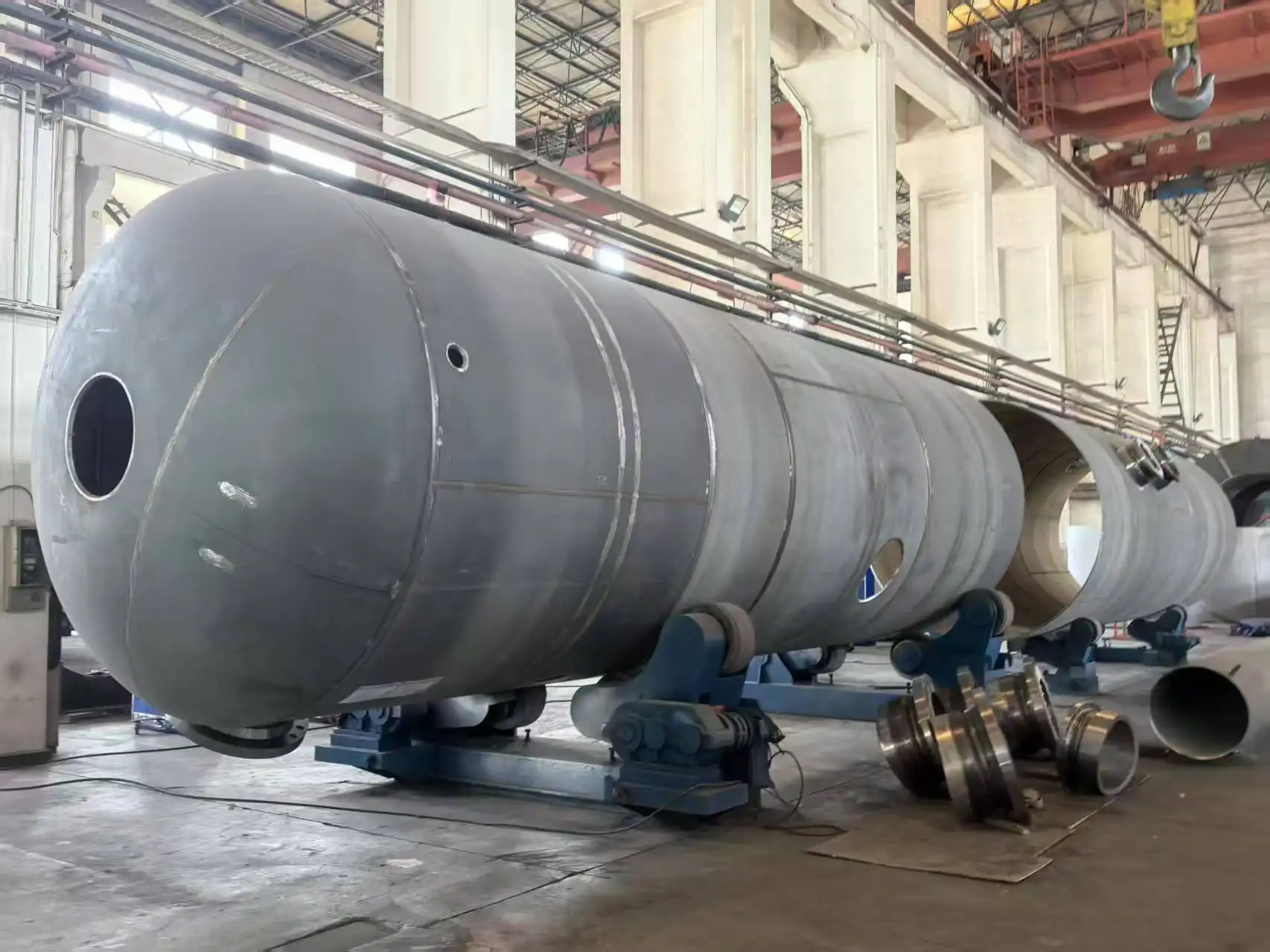
Product Advantages
Uncompromising Structural Integrity
High yield strength (310-345 MPa) materials resist cyclic loading and fatigue. Our tanks endure hydrostatic test pressures 1.5 times the maximum allowable working pressure, ensuring 20-25 year service life.
Advanced Welding Technology
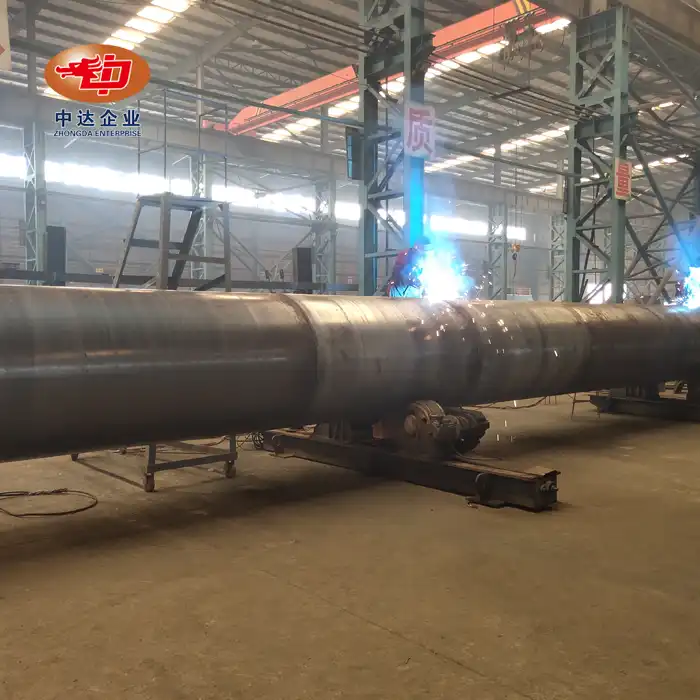
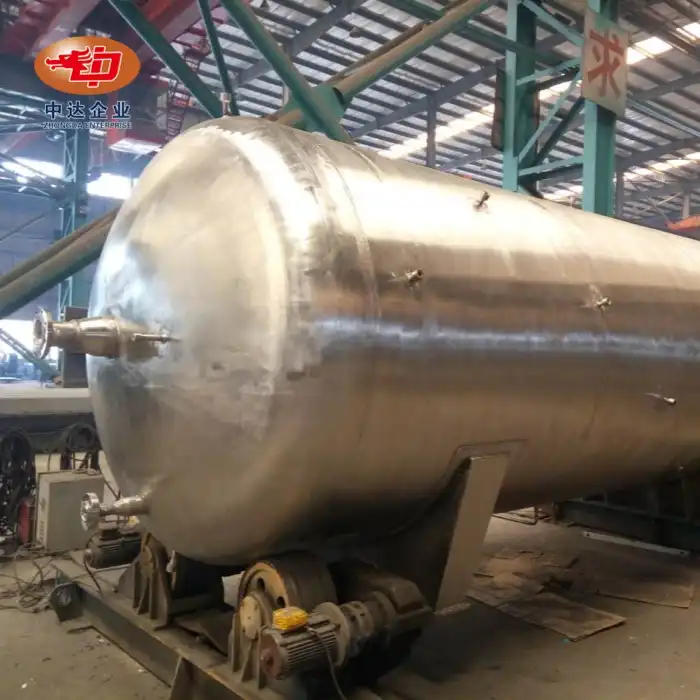
Automated submerged arc welding lines eliminate human error. Every seam passes 100% radiographic testing to detect microscopic defects before they become safety hazards.
Temperature Extremes Adaptability
Low-alloy steel grades pass Charpy V-notch impact tests at -46°C. Your cryogenic operations gain protection against brittle fracture in liquefied gas storage.
Rapid Custom Engineering
BIM-based digital design reduces project lead time by 20-30%. Our engineering team collaborates with leading universities to optimize complex geometries and non-standard structural requirements.
Full Traceability Documentation
Material Test Reports (MTRs) verify chemical composition for every batch. You receive complete inspection records, English technical drawings, and certification packages for international compliance.
Specifications & Customization
|
Parameter |
Standard Range |
Customization Options |
|
Material Grade |
Q345R, SA516 Gr.70 |
Customer-specified alloys |
|
Wall Thickness |
12-40mm |
Up to 300mm with CNC cutting |
|
Design Pressure |
1.6-3.0 MPa |
Extended range upon request |
|
Volume Capacity |
5-100 m³ |
Scalable to project needs |
|
Temperature Range |
-196°C to +50°C |
Post-weld heat treatment available |
|
Orientation |
Vertical / Horizontal |
Custom mounting configurations |
|
Welding Method |
Auto submerged arc |
TIG/MIG for special applications |
|
Corrosion Allowance |
1-3mm standard |
Increased for aggressive media |
|
Inspection Rate |
101% X-ray coverage |
Additional UT/MT upon request |
|
Delivery Time |
40 days (standard) |
60 days (cryogenic versions) |

Manufacturing & Quality Control
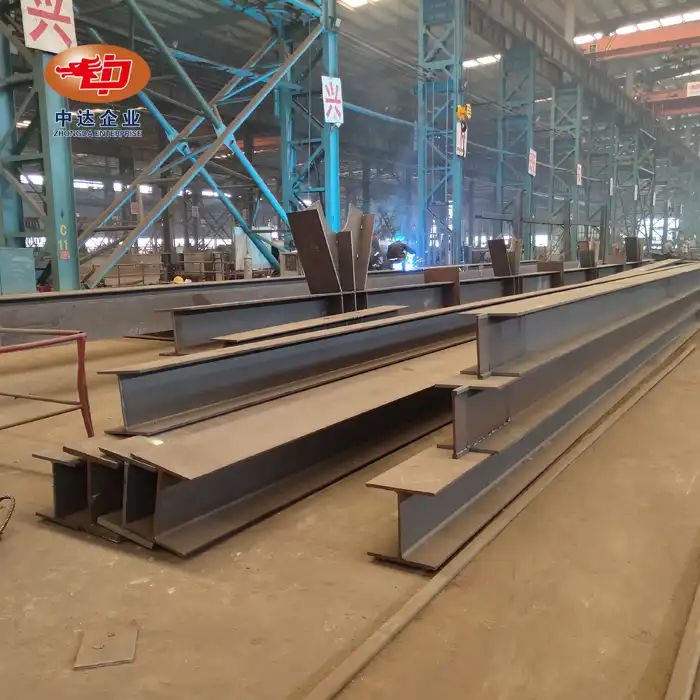
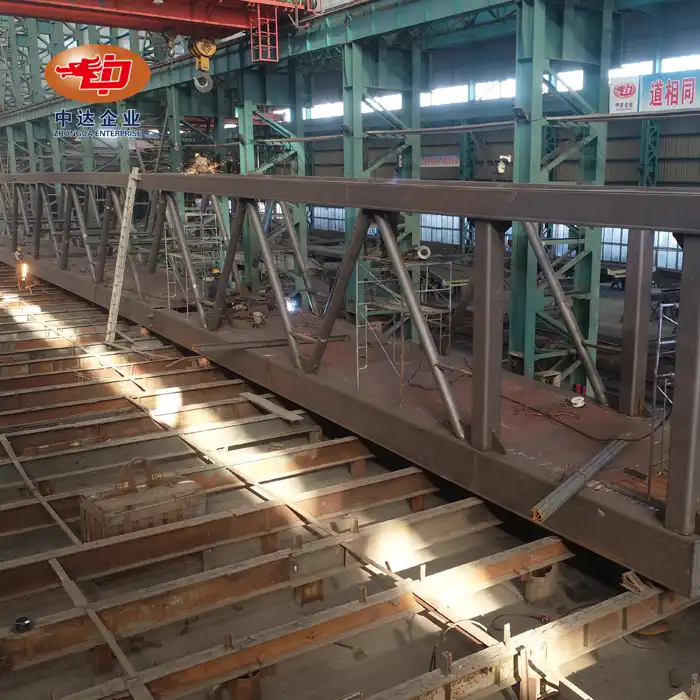
Your orders are processed in our 75,000 m² fabrication facility equipped with 1200-ton plate rolling machines and 50-ton overhead cranes. This infrastructure handles heavy-wall pressure vessels requiring precise forming without material stress concentration.
Quality Assurance Process:
Material Verification: Before cutting, chemical analysis verifies that carbon/manganese ratios meet predetermined grades.
Dimensional Control: 3-axis CNC drilling keeps hole position accuracy within a tolerance of 0.1 mm.
Weld Quality: Ultrasonic Testing (UT) finds internal laminations, whereas Radiographic Testing (RT) checks 100% of seam penetration.
Pressure testing: Pneumatic leak tests guarantee gas-tight integrity, while hydrostatic tests confirm structural soundness at 1.5x MAWP.
Surface Inspection: Surface fractures that are imperceptible to the naked eye can be found using magnetic particle testing (MT).
Heat Treatment: In heavy-section tanks, Post-Weld Heat Treatment (PWHT) reduces residual stresses.
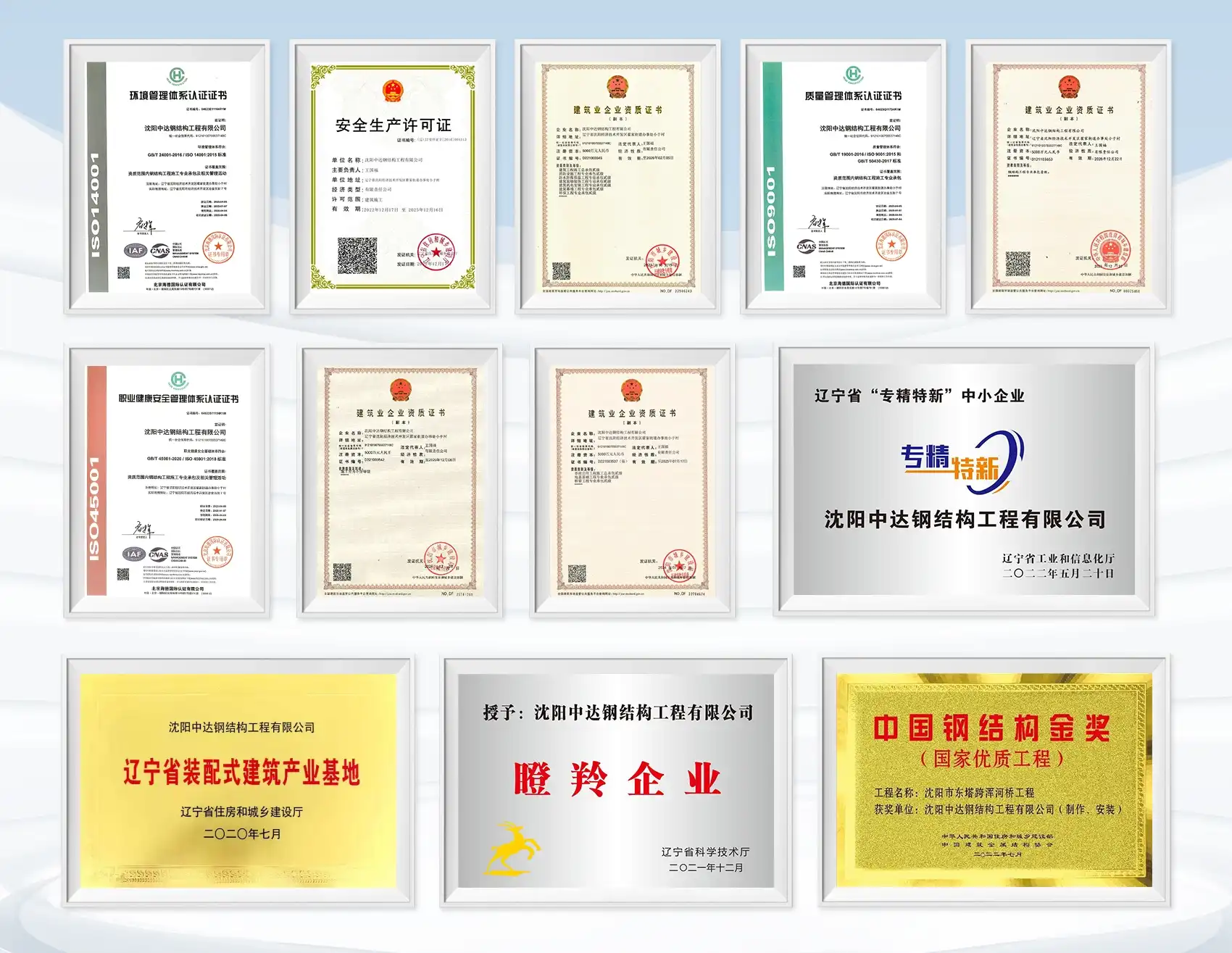
Our ISO 9001/14001/45001 certified management system tracks every production stage. Third-party inspectors access our facilities for witness testing and certification stamp application.
Project Cases
Petrochemical Storage Expansion – Northeast China
Delivered 12 horizontal Pressure Vessel Steel Gas Tank units (25m³ each) for LPG storage at a major refinery. The project required ASME 'U' stamp certification and sub-zero temperature capability. Our team completed fabrication and on-site pressure testing within 45 days, supporting the client's tight turnaround schedule.
Industrial Compressed Air System – Manufacturing Hub
Supplied 6 vertical buffer tanks (50m³) for a pneumatic production line serving heavy equipment assembly. Tanks withstand constant vibration and moisture exposure while maintaining 2.0 MPa working pressure. The client reported zero maintenance issues after 18 months of continuous operation.
Cryogenic Oxygen Plant – Medical Supply Facility
Engineered specialty tanks using killed carbon steel for oxygen liquefaction storage at -180°C. Enhanced insulation systems and dual relief devices meet stringent medical-grade safety requirements. This project demonstrated our capability in extreme environmental adaptations.
Compliance & Certifications
Our pressure vessels comply with multiple international standards:
· ASME Section VIII Division 1 – U.S. pressure vessel code certification
· TPED 2010/35/EU – European Pressure Equipment Directive compliance
· EN 1090 – European steel structure execution standards
· AWS D1.1 – American Welding Society structural welding code
· GB150 – Chinese pressure vessel technical standard
· ISO 9001:2015 – Quality management system certification
· ISO 14001 – Environmental management compliance
· ISO 45001 – Occupational health and safety standards
All tanks ship with complete Material Test Reports, hydrostatic test certificates, and dimensional inspection records. For export projects, we provide full English documentation including operation manuals and maintenance protocols.
FAQ
Q: How do you prevent corrosion in aggressive storage environments?
A: We apply calculated corrosion allowances (1-3mm) to wall thickness during design. Depending on your stored medium, we add specialized epoxy linings or hot-dip galvanization. Periodic internal inspections help monitor corrosion rates over time.
Q: Can tanks be recertified after the initial inspection period?
A: Absolutely. Industry regulations typically require re-inspection every 5-10 years. Our maintenance team performs non-destructive testing and pressure re-certification to extend service life beyond the standard 20-year expectancy.
Q: What's included in your delivery package?
A: Each Pressure Vessel Steel Gas Tank ships with valve/gauge modules pre-installed, safety relief devices calibrated to your specified pressure, complete MTC documentation, and foundation anchor bolt specifications. Installation guidance and remote technical support are available.
Q: Do you handle international shipping and customs documentation?
A: Yes. We've delivered components for Belt and Road Initiative projects across multiple continents. Our export team prepares all required customs paperwork, arranges container loading, and coordinates with freight forwarders for door-to-door delivery.
Q: How often should safety valves be tested?
A: We recommend annual recalibration of safety relief valves. This ensures they trigger at the designated set pressure, preventing over-pressurization incidents. Our service team offers on-site calibration or return-to-factory testing programs.
Contact Us
Ready to discuss your high-pressure storage requirements for Pressure Vessel Steel Gas Tank? Our engineering team is available to evaluate your specifications and provide customized solutions.
Get in touch today: Ava@zd-steels.com
YOU MAY LIKE