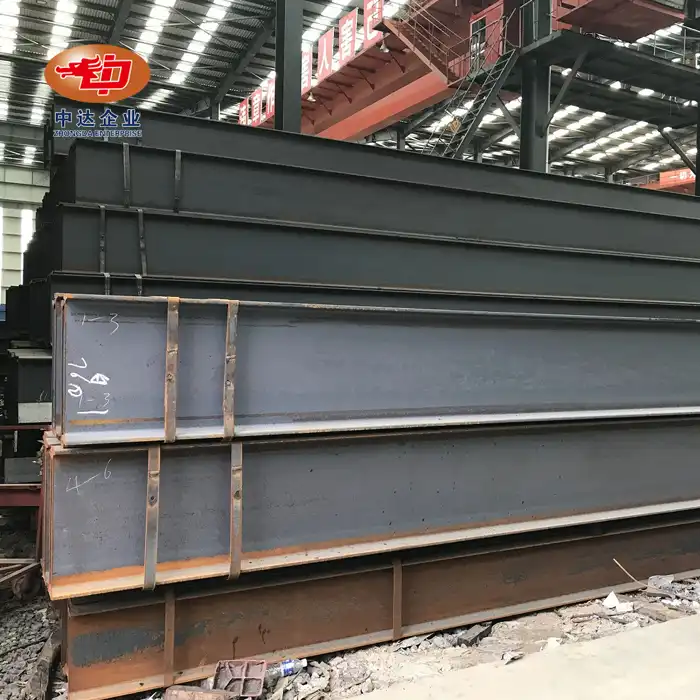
Steel Structure Manufacturer for Bridges and Large Buildings
2026-03-14 16:50:59






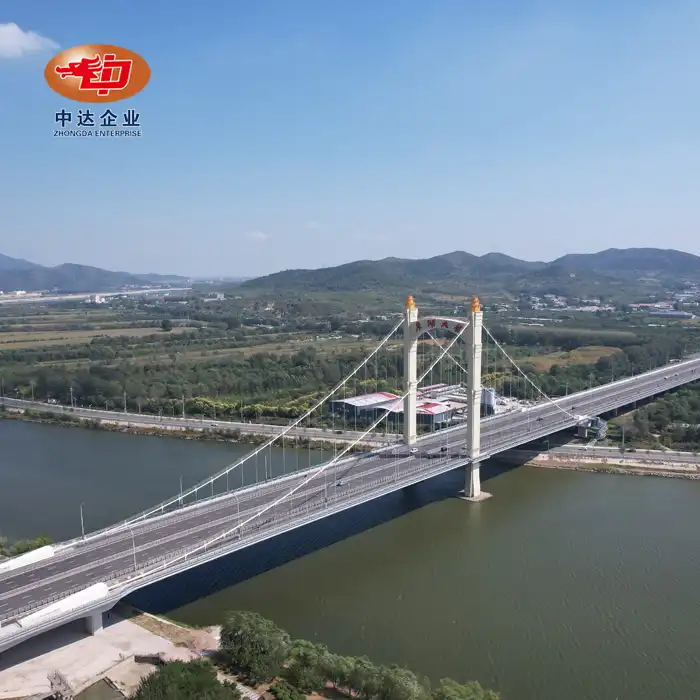
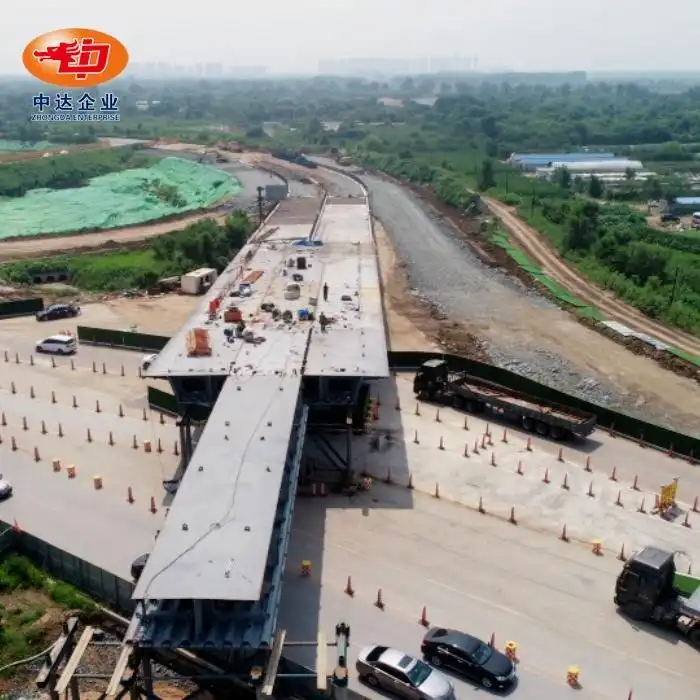
Around the world, Zhongda Steel is known as a top steel structure maker that focuses on bridges and other large-scale building projects. We have been providing top-notch engineering services since 2004 and now offer a full range of structural steel manufacturing services using cutting-edge BIM-driven prefabrication technology and weathering steel anti-corrosion systems. Our ISO-certified factory makes high-quality steel frames that meet the strict needs of building projects, business developments, and industrial centers across the country.
Understanding Steel Structures for Bridges and Large Buildings
Steel systems that are strong, bendable, and able to hold a lot of weight are the most important parts of construction today. Steel grades made in a factory, such as Q355B and ASTM A572 Gr. 50, which are better for bending between 235 and 460 MPa. It can hold 206 GPa of stress, which means that builders and engineers can use it to make thin parts that can hold big loads without breaking.
This is because the isotropic properties of steel make sure that the building works the same way all the way through. Steel doesn't weaken in one way like concrete or mixed materials do, so it's possible to guess how it will react to different loads. This reliability is very important when making big buildings that can handle wind and storms or bridges that have to deal with changing bus loads.
Essential Characteristics of Modern Steel Frameworks
The most important parts of modern infrastructure are structural steel systems, which are strong, flexible, and can hold a lot of weight. Grades of manufactured steel like Q355B and ASTM A572 Gr are used in these frames. 50, which have better bending strength between 235 and 460 MPa. Because the material has a high modulus of elasticity (206 GPa), builders and engineers can use it to make thin parts that can hold heavy loads without breaking.
Isotropic qualities of steel are the main benefit because they make sure that the construction works the same way all the way through. Unlike concrete or mixed materials, steel stays strong in all directions, so it can be predicted how it will behave under different loads. This dependability is very important when building bridges that have to handle changing traffic loads or big buildings that have to deal with wind and earthquakes.
Design Principles for Durability and Safety
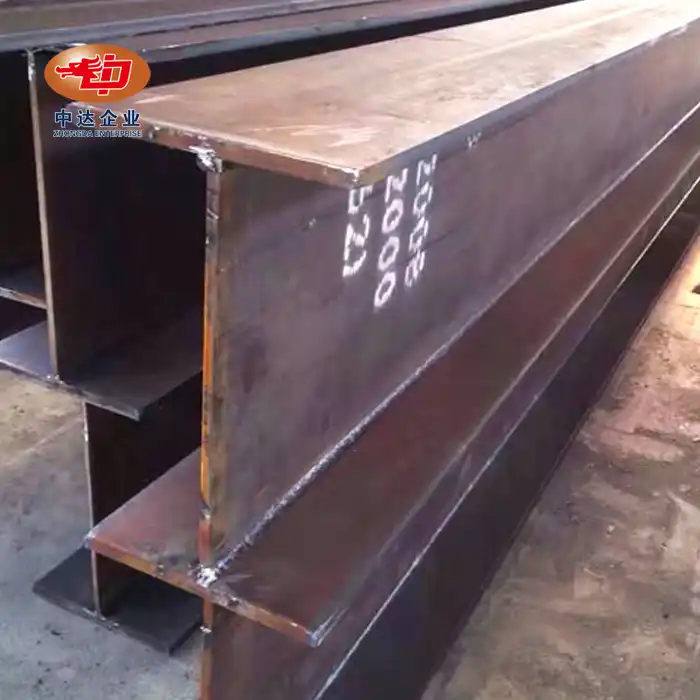
A lot of thought goes into the design of modern steel structures to make sure they last and keep people safe. A lot of thought goes into the technical figures and the materials that are used. Load distribution systems use poles and beams with an H-shape to move weight from the top floor to the bottom floor. High-strength pins or soldered parts are used to connect the structure so that it stays together but can bend in a controlled way during extreme events.
Because they keep people safe, things like fireproofing and building support that keeps steel structure from falling apart over time are important. Design codes, such as AISC 360 and Eurocode 3, make these rules. They make sure that buildings meet safety standards around the world. As part of seismic design, there are guidelines for flexibility that make sure people and the building can safely bend during shocks.


Zhongda's Advanced Manufacturing Techniques
Our 120,000-square-meter building uses cutting-edge ways to make things to make sure accuracy and quality control. Computer-controlled machines can cut very thick plates to within ±0.2mm, and automatic welding systems make sure that the joints stay of the same quality as they are made. By integrating BIM, the design team and the production process can work together in real time. This helps avoid mistakes and make the best use of the materials.
As part of quality control protocols, materials must be tracked from the time they are bought as raw steel until they are put together. One non-destructive way to check the quality of welds and find flaws before they are shipped is with ultrasonic screening. The other is magnetic particle testing. ISO 9001, 14001, and OHSAS 45001 have all been given to Zhongda for this all-around method. This shows that we are committed to having the best quality, safety, and environmental management methods possible.
Comparing Steel Structures with Alternative Construction Materials
Steel structure are more effective than conventional building materials, according to a number of rating factors. About 25 times more strength is packed into a unit of weight in structural steel than in concrete. So, the supports can be made lighter, and the job can be done for less money. When making a bridge, this difference in weight is very important because less dead weight means that spans can be longer and there are fewer supports in the middle.
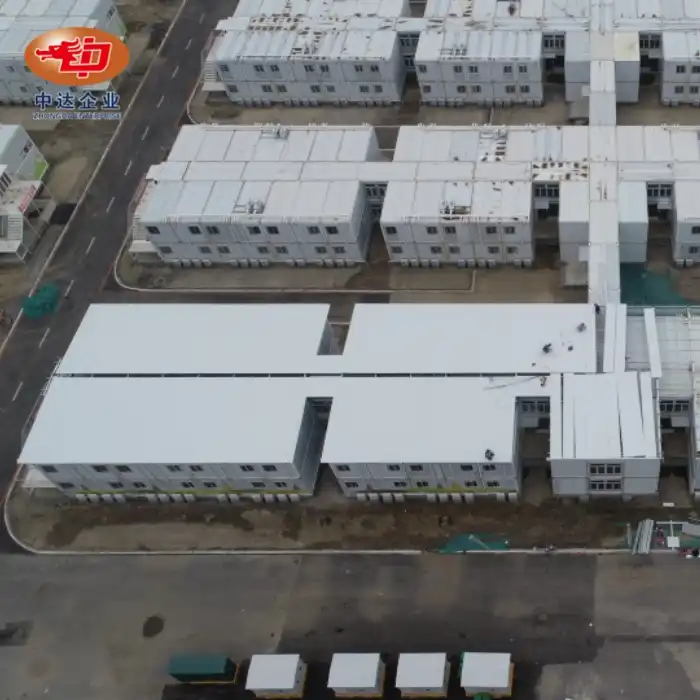
It's clear that steel is faster to build than other materials because it can be made away from the spot. Many of the steps needed to shape, fill, and cure a concrete building must be done on-site. When you buy steel frames, on the other hand, they are already put together. This speeds up the building process by 30 to 50 percent. Being able to work in any weather speeds up the project even more, since steel assembly can go on even when bad weather stops concrete work.
Maintenance requirements prefer steel buildings when the right safety measures are in place. With hot-dip galvanization and new covering methods, rust can be stopped for more than 50 years in most situations. But concrete buildings might need major fixes in 20 to 30 years because the supports will rust and the building will become less strong.
Performance Metrics and Cost Analysis
Multiple rating factors show that steel structures work better than standard building materials. The strength-to-weight ratio of structural steel is about 25 times higher than that of concrete. This means that supports can be made lighter and the total cost of the project can be lower. This edge in weight is especially important when building a bridge, because lower dead loads let spans be longer and there are fewer supports in the middle.
When you compare construction timelines, you can see that steel has big benefits because it can be made off-site. Concrete buildings need a lot of shaping, filling, and drying to be done on-site. Steel frames, on the other hand, come ready to be put together, which cuts down on construction times by 30 to 50 percent. Weather freedom during construction speeds up the project even more, since steel assembly can continue successfully in bad weather that stops concrete work.
When the right safety systems are put in place, maintenance needs favor steel buildings. Hot-dip galvanization and new covering methods guard against rust for more than 50 years in usual circumstances. On the other hand, concrete buildings may need major repairs within 20 to 30 years because the reinforcements will rust and the structure will weaken.
Material Selection Guidelines for Infrastructure Projects
What kind of material is used for a job depends on how long it needs to be, how much weight it will have, and how it will be exposed to the elements. Steel is great for jobs that need long, straight spans, and you can cross more than 100 meters without having to pay for middle supports. Steel can handle changing temperatures and moving loads thanks to carefully designed joints and links. This is especially helpful for bridges.
Being concerned about the environment affects the choice of material. Steel can be recovered fully when it's time to throw it away. Over 90% of structure steel is recovered right now, which helps with green building and meeting the requirements for LEED certification. Steel buildings can be good for the earth because they last longer and can be recycled more effectively, according to a study of their carbon footprint.
Zhongda's Steel Structure Solutions: Custom Fabrication and Services
Zhongda's combined method covers the whole project process, from the first meeting to talk about ideas to the final handover. In the beginning, our engineering team works with clients to come up with value engineering ideas that keep costs low while making buildings as efficient as possible. There are problems that happen when different design and production groups try to work together. Design-build skills get rid of these problems, which speeds up the delivery of projects.
Custom metalworking services can make things in a variety of ways to meet the needs of each job. For building purposes, you need special tools to work with parts that range from simple beam sections to complex bent members. Welders who are certified and know advanced techniques like submerged arc and gas metal arc welding can help you weld unusual materials and joints that are hard to shape.
Comprehensive Manufacturing Capabilities
Zhongda's combined method for steel structure includes full project lifecycle support, from the first concept meeting to the final approval. During the initial stages, our engineering team works with clients to provide value engineering suggestions that make structures as efficient as possible while staying within budget limits. Design-build skills speed up project delivery by getting rid of problems that come up when different design and production groups try to work together.
Custom construction services use flexible production methods to meet the specific needs of each job. For building uses, specialized tools can work with parts ranging from simple beam sections to complicated bent members. Certified welders taught in advanced techniques like submerged arc and gas metal arc welding methods can help with welding difficult joint setups and rare materials.
Quality Certifications and Standards Compliance
Our thorough quality control systems, which go above and beyond what the business needs, show how much we want to be the best. The EN 1090 certification means that the work meets European standards for making steel structures, and the AWS D1.1 certification means that the welding meets American standards for quality. Periodic checks by a third party make sure that rules are still being followed and push everything to keep getting better.
As part of material approvals, all steel goods need to have mill test papers. These include proof of chemical analysis and testing of mechanical properties. Traceability systems keep track of each part from the time it is received as a raw material until it is put together. All of this makes it easy to fix any quality issues fast. Clients can trust that the structure will work well in the long run because of this paperwork covering guarantee claims.
Project Delivery and Support Services
Delivery planning fits in with project schedules by being open with how production is planned and working together with shipping companies in smart ways. Transport costs are cut down by regional storing, and just-in-time supply is made possible for building processes that are hard to understand. Technicians can still get help during the installation process, and skilled field experts are on hand to answer questions and fix issues.
The protection covers problems with the materials, the way they were put together, and whether or not the plan works with certain types of loads. After the structure is put up, services like checking it, planning maintenance, and making changes to fit the needs of the new building are offered. This all-around support way helps clients build connections that last over time and across projects and places.
Maintenance, Lifespan, and Environmental Impact of Steel Structures
While being well-built and well-kept, steel buildings can last more than 100 years. For instance, many bridges that were made in the 1800s are still used today. Structures that are loaded and unloaded a lot need to be very resistant to fatigue. This means that stress concentrations and link details need to be studied in great depth. Modern design rules limit the stress range and make sure links are detailed in a way that makes them last as long as predicted under expected loads. This is done to account for tiredness.
Contact with the environment has a big impact on how often steel structure needs to be maintained and how long it should last. Near the coast, salt spray can speed up rusting, and chemical exposure in the workplace may need special safety systems. In order to be used in the Arctic, materials and links need to be able to handle big changes in temperature without breaking or getting too hot.
Operational Lifespan Under Heavy-Duty Conditions
When properly planned and kept, steel buildings often last more than 100 years. For example, many bridges built in the 1800s are still carrying current traffic. Fatigue resistance is very important for structures that are loaded and unloaded many times, which means that stress concentrations and link details need to be carefully studied. Modern design rules take tiredness into account by limiting the stress range and defining connections in a way that makes sure they will last as long as expected under expected loads.
Environmental contact has a big effect on how much upkeep is needed and how long something is expected to last. Salt spray can speed up rusting on sites near the coast, while chemical exposure in industrial settings may require special protection systems. For use in the Arctic, materials and links must be able to handle huge changes in temperature without breaking easily or putting too much heat stress on them.
Maintenance Strategies and Fire Protection
Plans for strategic care that make buildings last longer include regular checks and steps to avoid problems. Checks that you can see reveal issues like covering wear, links that are coming loose, or strange deformation patterns that need to be fixed. Thanks to new inspection methods like infrared thermography and pictures taken by drones, large buildings can be fully checked out without having to use a lot of heavy tools.
Buildings are safe in case of a fire thanks to gadgets that protect them both passively and actively. Intumescent layers spread when they get hot, keeping steel strong during a fire by blocking heat. Based on the building codes in your area and the needs of the people who live or work there, sprinkler systems and safety barriers are two different ways to keep a building safe. To make sure they keep running well for as long as the building is used, these systems need to be checked and fixed often.
Environmental Benefits and Sustainability
Earth-friendly steel can be recovered and is better made because it uses less material, lasts longer, and is better made. A study called "lifecycle assessment" shows that steel buildings can have negative carbon footprints when the benefits of recycling are thought about over longer time periods. When steel is recovered many times, the energy that was used to make it is used again. This makes steel one of the most eco-friendly building materials.
Precision manufacturing cuts down on the need to cut and change things on-site, which means less building waste, which is also good for the environment. Modular design principles let you move or rearrange things in the future without losing any materials. This makes the structure last longer than was originally planned. Because of these things, LEED points and other programs that approve green buildings are becoming more and more important for business and government projects.
How to Choose the Right Steel Structure Manufacturer for Large Projects?
Before you buy a steel structure, you should have a clear idea of what you need it to do, what kinds of materials you want, how you want to connect the pieces, and what quality standards you want to meet. In the real world, the guidelines for loading must take into account things like live loads, environmental factors, and the chance of growth in the future. Geometric standards point out things like the maximum size, the finish on the outside, and how well they connect with other building systems.
You should judge a source based on how well they can make things, how they handle quality, and how much project knowledge they have that fits your needs. The tools, the workers, and the quality control systems that make sure the output is always the same are all looked at when figuring out how much can be made. We check the financial security of the project to make sure that it won't be held up by source business problems during important building stages.
Technical Requirements and Supplier Evaluation
To buy a steel structure successfully, you need to start with clear technical specs that include performance needs, material grades, link types, and quality standards. The criteria for loading must take into account the real-world conditions of service, such as live loads, environmental factors, and the possibility of future growth. Dimensional limits, surface finishes, and how well they work with other building systems are all spelled out in geometric requirements.
When judging a supplier, you should focus on their ability to make things, their quality processes, and their project knowledge that is important to your needs. An evaluation of production capacity looks at the abilities of the tools, the skills of the workers, and the quality control systems that make sure the output is always the same. An review of financial stability guards against project delays caused by source business problems during key building stages.
Certification Assessment and Quality Controls
Manufacturing licenses are direct proof of how skilled and dedicated a supplier is to being the best. An ISO 9001 certification shows that you manage quality in a planned way. Certifications that are specific to your business, like AISC and AWS, show that you know a lot about building with steel. Regular audit results and cases from customers are more proof that it does what it was said it would do.
Quality control systems should have ways to check the materials that come in, the work that is being done, and the finished product to make sure that all the requirements of the project are met. It's necessary to have certifications for the materials, rules for the welding process, and records of measurement inspections that show acceptance and ensure coverage. For important things like bridges and big buildings, where bad things could happen if the construction fails, these methods are even more important.
Partnership Development and Contract Considerations
When you work with experienced steel structure builders for a long time, you can get better prices, faster schedules, and more information about the job that will help you do better in the future. There should be rules in partnership agreements about how to talk to each other, make changes, and settle arguments so that everyone can keep working well together on the project.
In order to keep everyone safe, the contract must spell out exactly what work is to be done, how it is to be done, and how well it is to be done. The guarantee should cover flaws in the materials, the quality of the construction, and the suitability of the design. There should be enough time to fix the problem and a choice of acceptable solutions. The payment terms should fit the project's cash flow needs and give both the worker and the provider enough security to do what they need to do.
Conclusion
The best way to build modern infrastructure is with steel structures for bridges and big buildings. These structures blend high performance with eco-friendly building methods. Because it is strong for its weight, can be shaped in many ways, and lasts a long time, the material is great for tough jobs in business, industry, and the public sector. With our advanced manufacturing tools and strict quality systems, Zhongda has a history of success in making complex steel products. This makes us the best choice for big building projects all over the United States.
FAQ
How long do most big steel structure jobs take to finish?
Wait times usually range from 8 to 16 weeks, but they depend on the size and complexity of the job as well as the current production schedule. More complicated bridge designs or high-rise building frames may need more technical study and specialized manufacturing methods, which can make the process take longer. Let's make sure that your delivery needs and the building plans are in sync when we first talk about the project.
What does Zhongda do to make sure quality control while making things?
As part of our quality control method, we certify the materials, check the work as it's being done, and do a final measurement proof before shipping. Every welding method is checked to make sure it is safe, and only trained welders make important connections while being closely watched at all times. There are third-party testing services for jobs that need more paperwork for quality control.
In what kinds of weather can Zhongda's steel buildings stand up?
Our buildings are made to withstand a wide range of weather conditions, such as earthquake zones, areas with strong winds, and areas with big changes in temperature. With the right coats and material treatments, coastal areas and industrial areas can keep rust at bay. Every project site has its own set of building codes and environmental loading needs that are taken into account in the design amounts.
Partner with Zhongda Steel for Your Next Infrastructure Project
Making steel structures for business buildings, industrial sites, and bridges all over the United States is something that Zhongda Steel does better than anyone else. We can finish even the hardest building projects because we have advanced manufacturing skills, strict quality control systems, and full project support. As a reputable seller of steel structures with a history of getting tough projects done, we offer full solutions from the first meeting to talk about the design to the final finishing.You can email our expert engineering team at Ava@zd-steels.com about your project and find out how our cutting edge steel structure solutions can save you time and money while also making sure that the structure will last and be worth something in the long run.
References
American Institute of Steel Construction. "Steel Construction Manual, 15th Edition." Chicago: AISC, 2017.
Chen, Wai-Fah and Eric M. Lui. "Handbook of Structural Steel Connection Design and Details, Second Edition." New York: McGraw-Hill Education, 2005.
Galambos, Theodore V. "Guide to Stability Design Criteria for Metal Structures, Sixth Edition." Hoboken: John Wiley & Sons, 2010.
Salmon, Charles G. and John E. Johnson. "Steel Structures: Design and Behavior, Fifth Edition." Upper Saddle River: Prentice Hall, 2008.
Tide, Raymond H.R. "Integrity of Structural Steel after Exposure to Fire." Engineering Journal, American Institute of Steel Construction, Vol. 35, No. 1, 1998.
Ziemian, Ronald D. "Guide to Stability Design Criteria for Metal Structures." Hoboken: John Wiley & Sons, 2010.
YOU MAY LIKE
_副本_1762324991500_1788850629424.jpg "steel beam construction")
_副本_1754121416739.jpg "Prefabricated Steel Structure Stadium")