Customized Steel Structures for Infrastructure and Buildings
2026-03-14 16:50:58






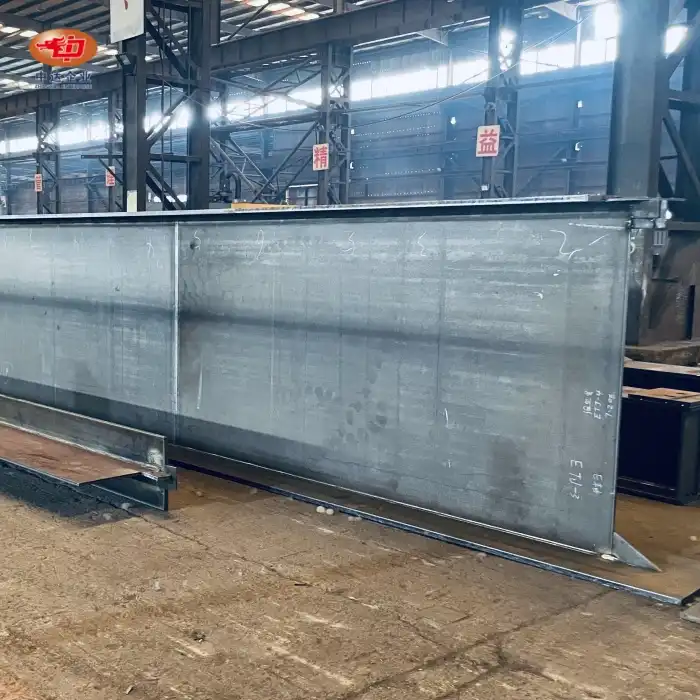
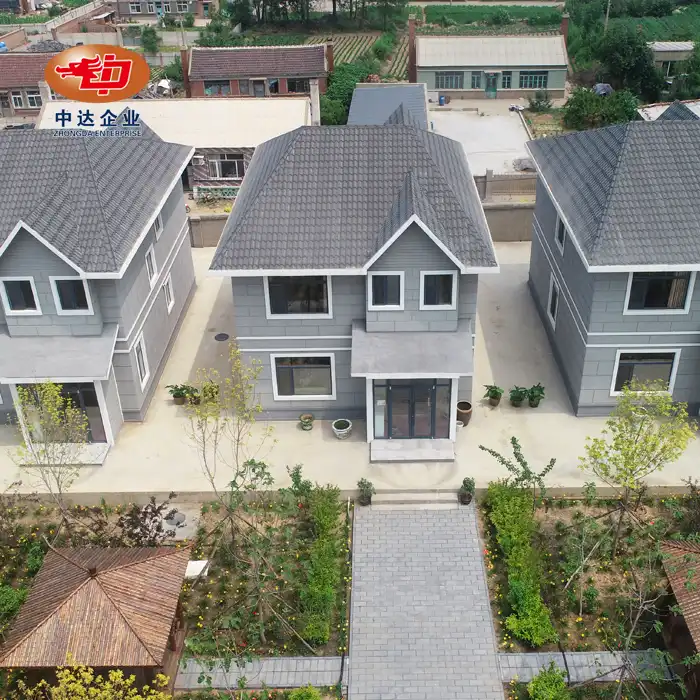
It is possible to get steel frames for buildings and facilities that are built to fit the needs of any project in the public, industry, or private sectors. Unlike regular building materials, these steel framework systems use high-quality materials like Q355B and Q235B grade H-beams that are carefully made to offer better load-bearing capacity, longer life, and great flexibility for a wide range of design needs. Cutting down on building times, the need for bases, and the number of clear-span choices that are needed for modern infrastructure growth are all big problems that the steel structure method answers.
Understanding Customized Steel Structures and Their Benefits
Tailored Design Philosophy for Specific Project Needs
Customized steel structures are different from other types of steel structures because they are carefully designed to meet the specific needs of each project. First, high-tech tools like PKPM and Tekla are used to do a full structure study. This is done to make sure that every part meets all the load requirements, weather conditions, and design limits. Because each job is different, the tailoring process picks the best steel types, beam forms, and ways to join them.
It's easy to see the technical advantage when you compare personalized solutions to ready-made choices. When standard steel parts are put together, they often need expensive changes. But custom structures are already made to your exact specifications. With this level of accuracy, there is no need to make changes to the field. This speeds up the installation process and lowers the risk of construction problems that could hurt the system's long-term performance.
Superior Material Properties and Performance Characteristics
Steel buildings are better than other types of buildings in some important ways because they are better engineered. A high yield strength of 235 to 460 MPa is typical for this material. It also has a modulus of elasticity of 206 GPa. For this reason, small pieces can hold a lot of weight and still be strong.
These success traits have real-world benefits in a number of different situations. It doesn't need as much dead load because it has a high strength-to-weight ratio. This means it can be used in tough dirt conditions where concrete supports would be too expensive. Iron is isotropically regular, which means that the structure is the same all the way through. This is different from concrete, which can become uneven as it hardens.


Fire Resistance and Environmental Adaptability
It is safer to build modern customized steel structure with safety coats and new materials that don't catch fire than the old ways of building. With hot-dip galvanization, steel doesn't rust for more than 50 years, and with weathering steel technologies, steel can work in difficult conditions, even when it's -60°C outside.
Being able to adapt to different surroundings also means being able to withstand shocks. Steel is better at dealing with these kinds of things because it can naturally bend and soak up energy. This quality is very helpful when building infrastructure in places that are prone to earthquakes, because structures that can bend can escape falling down in terrible ways.
Key Design Principles and Construction Practices for Customized Steel Structures
Structural Integrity and Load-Bearing Optimization
When designing a steel structure, it's important to think about how the loads are spread out, how the links are made, and what the materials are. This makes sure that the structure is stable. As part of the building process, wind forces, earthquakes, dead loads, and live loads are all looked at to find the best beam shapes and link needs. High-strength fixed links or exact welds are used by engineers to make sure that the load is spread out properly throughout the construction.
The optimization process looks at more than just the basic building needs. It also considers things like temperature growth, shaking control, and the maximum amount of bends that can be done over time. These things are even more important for large-span uses, since even small mistakes in the design can lead to problems with how it works or damage to the structure over time.
Modular Prefabrication and Quality Control
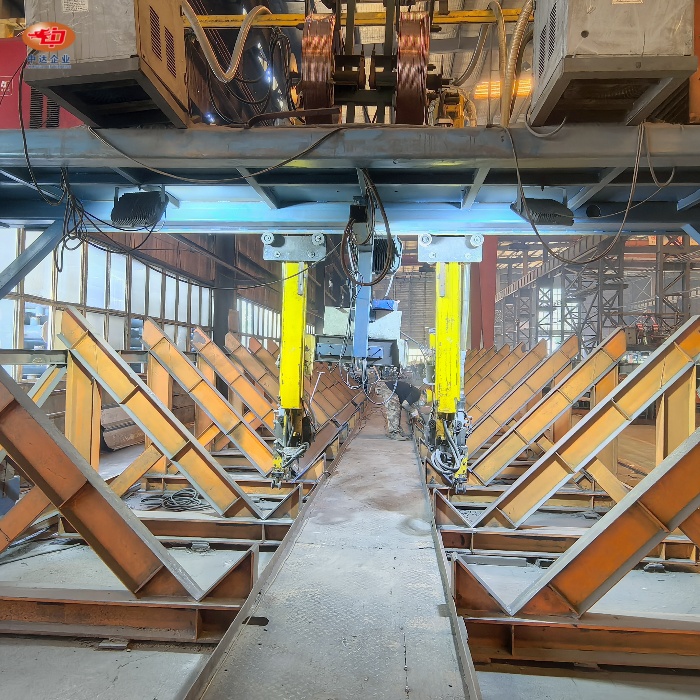
Off-site prefabrication is a big part of making special steel structures because it speeds up the process and keeps the standard good. With the prefabrication method, precise manufacturing can happen in controlled settings. This way, bad weather doesn't cause delays, and quality standards are always met. When the parts get to the construction site, they are already drilled and punched, and they are ready to be put together using only bolts.
Checking the sizes, trying the materials, and cleaning the surface are all quality control steps that are done during prefabrication. These steps are in line with strict industry standards for welding quality, such as AISC 360, Eurocode 3, and AWS D1.1. This all-around way cuts down on the need for extra work to be done in the field, speeds up plans for installation, and lowers the safety risks that come with doing manufacturing work on-site.
Insulation Integration and Energy Efficiency
When planning a building, using modern insulation methods for steel structure makes it more energy efficient and more comfortable for the people who live there. Single-skin steel sheets don't keep heat in as well as sandwich panels made of polyurethane and rockwool, but they can still be attached to the steel frame. Rockwool options offer extra fire safety and have Class A ratings for uses that need even more safety.
When putting in insulation, it's important to pay close attention to thermal bridging, vapor barriers, and air closing features to get the most energy savings. If you do these things correctly, they can greatly lower your running energy costs while keeping the conditions inside that are needed for business and industry uses.
Comparison and Decision-Making for Steel Structure Procurement
Cost-Benefit Analysis Across Material Options
There are many things to think about when choosing what to buy. These include the total cost, the costs that will come up over the structure's lifetime, and the performance advantages of steel buildings over other materials. It may be cheaper to start with concrete, but steel buildings are generally a better deal because they are easier to change or add on to in the future, take less time to build, and don't need as much of a base.
The economic study should include more than just the cost of the building itself. It should also look at how much maintenance is needed, how flexible the business is, and how much it might be worth when it comes time to sell. If you no longer need a steel building, you can recover it in its entirety. This is better for the environment and might lead to more material recycling value than options made of concrete.
Prefabricated Versus Traditional Construction Methods
When choosing between traditional building methods and pre-made ones, you need to think about the spot, the project timeline, and the quality standards. Prefabricated steel frames can cut building times by 30 to 50 percent compared to cast-in-place choices. For projects with tight deadlines or plans that rely on the weather, this is a big plus.
When it comes to very specific uses, traditional building methods might give you more design choices, but they also tend to take longer to build and have more quality control issues. For each job, the best way depends on things like how easy it is to get to the spot, how many cranes are available, and how skilled the local builders are.
Project-Specific Selection Criteria
When decision frames buy steel structures, they need to think about things like the clear-span needs of the application, the load needs, and the weather. Steel can be used to make large, smooth spaces, which is useful for workshops and stores. Building projects, on the other hand, may care more about how long something lasts and how maintenance is done.
When picking a source, you should think about their skills, their ability to make things, and how much they know about the project that is relevant to your needs. This test makes sure that the seller knows how to meet the needs of the project. This lowers the chances of bad performance or delivery delays.
Procurement and Partnering with Steel Structure Suppliers
Supplier Assessment and Qualification Criteria
You should carefully look at a steel structure provider's production skills, quality licenses, and project experience to find one you can trust. You need to be certified in ISO 9001 quality management, EN 1090 structural steel manufacturing, and have worked on projects of a similar size and level of difficulty before.
The place should be viewed as part of the review process to see how much can be made, how quality is controlled, and what kind of equipment is used. It's clear that a supplier knows how to do tough jobs if they have up-to-date manufacturing facilities, cutting tools that can hold limits of ±0.2mm, and full testing facilities.
Comprehensive Service Expectations
Professionals who build steel structures should give full deals that include planning help, building, delivery, and fitting. With this all-encompassing method, planning is kept smooth throughout the whole project lifecycle, and the results of the project are the sole responsibility of one person.
Customers should be able to expect BIM-driven design tools, clear communication about the project, and full help after the sale, such as tips on maintenance and warranty coverage. When a supplier offers all of these services, the job usually turns out better and the relationship lasts longer.
Communication and Project Management
During the buying, making, and installing stages for steel structure, it's important to be able to talk to each other freely. Today, good providers keep you up to date on the state of the project, watch out for problems before they happen, and help you fix them when they do.
There should be clear goals for the communication system, regular updates on progress, and easy access to expert help for the whole project. This planned method makes it easier to finish a job, cuts down on misunderstanding, and makes sure that due dates are met.
Future Trends and Performance Optimization in Customized Steel Structures
Material Innovation and Sustainability Advances
The steel structure business keeps going forward with the help of new high-performance materials, better methods to stop rust, and better link technologies. These new ideas are meant to make buildings last longer, need less maintenance, and be better for the earth over their whole life.
Sustainability programs push for the use of recycled steel, less energy-intensive ways to make things, and design methods that use the least amount of material possible while still meeting performance standards. Environmental rules are getting tighter, and businesses in the biggest building markets want to be more environmentally friendly. These changes will help them do that.
Smart Technology Integration
Smart building technologies like systems that track the health of structures, systems that schedule repairs automatically, and analytics that can predict how well a building will perform are being used in more and more modern steel structures. By using these technologies, buildings can be maintained in a way that extends their life and cuts down on the number of times they need to be shut down for repairs.
When Internet of Things (IoT) monitors and data processing tools work together, they show what buildings are doing, what the weather is like, and what fixes need to be done right now. This function is very helpful for apps that use important systems and where short-term outages can have a big impact on the economy.
Conclusion
Customized steel structures are the best choice for building and infrastructure projects that need to work better, do so faster, and hold their value over time. The public, industry, and business building sectors all have big problems that need to be solved. New materials, accurate manufacturing, and full engineering support help. Suppliers need to be carefully picked, communication needs to be clear, and the skills of the seller need to fit the needs of the project. Steel structure will always be the best option for projects that need to be stable, efficient, and work well over time, even as the industry changes with new materials and the merging of smart technology.
FAQ
How long do you think customized steel buildings will last?
Once they are built and maintained correctly, steel buildings that have been protected by hot-dip galvanization can last for more than 50 years. How long it actually lasts depends on where it is, how well it is taken care of, and the original build specs. To last as long as possible, structures that are in rough places might need extra safety measures.
What happens to steel buildings when the weather is very bad?
Steel buildings do very well in bad weather if they are built and made of the right materials. Steel can be used in temperatures as low as -60°C thanks to new ways of treating it. Wind and earthquake safety can be made to fit the needs of each place with the help of special planning tools and research methods.
What do steel buildings need in terms of foundations?
The supports for steel buildings need to be lighter than those for concrete buildings because steel buildings are stronger for their weight. For foundation systems, cast-in-place concrete is used. Anchor nuts, which can be any size from M24 to M72, are inserted and, based on the load, provide a hard link between the steel supports and the ground.
Can steel buildings have long clear spans without having beams inside?
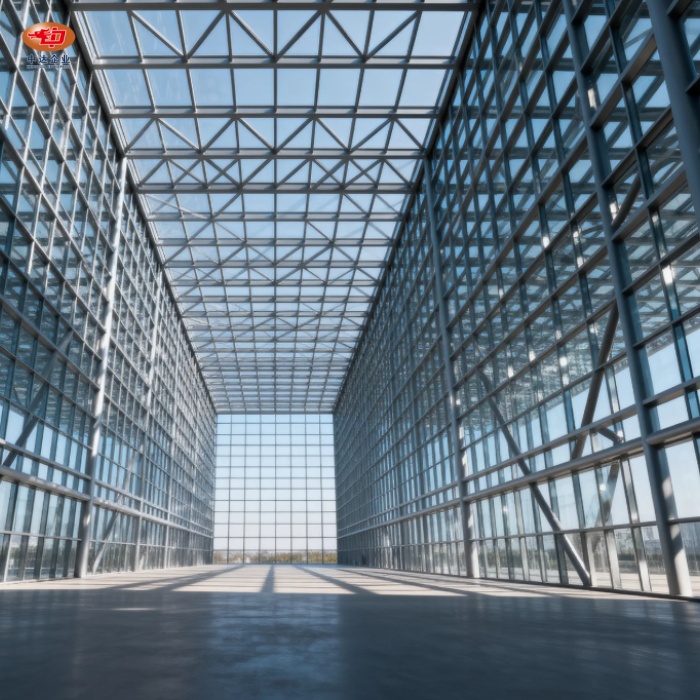
Steel buildings can often span more than 30 meters without the need for inner beams, which makes them great for making large open spaces. This feature is very useful for factories, stores, and other places in the business world that need clear spaces inside to set up equipment and change how things work.
What quality standards guide the building and fitting of steel structures?
For steel building jobs, you have to follow strict rules. There are different foreign rules for each project, such as AISC 360 for structural design, EN 1090 for quality of manufacturing, AWS D1.1 for welding methods, and so on. These rules make sure that the quality and safety of every part of a project are the same.
Partner with Zhongda for Your Steel Structure Manufacturing Needs
Because Zhongda Steel has been making high-quality steel structures for 20 years and has worked on projects all over the world, they can offer well-thought-out steel structure choices. Our building is ISO 9001/14001/OHSAS 45001 approved and has state-of-the-art BIM-driven design tools. It also has our own weathering steel technologies that have been tried in difficult places like industrial mines and Arctic bridges. Contact us at Ava@zd-steels.com to talk about your unique steel structure needs and see for yourself why clients from all over the world, such as China Railway, CSCEC, and BMW, trust us with their safety.
References
American Institute of Steel Construction. "Specification for Structural Steel Buildings (AISC 360-22)." AISC Standards Committee, 2022.
European Committee for Standardization. "Eurocode 3: Design of Steel Structures - Part 1-1: General Rules and Rules for Buildings." CEN Publication, 2023.
Chen, Wai-Fah and Eric M. Lui. "Principles of Structural Design." CRC Press Engineering Handbook Series, 2021.
Building Research Establishment. "Steel Construction Sustainability Report: Lifecycle Assessment and Environmental Performance." BRE Trust Publications, 2023.
International Association of Bridge and Structural Engineering. "Guidelines for Performance-Based Seismic Design of Steel Structures." IABSE Technical Report, 2022.
American Society of Civil Engineers. "Minimum Design Loads and Associated Criteria for Buildings and Other Structures (ASCE 7-22)." ASCE Standards Committee, 2022.
YOU MAY LIKE
_副本_1755241212578.png "prefab steel warehouse")
_副本_1757053936097.jpg "building structure")
_副本_1754115287719.jpg "Galvanized Steel Column")