Steel Structure Solutions for Complex Engineering Projects
2026-03-11 16:37:07






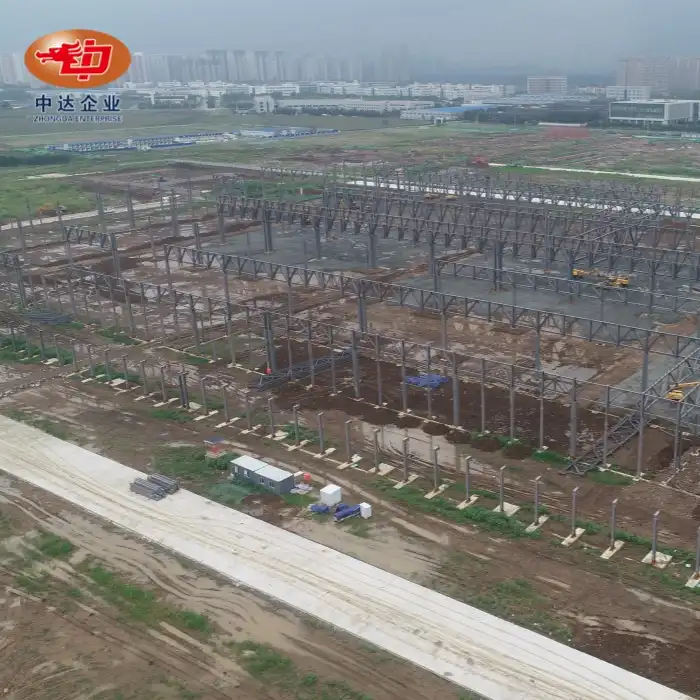
Modern industrial building is based on steel structure solutions for complicated engineering projects. These solutions are very flexible and work well in many different areas. High-quality steel parts like H-beams, columns, and trusses are used in these engineered frames to build strong buildings that can handle heavy loads and harsh weather. Steel structures are used to build everything from tall business buildings to huge factories. They are reliable and flexible, making them perfect for big engineering projects all over the world.
Understanding Steel Structures and Their Benefits
Steel structures are engineered frames made mostly of manufactured steel parts, which are chosen for their high strength-to-weight ratio and flexibility. The main load-bearing parts of these systems are usually made of Q355B or Q235B grade steel, which makes them effective for a wide range of engineering uses.
Types of Steel Framework Systems
There are three main types of structural steel used in modern building projects. Each is made to meet specific engineering needs. Using thick-section H-beams and strong connection systems, heavy steel frames can hold the most weight for large-scale industry uses. Using cold-formed pieces and good material distribution, light steel frames are a cost-effective way to build medium-span buildings. Rapid deployment is possible with modular steel kits because they come with pre-fabricated parts that make assembly on-site easier.
These versions on the framework work for projects of different sizes and levels of complexity. They let engineers get the most out of the materials they use while still meeting performance standards. The modular approach is especially helpful for projects with tight plans because it cuts the amount of work that needs to be done on-site by up to 50% compared to traditional concrete building methods.


Superior Performance Characteristics
There are many more benefits to structural steel than just its power. When properly treated, steel frames can keep their structural stability for over 50 years, which is longer than either concrete or wood. Because the material is naturally flexible, it offers important safety gaps during earthquakes by allowing controlled deformation instead of catastrophic failure.
Steel's prefabrication skills for steel structure save a lot of time on construction schedules by allowing controlled manufacturing to happen off-site while site planning goes on at the same time. Compared to standard building methods, this computer processing method cuts the total time needed for the project by 30 to 50 percent. Lifecycle cost benefits come from not needing as much foundation, having easier repair processes, and eventually being able to recycle steel parts.
Steel Structure Construction Process and Maintenance
Building steel structures follows a set of steps that make the process as efficient as possible while still making sure quality control at all times. The first step in this process is a thorough engineering study and design approval. Modern software programs like PKPM and Tekla Structures are used for accurate load estimates and component optimization.
Fabrication and Assembly Procedures
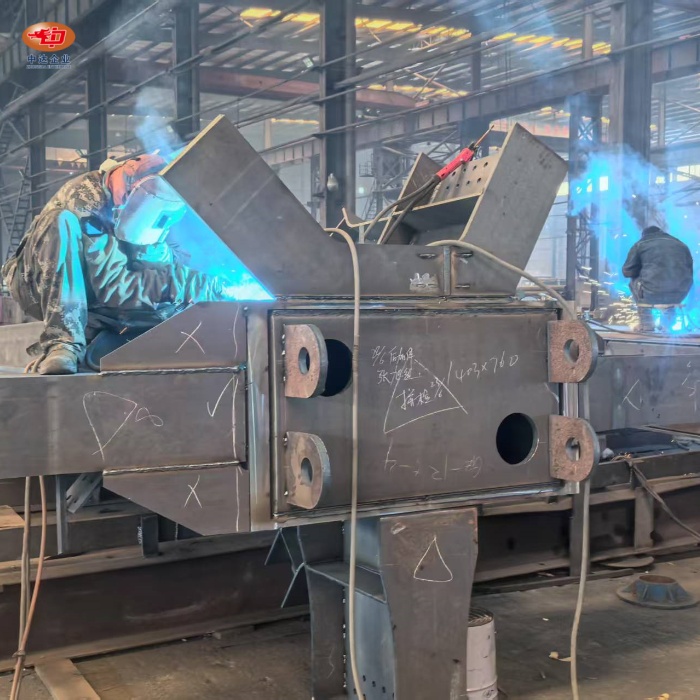
Most of the time, manufacturing happens in controlled prefabrication settings where parts are carefully cut, welded, and finished. Modern factories use CNC machines to cut with very tight tolerances of ±0.2mm, which makes sure that everything fits perfectly when it's time to put it together. Hot-dip galvanization is the best way to protect against corrosion, which is especially important for buildings that are subject to harsh weather.
On-site assembly uses high-strength bolting systems and connection points that have already been made, so most jobs don't need to be welded in the field. This method cuts down on safety risks and speeds up work times. When cranes are used to help with setup, large structural elements can be quickly placed, and skilled teams can install large frames in very little time.
Maintenance and Longevity Strategies
Maintenance programs that work well keep things running at their best and keep surprising problems from happening. Routine inspection routines look at the state of the coating, the integrity of the connections, and areas where stress might be concentrating. Preventative steps like cleaning on a regular basis, renewing protection coatings, and checking fastener torque greatly increase service life.
When B2B clients work with manufacturers who offer full maintenance instructions and ongoing expert help for steel structure, they gain. This way of working together makes sure that assets last as long as possible while also saving money on running costs by planning out when repair will happen. Specialized weathering steel formulas and other advanced anti-corrosion technologies make things last longer in harsh environments.
Comparative Analysis: Steel Structures Versus Other Building Materials
When looking at different building materials for difficult engineering projects, steel stands out as being better in many ways. Compared to reinforced concrete and brick systems, steel has a higher load-bearing capacity and a much lower structural weight. This means that it can be used to build on difficult land while reducing the need for foundations.
Performance Against Traditional Materials
Tensile strength of steel is much higher than that of concrete. This is especially important for buildings that are subject to dynamic stress or earthquakes. The material's consistent properties make sure that the whole building will work the same way. This is different from concrete, whose properties can change depending on how it is mixed and cured. When properly built and coated with the right materials, fire resistance can meet or exceed building code standards while keeping the structure's integrity.
Compared to options like wood and metal, steel is the most durable and stable in terms of size. Wooden buildings can be damaged by water, bugs, and fire, and aluminum systems don't always have the strength-to-weight ratios needed for big industrial uses. Steel can be recycled at the end of its useful life, which is good for the environment and in line with the more and more sustainable building methods that are being asked for in modern engineering projects.
Light Versus Heavy Steel Structure Considerations
There are important trade-offs in cost, transportation, and engineering performance that can be seen between light and heavy structure steel systems. Light steel structures make the best use of materials for projects that need to carry modest loads. They also offer lower shipping costs and easier installation. big steel systems offer the highest level of structural strength for tough industrial tasks like supporting big machines and dealing with harsh weather conditions.
When procurement teams understand these similarities for steel structure, they can choose materials that perfectly meet project goals, sustainability goals, and price limits. Standardized concrete or wood systems don't give you as many ways to improve performance as the ability to change steel specs to fit unique needs.
How to Select the Right Steel Structure Solution for Your Project?
When buying structural steel, it's important to look at the skills of the seller, the needs of the project, and the expected long-term performance. To make a good choice, you should first check the credibility of the maker by looking at their project portfolio, quality system paperwork (for example, ISO 9001, ISO 14001, and welding certifications like AWS D1.1), and certifications like ISO 14001 and 9001.
Supplier Evaluation Criteria
Geographic spread and the ability to make things directly affect how feasible a project is and how much it will cost. For more complicated engineering projects, it's better to work with suppliers who have established construction facilities, enough production capacity, and reliable shipping networks. Custom-engineered or standard prefabricated options should be chosen based on the needs of the job and the time frame that is available.
Advanced planning tools, such as the ability to integrate BIM, make it easier to coordinate projects and lower the risk of disagreements during the building phase. Suppliers who offer full design support, such as structure analysis and link details, add value by lowering the need for engineers to work together. During the planning and construction phases, everyone can work together easily thanks to clear communication protocols and project management tools.
Technical Specification Matching
To match the right structural steel specs to the right size and complexity of project, you need to know about the loads that need to be carried, the surroundings, and the expected performance. Heavy-section steel with better corrosion protection is often needed in industrial settings. On the other hand, smaller frame systems with normal protective coatings may be more cost-effective for business projects.
B2B buyers can make better choices and avoid unexpected costs during project completion when prices are clear and costs are broken down in detail for steel structure. It's easier to make accurate budget plans and compare vendors when suppliers give full quotes that include manufacturing, finishing, and shipping.
Case Studies and Industry Applications
By looking at successful complex engineering projects, we can learn how to solve problems in new ways and make the best use of buying methods. Real-life examples show how versatile steel structures are in many fields, such as industry, infrastructure, energy, and logistics centers.
Manufacturing and Industrial Success Stories
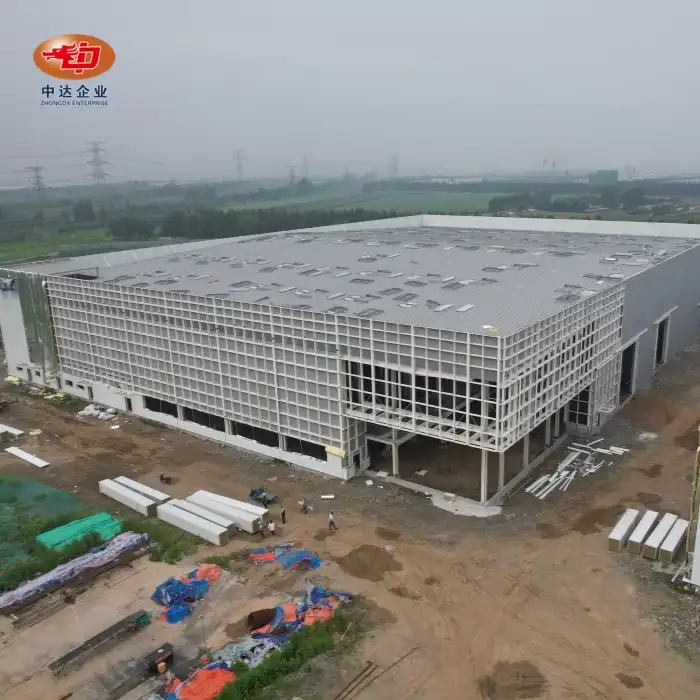
More and more, modern factories depend on steel framework systems to support big machines, long clear spans, and a variety of plan options. A new car factory in Vietnam used pre-engineered steel building systems to make 40-meter clear spans without internal beams. This made the production line more efficient and cut construction costs by 25% compared to concrete options.
Cold storage and distribution centers use steel's strong structure to support automatic systems for moving goods and keeping the temperature and humidity just right. When you put together insulated panel systems with steel frames, you get energy-efficient shelters that can keep temperatures as low as -25°C and support heavy loads of equipment on the roof.
Infrastructure and Energy Sector Applications
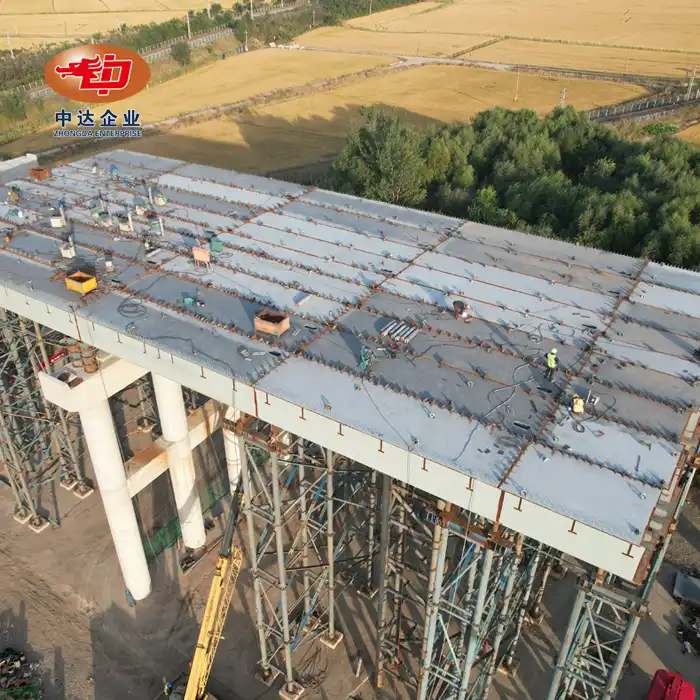
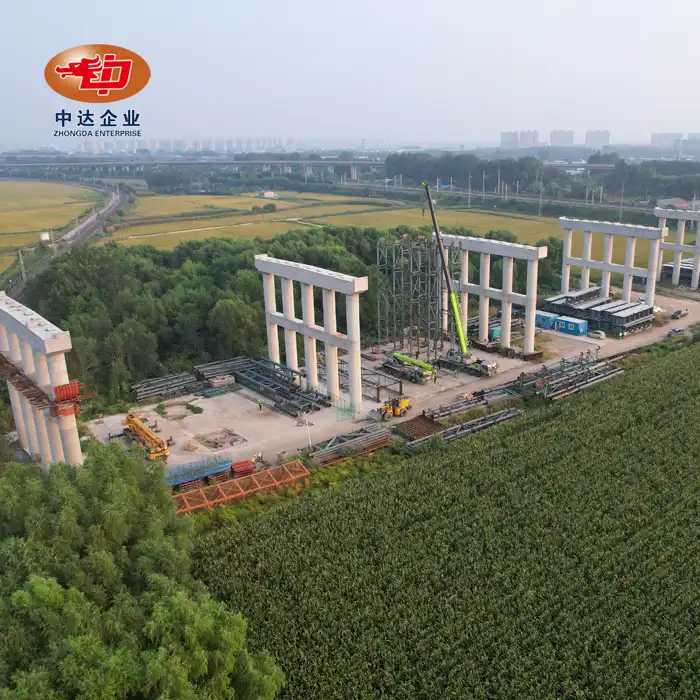
Steel has a high strength-to-weight ratio, which makes it possible to build bridges with larger lengths and fewer piers. Recent highway bridge projects have shown that off-site fabrication and quick assembly methods can cut building times by 40%. The material is flexible, which makes it more resistant to earthquakes. This is especially important for infrastructure in areas that are prone to earthquakes.
Steel's ability to handle changing loads and harsh weather is used in many energy-related uses, such as solar panel mounting systems and wind machine foundations. Specialized weathering steel formulations keep structures from rusting in coastal areas and keep working well for the 25 years that most green energy installations are used.
These real-life examples show measurable benefits like better structure performance, lower costs, and shorter lead times. Return on investment analysis always shows how choosing steel solutions will pay off in the long run and points out ways to work together with skilled suppliers and manufacturers.
Conclusion
When it comes to complicated engineering projects, steel structure solutions offer unique performance benefits that directly lead to project success across a wide range of industries. Superior strength-to-weight ratios, the ability to be built quickly, and long-term durability make structural steel the best choice for demanding uses in everything from manufacturing facilities to important building projects. Modern manufacturing techniques and improved protection coats make sure that things work reliably even in harsh environments. Also, prefabrication can cut down on construction times by up to 50% compared to traditional methods. The material is naturally recyclable and long-lasting, which is in line with modern environmental concerns and creates value that lasts far beyond the building phase.
FAQ
What factors influence steel structure fabrication costs?
Choosing the right material type has a big effect on the total cost of the project. For example, higher-strength steels cost more but often require less material overall. Labor prices and production schedules are affected by how complicated the fabrication is, which includes information about connections and finishing requirements. Geographical factors, such as the lengths needed for transportation and the wages of workers in the area, also affect end pricing systems.
How do steel structures compare to concrete in terms of sustainability?
Steel buildings are more environmentally friendly because they can be recycled completely at the end of their useful life, they produce less waste during construction, and they leave smaller carbon footprints when they are made. With proper upkeep, the material's durability means that it can be used for more than 50 years, while concrete buildings usually need more repairs and eventually need to be torn down and the debris thrown away.
What maintenance practices extend steel structure lifespan?
Small problems can be stopped before they get worse by using regular checking procedures that focus on the state of the coating, the strength of the connections, and the drainage systems. Corrosion resistance is kept up by renewing the protective coating every 15 to 20 years, and good air keeps moisture from building up in tight areas. Professional care plans can make structures last up to 75 years or more.
Can steel structures accommodate future expansion needs?
Due to its flexible nature, steel makes it easy to add on to and change structures over their entire useful life. Standard connection details and material specs make it easy to add new parts to frameworks that are already in place. Compared to concrete buildings that don't easily change, this ability to adjust has a lot of long-term value.
Partner with Zhongda for Your Next Steel Structure Project
Zhongda Steel provides state-of-the-art steel structure solutions designed to handle difficult projects in the mining, construction, infrastructure, energy, manufacturing, and transportation industries. Our ISO 9001/14001/OHSAS 45001-certified factory makes 60,000 tons of steel every year using advanced BIM-driven prefabrication and our own -60°C weathered steel technology. With the ability to cut with the utmost accuracy and a full range of quality control systems, we are the reliable steel structure provider for tough jobs all over the world. Get in touch with Ava@zd-steels.com to talk about your project needs and find out how our proven engineering skills can help you succeed faster.
References
American Institute of Steel Construction. "Specification for Structural Steel Buildings (AISC 360-22)." Chicago: AISC, 2022.
European Committee for Standardization. "Eurocode 3: Design of Steel Structures - Part 1-1: General Rules and Rules for Buildings." Brussels: CEN, 2021.
China Academy of Building Research. "Standard for Design of Steel Structures (GB 50017-2017)." Beijing: China Architecture & Building Press, 2018.
Salmon, Charles G., and John E. Johnson. "Steel Structures: Design and Behavior - Emphasizing Load and Resistance Factor Design, 5th Edition." Upper Saddle River: Pearson Education, 2019.
International Association for Bridge and Structural Engineering. "Structural Steel - Economic and Sustainable Solution for Building Construction." Zurich: IABSE, 2023.
World Steel Association. "Sustainable Steel Policy and Indicators 2023: Global Steel Industry Performance Metrics." Brussels: WorldSteel, 2023.
YOU MAY LIKE
_1754027396028.png "Steel Stair Treads")
_副本_1754289134653.jpg "Prefabricated Steel Structure Exhibition Hall")