Exhibition Center Steel Structure Factory: Design, Fabrication & Installation
2026-03-11 16:37:05






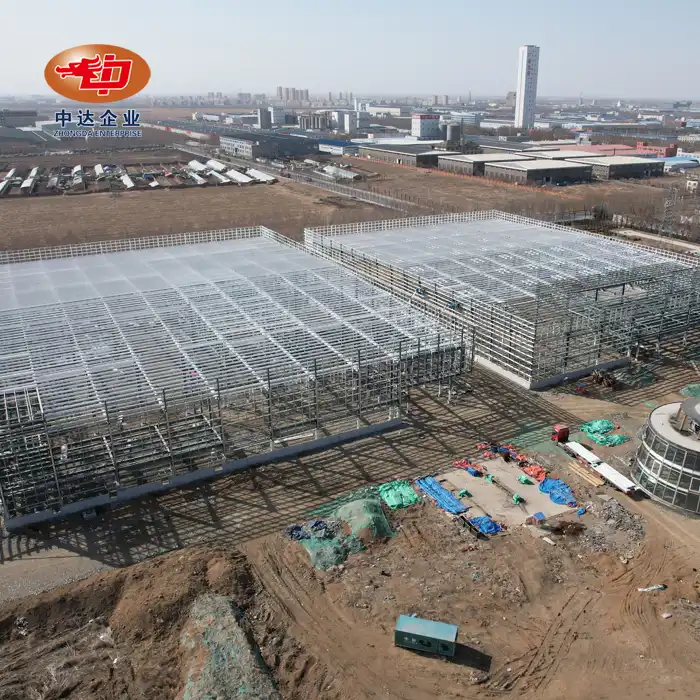
Exhibition center steel structure factories are the pinnacle of modern building engineering. They combine cutting-edge production with precise design and smooth installation services. These specialized factories make the high-performance steel frames that hold up huge show halls around the world. As the need for exhibition spaces that are flexible, long-lasting, and affordable grows, steel structure solutions have become the first choice for developers, contractors, and government agencies looking for dependable building partners who can finish complicated projects on time and on budget.
Comprehensive Guide to Exhibition Center Steel Structure Design
Designing an exhibition center requires a deep knowledge of both the basic rules of structure engineering and the specific needs of big public places. The first step in the planning process is a full load analysis that looks at both the fixed loads on the structure and the moving forces caused by things like big exhibition equipment, lighting systems that hang from the ceiling, and large HVAC systems. Modern show centers must be able to hold spans longer than 100 meters without using intermediate poles. This makes clear areas that are great for renting out and being flexible with operations.
Load-Bearing Capacity and Spatial Requirements
The construction of show centers needs to be able to hold a lot of weight, like from heavy machinery displays, booth structures with multiple levels, and overhead rigging systems. Engineers use advanced finite element analysis software to find the best ways to set up beams and columns so that the building can safely support loads between 5 and 15 kN/m², based on its purpose. Using pre-engineered steel parts lets the architects keep the open, column-free areas they wanted while distributing the weight precisely.


Sustainability and Green Design Integration
These days, show center projects put more and more emphasis on being environmentally friendly by using sustainable building methods. Steel structures naturally support green building efforts because they can be recycled and produce less waste during development. Steel-framed display centers are appealing to eco-friendly developers and city governments because they can include energy-efficient insulation systems, natural lighting optimization through smart glazing placement, and the ability to integrate renewable energy.
Modular Systems and Technological Advances
Modern design trends for exhibition center steel structure prefer modular building methods that allow for quick setup and the ability to grow in the future. Standardized links and parts are possible with pre-engineered building systems, but the design can still be changed as needed. Advanced Building Information Modeling (BIM) technology speeds up the planning process and lets architects, engineers, and fabricators work together in real time to improve the performance of structures and the economy of building.
Fabrication Process in Steel Structure Exhibition Center Factories
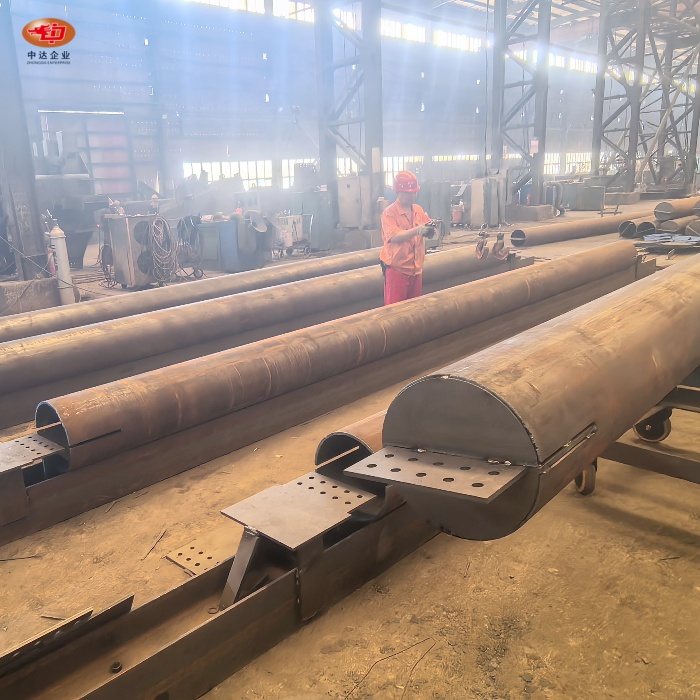
The production phase is the most important step in turning engineering ideas into real things. It needs precise manufacturing skills and strict quality control rules. Modern steel structure companies use computer-controlled cutting tools, automatic welding systems, and complex assembly methods to make sure the structures are the right size and are strong. This controlled production setting gets rid of many of the variables that come with building on-site, which leads to better results and shorter project timelines.
Material Selection and Quality Standards
Choosing high-grade structural steel is the first step in building a reliable show center. Most of the time, fabricators use steel grades that meet ASTM A572 or similar foreign standards. These grades have yield strengths of 345 to 450 MPa and are easy to weld. Material traceability systems make sure that every steel part has the right chemical and mechanical traits. Mill test papers are proof of this for quality control and legal reasons.
Precision Manufacturing and Assembly Procedures
Modern manufacturing plants use CNC cutting technology, robotic welding systems, and automatic material handling tools to get levels of accuracy that have never been seen before. Tolerances kept within ±2mm make sure that the parts fit perfectly in the field, which cuts down on expensive delays and changes in the field. The steps in the assembly process are planned to be as efficient as possible in both production and shipping. The flexible parts are made to be easily shipped and quickly put together on-site.
Corrosion Protection and Durability Enhancement
Protective coating systems are put on during the production phase to make sure that the structure will last in the harsh conditions of a show center. Multi-layer painting systems usually have bases that are high in zinc, middle coats, and topcoats that are very strong and can last for 25 years or more. Specifically designed finishes for high-humidity or coastal areas offer better defense against acidic atmospheres while still looking good.
Installation Services for Steel Structure Exhibition Centers
Professional installation services for exhibition center steel structure organize the work of many different fields to finish the project successfully in the short amount of time that is usually available for building a show center. To keep safety standards high and building dates on track, the installation phase needs to carefully plan the order of structure erection, envelope installation, and systems integration. Expert assembly teams use specialized tools and tried-and-true methods to cause as little damage as possible to nearby buildings and follow all local building codes.
Project Planning and Coordination Strategies
A good installation starts with careful project planning that includes plans for the spot, the tools that will be needed, and how to coordinate the workers. Critical path scheduling finds possible bottlenecks and makes plans for what to do if bad weather or unplanned site conditions happen. When makers, general builders, and specialty trades work together, structural, mechanical, and electrical systems are all seamlessly integrated throughout the building process.
Safety Protocols and Regulatory Compliance
Due to the size and complexity of steel assembly operations, building an exhibition center requires strict safety management. Safe building practices are based on things like OSHA-compliant fall protection systems, safe ways to operate cranes, and wearing the right safety gear. Regular safety checks and training programs make sure that everyone on the job knows about the risks that are special to the site and what to do in an emergency. This keeps the workplace safe during the whole installation process.
Quality Assurance and Post-Installation Support
Comprehensive quality assurance programs use written inspection methods and testing processes to keep an eye on the progress of installations. Inspection of coatings, dimensional verification scans, and non-destructive testing of important links make sure that finished structures meet design requirements and performance standards. After the installation, there is support that includes insurance coverage, maintenance advice, and technical help to make sure that the structure works well and operations run smoothly for a long time.
Procurement and Supplier Selection for Exhibition Center Steel Structures
Procurement strategies that work well combine cost with quality standards, delivery times, and the chance of forming a long-term relationship. The evaluation method looks at more than just the original price. It also looks at the supplier's skills, financial stability, and history of completing projects successfully. When looking at global procurement, it's important to keep quality standards the same across all foreign markets while taking into account things like regional manufacturing skills, shipping logistics, and local content needs.
Supplier Evaluation and Certification Requirements
A full supplier review for exhibition center steel structure looks at the supplier's ability to make things, their quality control systems, and their technical knowledge that is important to building an exhibition center. For difficult tasks, you need to have ISO 9001 certification, knowledge of how to weld, and the ability to help with structure engineering. In addition to written certificates, site visits and capability checks give you more information about how things are actually made and how quality control is done.
Contract Terms and Risk Management
When buying things for an exhibition center, contracts have to deal with special issues like complicated designs, tight deadlines, and performance requirements. Strategies for allocating risk take into account things like delays in manufacturing, changes in the prices of materials, and problems during installation. They also set clear performance standards and steps for fixing problems. When working on international projects, you need to think about things like currency exchange, sale rules, and the needs of local partners.
Partnership with Zhongda Steel Solutions
If you choose Zhongda as your exhibition center steel structure partner, you'll get access to their 20 years of specialized knowledge and track record of completing projects on time. Our advanced BIM-driven fabrication processes, global transportation network, and 60,000-ton yearly production capacity make sure that all of our projects are completed successfully, no matter where they are or how complicated they are. Zhongda is the best company for difficult show center projects around the world because it combines weathering steel technology with precise production skills.
Cost and Environmental Considerations in Steel Structure Exhibition Centers
For accurate project financial modeling, a full cost analysis takes into account everything from the original costs of building to the ongoing costs of operations and maintenance. Steel building options often offer better long-term value because they require less upkeep, can be easily changed, and can recover materials at the end of their useful life. As owners try to reduce their carbon footprints and get green building standards, environmental concerns are becoming more and more important in their buying choices.
Economic Benefits and Lifecycle Cost Analysis
Steel structure exhibition halls usually have better lifecycle economics than other types of buildings because they don't need as many foundations, can be built faster, and don't need as much upkeep. Because steel structures can be changed or expanded, they can adapt to changing operating needs without requiring major rebuilding projects. This protects capital investments over longer facility lifespans. Integration of an energy-efficient building shell further lowers running costs by lowering the cost of heating and cooling.
Environmental Impact and Sustainability Metrics
Steel construction helps the environment by making it easier to recycle materials, cutting down on construction trash, and making buildings use less energy. As technology improves and more green energy is used in production, the carbon footprint of steel fabrication keeps going down. Green building approval programs are becoming more aware of the benefits of steel construction. For example, exhibition centers have achieved LEED Gold and Platinum scores by using sustainable building practices and better design strategies.
Conclusion
Exhibition center steel structure buildings are the best way to build big venues today because they combine excellent engineering with cost-effectiveness and care for the environment. Advanced design methods, precise manufacturing methods, and skilled installation services work together to make sure that even the most difficult projects are completed successfully. As the building industry moves toward more environmentally friendly methods and faster project plans, steel structure solutions offer the adaptability and performance needed to stay successful in the tough exhibition center market over the long term.
FAQ
What are the typical lead times for exhibition center steel structures?
Designing and building a standard show center takes 12 to 16 weeks, and installing it can take another 8 to 12 weeks, based on how complicated the project is and how the site is set up. Through better planning and resource distribution, expedited schedules can cut these times by 20 to 30 percent.
How do steel structures handle seismic requirements in exhibition centers?
Steel buildings are very good at withstanding earthquakes because they are naturally flexible and can absorb a lot of energy. To meet strict building codes for seismic areas, special moment-resistant frame designs and base separation systems can be used. This lets architects be flexible with their designs while still meeting the codes.
What maintenance is required for steel exhibition center structures?
Annual structure reviews, evaluations of coating state, and connection checks are all part of routine upkeep. If you plan and build a steel structure correctly, it shouldn't need much maintenance beyond what's required by standard building systems. Every 15 to 20 years, you should do big structural maintenance.
Can exhibition center steel structures accommodate future expansions?
Standardized connection details and designed growth zones in modular steel construction make it possible for buildings to grow in the future. The base of the structure can be made to fit more weight and attachment places so that the building can grow without any problems.
Partner with Zhongda Steel for Your Exhibition Center Project
With 20 years of experience making high-quality products, cutting-edge fabrication technology, and the ability to perform projects all over the world, Zhongda Steel offers complete exhibition center steel structure options. Our ISO-certified factory makes high-performance steel buildings using cutting-edge weathering steel technology and precise production methods that guarantee the highest quality and longest durability. We offer full design-to-installation services for exhibition center steel structures and have a lot of experience with foreign projects that have been done in a wide range of temperatures and regulatory settings. Get in touch with Ava@zd-steels.com to talk about your unique exhibition center needs and find out how our proven knowledge can speed up your project timeline while still delivering high-quality results.
References
American Institute of Steel Construction. "Design Guide for Large-Span Steel Structures in Public Buildings." AISC Publications, 2023.
International Association of Exhibition and Events. "Global Exhibition Construction Standards and Best Practices." IAEE Technical Manual, 2022.
Structural Engineering Institute. "Pre-engineered Steel Building Systems for Commercial Applications." SEI Technical Report, 2023.
Green Building Council. "Sustainable Steel Construction in Public Venues: Environmental Impact Assessment." USGBC Research Publications, 2022.
Building Officials and Code Administrators International. "Modern Steel Construction Practices for Large Assembly Buildings." BOCA Engineering Guidelines, 2023.
World Steel Association. "Lifecycle Assessment of Steel Structures in Commercial Construction Applications." WSA Environmental Studies, 2022.
YOU MAY LIKE
_副本_1753431734739.webp "Steel Structure Exhibition Building")