Advantages of I-Shaped Girders in Modern Steel Bridge Design
2026-03-11 16:37:03






Because of their unique cross-sectional profile, I-shaped girders are the foundation of modern bridge building and provide unmatched structural economy. These steel parts are essential for modern building projects because they are very strong and make the best use of the materials they are made of. The choice of an I-shaped girder strategically has a big effect on the results of a project, changing everything from how well the structure works to how much it costs to maintain it over time. When buying workers and engineers know what their benefits are, they can make decisions that will help the project succeed while staying on budget and on schedule.
Understanding I-Shaped Girders in Bridge Engineering
I-shaped girders, which have a unique cross-sectional form that looks like the letter "I," are typically made from high-tech steel grades or composite materials that are designed for strength and longevity. Their design requirements include exact size guidelines and load-bearing abilities that are in line with international building rules. This makes sure that they can be used in a wide range of global markets.
Design Fundamentals and Material Specifications
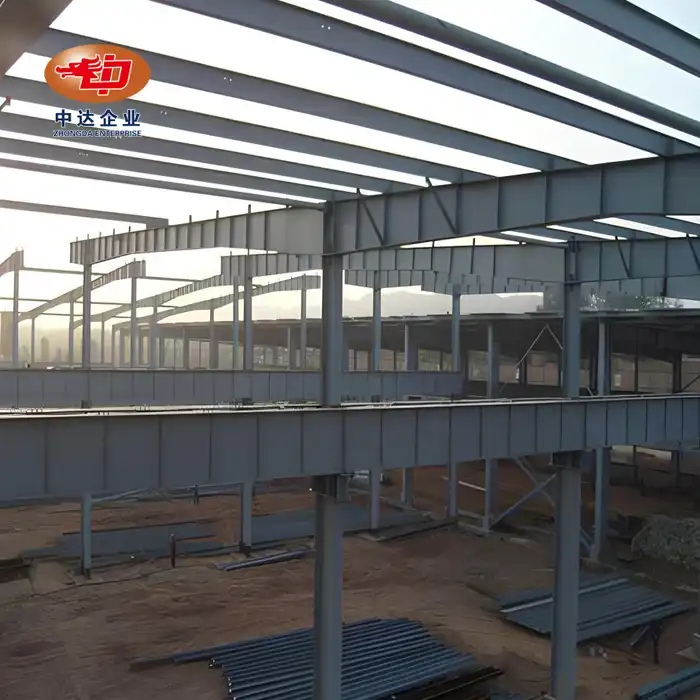
I-shaped beams are great for engineering because their geometry is intended to increase moment of inertia while using as little material as possible. Modern methods of manufacturing use different types of high-strength steel, from ASTM A572 Grade 50 to weathering steel, based on the needs of the climate. The flanges do a good job of distributing compression and tension forces, and the web avoids shear loads. This makes for a well-balanced structure that works great under a range of loading conditions.
It is important for engineers to know how to figure out the strength and load capacity of these girders, which are used in different types of bridges. Comparative views show why these structural elements work better than other designs in certain situations, which supports their broad use in modern building projects.
Applications Across Bridge Types
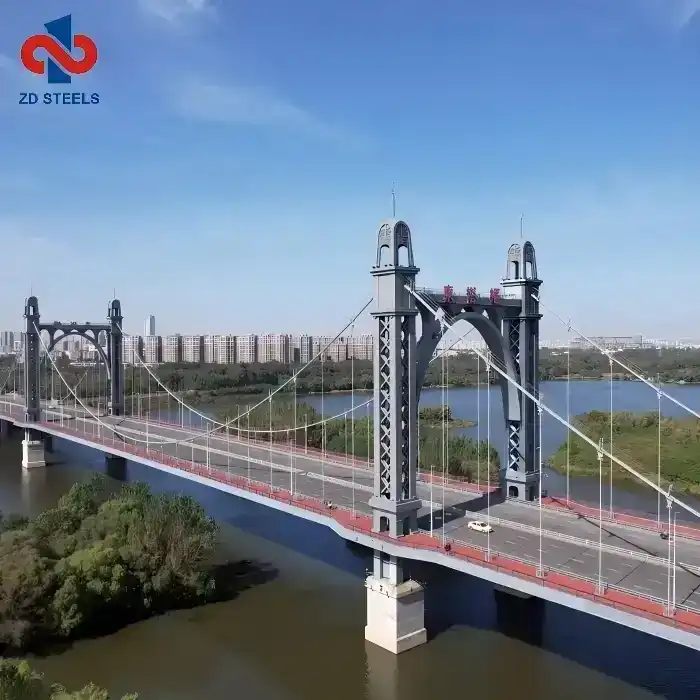
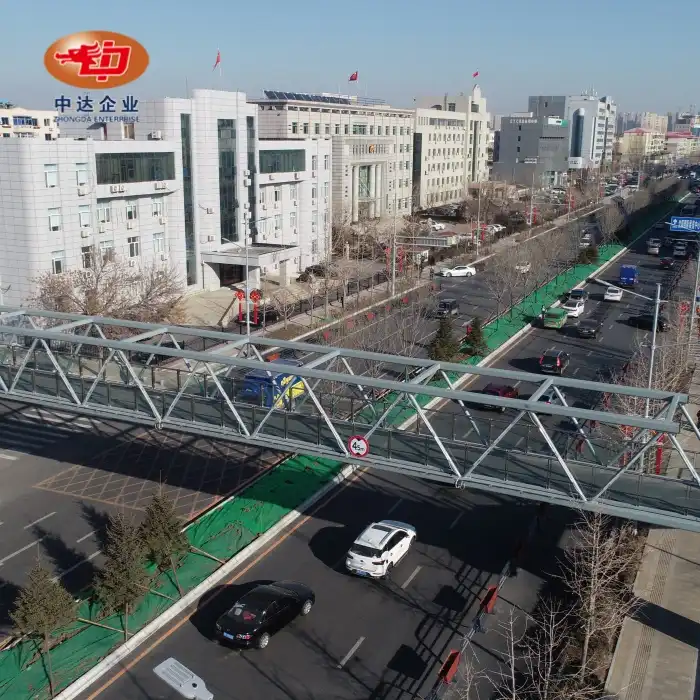
These flexible building parts can be easily changed to fit a wide range of bridge designs, from simple span beam bridges to complex continuous span systems. The structural economy that I-shaped profiles offer is good for highway overpasses, railroad bridges, and paths for people. Standardizing these parts makes the planning process easier and makes it possible to predict how they will work on projects of all sizes.


Key Advantages of I-Shaped Girders in Modern Steel Bridges
The main benefits of these building blocks, such as the I-shaped girder, come from how well they support weight. They do this by having a high strength-to-weight ratio and making sure that bent moments and shear forces are spread out evenly. These structural advantages save money because they use less steel than other options like box or T-shaped girders. This affects both the budget for the original building and the budget for ongoing maintenance.
Superior Structural Performance
The technical benefits of I-shaped structural parts become clear when you look at how well they work in real life. These parts are very useful for structures because they do the following:
- Optimal Moment Resistance: The split flanges give the section the most modulus with the least amount of material, which means it has better bending resistance and can handle big loads and dynamic forces well.
- Better Lateral Stability: The wide lips naturally stop lateral-torsional buckling, which means you don't need extra support systems and the bridge design is easier overall.
- Efficient Load Distribution: The geometric shape makes sure that stress is spread evenly throughout the member, avoiding stress clusters that could cause the member to fail early.
- Seismic Resilience: Steel I-shaped parts can absorb seismic energy by controlled bending because they are ductile. This protects the bridge structure as a whole during earthquakes.
Because of these structural benefits, bridge systems are safer, more reliable, and meet or beat current building standards. Engineers can build with trust because these parts behave in a predictable way. This is because their performance has been fully tested through decades of successful applications.
Economic and Construction Benefits
Their efficient manufacturing and building processes also make construction go faster and upkeep easier, which improves the overall efficiency of the project. Because I-shaped profiles are all the same, they can be manufactured in large quantities, which saves money. Also, because they are flexible, they can be put together faster, which keeps business moving and lowers the cost of the project.
Because they are naturally flexible, they can be used with a wide range of bridge types, from beam to suspension designs, to fit a wide range of weather and structural situations around the world. Because they are so flexible, they are great for projects that need custom solutions but still need to stay within budget.
Comparative Analysis: I-Shaped Girders vs Other Girder Types
When you compare I-shaped structural members to T-, H-, and box girders, you can see that they offer different structural and economic benefits. For many bridge uses, these shapes often offer better performance-to-cost ratios. Compared to reinforced concrete beams, steel I-shaped parts last longer and require less upkeep, which is important for long-term investments in infrastructure.
Performance Comparison Matrix
Depending on the purpose and span length, the structural efficiency of different types of girders, such as the I-shaped girder, changes by a large amount. I-shaped shapes work best in medium- to long-span situations where bending moments are the most important design factor. Unlike closed box sections, which need special tools to look inside, their open cross-section makes cleaning and upkeep easier to get to.
Box girders are better at resisting twisting, but they are harder to make and need more complicated welding techniques, which raises the prices of both materials and labor. While T-shaped girders can be useful in some situations, they can't compare to the balanced performance that I-shaped shapes give in a wide range of loading situations.
Lifecycle Cost Analysis
When you look at cost studies that take into account prices per meter, bulk savings, and supplier logistics, you can see that buying something has benefits that go beyond the initial purchase price. Standardized construction methods for I-shaped members make production less complicated. This means that they can be made for less money and with shorter lead times than custom-shaped options.
This framework for comparison helps purchasing managers make choices based on facts that are in line with the needs of the project and the available budget. This makes sure that the best materials are chosen to meet both engineering and financial goals. These structural parts have been used before, which gives us more faith in their long-term performance and the ability to predict how much upkeep will cost.
Procurement Considerations for I-Shaped Girders
To make procurement more efficient, you need to work with certified makers and trusted source networks that offer customization, reliable shipping schedules, and strong support after the sale. When looking at suppliers, it's important to pay attention to quality certifications, manufacturing standards, and customer reviews. This is especially true for foreign buyers who have to deal with complicated processes.
Supplier Evaluation and Quality Standards
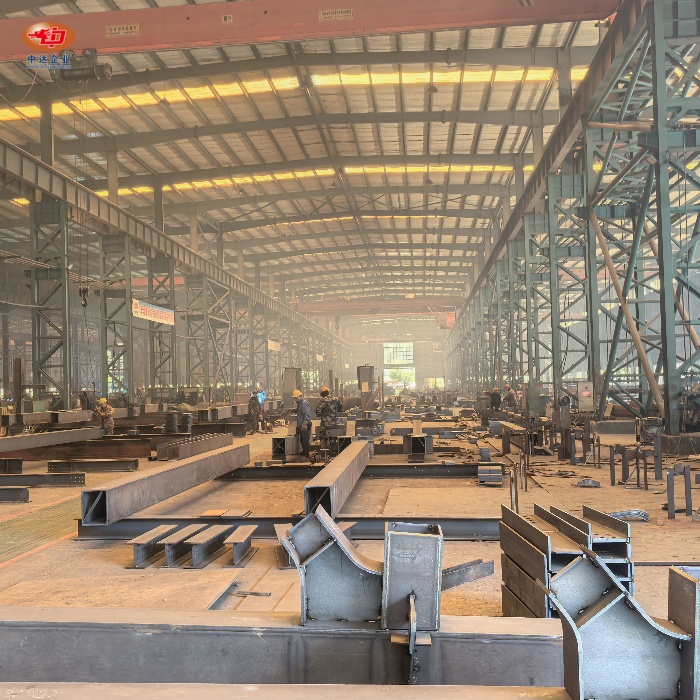
The selection of skilled I-shaped girder makers necessitates a thorough examination of their technical skills and quality control procedures. Leading providers keep both ISO 9001 certification and specific welding certifications, like AWS D1.5 for bridge building, on file. Automated cutting systems and robotic welding in factories make sure that quality is always the same and that tight limits for size are met.
Depending on the purpose and span length, the structural efficiency of different types of girders, such as the I-shaped girder, changes by a large amount. I-shaped shapes work best in medium- to long-span situations where bending moments are the most important design factor. Unlike closed box sections, which need special tools to look inside, their open cross-section makes cleaning and upkeep easier to get to.
Customization and Technical Support
Custom manufacturing choices support the specific needs of each project, while bulk purchasing can save money and make things easier to move. These days, makers offer extra services like BIM integration, help with connection design, and expert support in the field that make projects go more smoothly.
This strategic method helps procurement workers get high-quality girders that meet technical needs while lowering costs and lowering risks in the supply chain. Specialized treatments, like fire-resistant protection or coats that weather steel, make it possible to use it in more situations and meet specific project needs.
Future Outlook and Trends in I-Shaped Girder Use for Bridge Design
Material science advances, such as the use of advanced composites and automatic manufacturing methods that improve performance and sustainability, will shape the future of structural steel technology. As building standards change, they include more and more smart infrastructure features, like IoT-enabled structural health tracking, to make things last longer and be safer.
Technological Advancements and Innovation
A major trend affecting I-shaped girder uses is the merging of smart bridge technology. Sensors built into steel sections let you keep an eye on stress levels, temperature changes, and wear buildup in real time. This data-driven method to managing infrastructure makes services last longer and makes the best use of repair plans.
Microalloying elements added to higher types of steel make them stronger and less likely to rust without making them harder to weld. Because of these changes in materials, sections can be made lighter while still maintaining their structural integrity. This lowers the need for foundations and lowers the total cost of the project.
Market Demand and Sustainability
Procurement managers should make sure that their sourcing methods are in line with these technology trends because demand is growing, especially in cities and for big projects. Sustainable building practices increase interest in steel parts that can be recycled and making methods that use less energy.
Long-term value, reduced risk, and a competitive edge in bridge building purchases come from predicting how the market will change in the future. The circular economy ideas are having a bigger impact on the choices we make about materials. Steel parts that keep their value over many stages of their lifecycle are becoming more popular.
Conclusion
I-shaped girders have many advantages in current steel bridge design, including cost savings, building efficiency, and long-term performance dependability. These flexible building parts keep showing their worth in a wide range of situations, from overpasses in cities to large infrastructure projects. I-shaped girders are the best option for forward-thinking infrastructure development due to their mix of tried-and-true engineering principles, uniform manufacturing processes, and ever-evolving technology. When procurement workers know about these benefits, they can make smart choices that lead to better project results while still staying on budget and on plan.
FAQ
What factors influence the load capacity of I-shaped girders?
The load capacity is affected by several important factors, such as the type of steel used, the cross-sectional size, the length of the span, and the conditions of the side support. Steel grades with higher strengths, like ASTM A572 Grade 65, can hold more weight, and parts that are deeper can fight twisting forces better. When horizontal support is done right, it stops buckling and makes sure that the full capacity is used.
How do I-shaped girders compare to box girders for bulk orders?
Due to standardized manufacturing methods and fewer welding requirements, I-shaped girders usually offer cost savings when purchased in bulk. Box girders have better twisting strength, but they are harder to make and need more complicated quality control steps, which means they cost more per unit and take longer to deliver.
What certifications should I look for when selecting manufacturers?
Some important certificates are ISO 9001 for managing quality, AWS D1.5 for structural welding, and AISC for steel manufacturers. For European markets, international projects may need CE marking, and for Canadian uses, they may need CSA approval. Both the ability for a third party to check and the ability to track materials are very important.
Partner with Zhongda for Superior I-Shaped Girder Solutions
With 20 years of technical excellence and success on international projects, Zhongda Steel provides world-class I-shaped girder production. With our advanced weathering steel technology, ultra-precision cutting tools, and BIM-driven prefabrication, we can make sure that the parts you need for your bridge projects work better than expected. We offer full solutions, from the initial design advice to the final installation support, as a trusted I-shaped girder provider to major infrastructure developers around the world. Get in touch with our technical team at Ava@zd-steels.com to talk about your project needs and find out how our approved manufacturing can help you build a bridge faster and cheaper.
References
American Institute of Steel Construction. "Steel Construction Manual, 15th Edition." AISC, 2017.
Barsom, John M., and Stanley T. Rolfe. "Fracture and Fatigue Control in Structures: Applications of Fracture Mechanics, 4th Edition." ASTM International, 2012.
Chen, Wai-Fah, and Lian Duan. "Bridge Engineering Handbook: Construction and Maintenance." CRC Press, 2014.
Federal Highway Administration. "Steel Bridge Design Handbook: Structural Behavior of Steel." FHWA, 2015.
Galambos, Theodore V., et al. "Guide to Stability Design Criteria for Metal Structures, 6th Edition." John Wiley & Sons, 2010.
Taly, Narendra. "Design of Modern Steel Railway Bridges." CRC Press, 2016.
YOU MAY LIKE