When to Use Girder Steel in Large Span Structures?
2026-02-02 16:21:19






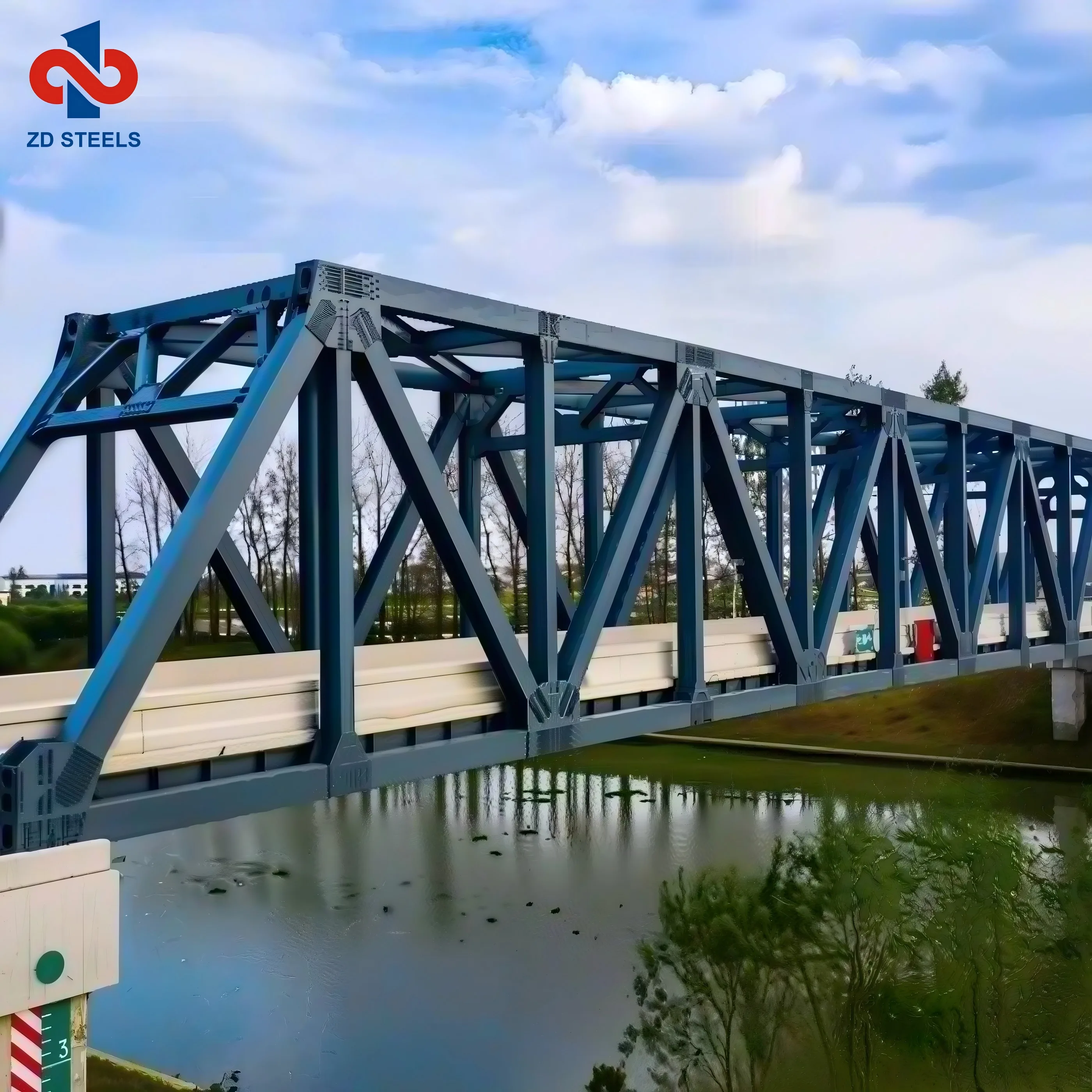
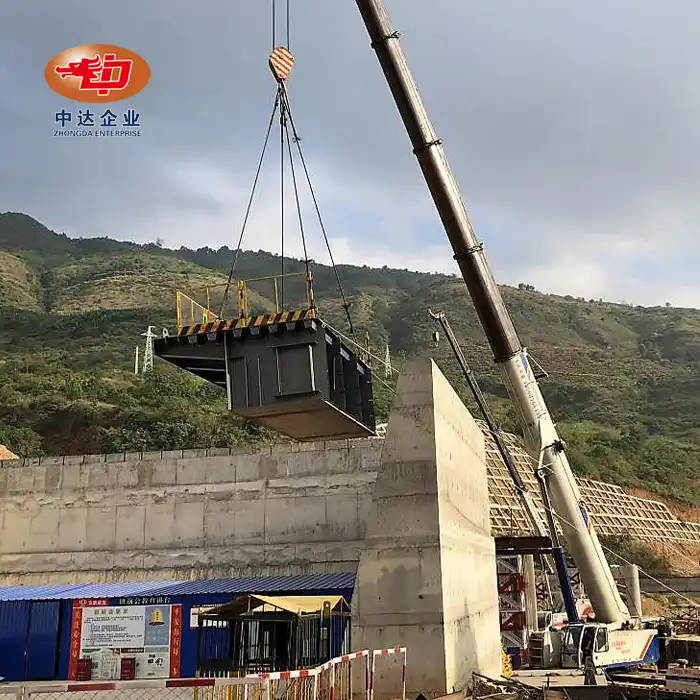
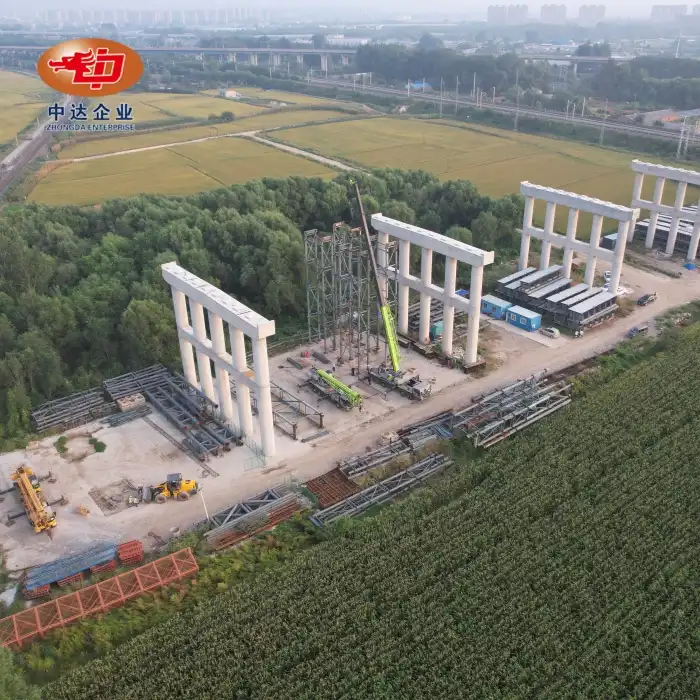
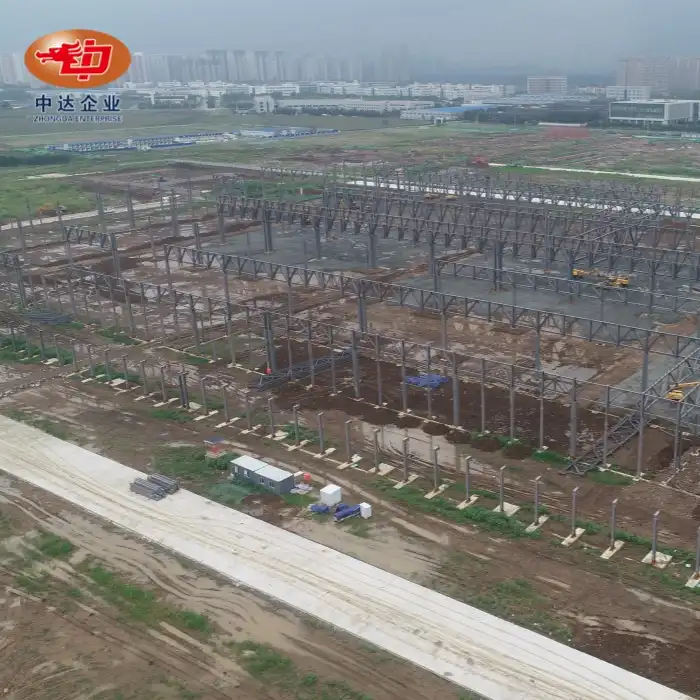
When projects need to have high load-bearing capacity, structural stability, and long-term reliability, girder steel is the best material for big span buildings. These designed steel parts work great in situations where the span is over 100 feet, where regular beams would need too many support posts or not be strong enough. The choice to use girder steel is very important for bridges, airports, factories, and stores where clear floor room and higher strength-to-weight ratios have a direct effect on how well they work and how safe they are.
Understanding Girder Steel and Its Role in Large Span Structures
Types and Classifications of Structural Girders
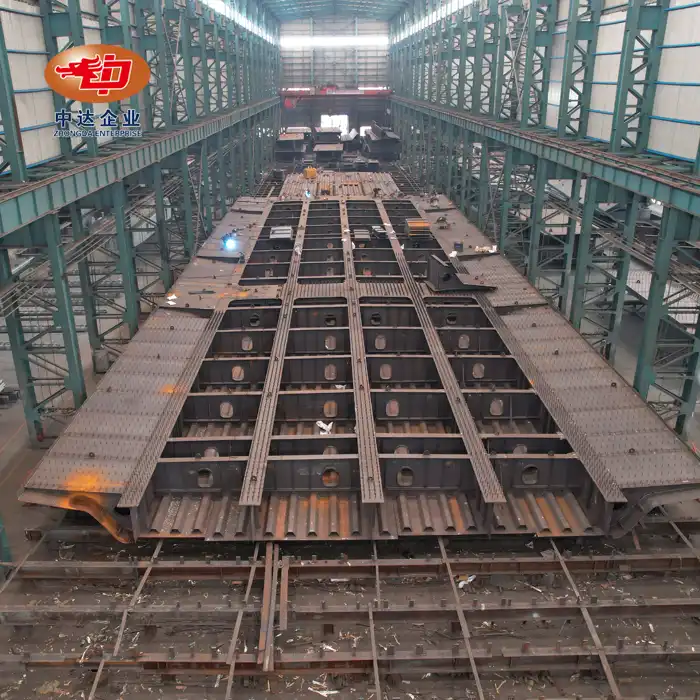
There are different kinds of girder steel, such as rolled and manufactured girders, and each is made to meet specific load and structural needs. Hot-rolling methods are used to make rolled steel girders, which have standard sizes and uniform material qualities that make them useful for many industrial uses. Fabricated girders, which are made by joining plates and sections together, can be changed to fit specific load or shape requirements, making them ideal for engineering problems that can't be solved with standard designs.
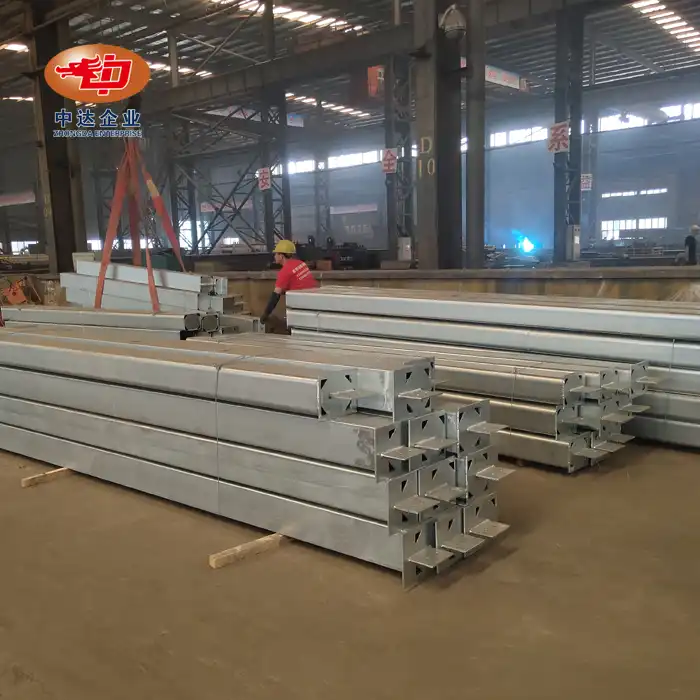
The process of making it focuses on using high-quality materials, checking them thoroughly for strength and resistance to rust, and making sure they meet quality standards like ASTM A992, AISC specifications, and foreign standards. Modern manufacturing shops use advanced welding methods and computer-controlled cutting systems to make sure that the dimensions are accurate to within ±0.2mm, which is very important for putting together big structures.
Material Properties and Engineering Specifications
Global projects are compatible and reliable because they use the same industry norms and measurements. Most structural steel girders are made of Grade 50 or Grade 65 steel, which has yield strengths of 50,000 to 65,000 PSI. To make sure they work in a wide range of weather conditions, these materials are put through a lot of tests to check their tensile strength, impact resistance, and chemical makeup.
The main differences between girder steel and beam steel are how much weight they can hold and what they can be used for. Girders are usually designed to handle longer lengths and heavy loads in tough conditions. Standard beams can only handle limited loads and shorter lengths. Girders, on the other hand, can handle huge loads over long distances and often have special connection features and strengthening elements that make the structure stronger and safer.


Advanced Manufacturing Technologies
Building Information Modeling (BIM) is used in modern girder production, which allows precise prefabrication and less time spent putting the frames together on-site. With this technology-based method, engineers can get the most out of the materials they use, guess how structures will behave under different loads, and plan complicated setups with millimeter-level accuracy.
To make sure that every girder steel beam meets the engineering standards, quality control methods like ultrasound testing, magnetic particle inspection, and size proof are used. These strict rules are especially important for projects that involve building key infrastructure, where a failure in the structure could have terrible results.
When to Choose Girder Steel for Large Span Structures: Decision Criteria?
Span Length and Load Requirements
When picking girder steel, you need to think about things like the span length, load distribution, and exposed conditions. When projects need clear spans longer than 80 feet, frame solutions usually work best because they can move loads efficiently without the need for extra supports that would take up useful room.
For heavy buildings like arenas and bridges, where normal slopes might not be able to handle the load, high-strength girders are necessary. When engineers choose a frame, they take into account things like live loads, dead loads, wind forces, and earthquake concerns. They also figure out safety factors that take into account changing loading conditions and possible overload situations.
Environmental and Durability Factors
To make steel last as long as possible, environmental factors like ocean rust or pollution from factories affect the choice of steel. Weathering steel girders are more resistant to rust because they make a protective metal layer. Galvanized choices, on the other hand, protect against water and chemicals.
Changes in temperature, especially in harsh areas, can cause materials to expand and contract, which can put stress on links and bonded parts. For projects in the Arctic or the desert, you need special types of steel and protection coats that keep the structure strong over a wide range of temperatures.
Project-Specific Applications
Different types of projects, like home, industrial, or building ones, have different needs that decide the best frame specs. Lightweight girder steel makes it easier to move and cheaper to build warehouses, and corrosion-resistant types make sure they last in tough industrial settings.
In manufacturing sites, girders are often needed to support high cranes, big equipment, and machines that make noise and vibrations. For these uses, extra hardness and wear resistance are needed above and beyond what is normally expected from structures. This calls for specialized engineering analysis and unique ways of making things.
Comparing Girder Steel Solutions in the Market: Practical Insights for B2B Buyers
Material Alternatives and Performance Analysis
B2B buyers have to compare girder steel to other materials, like concrete or wood, by looking at things like cost over time, how well the structure works, and how much upkeep it needs. Steel girders are stronger for their weight than concrete options. This means that foundations aren't needed as much and building can go faster, which saves a lot of money.
Big projects can benefit from construction speed advantages even more when steel girders can be made off-site while the site is being prepared at the same time. Compared to cast-in-place concrete options, this parallel building method can cut project timelines by 20–30%. This has a direct effect on how much the project costs to finance and how long it takes to make money.
Quality Standards and Certification Compliance
Grade, approval compliance (ISO, ASTM, EN), and quality control methods for girder steel change a lot between market choices, which can affect the success of a project and its long-term performance. International approvals make sure that materials are the same all over the world's supply lines, and regional standards cover environmental and earthquake needs that are unique to each area.
Independent proof of material features and manufacturing quality is provided by third-party inspection and testing services. This lowers purchase risks and makes sure that project specs are met. These quality control steps are especially important for public building projects that need to pay close attention to detail in order to follow the rules and keep people safe.
Economic Considerations and Procurement Strategies
To make the most of your budget and time, you need to understand how prices work and how to buy things, including in bulk and making things to order. By using volume deals, long-term supply agreements, and smart ties with suppliers, you can cut the cost of materials by a lot while still making sure they arrive on time and help you meet project goals.
This fair picture of the market lets buyers pick structural steel options that meet their technical needs and financial goals the best. Effective buying strategies look at the total cost of ownership, which includes costs like shipping, installation, and upkeep that aren't covered by the original cost of the materials.
How to Procure Girder Steel for Large Span Projects: Best Practices and Supplier Selection?
Supplier Evaluation and Selection Criteria
For buying to work well, sellers must have approved manufacturing methods, proven product protections, and quick customer service after the sale. Well-known companies usually keep up with ISO 9001 quality management systems, environmental approvals, and health and safety at work standards. These make sure that the quality of their products is always the same and that they run their businesses honestly.
International manufacturing and regional service networks make it possible for providers to work on complicated projects in many places while keeping quality standards and delivery times the same. Large-scale purchasing agreements that last for months or years are safer when suppliers are financially stable, have insurance coverage, and can bond.
Technology Integration and Customization Capabilities
Suppliers you can trust usually have a lot of technology skills, like being able to integrate BIM, use modern manufacturing tools, and provide engineering support services that are needed to manage big projects. Modern sellers offer online ordering systems, project tracking systems, and expert advice services that make the buying process easier and communication better.
Ordering options that are flexible, like online platforms and customizable choices, make purchases easier while still meeting exact technical requirements. When it comes to complicated structure uses, suppliers who can offer technical support, help with link design, and fitting advice are much more valuable than those who can just supply materials.
Quality Assurance and Project Integration
When source capabilities for girder steel are successfully integrated into project processes, deliveries are made on time and accurately, and delays are kept to a minimum. This also ensures that the structure stays intact during installation. Including suppliers in the early stages of collaborative planning can help improve material specs, lower costs, and find problems with manufacturing or installation before they affect project plans.
To support quality assurance programs and governmental approvals for projects, documentation needs like mill certificates, test results, and compliance certifications must be clearly spelled out and always provided. Suppliers with strong recording systems and the ability to track quality provide the openness and responsibility that are needed to finish a project successfully.
Zhongda Steel: Your Trusted Partner for Premium Girder Steel Solutions
Zhongda Steel is a world-renowned expert in making precision girder steel. They focus on both standard and custom production solutions for buildings with long spans. Our company has been around since 2004 and is based in the Shenyang Economic-Technological Development Zone. It has become a trusted seller to major companies like China Railway, CSCEC, and BMW by consistently delivering high-quality products and new engineering solutions.
Our state-of-the-art 120,000 m2 factory uses cutting-edge technology and strict quality control to make 60,000 tons of high-quality structural steel goods every year. We keep a lot of licenses, like ISO 9001/14001/OHSAS 45001 and EN 1090, to make sure that our industrial methods meet the best international standards for quality, safety at work, and caring for the environment.
Advanced Manufacturing Capabilities
Our range of products includes high-strength girders, lightweight designs, and steels that don't rust. These are made to meet the environmental and structural needs of a wide range of businesses. Specialized services include BIM-driven prefabrication services that make projects run more smoothly, -60°C Weathering Steel Anti-corrosion Technology for harsh locations, and ultra-thick plate cutting with ±0.2mm precision standards that make sure everything fits perfectly when it's installed.
We've been able to complete difficult projects all over the world, such as Arctic bridges in Russia, mining equipment buildings in Australia, and industrial facilities in Vietnam, thanks to our advanced manufacturing skills. Each project shows that we are dedicated to doing great technical work and that we can change our methods to fit different business and environmental problems.
Global Reach and Local Support
We are dedicated to providing the best services possible, so we promise strict quality control, on-time deliveries, and professional client consultations that help projects go smoothly from the initial design to the final installation. We can help with all aspects of big span structure projects, no matter where they are located or what environmental problems they may face, thanks to our foreign experience and professional know-how.
We want you to look at our custom girder steel goods, which are made to support your business and building projects reliably and accurately. Our team of experienced engineers and project managers is ready to work with you on your next big span structure project. They can help you reach your goals safely, quickly, and cheaply by providing the technical knowledge and manufacturing skills you need.
Conclusion
When choosing the right girder steel for big span buildings, it's important to think about the needs of the structure, the surroundings, and the specifics of the project. When projects need extremely high load-bearing capacity, long clear spans, or specific performance qualities that aren't possible with regular structural components, it's necessary to use girder steel.
To successfully buy girder steel, you need to carefully evaluate suppliers, come up with clear specifications, and work together on a project plan that combines choosing materials with the general building strategies. Spending money on good girder steel solutions pays off over the structure's lifetime by improving its performance, lowering the need for upkeep, and making operations more efficient.
FAQs
How are girder steel and beam steel different?
Girder steel and beam steel are mostly different in how much weight they can hold, how far they can span, and how they are used in structures. Girders are designed to handle longer gaps and heavy loads. They usually support the main weight of a structure over lengths of more than 80 feet. Most of the time, beam steel bears on girders as part of the total skeletal system and holds loads in one place over shorter distances.
How do I figure out how much weight each frame needs for my project?
There are many things that go into figuring out a girder's weight, such as its span length, load needs, bending limits, and safety factors. Based on dead loads, live loads, wind forces, and earthquake concerns, engineers use structure analysis tools to find the best beam sizes. To make sure that the figures are correct and meet local building rules and safety standards, it is best to talk to a professional expert.
When I order girder steel, what certifications should I look for?
ASTM material standards (A992, A572), AWS welding skills, and ISO 9001 quality management certification are all important certificates. For international projects, it may be necessary to meet EN standards. For other uses, it may be necessary to get extra licenses for things like resistance to rust, performance in low temperatures, or meeting earthquake design requirements.
Can girder steel be changed to fit the needs of a specific project?
Modern girder steel manufacturing lets you make a lot of different kinds of changes, such as using non-standard sizes, special connection features, built-in attachment points, and different types of steel. When BIM is integrated, complicated shapes can be precisely prefabricated while keeping accuracy in dimensions and quality control throughout the manufacturing process.
What affects the price of girder steel and when it will be delivered?
Price factors include the type of steel, how complicated the manufacturing is, the amount, where the delivery is made, and the current state of the market. Delivery times depend on how customized the product needs to be, how much can be made, how easy it is to move, and how the projects are scheduled. Early interaction with suppliers and clear sharing of requirements help improve performance in both cost and time.
Partner with Zhongda for Your Large Span Structural Steel Needs
Zhongda's precision-engineered girder steel options can change the way your next big project is built. As a qualified girder steel maker with more than 20 years of experience around the world, we give tough building projects the quality, dependability, and expert support they need. Get in touch with our engineering team at Ava@zd-steels.com to talk about your unique needs and get a full project quote. Our -60°C weathered steel technology and BIM-integrated manufacturing make sure that your buildings work well in any setting.
References
American Institute of Steel Construction. "Steel Construction Manual, 15th Edition." AISC Design Standards for Structural Steel Buildings, 2017.
Fisher, John W., et al. "Bridge Engineering Handbook: Superstructure Design." CRC Press, Second Edition, 2014.
Galambos, Theodore V. "Guide to Stability Design Criteria for Metal Structures." John Wiley & Sons, Sixth Edition, 2010.
International Association for Bridge and Structural Engineering. "Structural Steel Design Guidelines for Large Span Applications." IABSE Congress Report, 2021.
Salmon, Charles G. "Steel Structures: Design and Behavior." Pearson Education, Fifth Edition, 2009.
Ziemian, Ronald D. "Guide to Stability Design Criteria for Metal Structures." American Institute of Steel Construction, 2010.
YOU MAY LIKE