Exhibition Center Steel Structure Design Best Practices
2026-02-02 16:21:17






Designing an exhibition center's steel structure is an important part of making places that are flexible, long-lasting, and cost-effective so they can meet a wide range of public and business needs. Modern steel frames have great strength-to-weight ratios, which lets large-span building happen with few interior supports while still meeting strict safety standards. These buildings work better than others in many areas, from trade shows and meetings to business events and cultural exhibitions. This is why producers choose them over other options when they need a stable venue solution for a long time.
Understanding Exhibition Center Steel Structures
The steel frames in an exhibition center are engineering platforms made of high-grade steel metals that are meant to be strong, flexible, and long-lasting. These systems are much better than standard building materials in many ways, such as being more resistant to fire, better at handling earthquakes, and much better at saving energy.
Material Composition and Engineering Benefits
Contemporary steel frame systems use advanced technology that makes them very durable while still being affordable. High-strength steel metals can withstand natural problems like harsh weather, toxic elements, and structure wear over long periods of time. Steel's natural qualities let architects and builders make large inner spaces without affecting the building's structural stability. This lets them make display floors that are free of obstacles and make the most of useful space.
Because steel is so light, it doesn't need as much of a support as concrete-based options. This can save a lot of money during the initial stages of building. The fact that the material can be recycled fits in with green building practices and helps businesses reach their LEED approval and environmental responsibility goals.
Comparative Analysis: Steel Versus Traditional Materials
There are a number of key performance factors that show steel buildings are better for exhibitions than concrete options. When premade steel components are used, construction times are usually cut by 25–40%. This means that places can open earlier and start making money sooner. Buildings don't need much maintenance over their lifetime, and with the right protection coats, they can last longer than 50 years in most settings.


Because steel building is so flexible, changes and additions can be made in the future without having to make big structure changes. When the needs of the market change, exhibition centers can change the structure of their rooms, add more floors, or make their areas bigger with little effect on how they run their current operations.
Best Practices in Steel Structure Design Principles for Exhibition Centers
Using tried-and-true design methods makes sure that show sites work at their best while also meeting safety standards and operating goals. As part of the design phase's strategic planning, issues like structure stability, load sharing, fire safety, and incorporating energy economy are looked at.
Structural Integrity and Load Management Systems
A thorough look at expected usage trends for a steel structure, such as machine loads, crowd levels, and temporary installs, is the first step to effective load management. Design experts have to think about both static and dynamic loads to make sure that structures can hold big equipment, displays that hang from the ceiling, and places with a lot of visitors without damaging the structure.
Advanced modeling software lets you do an exact load path analysis, which helps you choose the right size members and connections. These calculations take into account things like wind loads, earthquake forces, and the effects of heat growth that might change how well a structure works over time. Stable frames that can meet a variety of display needs are made by strategically placing beams and columns to spread out the load.
Fire Safety and Compliance Standards
Fire safety is the most important thing to think about when designing a show center, so both passive and active defense methods must be used together. To get the needed fire ratings, which are usually between two and four hours based on local building rules, steel structures must have fire-resistant finishes or a concrete shell.
Planning for emergency exits affects choices about how to build buildings, making sure that hallways are wide enough and that everyone can get out of the building. To provide complete fire protection without sacrificing building beauty, sprinkler system integration needs to be coordinated between the structure and mechanical fields.
Modular Prefabrication Techniques
Modern methods of prefabrication make building much more efficient while still meeting quality control standards. Off-site fabrication lets precise manufacturing happen in controlled settings, which cuts down on delays caused by bad weather and makes sure that the quality of the welds is always the same. When modular parts are delivered to building sites, they are already put together. This cuts down on the need for on-site work and speeds up the finishing of projects.
Through BIM-driven prefabrication, trades can work together more closely and find problems before the parts get to the field. This proactive method cuts down on expensive changes and makes sure that the structure, mechanical, and electrical systems work together smoothly.
Construction and Maintenance: Ensuring Long-Term Performance
For show center projects to go smoothly, they need to be carefully coordinated during the building, delivery, and setup stages. At every step, quality control checks make sure that the project stays on schedule and that the structure works the way it was meant to.
Fabrication and Installation Process Overview
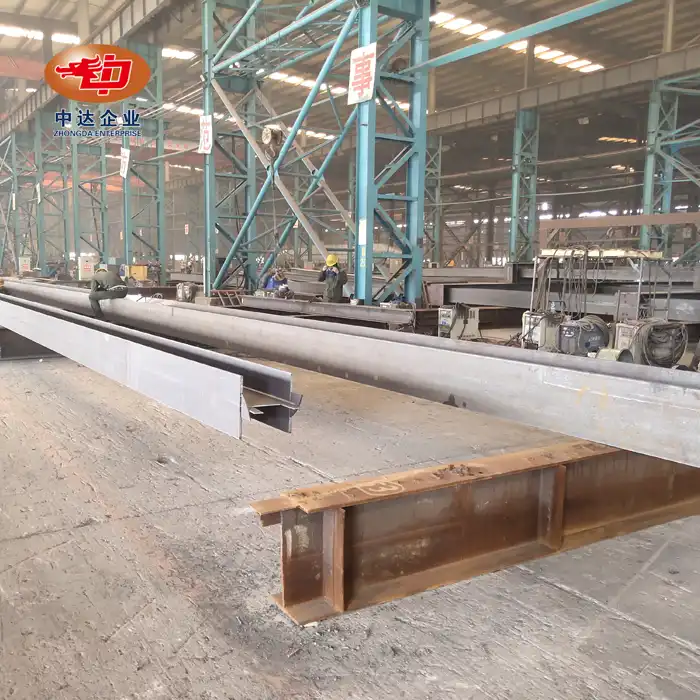
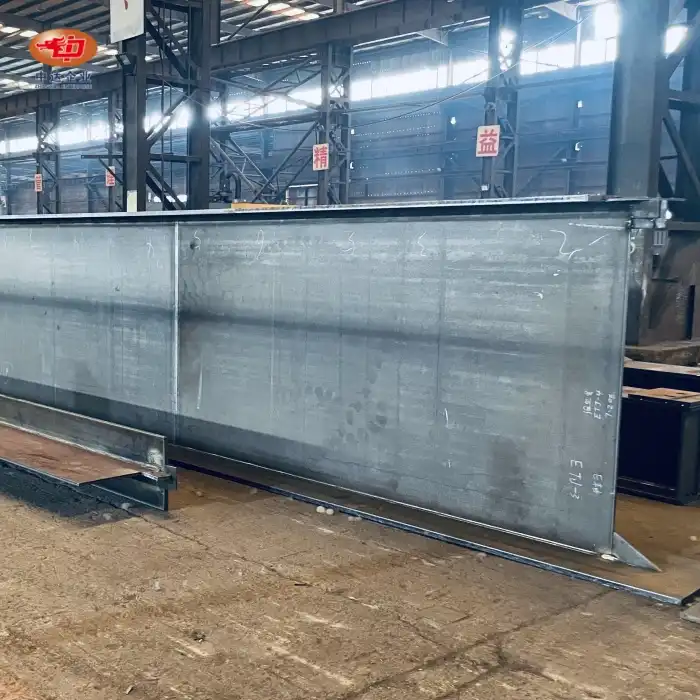
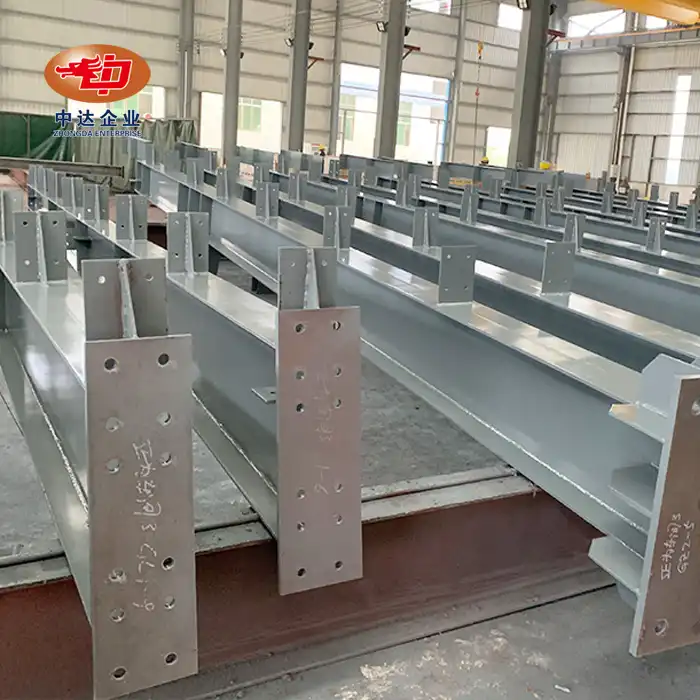
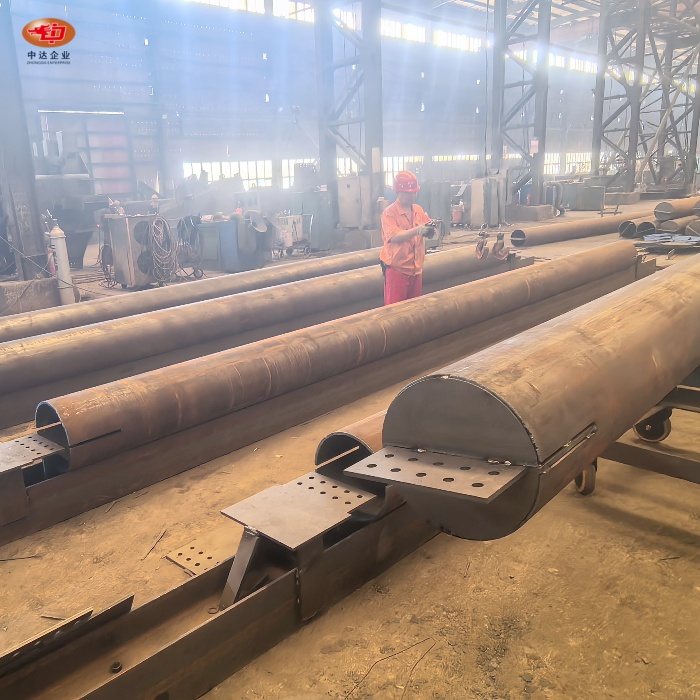
The building process for a steel structure starts with making detailed shop drawings, which turn design ideas into plans that can be built. Computer-controlled cutting tools make sure that parts are the right size, and qualified welders make links that meet AWS standards. Before parts leave the manufacturing plant, quality assurance procedures check the materials, make sure the dimensions are correct, and look over the welds.
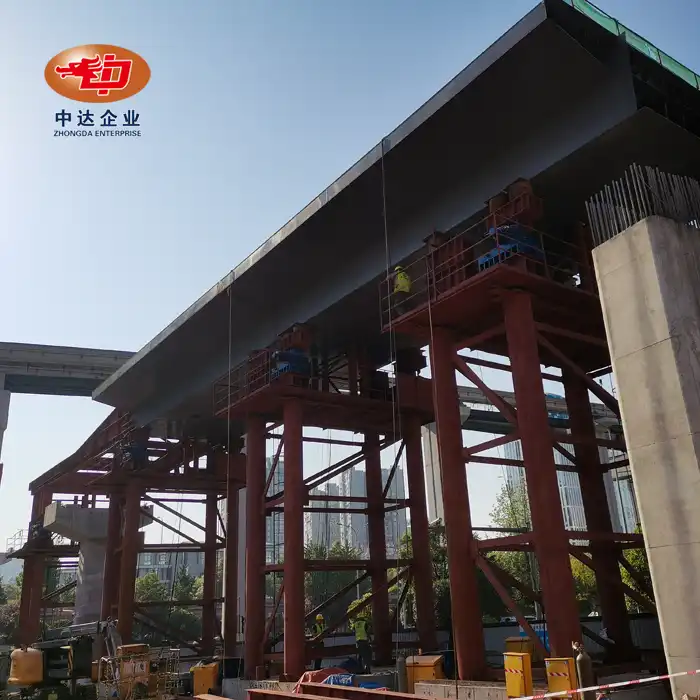
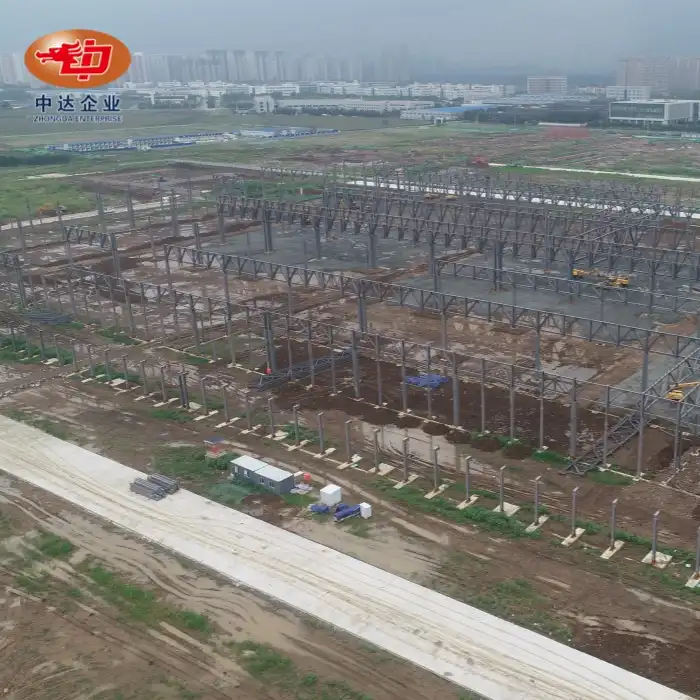
Preparing the site for construction means coordinating the installation of the base with the delivery of the steel. This makes sure that the building processes go smoothly. Placement and timing plans for cranes increase output while keeping safety standards high in the building zone. Expert construction teams follow set processes to lift, place, and connect structural parts. Alignment and connection stability are checked in real time to make sure the crews are following the rules.
Maintenance Strategies for Extended Service Life
Regular inspection programs protect the long-term performance of structures and find repair issues before they become major problems. Once a year, visual exams check the state of protection layers, connections, and signs of possible rust. Every five years, detailed inspections include non-destructive testing methods to check the structural stability of the layers below the top coats.
Maintenance on protective coatings is the most important ongoing task, and touch-up applications fix small problems before they get worse larger problems. Environmental factors like contact to wetness, chemical atmospheres, and changes in temperature affect how often to maintain and choose a cover.
Building covering systems, industrial equipment supports, and design features are all part of preventive maintenance plans, not just structure elements. Coordinated repair plans keep show operations running as smoothly as possible while protecting the facility's investments.
Procurement Insights for Exhibition Center Steel Structures
When choosing steel structure providers, B2B buying workers have to make hard choices because they have to balance cost concerns with quality needs and delivery options. Effective buying strategies look at many things, like the ability to manufacture, the level of technical knowledge, and the project management skills of the suppliers.
Supplier Evaluation and Quality Certifications
Qualified sellers show a wide range of skills, such as the ability to help with design, make things, and handle projects. ISO 9001 certification means that quality control systems have been set up, and AISC certification means that American steel building standards have been met. International projects might need extra approvals, like the CE mark for European markets or special regional safety paperwork.
Evaluations of manufacturing facilities show what kind of production can be done, how sophisticated the technology is, how much it can hold, and how quality control is done. Modern factories have cutting systems that are run by computers, automatic welding equipment, and a lot of testing tools that make sure the quality of the products is always the same. Annual production capacity signs help teams in charge of buying things figure out how well suppliers can meet project deadlines without lowering quality standards.
Cost Analysis and Lead Time Considerations
A full cost study for a steel structure looks at more than just the original costs of materials and construction. It also takes into account the costs of shipping, installation, and upkeep over the product's lifetime. Transportation arrangements have a big effect on the total cost of a project, especially when it comes to foreign packages that need special treatment and paperwork. Procurement teams have to look at how close suppliers are to project areas and think about how that will affect both costs and schedules.
Lead time planning starts early in the design process, taking into account engineering progress, approval cycles for shop drawings, and production plans. It can take 16 to 20 weeks for complex tasks to be delivered after the contract is signed, which shows how important it is to involve suppliers early on. Setting realistic goals for the schedule helps keep the project on track and gives enough time for quality checks during the whole production process.
Custom Versus Standard Solutions
Custom engineering solutions that improve performance while keeping costs low are often needed because of the unique needs of a project. Standard member shapes and link details lower engineering costs and make manufacturing easier. Custom solutions, on the other hand, meet specific design or functional needs. Balanced methods use standard parts as much as possible and only add unique parts when they are needed to reach project goals.
During the design development process, value engineering tasks find ways to make the best use of materials without sacrificing efficiency. Experienced suppliers bring a lot of value to these talks by offering different ways to do things that might save money or make them easier to build while still staying true to the design purpose.
Zhongda Steel Structure Exhibition Hall Solutions
Zhongda Steel specializes in providing complete show center solutions that blend cutting-edge engineering with tried-and-true production skills. Our steel structure show rooms are quick, adaptable, and ready for the future. They are made for foreign events and a wide range of business uses.
Advanced Manufacturing Capabilities and Certifications
Our state-of-the-art building is 120,000 square meters and can produce 60,000 tons of goods every year. It does this with the help of cutting-edge CNC systems and vertical welding capabilities. This system for manufacturing makes it possible to make exact parts while keeping strict quality control standards throughout the whole process.
Our dedication to quality control, environmental duty, and worker safety is shown by our many standards, such as ISO 9001, ISO 14001, and OHSAS 45001. The EN 1090 certification shows that we follow European building standards, and the high-tech business certification shows that we are good at coming up with new ideas and improving technology.
Our BIM-driven prefabrication methods for steel structure components improve the coordination of designs and the speed of production, cutting down on building times while still ensuring perfect fit and finish. We can provide solutions for harsh climates thanks to our specialized weathering steel technology that can work in -60°C settings and our ability to cut ultra-thick plates with ±0.2mm accuracy.
Customization and Technical Performance
Zhongda's steel-structured show rooms are made with flexible designs that make them easy to put together quickly and change in the future as needs change. Our engineering team creates unique solutions that are based on specific design needs, load conditions, and working needs. At the same time, they keep standard link details that make the building process easier.
Technical requirements include frames made of high-strength steel with special finishes that make them more resistant to rust and fire. Each building goes through a thorough structure study to make sure it meets local building rules and can withstand bad weather like high winds, heavy snowfall, and earthquakes.
The modular design mindset encourages environmentally friendly building methods by allowing pieces to be taken apart, moved, and put back together in new places. Because they can be used more than once, they last longer and cost less over time. They also help the earth by using less material and making less trash.
Global Project Experience and Support
Our list of completed foreign projects shows that we can do good work in a wide range of places, from Russia's Arctic to Australia's mining regions to Vietnam's industrial growth. The projects we've worked on show that we can handle complicated tasks, follow different foreign standards, and get good results no matter where we are.
Our technical skills and project management skills are backed up by relationships with big companies like China Railway, CSCEC, and BMW. Our global transportation network guarantees on-time deliveries, and our full installation support cuts down on building risks and uncertainty about plans.
Zhongda is a chosen partner for show center growth projects around the world because of its high level of technical skill, precise manufacturing, and project management experience. Our dedication to new ideas, high standards, and happy customers pushes us to make our goods and services better all the time.
Conclusion
To make a great exhibition center steel structure design, you need to carefully combine technical principles, high-quality materials, and tried-and-true building methods. Steel building is the best choice for modern show sites because it is easy to put together, can be designed in a variety of ways, and lasts a long time. For projects to be successful, they need to be well planned out, have qualified providers, and have upkeep plans that protect investments and make sure the building works well for as long as it is used. As the industry moves toward more eco-friendly and flexible options, steel buildings are still at the cutting edge of new ideas. They provide the performance and value that today's show centers need.
FAQs
This part answers some of the most common questions about steel buildings for show halls. It gives buying and engineering workers who are thinking about these options useful information.
What are the main reasons why steel is better than concrete for show centers?
Steel has many benefits, such as shorter building times, more adaptability for future changes, and better performance in earthquakes. Steel's high strength-to-weight ratio lets you have bigger open areas with fewer support beams, which makes the most of the display space that can be used. Steel is also easier to recycle and has less of an effect on the earth, which is in line with healthy building methods.
In terms of cost, how do steel structures compare to standard concrete buildings?
Even though the original prices of the materials may seem higher, steel buildings often offer better total value because they require less time to build, less support, and less upkeep. Being able to make parts off-site cuts down on labor costs and delays caused by bad weather, which often means that the total cost of the project is the same as or less than options made of concrete.
What kinds of upkeep make sure that a steel structure works well for a long time?
The most important upkeep tasks are regular inspections that check the state of the layer and the stability of the connections. Visual checks once a year and more in-depth reviews every five years help find repair problems before they get too bad. Protective layer upkeep is the most important ongoing task, and with the right care, the structure can last longer than 50 years.
Can steel show halls be expanded or changed in the future?
Because steel is naturally flexible, it can be changed in the future to make changes like changing the layout inside, adding levels, or expanding the building's size with little structural work. Modular design makes these changes easier while keeping the structure's stability and keeping operations running smoothly.
Partner with Zhongda for Your Exhibition Center Steel Structure Requirements
If you need help with your next show center project, Zhongda Steel can help. They offer complete steel structure options and have been designing and making things well for over twenty years. We are the world's top provider of steel structures for show centers thanks to our advanced BIM-driven processes, specialized -60°C weathered steel technology, and ability to produce 60,000 tons of steel every year.
Get in touch with our technical team at Ava@zd-steels.com to talk about your unique needs and find out how our custom solutions can help you finish your project faster and better. Set up a meeting with us today to see for yourself why we are the go-to company for show center steel structure jobs all over the world.
References
American Institute of Steel Construction. "Steel Construction Manual, 15th Edition: Design Standards and Best Practices for Structural Steel Applications." AISC Publications, 2017.
Chen, Wai-Fah and Eric M. Lui. "Handbook of Structural Engineering, Second Edition: Comprehensive Design Guidelines for Steel Frame Systems." CRC Press, 2019.
International Building Code Council. "International Building Code 2021: Structural Requirements for Exhibition and Assembly Facilities." ICC Publications, 2020.
Salmon, Charles G. and John E. Johnson. "Steel Structures: Design and Behavior, 5th Edition: Emphasizing Load and Resistance Factor Design." Pearson Education, 2018.
Segui, William T. "Steel Design, 6th Edition: Principles and Applications for Load and Resistance Factor Design." Cengage Learning, 2020.
Geschwindner, Louis F. "Unified Design of Steel Structures, 3rd Edition: Comprehensive Approaches for Modern Steel Construction." John Wiley & Sons, 2021.
YOU MAY LIKE
_副本_1762409363712_1788849278749.jpg "steel truss structure")