Modular Steel Structures for Hotels and Resorts
2026-03-17 16:13:24






Using premade steel parts that are made off-site and put together on-site, modular steel structures for hotels and spas are a revolutionary way to build hospitality buildings. This new way of building uses high-tensile steel frames and advanced engineering principles to make construction go quickly, last a long time, and give designers a lot of freedom. The modular steel structure method solves some of the most important problems in the hospitality industry, like short construction windows, strict quality standards, and the need for buildings that can stand up to a wide range of weather conditions while still looking great and meeting high standards for guest comfort.
Understanding Modular Steel Structures in the Hospitality Industry
When it comes to building, the hospitality business needs answers that balance speed, quality, and good looks. Modular steel building meets these needs with advanced engineering and production methods that have changed the way hotels and motels are built all over the US.
Core Characteristics and Design Principles
Modern modular steel structures are made of high-quality steel materials, usually Q345 or Q235 grades, which meet ASTM A572 standards and have better strength-to-weight ratios that are important for hotel uses. The main framing uses H-beams with different cross-sections that are best for the load needs. The secondary framing, on the other hand, uses cold-formed steel parts that are joined with high-strength bolting systems instead of traditional site welding.
These systems are strong enough to allow clear-span designs that are 12 meters to over 60 meters long, which means that there are no interior columns that could get in the way of guest areas or business flow. With this kind of design freedom, architects can make open lobbies, large eating areas, and clear meeting rooms that make the guest experience better.
Rapid Construction and Scalability Benefits
When compared to traditional building methods, the prefabrication process cuts construction times by 50–70%. Factory-controlled production makes sure that quality is always the same, and production that doesn't depend on the weather gets rid of the yearly delays that are common in traditional building. This shorter timeline means that hotel owners can start making money earlier and that they will have lower interest rates while the building is being built.


Scalability is still a very important benefit for resort projects and hotel groups. Multiple buildings' modular steel parts can be made at the same time, which allows for staged openings that bring in money while other stages are still being built. Standardized connection methods also make it easier to add on to buildings in the future without having to make big structure changes.
Environmental Resilience and Durability Features
Hotels and spas often have to deal with tough natural conditions, such as being exposed to salt water near the coast or being in an area prone to earthquakes or extreme weather. These problems can be solved by modular steel structure buildings that have improved surface treatments and engineering specs made to last for a long time.
After being shot-blasted to Sa2.5 standards, parts are painted with a high-performance epoxy zinc-rich paint or hot-dip galvanized with zinc coats ranging from 275g/m³ to 600g/m³. This makes sure that the parts last a long time in C3–C5 corrosive conditions. These treatments protect against rust for decades, which lowers care costs and keeps the building's structure strong for its entire life.
Comparing Modular Steel Structures with Traditional Building Methods for Hotels
Developers and builders of hotels choose building methods based on a number of factors, such as cost, schedule, durability, and the ability to adapt to changing needs. When you look at all of these key performance factors together, you can see that modular steel building has big benefits.
Timeline and Cost Efficiency Analysis
For hotel projects, traditional concrete building usually takes 18 to 24 months to finish, but modular steel structures can be mostly finished in 8 to 12 months. This shorter time frame comes from manufacturing and site preparation being done off-site at the same time. This gets rid of the need for dependencies between steps that normally make building plans longer.
Cost benefits go beyond the original savings on building costs. Predictable manufacturing costs get rid of delays caused by bad weather and on-site worker changes that often cause traditional building projects to go over budget. The controlled factory setting also keeps material waste to a minimum and makes sure that all resources are used in the best way possible during the production process.
Structural Performance and Longevity
In seismic zones, modular steel structures work better than other types of buildings, and they can support up to Grade 8 seismic protection. The flexible steel framework better absorbs and spreads out seismic forces than hard concrete buildings, making guests safer in areas that are prone to earthquakes.
Another important benefit for hotel uses is that they are fire resistant. Steel parts keep their shape better at higher temperatures than wood options, and when paired with the right cladding systems, they achieve higher fire ratings that are necessary for guest safety and insurance purposes.
Design Flexibility and Future Adaptability
In contrast to concrete structures that can't be changed, flexible modular steel structure buildings can be updated and added on to with little structural damage. To adapt to changing market needs, hotel owners can rearrange rooms inside, add floors, or make services bigger without affecting the building's structural stability.
Because steel framing can be clear-span, it doesn't need load-bearing walls that limit the design choices inside a standard building. Because of this, hotel designers can make one-of-a-kind rooms that set properties apart in competitive markets while still keeping operations running smoothly.
The Construction Process and Quality Assurance of Modular Steel Structures
A methodical process is used to build modular steel structures that puts an emphasis on quality control, safety, and good looks. When hotel developers and builders understand this process, they can better see the benefits of modular building for hospitality uses.
Design Finalization and Engineering Optimization
Before building starts, there is thorough architectural and engineering planning that uses Building Information Modeling technology to make sure the structure works well and any problems are found before they are built. This thorough planning step makes sure that the mechanical, electrical, and plumbing systems fit together perfectly within the modular framework.
Advanced engineering research figures out the best way to size and connect steel members based on the loads they will be subjected to, such as wind loads that can be over 120 km/h and snow loads of up to 2 kN/m² in the right regions. This improvement keeps the structure working well while reducing the amount of materials used and the total cost of the project.
Factory Manufacturing and Quality Control
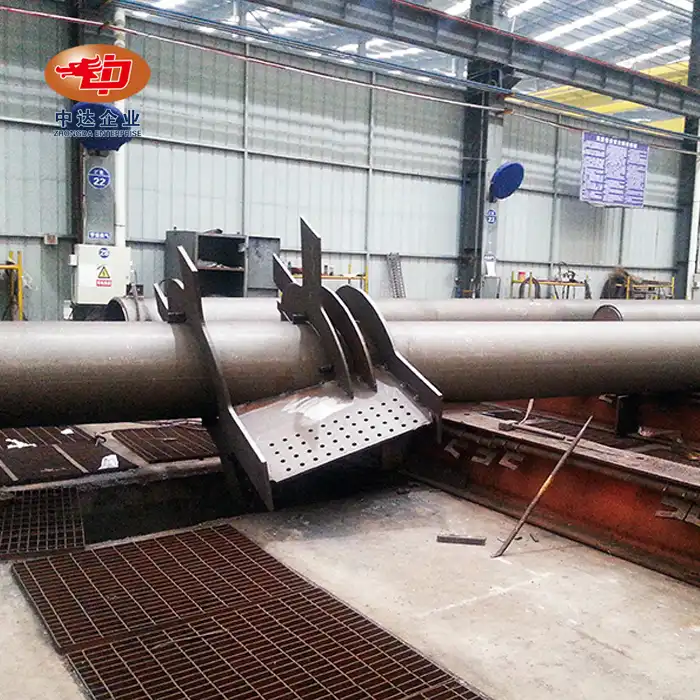
Manufacturing takes place in controlled factories with stricter quality control methods than most building sites. Automated cutting equipment keeps measurements within ±0.2mm, which makes sure that everything fits perfectly when it's put together on-site. During the whole manufacturing process, certified welding methods and inspection routines make sure that the structure stays strong.
Quality assurance includes cleaning the surface and applying the coating. Coatings stick better and cover more when they are put on in controlled settings. Batch testing and paperwork make it possible to track all materials and processes, which helps with warranties and making sure that products work well over time.
On-Site Assembly and Integration
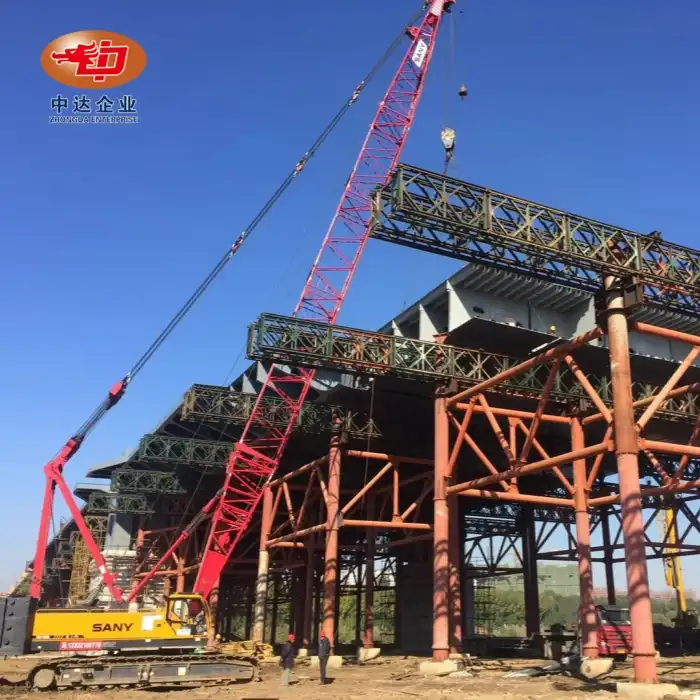
Site assembly for modular steel structure uses crane-assisted installation methods that cause less damage to the ground and less noise during building, which are important things to think about for vacation and city hotel sites. The dry assembly method cuts down on the time it takes for concrete to harden, so the building exterior and internal finishing can begin right away.
During the installation process, trained installation teams and detailed assembly instructions make sure that the right connection torque values and alignment standards are met. At each stage of building, progressive tests check the structure's integrity, keeping quality standards that are important for hospitality uses.
Long-term Maintenance and Lifecycle Management
Maintenance plans that work well can make modular steel structures last longer and look better at the same time. Routine inspection methods find potential corrosion problems before they hurt the structure's performance. This allows for proactive repair that keeps operations running as smoothly as possible.
Manufacturer guarantees usually cover structural parts for 20 to 50 years, which protects hotel investments for a long time. After-sales service programs include training for site staff in upkeep tasks and the availability of replacement parts to support ongoing operations for the life of the building.
Procurement Guide: How to Source Modular Steel Structures for Hotels and Resorts?
To successfully buy modular steel structures, you need to carefully evaluate providers, understand technical specs, and be clear about what the project needs. A structured method is the best way to make sure that hotel growth projects are successful.
Supplier Evaluation and Certification Requirements
Suppliers with a good reputation keep international quality certifications like ISO 9001 for quality management, ISO 14001 for environmental management, and OHSAS 45001 for health and safety at work. These certificates show a dedication to regular quality and dependable service, which is very important for hospitality projects.
An important way to tell if a source is capable is by looking at their manufacturing capacity and experience with hotel projects. Manufacturers that have been around for a while, have their own production sites, engineering teams, and a history of building hotels can lower the risk of the project and provide better technical help throughout the procurement process.
Technical Specifications and Customization Capabilities
For hotel and resort projects to work, they need solutions that are tailored to their unique architectural needs, environmental conditions, and operating needs. Suppliers should show that they can do unique design, coatings that are specifically made for coastal areas, and connection with building control systems that are popular in modern hotels.
Technical specs should include performance factors for the structure, such as its ability to withstand earthquakes, wind loads, and temperature changes. Making clear records of the types of materials used, how they are connected, and the testing methods used makes sure that local building rules and project requirements are met.
Project Management and Delivery Coordination
Comprehensive project management services make sure that manufacturing plans and site planning activities work together to make the best use of resources and stick to deadlines. To keep delays to a minimum, experienced providers provide thorough project schedules, coordinate supplies, and oversee installation.
Delivery arrangements for modular steel structure need to be carefully thought out, especially for resorts that are far away and don't have a lot of transportation options. Suppliers should be able to show that they have experience with complicated shipping needs and offer detailed planning services for transportation and installation.
Warranty Coverage and Post-Installation Support
The warranty should cover both problems with the materials and with the fitting, so that hotel expenses are fully protected. Operators who want to be sure of long-term success can get more from extended warranty choices and maintenance support programs.
Technical support services, such as maintenance training, inspection routines, and the availability of new parts, make sure that the building works at its best for as long as it is in use. These services are especially useful for resorts that are far away from other places where people may not know much about the area.
Sustainable and Future-Ready Modular Steel Structures for Hotels and Resorts
Because of guest standards, government rules, and practical cost concerns, environmental sustainability has become an important factor in the growth of the hospitality industry. These needs can be met by modular steel construction, which has design benefits and can work with new building technologies.
Environmental Impact Reduction and Resource Efficiency
Compared to traditional building methods, the process of making modular steel structures creates a lot less construction trash. Factory-controlled production lets exact material use and full recycling of steel scraps happen, which lowers the total impact of the building process on the environment.
Having a smaller carbon impact is possible for a number of reasons, such as not having to move as many materials, not having to wait for concrete to cure, and shorter building timelines that keep equipment operations and site disturbances to a minimum. Studies show that compared to traditional building ways, the carbon footprint is 20–30% smaller.
Energy Efficiency and Smart Technology Integration
High-performance insulated walls with thermal R-values that are best for each area are used in modern enclosure systems. Polyurethane and mineral wool insulation work very well to keep heat in and keep fire safety scores that are important for hospitality uses.
Smart building technologies that can be integrated allow for more advanced energy management systems, automatic climate controls, and repair programs that plan ahead. These technologies lower the costs of running the hotel while also making guests more comfortable and happy throughout their stay.
Future Adaptability and Technology Upgrades
Modular steel construction is naturally flexible, so it can be used to make changes to buildings and improve technology without causing major structural problems. New technologies can be easily added as they become available with the help of cable management tools and easy utility routing.
Adaptability also means being able to change how things work, so hotels can rearrange rooms to fit the needs of different types of guests or the market. This adaptability protects the long-term value of hotel investments in leisure markets that change quickly.
Regulatory Compliance and Certification Programs
Green building approvals like LEED, BREEAM, and local environmental standards can all be met with modular steel structures. When mixed with high-performance building shell systems, the naturally environmentally friendly benefits of steel construction make it easier to follow the rules that are getting stricter.
As regulatory bodies become more aware of the environmental and economic benefits of modular building, the market continues to accept it. This trend helps modular steel technologies for hotel uses become more popular and keep getting better.
Conclusion
Modular steel buildings are a completely new way to build hotels and resorts. They offer speed, quality, and sustainability that have never been seen before, meeting the changing needs of the hospitality business. Modular steel building is the best choice for forward-thinking hospitality developers because it has the systematic benefits of factory-controlled production, better structural performance, and built-in design freedom. As environmental rules get stricter and guest standards keep going up, modular steel structures will continue to grow in the hotel industry across a wide range of market conditions. This is because they can incorporate new technologies while still being cost-effective.
FAQ
How long does construction take compared to traditional methods?
When compared to traditional building methods, modular steel construction usually cuts project timelines by 50 to 70%. Traditional hotel building can take 18–24 months, but modular steel structures can be mostly finished in 8–12 months by making them off-site and getting the site ready at the same time.
What maintenance is required for coastal resort environments?
Hot-dip galvanization with zinc coatings of up to 600g/m² and other specialty coating systems are good ways to protect coastal sites from corrosion. Regular upkeep includes checking the covering once a year and touching it up every so often. With the right care, it should last between 30 and 50 years.
Can modular steel structures achieve luxury resort aesthetic standards?
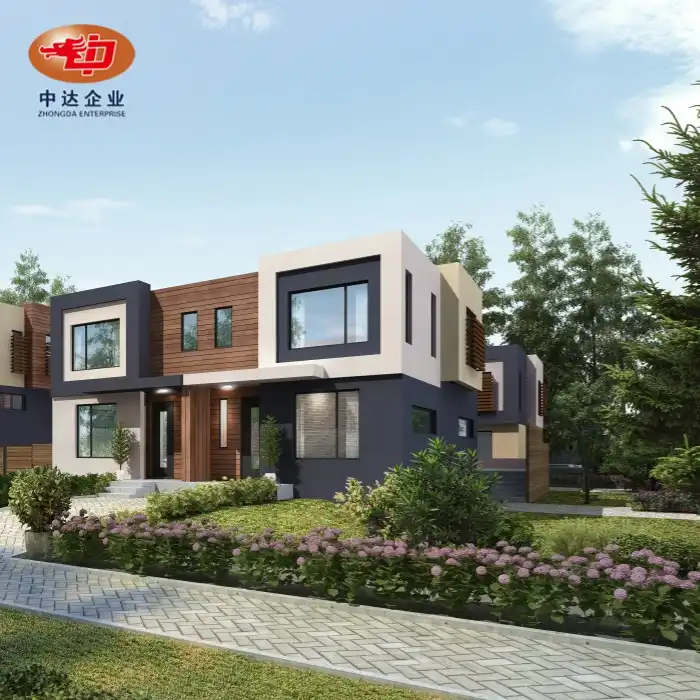
Of course. With today's cladding systems and architectural finishing choices, you can be as creative as you want with your designs while still getting the structural benefits of steel frame. Clear-span features get rid of internal columns, making the areas open, which is important for high-end dining settings.
Partner with Zhongda for Your Next Hospitality Project
Zhongda Steel brings 20 years of experience in precise engineering to projects all over North America that are building hotels and other places of lodging. We are a widely qualified maker of modular steel structures with ISO 9001/14001/OHSAS 45001 certifications. For hotels and resorts of any size, we offer turnkey solutions that include everything from the initial design to the final installation. Our 120,000 m² factory and 60,000-ton yearly capacity make sure that deliveries happen on time, and our advanced anti-corrosion technology and BIM-driven prefabrication make sure that the standard is high and that the products last a long time. Get in touch with Ava@zd-steels.com to talk about your project needs and find out how our track record with global hotel brands can help you speed up the next phase of your growth.
References
American Institute of Steel Construction. "Modern Steel Construction Standards for Hospitality Applications." Steel Construction Manual, 15th Edition, 2022.
National Association of Home Builders Research Center. "Comparative Analysis of Modular Steel Construction Methods in Commercial Hospitality Development." Building Research Institute, 2023.
International Building Code Council. "Seismic Design Requirements for Modular Steel Structures in Hospitality Applications." IBC Commercial Building Guidelines, 2022.
Sustainable Building Council. "Environmental Impact Assessment of Steel-Frame Modular Construction vs Traditional Methods." Green Building Research Institute, 2023.
Hotel Development and Construction Association. "Timeline and Cost Analysis of Modular vs Conventional Hotel Construction Projects." Industry Construction Report, 2022.
American Society of Civil Engineers. "Structural Performance Standards for Modular Steel Buildings in Extreme Weather Conditions." ASCE Structural Engineering Guidelines, 2023.
YOU MAY LIKE
_1788850251399.png "splicing details for steel beam")