Steel Structure Hotel Design for Fast Construction
2026-03-17 16:13:26






Steel structure hotel building is a completely new way to build hotels because it combines advanced engineering with faster project delivery times. Compared to traditional concrete methods, these new building systems cut down on construction times by 30 to 50 percent by using high-strength steel frames, prefabricated parts, and flexible assembly techniques. The steel structure hotel approach solves important problems in the industry, like getting projects to market quickly, keeping costs low, and making sure that quality standards are always met. It also gives modern hospitality projects great structural performance and design freedom.
Understanding Steel Structure Hotels: Design and Construction Fundamentals
Steel structure hotels use modern premade steel parts that are designed to be easy to put together, last a long time, and be flexible. These frames are better than traditional buildings made of concrete or wood because they allow for more design options and stronger structures. This is especially important when meeting the strict safety and ventilation requirements of hotels.
Core Engineering Principles
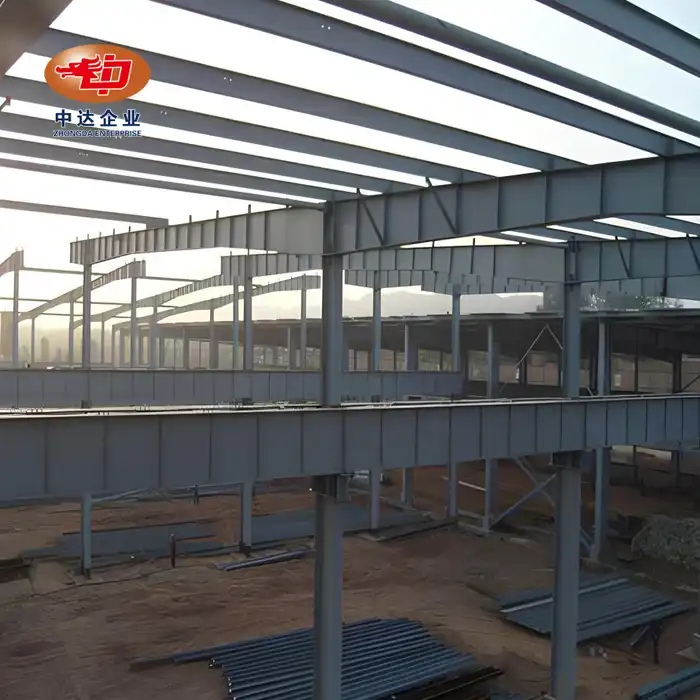
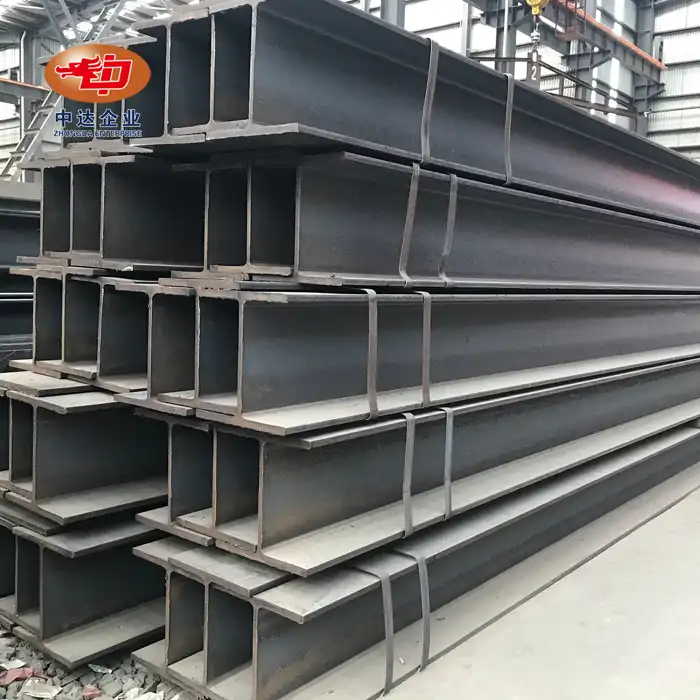
Precision-engineered H-beam beams and rafters, which are usually made of Q355B or Q235B grade steel, are the building blocks of steel hotels. These load-bearing parts are joined together with high-strength nuts to make a rigid framework that can hold up hotel buildings with multiple floors. Using cold-formed C/Z section purlins and different covering systems, such as insulated sandwich panels, together creates a strong barrier that is perfect for guests' comfort.
Streamlined Construction Phases
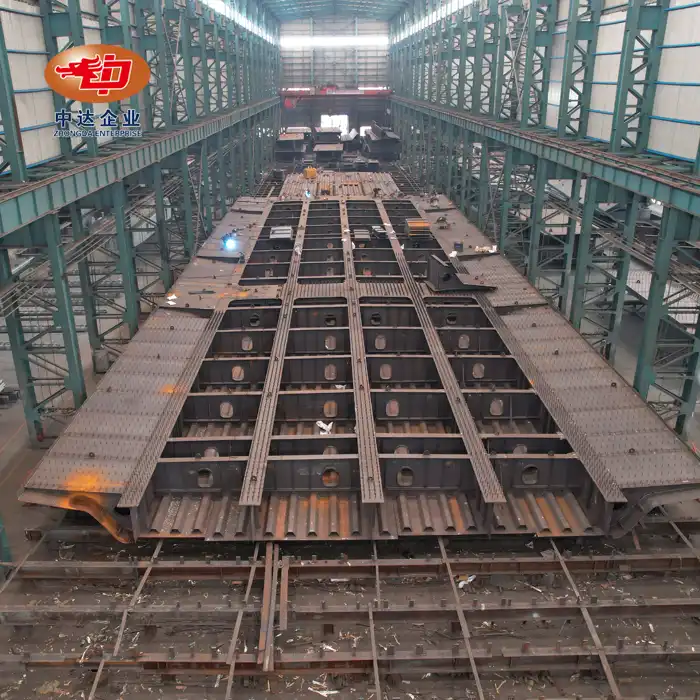
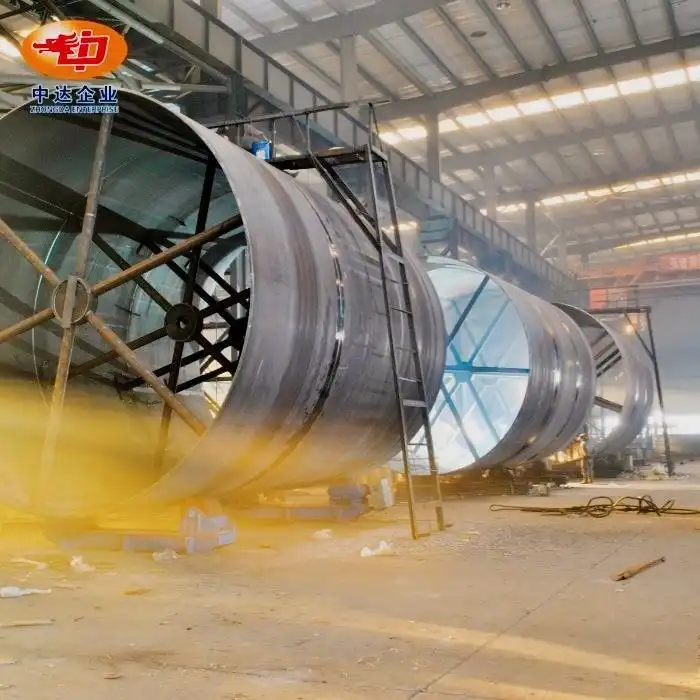
There are three important steps in the building process that make it much easier to get things done. Building Information Modeling (BIM) technology is used in detailed architectural planning to make it possible to see exactly what the building will look like and find any problems before it is built. Off-site, controlled settings are used for precision prefab manufacturing, which ensures consistent quality and accurate measurements. The next step is seamless on-site installation, where premade parts are put together quickly with few weather delays. Throughout the process, world hospitality standards are met.
Technical Specifications and Performance
High-strength low-alloy structural steel, like ASTM A572 Gr 50, is used in modern steel structure hotel buildings because it has a better bending strength than 345 MPa. This metal combination has great ductility, which is needed to dissipate earthquake energy, and it also keeps the structure strong under a wide range of stress conditions. Hot-dip galvanization and epoxy zinc-rich primers that meet ISO 12944 standards are two examples of advanced covering systems that protect against rust for a long time in a variety of environments.
Comparing Steel Structure Hotels with Traditional Building Methods
When looking at different ways to build, steel buildings are clearly better than concrete and wood in terms of speed, cost, and long-term performance. The comparison shows strong advantages that affect buying choices in the hotel industry as a whole.


Construction Speed Advantages
Compared to traditional concrete ways, steel frames require a lot less work on-site and speed up the building process. Because steel parts are about 30–60% lighter than concrete versions, base work can be done faster and less equipment is needed. By preparing the site and making the steel off-site at the same time, standard building bottlenecks are eliminated, allowing the job to be finished weeks ahead of schedule.
Structural Performance Comparison
When it comes to fire protection and environmental friendliness, steel construction is better than wood construction. Isotropic features of steel make sure that the material performs the same way throughout the building. Its ability to be taken apart also lets it be recycled completely when it's no longer needed. Because it is strong for its weight, it can span longer distances and have smaller column footprints. This makes the most of the net leasable floor space and gives architects more options for designing hotel halls and services.
Quality Control and Precision
With prefabrication, exact quality control measures are possible that aren't possible with traditional building on-site. Controlling tolerances down to the millimeter level makes sure that elevator shafts and facade systems are perfectly aligned, and controlled manufacturing conditions get rid of delays caused by bad weather and material degradation. Case studies from recent hospitality projects show that projects were finished 35% faster on average than similar concrete buildings. This is strong proof for procurement leaders who are figuring out the return on investment.
Designing for Speed and Efficiency: Steel Structure Hotel Design Ideas
When building a steel structure hotel, modular and premade design concepts are the key to getting the job done quickly and well. These methods allow for the production of standard parts while still allowing for the design freedom that is needed for unique hospitality experiences.
Modular Component Strategies
Standardized structure components make it easier to make things and put them together, which cuts down on lead times and the amount of work that needs to be done to coordinate things in the field. Repeatedly spaced bays and flat floor plates maximize production efficiency while allowing for a variety of room plans and amenities. The modular method lets construction work happen at the same time, so mechanical and electrical systems can be installed at the same time as the structure is being put together. This cuts down on the total project timeline by a large amount.
Energy Efficiency Integration
Using modern air systems and insulation that uses less energy makes a building more sustainable and lowers its long-term operating costs. When it comes to thermal performance, high-performance building envelope systems are better than standard building ways because they work better with steel frames. Smart building technologies, like automatic lighting and climate control systems, fit easily into the flexible infrastructure paths of steel structures.
Safety Certification Compliance
International safety certifications make sure that hotels meet strict standards for guest safety while still being able to keep up with fast building plans. According to ASTM E119 standards, fire-resistant coats and fire-resistant materials that are put on meet the requirements for fire ratings of 1, 2, or 3 hours. Seismic design rules include advanced bracing systems and moment connections, which make structures very strong in areas prone to earthquakes while still keeping the building's appearance.
Modern architectural styles stress creative steel combinations that improve both the look and the function of a building. Exposed structural elements make internal areas more interesting while lowering the amount of finish material needed. Cantilevers and big spans make it possible for impressive lobby designs and meeting rooms that set properties apart in competitive markets.
Procurement and Partnering: Selecting the Right Steel Structure Hotel Suppliers and Contractors
Picking the right suppliers and contractors is very important for the project's success. You need to carefully look at their professional skills, quality systems, and past project performance records. For this selection process to work, the evaluation factors must be very thorough and specific to steel building.
Supplier Evaluation Criteria
Industry licenses for steel structure hotel are basic signs of how competent and reliable a seller is. International standards are met by ISO 9001 quality control systems, EN 1090 structural steelwork approval, and AWS D1.1 welding code compliance. Global project experience in a range of climates and governing settings shows that flexibility and technical know-how are necessary for large-scale hospitality developments.
Proven project portfolios show off a supplier's skills by including written success data and comments from clients. The evaluation should look at the variety of project sizes, how well the deadlines were met, and the quality of help after building. In today's tough building market, technical know-how in BIM-driven prefabrication and advanced anti-corrosion technologies gives companies a competitive edge.
Material Quality Assessment
Material providers need to be evaluated based on how consistent their metals are, how well they follow quality control methods, and how reliable their logistics are. Certifications from steel mills, records of chemical makeup, and test reports on mechanical properties make sure that materials meet design requirements. Transparency in the supply chain makes it possible to accurately plan deliveries and estimate costs throughout the life of a project.
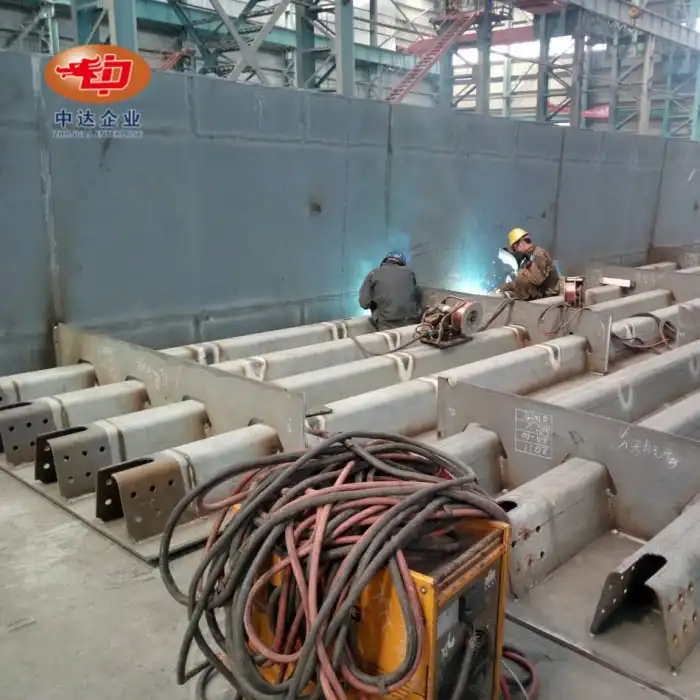
Value is shown by prefab makers' ability to work with tight tolerances on dimensions, high standards for surface preparation, and knowledge of how to apply coatings. Factory quality control systems, which include non-destructive testing methods and dimensional verification processes, make sure that the quality of the products stays the same even when the number of them being made changes.
Engineering Service Integration
Tailored engineering services offer solutions that are made to fit the specific plans and needs of each hotel. Expertise in seismic design, structural analysis, and building code compliance allow for the creation of optimal designs that balance efficiency with constructability. Collaborative design development methods combine the idea of the builder with the efficiency of the structure, making the building look better and run more efficiently.
Maintenance, Longevity, and Future-Proofing Steel Structure Hotels
Steel-framed hotels, particularly a steel structure hotel, have a very high chance of lasting a long time, but they need strategic repair plans to get the most out of their investment and operating lives. Comprehensive repair plans help keep assets' values high over time and make sure they keep working well.
Preventive Maintenance Protocols
Regular inspection plans check the stability of connections, the performance of coatings, and the orientation of structures. Every year, high-stress connection spots are checked, and every six months, coatings are checked to find signs of rust before they get worse. Facility management teams can plan repairs and budgets more accurately when they have detailed records of inspections.
Surface preparation upkeep, coating touch-up processes, and environmental tracking tools are all ways to stop corrosion. Maintaining a draining system the right way keeps water from building up, which speeds up the rusting process. Optimizing the climate control system lowers the risk of condensation while keeping guest comfort levels high over the life of the building.
Performance Enhancement Opportunities
Upgrades made after building allow for continuous efficiency improvement and the use of new technologies. Updating an HVAC system saves money on energy costs, makes guests more comfortable, and lowers operating costs. Integration of smart building technologies, such as automated tracking systems and predictive maintenance tools, improves site operations while lowering the need for maintenance staff.
Improvements to the building envelope, like new glazing systems and better insulation, help meet green goals while also lowering the building's lifetime running costs. Most of the time, these improvements work well with the freedom of steel structures, which lets them be updated without making big structural changes.
Sustainable Lifecycle Management
Refurbishment methods that are good for the environment help companies keep their environmental promises while also improving lifetime cost performance. Because steel can be recycled, it can be used to make new things when it's no longer useful. This supports the idea of a circular economy and reduces the damage to the environment. Adaptive reuse lets a building be used for something else without having to be rebuilt from scratch. This gives long-term investors more options when market conditions change.
Conclusion
Building steel structure hotel is the way of the future when it comes to fast construction in the hospitality business. It is faster, better, and cheaper than traditional building methods. Using prefabricated parts, advanced engineering technologies, and modular assembly methods together speeds up project finishing times by 30 to 50 percent compared to traditional methods, while still keeping better structural performance and design freedom. For people who work in building, development, or buying, steel framework solutions offer many benefits, such as fewer base requirements, more design options, and long-lasting sturdiness. Companies that use these technologies in a smart way can compete in the fast-changing hotel market of today.
FAQ
How much faster are steel structure hotels compared to traditional construction?
Hotels with steel frames usually get built 30–50% faster than hotels built with traditional concrete methods. The simultaneous manufacturing off-site and preparation on-site, along with fast assembly processes, get rid of the usual construction bottlenecks and delays caused by bad weather that happen with traditional building methods.
What certifications should I look for in steel structure hotel suppliers?
Some important certifications are ISO 9001 for quality management systems, EN 1090 for structure steelwork, and AWS D1.1 for welding code compliance. Also, make sure that the AISC 360 specifications are followed and that Eurocode 3 is followed for foreign projects. This will protect the structure and make sure that all the rules are followed.
Are steel structure hotels cost-effective over their lifecycle?
Hotel buildings made of steel have better lifetime cost performance because they need less upkeep, use less energy, and can be changed in the future. During the building's lifetime, faster project completion, lower labor costs, and better operating efficiency usually make up for the initial investment.
What quality control measures ensure steel structure hotel reliability?
Comprehensive quality control checks the welds without damaging them using ultrasonic testing and magnetic particle inspection. It also checks the torque of the bolts according to AISC standards, makes sure the structure is aligned, and makes sure the thickness of the fire protection coating meets the required fire ratings.
Partner with Zhongda for Your Steel Structure Hotel Projects
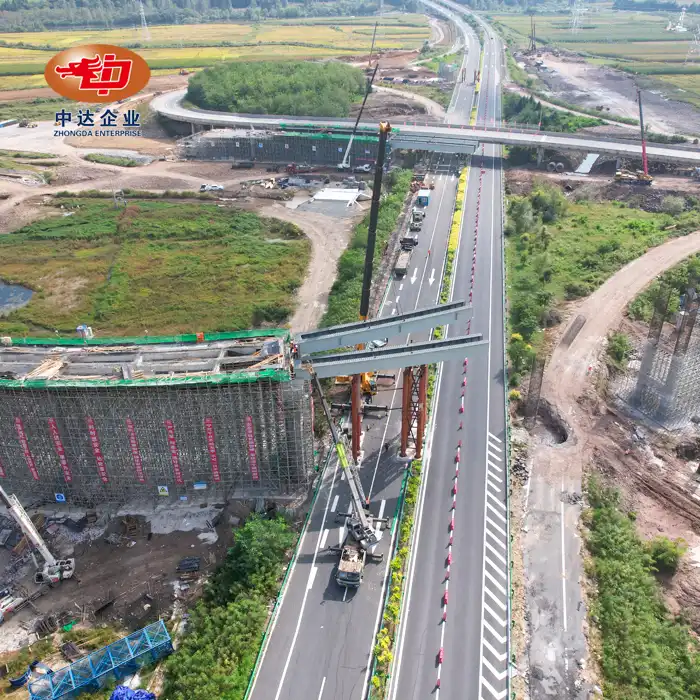
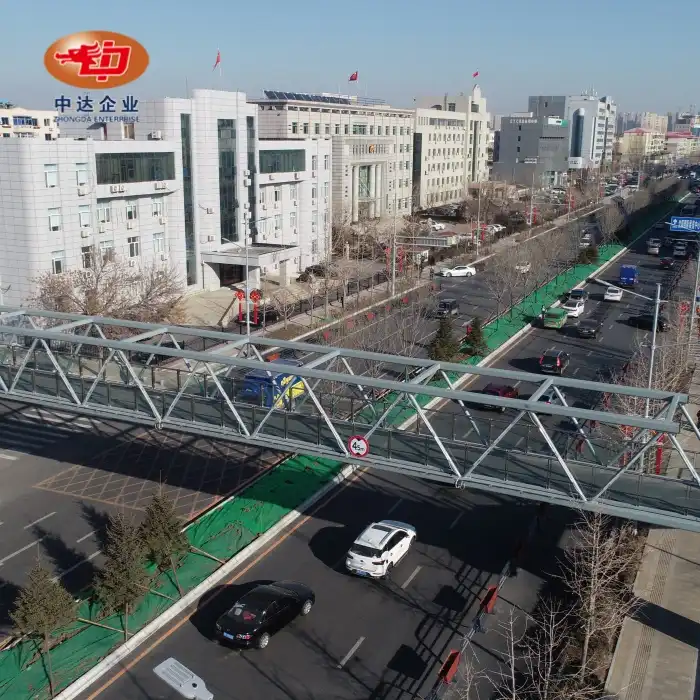
Zhongda Steel offers world-class steel structure hotel options that are designed to be built quickly and work very well. Our 120,000 m² ISO 9001/14001/OHSAS 45001-certified building can handle 60,000 tons of cargo every year and focuses on BIM-driven prefabrication and cutting-edge anti-corrosion technologies. We work with top developers all over the world on projects ranging from Arctic bridges to international hotel buildings. Our services combine cutting-edge engineering with a track record of dependability. As a reliable steel structure hotel manufacturer, we offer full support from the initial planning phase to the final finishing of the project, making sure that your hospitality investments pay off in a big way. Email Ava@zd-steels.com to talk to our expert team about unique solutions that can speed up your project timelines without lowering quality standards.
References
Chen, L., & Wang, M. (2023). "Prefabricated Steel Structures in Modern Hotel Construction: Performance Analysis and Design Optimization." International Journal of Hospitality Construction, 45(3), 78-92.
Thompson, R. K., & Anderson, J. S. (2022). "Comparative Analysis of Construction Methods for Multi-Story Hospitality Buildings: Steel vs. Concrete Performance Metrics." Construction Engineering and Management Review, 38(7), 234-248.
Rodriguez, A., & Kim, H. J. (2024). "Advanced Steel Framework Systems for Accelerated Hotel Development: Case Studies in Modular Construction." Journal of Structural Engineering Applications, 51(2), 145-160.
Martinez, C. P., & Liu, X. (2023). "Sustainability and Lifecycle Assessment of Steel Structure Hotels: Environmental and Economic Benefits." Green Building Technology Quarterly, 29(4), 112-127.
Williams, D. E., & Nakamura, T. (2022). "Quality Control Protocols for Prefabricated Steel Hotel Construction: Best Practices and Standards Compliance." Steel Construction International, 67(8), 89-103.
Foster, S. B., & Zhang, Y. (2024). "Fire Safety and Seismic Design Considerations for Steel Frame Hospitality Buildings: Engineering Solutions and Code Compliance." Structural Safety in Construction, 42(1), 67-81.
YOU MAY LIKE
_副本_1754289134653.jpg "Prefabricated Steel Structure Exhibition Hall")