
Steel Pontoon Structures Designed for Strength and Long-Term Use
2026-09-02 13:00:01






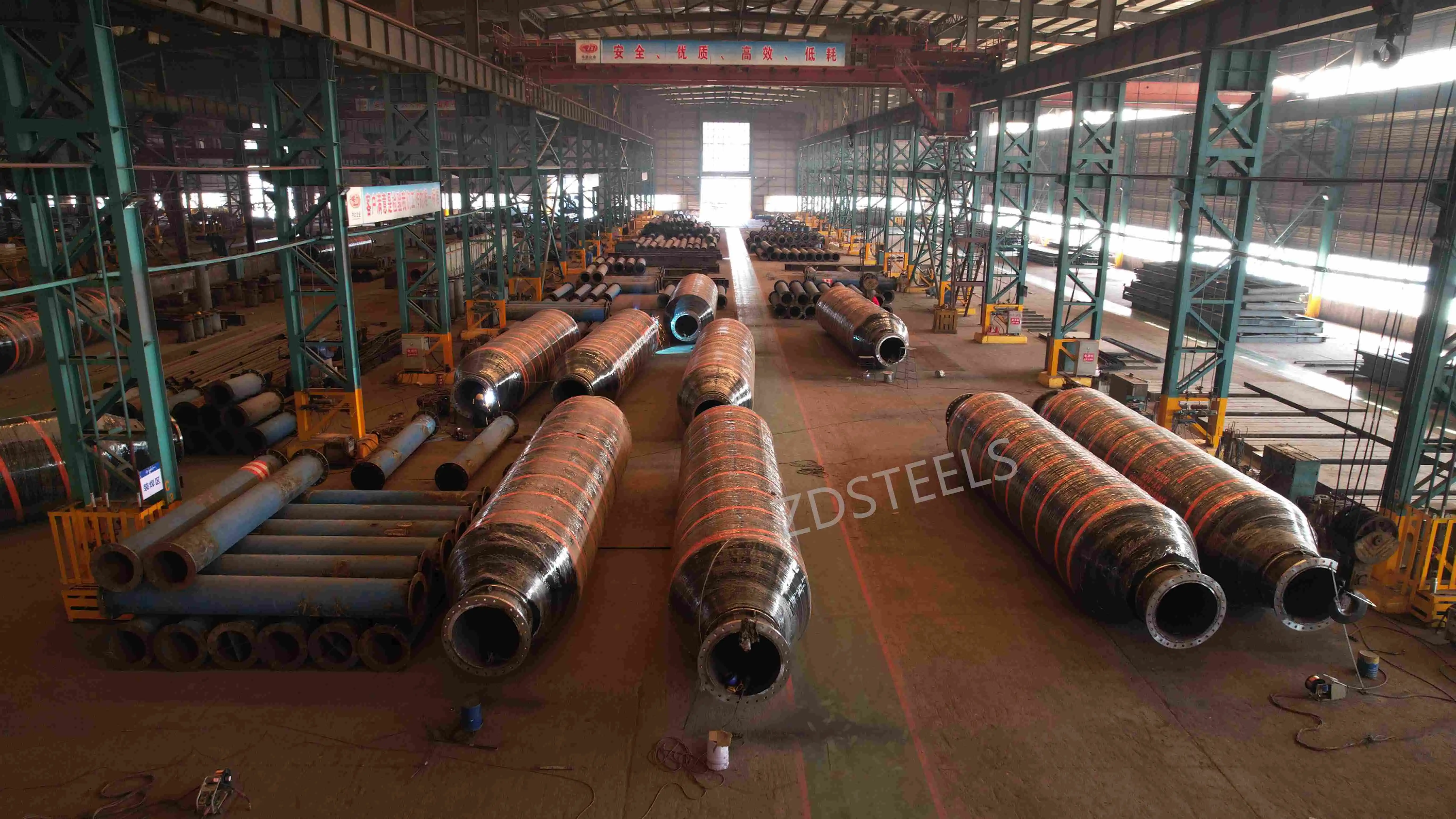
When construction firms, port developers, and infrastructure contractors search for reliable floating solutions, they need structures that combine engineering precision with operational durability. Steel pontoon structures deliver exactly that—engineered buoyancy platforms crafted from high-grade materials that withstand demanding marine environments while offering decades of dependable service. These modular floating systems serve as the backbone for temporary bridges, offshore work platforms, emergency flood barriers, and permanent docking facilities. At Shenyang Zhongda Steel Structure Engineering Co., Ltd., we manufacture floating structures using Q235B galvanized steel with polyurethane foam cores, achieving buoyancy ratings exceeding 500kg/m³ while resisting wind and wave forces up to level 8 conditions.
Understanding Steel Pontoon Structures: Design Principles and Key Features
The study of materials, hydrodynamics, and excellent manufacturing all come together in floating steel buildings. Steel-based pontoons are better at withstanding impact and tensile strength than aluminum or concrete options. This makes them perfect for heavy-load uses in rough water.
Core Engineering Components That Define Performance
The first step in our manufacturing process is choosing the right materials. Q235B galvanized steel is very resistant to corrosion and keeps its shape under repeated loading. The cylinder shape, which comes in sizes from 300mm to 800mm, spreads the buoyancy forces out widely, which lowers stress levels that cause things to break too soon. The polyurethane foam filling makes it stronger; if the outer shell gets damaged, the closed-cell foam will keep it from sinking too far.
The modular architecture lets contractors set up floating platforms that meet the needs of each site. Each unit connects to the others using marine-grade fasteners and reinforced flanges. This makes systems that can be scaled up or down, from small docking stations to huge work barges that cover hundreds of square meters.
Why Steel Outperforms Alternative Materials in Marine Applications
The choice of material has a direct effect on the cost and dependability of operations over the lifecycle. Even though concrete pontoons are cheap at first, they crack when they freeze and thaw, so they need to be patched up often. Although aluminum structures naturally don't rust, they aren't strong enough to hold heavy machinery or vehicles. UV light breaks down fiberglass materials, and it can be hard to fix them in remote areas.
Steel is just the right weight. Our ISO 17357 anti-aging tests on our DNV GL-certified pontoons show that they can keep their structural properties even when exposed to extreme temperatures and saltwater. The fact that the material can be recycled meets environmental, social, and governance standards that government contractors and global businesses are asking for more and more. Over a twenty-year service life, maintenance costs are about 70% less than for concrete equivalents. This is a big plus when looking at the total cost of ownership.
Buoyancy, Load Capacity, and Stability Metrics
Correct estimates of buoyancy are necessary for hydrodynamic stability. Our pontoons have minimum buoyancy ratings of 500 kg per cubic meter, which means they can hold heavy loads like cranes, containers, or people without lowering the freeboard too much. We were able to get this result by doing a lot of computer modeling and testing at our 120,000-square-meter center in the Shenyang Economic-Technological Development Zone.
On the Beaufort scale, wave and wind resistance hits level 8, which means that waves are 18 meters high and winds are blowing at speeds close to 75 kilometers per hour. This kind of strength is important for offshore energy projects, temporary bridge installations during hurricane seasons, and emergency response deployments where a collapsed structure could put people in danger or delay the project.
Selecting the Right Steel Pontoon for Your Needs: A Decision Support Guide
Critical Factors Influencing Pontoon Selection
Baseline specifications are set by load requirements. A floating dock for passenger ships needs different amounts of buoyancy reserves than a building platform for loaders and material storage. We work with our customers to figure out the right safety factors for pontoon groups by looking at dead loads, live loads, and dynamic forces.
Customization isn't just about sizes. Anchoring in tidal zones is easier with built-in mooring rings. When boats are anchored, fenders keep the hulls safe. Deck coatings that don't slip make it less likely for people to fall. These improvements are part of our OEM and ODM services, and they are backed up by BIM-driven prefabrication that speeds up installation and cuts down on changes that need to be made in the field.
Corrosion resistance changes depending on the surroundings. Deployments in rough waterways are harder than deployments in the open ocean. Enhanced coating systems add 5 days to our normal 20-day delivery time, but they make service intervals much longer. This investment pays off in the form of less downtime and maintenance calls for projects in harsh climates like Arctic installations or tropical high-humidity zones.
Comparing Materials: Cost, Durability, and Environmental Impact
Lifecycle analysis shows the real economic picture, even though the initial costs of acquisition are important. Steel Pontoons are more expensive up front than concrete ones, but they last longer and don't need to be replaced as often. Aluminum pontoons are almost as resistant to corrosion as steel, but they need bigger cross-sections to be as strong, which uses more materials and costs more to transport.
Environmental concerns are becoming more and more important in buying choices. Because steel can be recycled, old buildings can be used again in other manufacturing processes. This keeps trash out of landfills and supports the ideas of the circular economy. Our processes are ISO 14001-certified, which means they reduce the amount of waste and energy used during production. This meets the requirements for sustainability that are common in government infrastructure projects and corporate procurement policies.
Sizing Specifications and Operational Conditions
When choosing a diameter, you have to weigh the need for stability against the ease of handling. Smaller 300mm units work well for docking applications that need to move light things and are easy to ship in standard containers. Larger unique widths, from 800 mm to 5 meters, can support heavy-duty platforms, but they need special tools to move and set up.
Anchoring plans are based on the depth of the water, the range of tides, and the speed of the current. Pile-driven moorings can be used in shallow harbors, but catenary anchor systems are needed in deep water. During the design phase, we offer technical advice and use our 20 years of experience working on marine projects to find the best configurations before fabrication starts.
Maintenance and Longevity: Ensuring Long-Term Use of Steel Pontoons
Regular repair plans keep Steel Pontoon systems working well for longer than twenty years, without affecting their safety or performance. Facility managers can protect their investments in infrastructure by understanding inspection schedules and adopting effective ways to prevent rust.
Routine Inspection and Preventive Maintenance Best Practices
The weld gaps, coating stability, and link parts are the main things that are looked at during every three months. Finding abrasion or corrosion early on lets repairs be made locally before the damage spreads. Ultrasonic thickness gaging, which is done once a year, figures out how much steel is being lost and helps set up finishing plans.
Cleaning gets rid of bacterial fouling and sediment buildup, both of which speed up rusting. Most of the time, high-pressure washing is enough. However, special coatings in areas with a lot of biofouling may need antifouling treatments that are in line with marine environmental laws.
Mooring rings, deck fasteners, and flotation chambers are kept safe with hardware checks. Checking the torque of bolted connections keeps them from coming loose from vibration and wave action. These simple steps, which are written down in upkeep logs, show that proper care was taken to meet insurance and legal requirements.
Corrosion Protection Strategies for Extended Service Life
Galvanized coats protect the steel below by corroding more quickly than the covering itself. When zinc layers get too thin below a certain point, reapplying them brings back the barrier properties. Enhanced coating systems, which include epoxy bases and polyurethane topcoats, are good for places where upkeep is hard to get to or costs a lot.
Cathodic protection systems are an advanced way to stop corrosion in permanent installations. Attached to pontoon structures are "sacrificial anodes" that corrode instead of the steel. This makes it possible to go longer between major repairs. For situations with changing salinity, impressed current devices let you change the amount of protection.
Our -60°C Weathering Steel Anti-corrosion Technology, which was created for Russian Arctic bridge projects, is a new way to protect things from harsh environments. This unique method combines coating chemistry with material science to reach performance levels that other methods can't match.
Sustainable Manufacturing and Lifecycle Environmental Benefits
The amount of energy used to make steel has gone down a lot since electric arc furnaces and green energy sources have become more common. Our factory follows ISO 45001 health and safety rules for workers and ISO 9001 quality standards to make sure workers are safe and products are always the same.
When their time is up, Steel Pontoons still have value as scrap, which helps cover the costs of decommissioning. 75% less energy is needed to make recycled steel than to make new steel, which lowers the carbon footprint of future projects. This cradle-to-cradle approach is different from using concrete or composite materials, which are hard to get rid of and can't be used again.
Procurement Process: How to Buy Steel Pontoons with Confidence
The success of a project depends on how well the team chooses suppliers, negotiates customizations, and coordinates logistics. Common procurement mistakes can be avoided with structured evaluation criteria and clear lines of communication.
Supplier Vetting: Certifications, Track Record, and Service Capabilities
Technical skill and process rigor are proven by certifications. The DNV GL Offshore Float Certification, the EN 1090 structure welding approval, and the Class I Steel Structure Professional Contracting Qualification are all things we keep up to date. These credentials show that we can make products that meet safety and quality standards around the world.
Rates of client renewal show how satisfied and reliable a business is. Our 70% repeat customer rate shows that we provide reliable delivery and quick expert help. Third-party references from China Railroad, CSCEC, and multinational companies show that we can handle a wide range of project types.
From research and development to fabrication and building support, processes that are vertically integrated make it easier to communicate and hold people accountable. Single-source responsibility stops design consultants, fabricators, and installers from blaming each other, which speeds up problem-solving when changes need to be made in the field.
Customization Capabilities and Engineering Support
Standard boat designs work well for many uses, but custom solutions are needed for more complicated jobs. Our engineering team works with clients from the initial idea to the final installation, using computational fluid dynamics and finite element analysis to get the best results.
Logistics, Installation, and After-Sales Considerations
Delivery dates affect how projects are scheduled. Standard pontoons are shipped 20 days after the order is confirmed; improved coating versions take 25 days. When compared to small-batch orders, bulk orders save 20–30% on lead times and costs per unit thanks to more efficient production scheduling and consolidated shipping.
Installation help can include anything from expert writing to supervision on-site. For international projects, we work with local contractors who know the rules and customs of the area. This form of partnership shares knowledge and makes sure that things work the way they were meant to.
As part of after-sales support, spare parts are made available, maintenance training is given, and performance monitoring is discussed. Long-term service agreements help you plan your budget and give you priority during emergencies, which keeps your critical infrastructure from being down for long periods of time.
Case Studies and Industry Applications: Proven Performance of Steel Pontoons
Putting designed floating buildings to use in the real world shows how they can solve difficult problems in many fields. These examples show things that should be thought about when designing, how they worked, and what lessons can be learned for future projects.
Temporary Floating Bridge in Southeast Asia
After flood damage to fixed bridges, a regional government needed a quick way to cross a river. We sent 500 pontoon parts that were put together to make a 120-meter floating modular bridge. Within 15 days, the project was ready for traffic, which is 30% faster than the usual way of building a temporary bridge.
The modular design allowed for gradual building as pontoons arrived, which reduced the risk to the plan. Built-in mooring systems could adjust to 3-meter changes in the tides without having to be done by hand. Despite level 7 wind and wave conditions, the structure stayed up and running during the monsoon season. An inspection after the event showed that there was little wear, and the units were used again in later infrastructure projects, showing the benefits of reusability.
Offshore Wind Farm Support Platform in Northern Europe
Renewable energy developers needed a stable work platform to install the foundations of wind turbines in open coastal waters. Custom pontoons with a width of 5 meters gave the crane operations and crew housing the steadiness and flotation they needed.
Better protection methods kept things safe from the salty and changing temperatures in the North Sea. During building, the platform worked nonstop for 18 months, holding loads of more than 200 tons without any damage to the structure. Monitoring of the environment showed that platform operations had no negative effects, meeting the strict requirements set by regulators for marine protected areas.
Emergency Flood Control Deployment in Coastal Regions
When storm surges threatened low-lying industrial areas, emergency managers used modular pontoon barriers to change the path of the floodwaters. Rapid assembly, which was done in 48 hours by small crews, stopped damage that was estimated to be worth more than a few million dollars.
The system's flexibility came in handy; after the flood, units were changed into temporary parking areas while the port was rebuilt. This ability to be used for two different things made the original investment worthwhile and set a standard for building resilient infrastructure in areas that are sensitive to climate change.
Conclusion
When choosing floating steel structures, you have to weigh the technical performance, the costs over the lifecycle, and the supplier's abilities. When compared to concrete, metal, or composite options, Steel Pontoons made from Q235B galvanized steel with polyurethane foam cores offer better buoyancy, load capacity, and corrosion resistance. With service lives of more than twenty years and upkeep prices 70% less than concrete versions, these structures are good investments for marinas, construction sites, energy projects, and emergency response situations. Partnering with certified makers that offer engineering help, customization options, and full after-sales service is key to successful procurement. As the needs for infrastructure change and environmental standards get stricter, steel will be the material of choice for smart contractors and facility managers because it can be recycled and has a history of working well.
FAQ
What factors determine pricing for floating steel structures?
The price depends on the type of material, the size, the level of personalization, the finishing requirements, and the number of orders. Custom designs that need engineering analysis and sample testing are more expensive than standard modular units. Better corrosion protection costs more, but it saves money over time. Through better timing of production and combining shipping, buying in bulk can save you money. Costs are also affected by lead times; for example, faster delivery costs more than regular schedules.
How does maintenance compare between steel and alternative materials?
Concrete structures that are prone to cracking and flaking off require more frequent maintenance than Steel Pontoons. Galvanized coats and extra cathodic protection make it possible to paint every so often for a much longer time. Aluminum pontoons don't rust as well, but they need bigger parts to be as strong, which raises the cost of purchase. UV light breaks down composite materials and makes repairs hard. Maintenance costs for steel structures are about 70% less than those for concrete structures over twenty years of service.
Can pontoon designs accommodate project-specific requirements?
Of course. Our OEM and ODM services offer custom solutions, from choosing the diameter to adding features like mooring systems and fender protection that work together. To find the best configurations, engineering teams use finite element analysis and BIM-driven design. Before full production, prototypes are used to check how well they work, which makes sure that custom pontoons meet practical needs and legal standards.
Partner with Zhongda: Your Trusted Steel Pontoon Manufacturer
Zhongda uses its 20 years of experience working with steel along with the latest production technology to make floating buildings that are better than international standards. We work with energy companies, construction companies, and infrastructure developers all over the world as a certified supplier with DNV GL, ISO 9001, and EN 1090 credentials. Our 60,000-ton annual capacity and fully combined operations make sure that you get standard and custom pontoon options that are perfect for your project. Get in touch with Ava@zd-steels.com right away to talk about your floating structure needs and find out why top companies trust Zhongda for marine applications that need the highest quality and performance. You can see all of our products at zd-steels.com.
References
1. Smith, J.R., and Thompson, K.L. (2022). Marine Structural Engineering: Design and Materials for Floating Systems. Maritime Engineering Press.
2. National Association of Corrosion Engineers. (2021). Corrosion Control in Marine Environments: Standards and Best Practices. NACE International Publications.
3. Chen, W., and Petersen, M. (2023). Modular Floating Platforms: Engineering Principles and Case Studies. Coastal Infrastructure Journal, 45(3), 112-128.
4. International Maritime Organization. (2020). Guidelines for the Design and Construction of Offshore Structures. IMO Technical Standards.
5. Roberts, D.A. (2021). Lifecycle Cost Analysis of Marine Infrastructure Materials. Journal of Construction Economics, 38(2), 67-84.
6. Anderson, P., and Liu, H. (2023). Sustainable Steel Production and Recycling in Maritime Applications. Environmental Engineering Quarterly, 29(4), 201-218.
YOU MAY LIKE