
Why Do Engineers Select Steel Box Girder for High-Load Bridge Projects?
2026-09-02 13:00:01






Engineers select steel box girders for high-load bridge projects because these structures deliver unmatched torsional rigidity, exceptional strength-to-weight ratios, and superior load distribution across long spans. The fully welded hollow box configuration provides optimal structural efficiency, outperforming traditional I-beams in resisting bending moments and lateral forces. With customizable cross-sections ranging from 1.25m to 8m and the capability to span up to 420 meters, these girders meet the exacting demands of modern infrastructure while reducing construction time by approximately 50% through prefabrication methods.
Introduction
For modern infrastructure development to work, structural solutions must strike a balance between safety, efficiency, and the ability to make money. In bridge building, picking the right girder system has a direct effect on the success of the project, from the quality of the original design to how well it works for decades. Steel Box Girders have become the most important part of modern high-load bridge building, changing how engineers build river crosses, highway growth, and rail transit systems.
This guide tells procurement managers, civil engineering companies, government contractors, and EPC experts everything they need to know about why these structural elements are the most common in difficult bridge applications. We look at the technical benefits, production issues, and long-term advantages of Steel Box Girders that make them the best choice in many building areas. Whether you're in charge of a business building that needs to hold a lot of weight or a public project that has strict safety rules, knowing about these frame systems will help you make smart decisions throughout the project's lifecycle.
Understanding Steel Box Girders and Their Engineering Significance
Structural Configuration and Design Principles
Steel Box Girders have hollow, usually rectangular or trapezoidal cross-sections that create rooms inside the structure that are sealed off. This arrangement is very different from open sections like I-beams; it creates a closed cell that resists torsional loads very well. The shape spreads pressures evenly throughout the structure, preventing stress clusters that could cause it to fail too soon.
There are single-cell and multi-cell versions of these girders, and each one is designed for a certain span length and load capacity. Single-cell designs work best for moderate spans and easier fabrication processes. Multi-cell designs, on the other hand, can handle heavy loads over longer distances. The sealed box shape also makes it easy to enter for inspections and add utilities, which adds value beyond just structural performance.
High-Strength Materials and Manufacturing Standards
Choosing the right materials is the first step to making great products. Premium Steel Box Girders are mostly made of Q345D grade steel, which has a minimum bend strength of 345 MPa and better low-temperature hardness. Q420D steel is used in high-stress areas and critical connection points because it gives even greater strength margins for demanding applications. This smart allocation of materials improves efficiency while keeping costs low.
CNC ultra-thick plate cutting technology is used in the production process to achieve exact tolerances of ±0.2mm, which ensures that everything fits perfectly when it is put together. Automated welding lines make full-penetration welds that are uniform across the whole box section. This makes structures that are solid and don't have any weak spots. At every stage of production, strict quality control measures are used, such as ultrasonic testing, X-ray examination, and dimensional verification. Following the rules set by ISO 9001, EN 1090, and AWS makes sure that the finished girders meet the international requirements needed for projects that span borders and work with people from other countries.
Load Distribution and Structural Behavior
The most important thing about box girders in engineering is how well they distribute loads. When vertical loads are put on the closed part, the top and bottom flanges stop it from bending, and the vertical webs pass shear forces. This unified behavior makes the structure more efficient than open parts that aren't connected.
Longitudinal stiffeners placed in the box in a planned way improve local buckling resistance and make the best use of the material. With these reinforcements, engineers can ask for thinner plate sections without lowering the strength, which lowers the overall weight while keeping the capacity the same. When lines are bent or loads are applied in an eccentric way, the rotational stiffness of box sections is very useful. This is because open sections would need a lot of bracing systems.
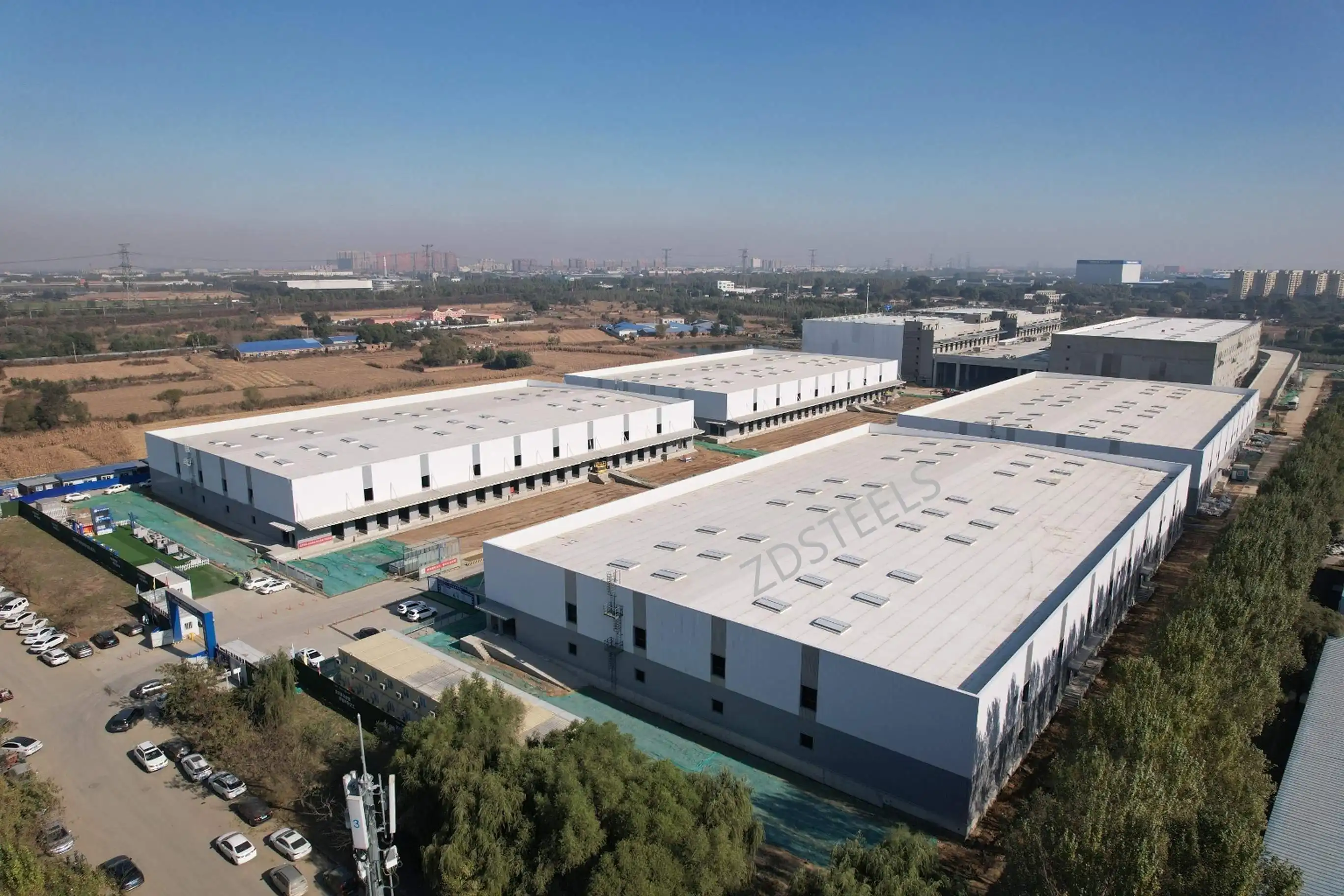
Why Steel Box Girders are Preferred for High-Load Bridges
Superior Strength-to-Weight Performance
Many engineering choices about building bridges are based on how much weight something can hold, and Steel Box Girders are great at this important measure. The enclosed design makes it very stiff compared to its weight, which lets it have longer spans with fewer supports in the middle. This benefit directly leads to lower foundation costs and easier building in rough terrain or where there are waterways.
This benefit is made even better by more modern foldable web designs. Engineers can cut the weight of their designs by up to 20% compared to standard flat-plate designs by adding controlled geometric variations to the vertical webs. This new idea keeps the bending strength while getting rid of material that doesn't help the structure work very well. The weight savings get bigger as the project gets bigger. For bridges that span hundreds of meters, this means big savings on materials and easier logistics for putting them up.
Exceptional Durability and Fatigue Resistance
When money is spent on infrastructure, it needs to work reliably for decades, often in harsh conditions. Steel Box Girders meet this need because of the way the material is made and how it is treated to protect it. Even after millions of cycles of heavy traffic, the high-strength steel grades don't start to crack from fatigue. Enclosed parts keep important internal surfaces from coming into direct contact with the weather, naturally protecting them from damage.
In harsh environments, double-layer anti-corrosion systems make things last longer than 30 years. Most of the time, these treatments include hot-dip galvanizing or special coating systems that provide extra defenses against chemical and moisture damage. The strategy for protection works especially well in coastal areas, polluted industrial areas, or places that go through freeze-thaw cycles. Maintenance cycles are much longer than with other options, which lowers lifetime costs and the amount of time that inspection and repair work takes away from traffic.
Proven Performance in Landmark Projects
Real-world uses show that Steel Box Girders are better than other types of beams in a variety of situations. The 18,000-ton Shenyang Dongta Cross-Hunhe River Bridge shows how well they can do in big urban crossings, where cost-effectiveness and dependability were very important. The Jingha Expressway expansion used prefabricated segments to allow for quick deployment, which cut project timelines by a large amount while still meeting strict quality standards.
International uses show how versatile they are even more. For Russian Arctic bridge projects, the materials had to be able to keep their shape at very low temperatures. Steel Box Girders made of the right grades of metal worked perfectly. Heavy equipment was constantly going through these buildings as part of Australian mining infrastructure projects, which proved that they were resistant to wear. Vietnamese industrial progress showed that they could work in humid, hot conditions that are prone to rusting. In these case studies, we can see that standards lead to operating success in a variety of temperature zones and loading situations.
Comparative Evaluation: Steel Box Girders Versus Alternative Solutions
Performance Analysis Against Concrete Box Girders
A classic option is the use of concrete box girders, especially for certain span ranges and architectural settings. By comparing these choices, you can see that each one has different pros and cons that affect the project requirements. Steel versions can be built much more quickly because they are prefabricated in the factory. Sections measuring 12 to 30 meters are sent out ready to be put together in the field, which is faster than the time it takes to cast concrete. This speed advantage often makes the difference when funding cycles or construction windows are limited by time constraints.
Because it is lighter, steel is clearly the best choice. For the same load capacity, a lot more concrete is needed, which makes foundations more important and makes shipping more difficult. Steel's strength-to-weight advantage grows as span lengths go up, which means that steel is often the only option for structures that go beyond certain distances. Different materials also have different dynamic response characteristics. For example, steel's elasticity makes it more flexible under seismic loads, while concrete's rigidity may make it easier for forces to reach substructures.
Lifecycle cost analysis needs to look at more than just the prices of the materials at the start. Steel's prefabrication cuts down on the need for on-site labor and delays caused by bad weather. The lighter weight drops the cost of the base. Faster construction cuts down on financing costs and speeds up the time it takes for toll facilities to start making money. With the right rust protection, maintenance times get longer, but supporters of concrete say that it is naturally resistant to corrosion. When looking at the total project economics, detailed project modeling usually shows that the differences in the initial costs of materials get smaller.
Advantages Over Traditional I-Beam Configurations
I-beams have been used to build bridges for a long time, but their open section geometry makes them limited in ways that box girders can't. Torsional resistance is the best example of this difference. I-beams need complex lateral support systems to keep them from turning when they are under eccentric loads or while they are being built. Box parts are naturally stiff against twisting, so they don't need extra bracing very often. This makes things easier by cutting down on the amount of steel used, the complexity of the construction, and the number of field connections that could go wrong.
In open areas with a lot of wind, aerodynamic behavior is very important. The enclosed box design has a stable shape that is less likely to be affected by wind-driven vibrations that can happen in some I-beam setups. This stability makes the user more comfortable and extends the life of the structure by keeping it from getting worn out from oscillating motion. The box shape also protects the inside for inspections, utility routing, and drainage systems, which is something that I-beam bridges can't do without external attachments.
Procurement Considerations for Steel Box Girders
Supplier Capabilities and Certifications
Certification portfolios show how committed a company is to meeting foreign standards. ISO 9001 certification proves that quality management systems work, and ISO 14001 certification shows that companies care about the environment, which is becoming more and more important in public procurement. The EN 1090 certification is very specific about the skills needed to make structural steel that are needed in European markets and on projects that use European codes. For structural integrity, AWS certification proves that the welding process meets important standards. Class I Steel Structure Professional Contracting Qualifications show that the person can work on big, complicated projects that need advanced engineering help.
Production capacity has a direct effect on the viability of a project. The industrial scale needed for big infrastructure projects is shown by annual output measured in tens of thousands of tons. Manufacturing plants that are bigger than 100,000 square meters and have separate lines for cutting, welding, putting things together, and coating show that the infrastructure is there to support on-time delivery. When projects need hundreds or thousands of tons of girders in a short amount of time, these skills become very important.
Customization Capabilities and Engineering Support
Standard store items don't usually work with bridges that have special shapes and loads. Leading suppliers let you make a lot of changes by using different cross-section designs and beam heights that can be changed from 1.25m to 8m to fit the needs of the structure along the span. This optimization lets materials go exactly where they're needed, getting rid of extra weight in areas with lower stress while still providing enough capacity in key areas.
Building Information Modeling is being used more and more in modern procurement. Suppliers that offer BIM-based design services make it easier for structural engineers, architects, and construction schedulers to work together smoothly. Three-dimensional models find possible problems before they are made, which keeps expensive changes to the field from being needed. Digital workflows also make it easier to get approvals, cut down on mistakes in documentation, and make records of what was built that are useful for facility management.
Premium providers are different from commodity vendors because they offer technical help throughout the entire project lifecycle. Working together as a team during the basic design stage helps make sure that frame configurations are the most cost- and time-effective ways to build. During fabrication, questions are quickly answered by technical contacts who are easy to reach, which keeps production from being held up. Field help during the construction phases makes sure that the structure is handled and installed correctly, which protects the guarantee and the structure's performance. With this partnership approach, procurement goes from being a one-way transaction to a working relationship that helps the project succeed.
Quality Assurance and Delivery Logistics
Inspection procedures make sure that goods made from materials meet the requirements. In thorough testing programs, measurements are checked, the quality of the weld is checked using ultrasound or X-rays, the material's certification is checked, and the thickness of the coating is confirmed. Third-party inspection services provide impartial checks that are important for following through on agreements and building trust among stakeholders. Traceability is important for getting regulatory approvals and planning future maintenance. Documentation packages with material test reports, weld procedure specifications, and inspection records make this possible.
Because of their size and value, bridge girders need to be carefully packed and moved. Damage that happens during handling and transport can be avoided by using safe materials and secure packing. Specialized transportation equipment can handle loads that are too big for regular vehicles, even when there are limits on the route or permit requirements. The delivery schedule needs to match the construction schedule so that parts arrive when they're needed without causing traffic on the site or needing to be stored for longer periods of time. Flexible delivery options can be used to work around the needs of each project, even if access is limited in cities, the location is far away, or the installation window depends on the weather.
Future Outlook and Innovations in Steel Box Girder Technology
Sustainable Manufacturing and Materials
As sustainability requirements change public policy and business goals, environmental duty plays a bigger role in buying infrastructure. New technologies in steel manufacturing use less energy and contain more recycled materials, which lowers the company's carbon footprint. When you use high-strength grades, you can cut down on materials in ways that are better for the environment per unit of structural capacity. End-of-service recyclability makes sure that bridge materials are reused in other industries instead of ending up in landfills.
As coating technologies improve, they move toward formulas that are better for the environment, have fewer volatile organic chemicals, and are easier to use. During application and service life, these systems keep up their protective performance while reducing the amount of pollution they release into the environment. More and more, life-cycle assessments are used to choose materials. These studies look at things like embodied energy, transportation impacts, maintenance needs, and the environmental benefits of recycling after many years of use on a bridge.
Smart Infrastructure and Predictive Maintenance
Sensors are built into bridge frames as part of structural health tracking systems. These sensors measure pressure, vibration, temperature, and environmental factors all the time. Data analytics find performance trends and pick up on small changes that happen before major problems happen. With this ability to predict the future, maintenance can go from fixing things as they break in an emergency to planning fixes ahead of time to save money and time.
Steel Box Girders are a good way to hold tracking technology. Internal access lets you put sensors in important places where they will be safe from damage while mounting and wiring are kept safe. The enclosed geometry protects instruments from the weather, which can damage sensors in open structures. As infrastructure agencies move toward digital asset management, bridges with monitoring features provide operational data that helps make decisions about how to allocate resources across the whole network.
Advanced Design Methods and Construction Techniques
Computational power makes improvement possible, which wasn't possible with human math. By looking at thousands of different design options, parametric modeling finds the setups that use the least amount of material while still meeting all performance requirements. Complex behaviors, such as the interaction between soil and structure, the response to earthquakes, and the resistance to progressive collapse, can be captured by advanced finite element analysis. With these tools, engineers can confidently describe frame systems because they have been through a lot of virtual testing.
Modular building methods take advantage of the prefabrication benefits of steel. More and more large segments are put together in controlled factories and then shipped to sites where they can be quickly installed. This method works especially well in crowded cities or areas that are sensitive to the environment and need to have as little construction disruption as possible. Accelerated bridge construction methods use prefabricated girders and new foundation systems to finish installations on the weekends, when they used to take months and require long detours.
Conclusion
Steel Box Girders are an example of how material science, precise manufacturing, and new ideas in structural engineering can work together. Their dominance in high-load bridge uses comes from clear benefits in how well they work, how quickly they can be built, and how long they last. Its fully welded hollow design gives it torsional rigidity and load distribution that other options can't match. High-strength steels like Q345D and Q420D provide capacity margins that are important for safety and longevity. Customization options that include cross-sections of different sizes up to 8 meters high and spans of up to 420 meters make it useful for a wide range of project needs. Prefabrication techniques cut in half the time needed for building in the field, which speeds up project delivery while still meeting high-quality standards. With the right anti-corrosion protection, these structures will last for more than 30 years, giving you a lot of value over their whole working life.
FAQ
What load capacities can steel box girders handle?
Steel Box Girders can hold very big loads thanks to high-strength steel types and the best way to distribute the material. Capacity is based on the length of the span, the cross-sectional size, and the material requirements. Most highway bridges are designed to handle loads that meet HS-20 or HL-93 standards. However, some industrial or rail bridges are designed to handle loads that are more focused and exceed these standards. The bending moments, shear forces, and displacement limits that are unique to each project are used by engineers to figure out the capacity. When systems are properly built, they can handle heavy truck traffic and rare overweight passes for decades.
How does customization work for unique project requirements?
Customization starts in the early stages of planning, when engineering teams look at the limitations and performance needs of the individual project. Variable cross-section designs let you change the height of the beams from 1.25m to 8m along the span, which helps you place materials more efficiently. When used correctly, corrugated web options cut weight by 20%. Details of connections change depending on the shape of the substructure and how it is put together. Anticorrosion systems adapt to the environment. For example, coastal areas get better protection than dry inland areas. Integration of BIM makes sure that custom designs work well with project documentation and the order of construction.
What maintenance do these structures require?
With the right starting protection measures, maintenance needs will stay low. Regular checks look at the condition of the coating, the strength of the connections, the drainage system's ability to work, and any signs of damage. Depending on the environment and the amount of traffic, inspections are usually done every two to five years. Coating touch-up fixes small flaws before the steel underneath is exposed. The enclosed box design covers the inside surfaces, so repair workers can focus on the outside. Comprehensive anti-corrosion systems make maintenance intervals much longer than for steel that isn't protected, which lowers lifecycle costs and delays in traffic.
Partner with Zhongda for Your Next High-Load Bridge Project
Shenyang Zhongda Steel Structure Engineering Co., Ltd. is ready to be your go-to Steel Box Girder manufacturer for tough infrastructure projects. Since we started in 2004, we've sent over 60,000 tons of carefully designed and built structures to clients in China Railroad, CSCEC, BMW, and other countries on six continents. Our 120,000 m² building has our own -60°C Weathering Steel Anti-corrosion Technology, CNC ultra-thick plate cutting with a ±0.2mm accuracy, and designs that are driven by BIM. We've shown what we can do on big projects like Arctic bridges in Russia and mining structures in Australia, consistently cutting project timelines by 20 to 30 percent. Email Ava at Ava@zd-steels.com to talk about your needs and find out how our outstanding engineering turns infrastructure dreams into reality. You can look at all of our Steel Box Girder options at zd-steels.com.
References
1. Chen, B., & Wang, T. (2019). Advanced Design and Construction of Long-Span Steel Box Girder Bridges. Beijing: China Communications Press.
2. American Association of State Highway and Transportation Officials. (2020). AASHTO LRFD Bridge Design Specifications (9th ed.). Washington, DC: AASHTO.
3. Taly, N. (2017). Highway Bridge Superstructure Engineering: LRFD Approaches to Design and Analysis. Boca Raton: CRC Press.
4. Xanthakos, P. P. (1995). Bridge Strengthening and Rehabilitation. Upper Saddle River: Prentice Hall.
5. Troitsky, M. S. (1987). Orthotropic Bridges: Theory and Design (2nd ed.). Cleveland: James F. Lincoln Arc Welding Foundation.
6. European Committee for Standardization. (2006). Eurocode 3: Design of Steel Structures – Part 2: Steel Bridges (EN 1993-2). Brussels: CEN.
YOU MAY LIKE