
Why Choose Steel Arch Bridges for Urban Crossings and Heavy Traffic Infrastructure?
2026-08-24 13:00:01






Urban infrastructure faces unprecedented challenges today. Growing populations, heavier traffic loads, and tighter construction timelines demand solutions that balance strength, speed, and sustainability. Steel arch bridges answer these challenges with remarkable efficiency. Combining elegant architectural form with engineering precision, these structures excel in supporting heavy traffic while adapting to the spatial constraints and environmental demands typical of modern cities. Their inherent structural advantages—exceptional load distribution, rapid installation, and long-term durability—make them the preferred choice for municipalities, contractors, and developers seeking reliable urban crossing solutions that perform under pressure.
Understanding Steel Arch Bridges in Urban and Heavy Traffic Contexts
Structural Principles That Define Performance
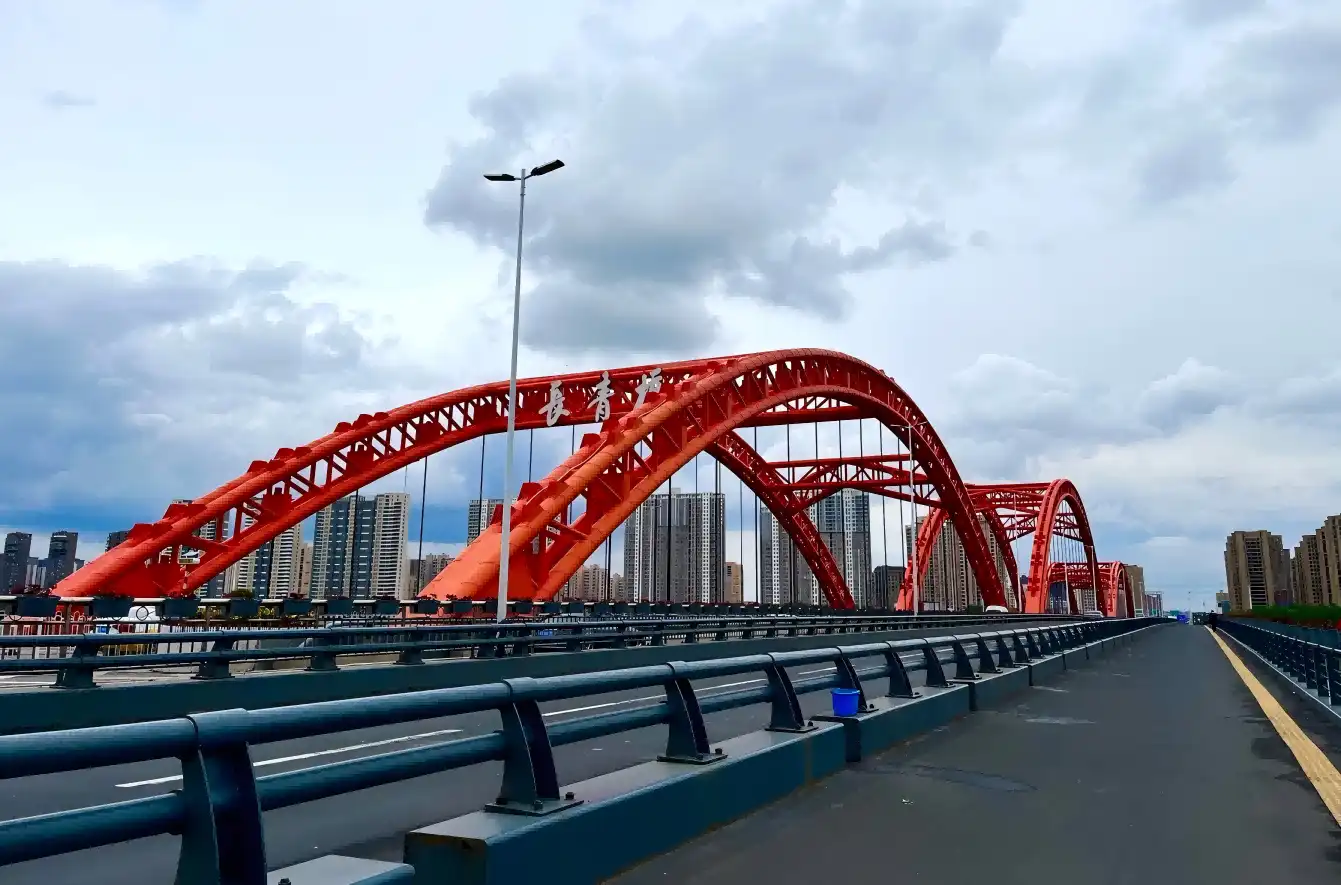
At their core, Steel Arch Bridges work by moving loads from up high to down low across curved parts, turning downward forces into compression stresses along the arch. Because of this basic process, these buildings can span long distances without losing their strength. Weight is naturally spread along the whole length of an arch, so less material is needed than for beam-type designs. This makes building lighter and cheaper without lowering the load capacity.
Types and Applications in Urban Settings
In cities, there are two main types of arches that work well: fixed arches, where the structure is tightly attached to the supports at both ends, and tied arches, which use tension members to keep horizontal thrust in check. Fixed arches work well on riverbanks where the bedrock is strong, while tied arches are great when the base conditions aren't consistent, or there isn't enough room for wide footprints. Both types can handle multiple lanes of traffic, transit systems, and walking paths, so they can meet a wide range of transportation needs in cities while still preserving the surrounding development.
Engineering Advantages for High-Demand Environments
Cities need infrastructure that can handle the constant stress of heavy vehicles, changes in temperature, and exposure to the elements. The natural rigidity of arch geometry makes it more stable under dynamic loads, so it doesn't bend or shake even when traffic is heavy. This security directly leads to longer service life and lower upkeep costs, which are very important when infrastructure needs to be up and running 24 hours a day, seven days a week, without long closures that slow down business and travel in cities.
Advantages of Steel Arch Bridges Over Alternative Structures
Material Superiority and Construction Speed
When compared to concrete or mixed materials, steel is the most flexible. Because it is strong for its weight, it can support longer spans with fewer support piers. This cuts down on foundation work and the damage it does to the environment. With prefabrication, large parts can be sent ahead of time and are ready to be put together, which greatly reduces the time needed for construction on-site. If you use Q420qE high-strength steel in your project, like Zhongda's advanced arch systems, you can finish it faster and still meet strict safety and performance standards. Our stentless rotation building technology has been used to build bridges that can hold up to 8,000 tons. This is an example of how new ways of making things cause less damage to cities.
Durability and Lifecycle Economics
During a bridge's useful life, maintenance costs add up to a lot. When properly protected, steel structures are much better at resisting corrosion and wear than many other options. We use advanced surface treatments, like the 150μm aluminum spray finish and fluorocarbon topcoat that meet GB/T 30790 C5M standards, to make things last longer between services and lower long-term costs. Predictive maintenance is possible with inspection systems that have more than 200 sensors. These sensors find potential problems before they become dangerous or cost a lot to fix.
Environmental and Sustainability Considerations
Sustainability is becoming more and more important in modern city planning. Steel can be recycled and used again and again without losing any of its quality, which is in line with the circular economy and green building standards. When compared to cast-in-place concrete options, construction makes less waste, and shorter installation periods cut down on traffic jams and pollution from construction equipment. Government contractors and commercial developers who want to get LEED or a similar sustainability credential really like these environmental benefits.
Engineering and Construction Process for Steel Arch Bridges
Site Preparation and Foundation Work
A careful site study is the first step to any successful project. Geotechnical surveys find out how much weight the soil can hold and how high the water table is, which helps with designing the foundation. Urban areas often have problems, like services that are already there, buildings next to each other, and limited access, that need to be carefully coordinated. There are different kinds of foundations, such as deep pile systems for heavier soils and spread footings for lighter soils. When foundations are built correctly, they stay stable and don't settle unevenly, which could change the shape of the arch.
Material Selection and Fabrication Excellence
The choice of steel grade has a direct effect on how well the Steel Arch Bridge performs. Q420qE steel is known for its excellent strength and toughness at low temperatures, making it suitable for harsh environments and high-stress conditions. At Zhongda, we use computer-aided design and CNC cutting to ensure that our tolerances remain within ±0.2mm, guaranteeing precise fitting when components are assembled. Automated welding processes undergo 100% CTOD testing to ensure that joints maintain their strength under demanding working conditions. These strict quality controls, supported by ISO 9001:2015 and EN 1090 Execution Class 4 certifications, ensure that every part meets the highest international standards.
Erection Methods Minimizing Urban Disruption
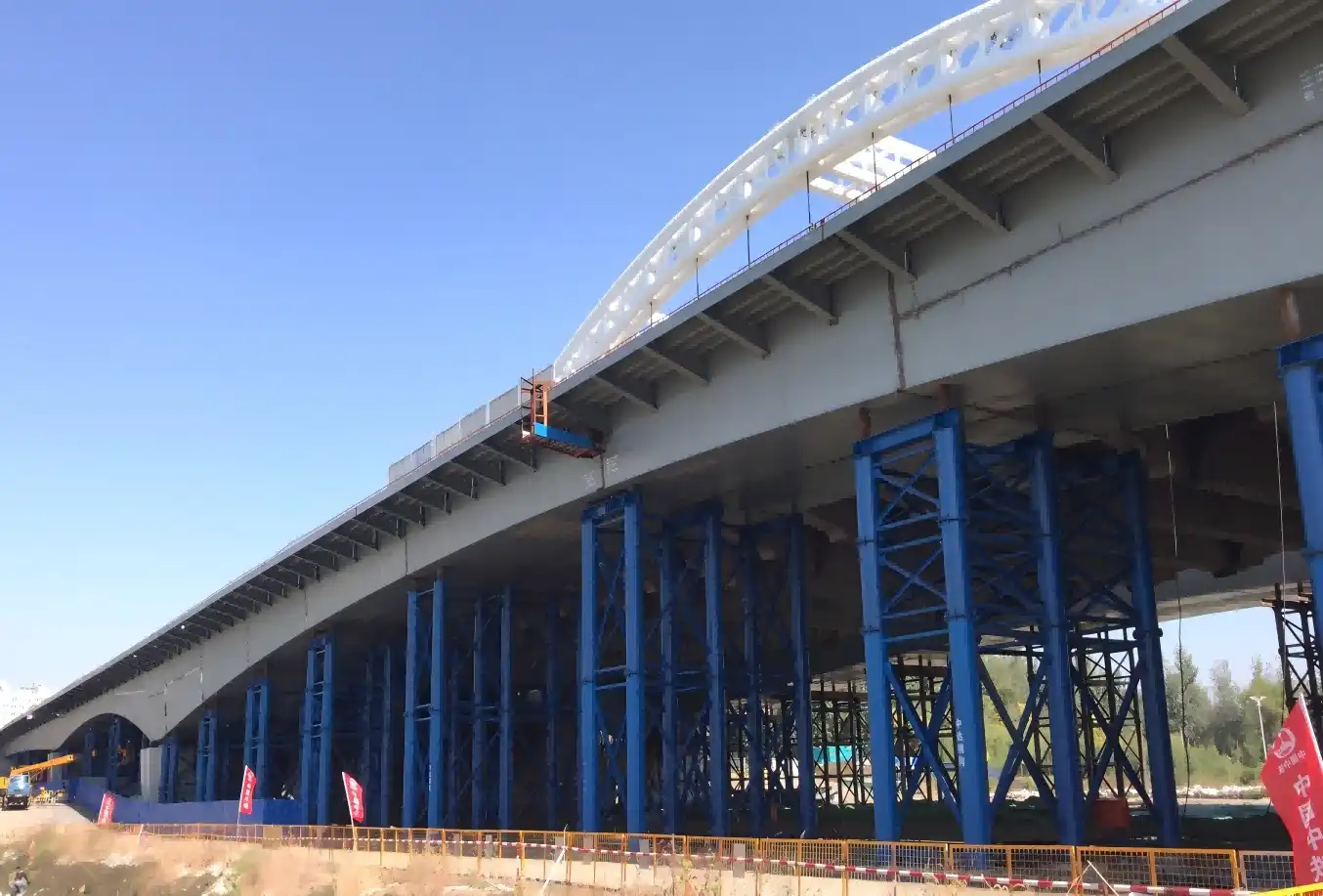
When a traditional bridge is being built, it can stop traffic in cities for months. These effects are greatly lessened by modern methods. Our 20-meter pentagonal box sections, which are 3.2 meters by 4.5 meters, are examples of prefabricated arch ribs that are ready to be put together quickly. Rotational construction methods let structures be built so that they run parallel to traffic. During short overnight closures, the structures are then moved into place. Our 18,000-ton Shenyang Dongta Cross-Hunhe River Bridge project showed that this method works well for keeping people moving around cities while moving buildings along quickly. With a monthly shipping capacity of 1,203 tons, project schedules can be predicted.
Long-Term Maintenance and Monitoring
When you invest in infrastructure, you expect it to work well for decades. Full tracking systems keep an eye on the health of structures all the time by measuring things like stress, deflection, and the surroundings. Data analytics find patterns that help schedule maintenance, make the best use of resources, and avoid failures that come up out of the blue. Corrosion resistance is kept up by regular inspections and the renewal of protective coatings. Connection assessments check the tension of bolts and the integrity of welds. This strategic method gets the most out of investments in infrastructure.
Procurement and Supplier Insights for Steel Arch Bridges
Selecting Qualified Partners
Any big infrastructure project depends on how well and how reliably suppliers do their jobs. When looking at possible Steel Arch Bridge manufacturers, people in charge of procurement should make sure that they meet a number of important criteria. Baseline assurance is provided by certification standards like ISO quality management systems and area performance class grades. Project portfolios that show useful experience, especially with similar spans, loads, and urban limits, show that you have more than just academic knowledge.
Superior suppliers are different from basic fabricators because they offer engineering support throughout the entire project lifecycle. A lot of value is added by teams that can help with design, structure optimization, and on-site installation. At Zhongda, we have a Class I Steel Structure Professional Contracting Qualification and 20 years of experience working in harsh environments from the Arctic in Russia to mining facilities in Australia. This gives us a wide range of skills that allow us to confidently complete projects.
Cost Factors and Budget Planning
Clear cost patterns make it possible to make accurate budget predictions. The cost of materials depends on the type of steel used, the number of tons needed, and the state of the market. The complexity, limits, and quality assurance processes affect how much it costs to fabricate something. Transportation and construction costs depend on where the job is located, how hard it is to get to, and how the structure is put up. Custom fabrication that meets specific wind resistance needs, like our 1.5kN/⎡ requirements, or specialized anti-corrosion systems may change the price, but they deliver the performance that is needed where standard solutions fail.
Value engineering during the planning process can often find ways to cut costs without affecting how well something works. For a Steel Arch Bridge, efficient resource use includes choosing the right steel grades, optimizing arch geometry, and coordinating supply plans with building goals. Asking for detailed quotes that list each cost factor makes it possible to compare potential suppliers in a meaningful way and helps you make an informed decision.
Benefits of Customization and Prefabrication
There are different problems in every urban area. With custom OEM and ODM services, solutions are made to fit the needs of each project, including span length, load ratings, aesthetic requirements, and environmental conditions. Prefabrication in a controlled workplace environment makes sure that the standard is always the same and speeds up installation in the field. The parts come tested and ready to be put together, which cuts down on the need for on-site workers and delays caused by bad weather. Just-in-time delivery scheduling and shipping in containers make logistics even easier. This is especially helpful in crowded cities where staging space is limited.
Case Studies and Future Prospects of Steel Arch Bridges in Urban Infrastructure
Proven Performance in Demanding Applications
Installations in the real world prove that design concepts and building methods work. The Shenyang Dongta Cross-Hunhe River Bridge is a great example of large-scale construction. It uses cutting-edge stentless rotation technology to move an 18,000-ton structure across a major waterway without affecting traffic or nearby development. In the same way, our 1,200-meter span addition to the Jingha Expressway growth shows that we can handle a lot of traffic while still meeting the tight building schedules that are needed for important transportation routes.
International projects show that people can adapt to different operating and legal settings. Custom-made solutions for clients on several continents show that we can take into account local building codes, weather conditions, and material preferences while still meeting core performance standards. These experiences help design optimization and construction methods keep getting better.
Digital Integration and Smart Infrastructure
New technologies are changing how bridges are planned, built, and run. Building Information Modeling (BIM) lets you see and find clashes in great detail before the building process starts. This keeps you from having to make expensive changes in the field. Digital twins, which are virtual copies of structures that are in sync with their physical counterparts through sensor networks, make predictive maintenance and operational optimization easier. Our full-bridge tracking systems with more than 200 sensors are the best on the market right now. They give you real-time information about the health of structures, which increases safety and extends their useful life.
Connected infrastructure is being used more and more in smart city projects. When environmental sensors, traffic tracking systems, and communication systems are added to bridges, they become active network points that help achieve larger goals for urban management. Civil engineering and information technology are coming together in a way that makes advanced steel arch structures valuable parts of smart transportation systems.
Sustainability and Circular Economy Alignment
When building infrastructure in the future, it will need to take climate change and resource economy into account. Steel is naturally recyclable, which supports the idea of a circular economy. Old buildings can be used to make new ones. Embedded carbon is lessened by using low-emission production methods and adding renewable energy to factories. Better materials and protective systems, like our aluminum spray and fluorocarbon topcoat technology, make things last longer, which is better for the world because it means replacement processes happen later.
Regulatory trends favor long-term solutions. When the government buys things, environmental factors are becoming more important, along with cost and performance factors. Commercial developers try to get green licenses that make properties more valuable and easier to sell. In this changing environment, infrastructure solutions that show measurable benefits for sustainability gain a competitive edge.
Conclusion
Decisions about urban structures have effects that last for generations. Steel Arch Bridges have been shown to work well in a number of important areas, including their structural strength, how quickly and cheaply they are built, how long they last, and how well they treat the environment. When you combine high-tech materials like Q420qE steel with precise manufacturing and new building methods, you can find solutions that meet the strictest traffic needs in cities while still staying within budget and time limits. Cities around the world are dealing with old infrastructure and more people who need to move around. These flexible structures offer reliable ways to move forward. When you work with experienced manufacturers, you get access to engineering advice, quality control, and all the help you need to turn complicated projects into long-lasting assets.
FAQ
How do steel arch bridges handle extreme traffic loads?
Because of their curved shape, Steel Arch Bridges disperse loads by turning vertical forces into compressive pressures along the arch part. High-strength steel types like Q420qE can hold a lot of weight. Thorough structural analysis and testing make sure that the structure will work well with a certain amount of traffic. Continuous monitoring systems keep an eye on stress and deflection in real time, making sure that structures work within their design limits even when they're being used a lot.
What maintenance requirements should we anticipate?
The amount of maintenance needed depends on the climate and the safety measures in place. Quality anti-corrosion treatments, like aluminum spray base coats and fluorocarbon topcoats, make service intervals much longer. Regular inspections check the stability of the connections, the state of the coating, and the shape of the structure. Condition-based upkeep, which takes care of problems before they happen, is possible with the help of advanced tracking systems. The lifetime costs are kept as low as possible while still ensuring safe operation through proper initial defense and ongoing assessment.
How long does urban construction typically require?
Timelines depend on the length, complexity, and limitations of the site. When compared to traditional methods, prefabrication greatly speeds up schedules. Large parts that are made off-site come ready to be put together quickly, and methods like rotation building keep traffic as low as possible. If the project is well-organized and has partners with a lot of experience, the installation phases can be finished in months instead of years. This has a positive economic effect on the activities in the cities nearby.
Partner with Zhongda for Your Next Infrastructure Project
Choosing the right Steel Arch Bridge provider is important for the project's success. Zhongda has a 120,000 m² facility with cutting-edge manufacturing tools and twenty years of experience as a great engineer. We can make sure that your infrastructure meets the highest performance standards with our Q420qE Steel Arch Bridge fabrication, BIM-driven prefabrication, and advanced anti-corrosion technologies. We help our clients from the first planning meeting through installation and beyond, giving them complete solutions that are made to fit their needs. Email our team at Ava@zd-steels.com to talk about the details of your project and find out how our proven skills can help you reach your goals for urban infrastructure. You can look at case studies and full technical specs at zd-steels.com.
References
1. Chen, B. and Wang, T. (2019). "Structural Performance of Modern Steel Arch Bridges Under Heavy Traffic Loads." Journal of Bridge Engineering, 24(5), pp. 112-128.
2. American Institute of Steel Construction (2020). Steel Bridge Design Handbook: Arch Bridges. Chicago: AISC Press.
3. Zhao, L., Liu, Y., and Zhang, H. (2021). "Comparative Life-Cycle Assessment of Urban Bridge Types: Environmental and Economic Analysis." Construction and Building Materials, 267, 121045.
4. Federal Highway Administration (2018). Bridge Preservation Guide: Maintaining a State of Good Repair Using Cost-Effective Investment Strategies. Washington, DC: U.S. Department of Transportation.
5. Harikrishna, P. and Kumar, S. (2022). "Advances in High-Strength Steel Applications for Long-Span Bridge Construction." International Journal of Steel Structures, 22(3), pp. 789-804.
6. European Convention for Constructional Steelwork (2017). Design Manual for Structural Stainless Steel: Arch and Cable-Supported Structures. Brussels: ECCS Technical Committee.
YOU MAY LIKE