Why Steel Structures Dominate Exhibition Hall Design?
2026-03-28 10:55:24






Exhibition hall steel structures have changed the building industry by providing unmatched structural performance and design freedom. Steel is used to build most show halls because it has a high strength-to-weight ratio, can be put together quickly, and can be used to make large spaces without columns, which is important for modern event sites. Architects and builders can use steel frames to make spans longer than 100 meters while still keeping the structure strong under changing loads. When you combine this high level of engineering with low-cost prefabrication methods, steel becomes the best choice for commercial developers, EPC contractors, and infrastructure builders who need safe, flexible exhibition spaces that can be built on short notice.
Understanding Exhibition Hall Steel Structures
Modern show halls need structure systems that can hold a lot of weight and can be used in a variety of ways. Steel frame display halls use advanced engineering to make large, column-free spaces where trade shows, meetings, and other big events can thrive without being limited by space.
Fundamental Components and Steel Frameworks
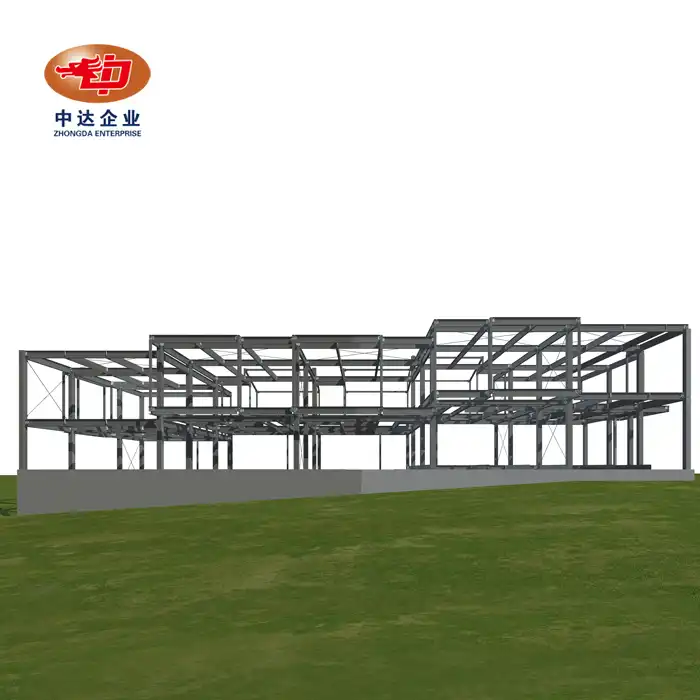
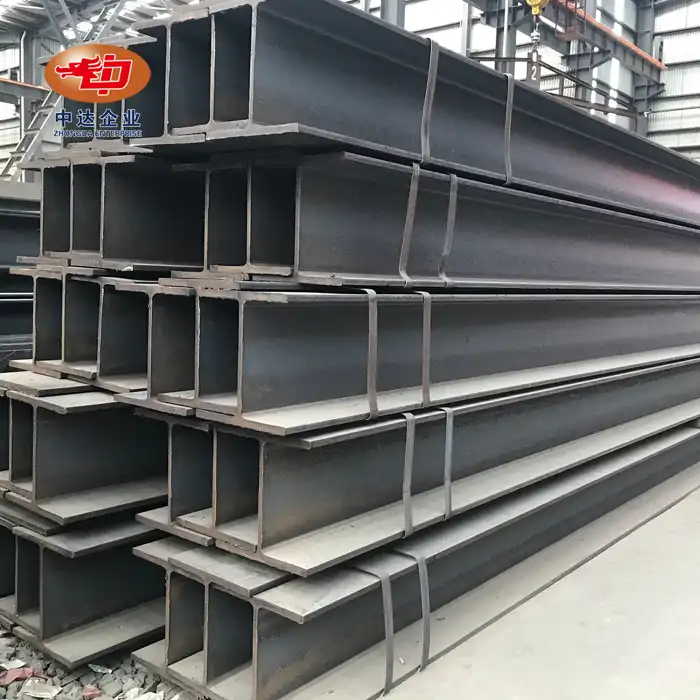
Many exhibition hall steel structures are made up of carefully designed H-beams, box shafts, and truss systems that work together to spread loads evenly. Moment-resisting frames are the main skeletal system. They keep the structure stable on the sides while letting the inside be as flexible as possible. High-strength steel types like Q355B or ASTM A572 Gr.50, which have yield strengths above 345 MPa, are often used in these frames.
Another common method is space frame systems, which use three-dimensional truss networks to spread loads across various load lines. When the clear spans need to be more than 80 meters, this configuration is especially helpful because standard beam-and-column methods become less cost-effective.


Essential Design Principles for Exhibition Environments
Load-bearing capacity estimates for show halls need to take into account the heavy machinery displays, hanging rigging systems, and large crowds. Engineers usually plan for live loads between 4.0 and 6.0 kN/m, which is a lot more than what is normal for business buildings.
As long as show plans change a lot from one event to the next, spatial flexibility is still very important. Because steel is flexible, it can be used for industrial setups and removable wall systems that don't affect the structure's strength. Depending on your local building rules, fire resistance rates must be between 60 and 120 minutes. This can be reached by applying an intumescent coating or treating steel to make it resistant to fire.
Because steel show rooms don't keep heat in well, they need careful planning for insulation to keep the inside comfortable and reduce the risk of condensation. High-performance insulation materials and advanced air barrier systems make sure that energy economy is maintained throughout the year.
Comparing Steel Structures with Other Materials for Exhibition Halls
The choice of materials for big exhibition halls includes balancing the function of the structure, the time it takes to build, and the costs over its lifetime. Steel always does better than other materials in a number of important ways that buying pros care about.
Steel vs. Concrete: Performance and Timeline Advantages
While reinforced concrete show halls have some benefits when it comes to fire safety and thermal mass, steel buildings are faster to build and deliver, which has a big effect on the project's cost. When compared to cast-in-place concrete methods, steel's prefabrication features cut down on building time on-site by 30 to 50 percent.
The difference in weight is big: steel buildings usually weigh 40–60% less than similar concrete buildings, which means they don't need as much of a base and don't have to be dug up as much. When there is a lot of earthquake action or difficult land, this weight advantage is especially useful because a lighter building means less force from the earthquake.
Steel is better at handling earthquakes because it can bend easily, while concrete can break easily during an earthquake. This is because steel can take and release energy through controlled bending.
Steel vs. Aluminum: Durability and Cost Analysis
When it comes to large-scale display projects, steel is more cost-effective and has better structural ability than aluminum. Aluminum is also very resistant to corrosion. Aluminum projects usually cost 20–30% more than steel ones because the materials are more expensive and they need to be made in a certain way.
Welding steel is easy, and trained workers are easy to find. This makes manufacturing simpler and quality control easier. Hot-dip galvanizing treatments give exhibition hall steel structures corrosion protection that is similar to aluminum's while keeping the greater strength needed for heavy-duty display uses.
Prefabricated vs. Custom Solutions: Strategic Considerations
Prefabricated steel panels are great for projects that need to be set up quickly and have standard sizes. For projects that want to stick to a budget, these systems offer predictable prices, shorter lead times, and track records of past success that lower buying risks.
When specific design needs or site limitations call for specialized engineering methods, custom-fabricated solutions can be helpful. Steel manufacturing is very flexible, so designers can use it to make structures with complicated shapes, that fit in with other structures, or that have special branding elements without affecting how well the structure works.
The Construction Process of Exhibition Hall Steel Structures
The methodical way of building a steel show hall makes sure that the results are good while reducing project risks and delays. When buying teams understand this process, they can make better decisions about what suppliers can do and when projects should be finished.
Design Development and Material Selection
Advanced Building Information Modeling (BIM) software is used to do a full structure study as the first step in the building process. Engineers check that the project follows local building rules and foreign standards like AISC 360 or Eurocode 3. They do this by looking at wind loads, snow loads, and seismic forces that are unique to the site.
The choice of steel grade takes into account both the needs of the structure and the elements of the surroundings. For projects near the coast, weathering steel or better coating methods may be needed to stop rust. In cold climates, impact-tested steel types may be needed to keep the steel's flexibility at low temperatures.
Connection design is an important step where engineers choose the right bolt grades, welding methods, and joint setups to safely move loads over the structure's lifetime.
Prefabrication Quality Control and Manufacturing
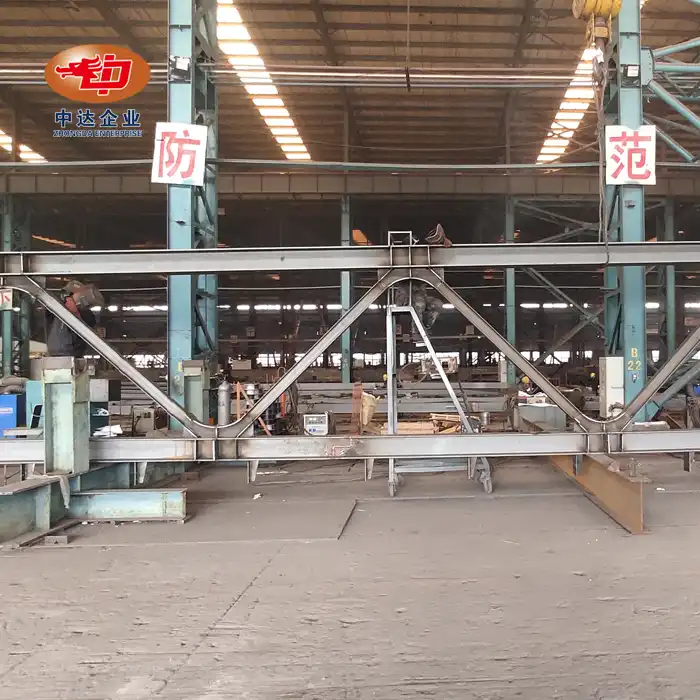
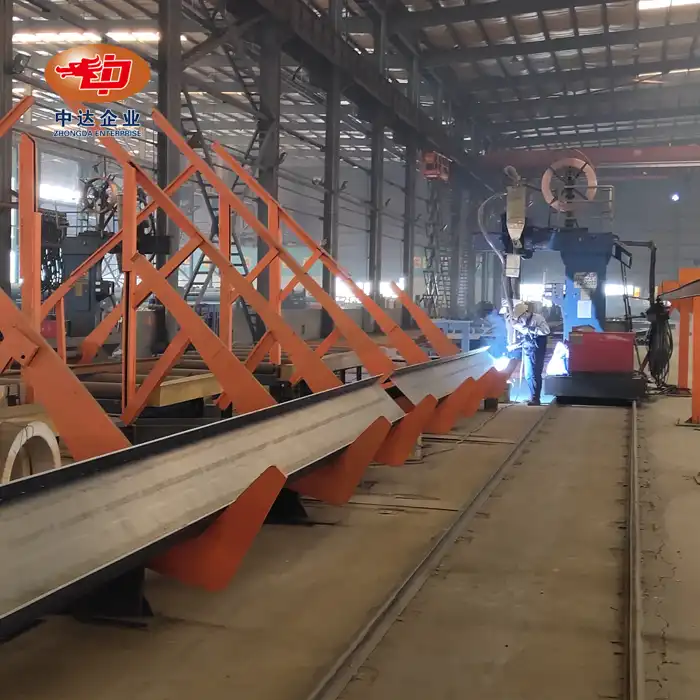
Modern steel fabrication shops use CNC cutting tools and automated welding systems to make sure that complicated structures have dimensions that are accurate to within ±0.2mm. Non-destructive testing methods, such as ultrasound inspection of important welds, make sure that parts are structurally sound before they leave the plant.
The surface is prepared and a protective covering is applied in a controlled workshop environment, which gives a better finish than systems that are applied in the field. With proper care, hot-dip galvanizing or multi-coat paint methods protect against rust for a long time, which means that structures can be used for more than 50 years.
Trial assembly of complicated connections checks the accuracy of the dimensions and finds possible installation problems in the field, while solutions are still affordable to use.
On-Site Assembly and Project Management
Foundation work, coordinating utilities, and planning crane access are all part of site preparation tasks that need to be done in time for steel deliveries. Skilled project managers schedule these tasks to run at the same time so that there is as little downtime and weather-related delays as possible.
Erection processes are based on carefully thought-out plans that make sure the structure stays stable while it is being built. Temporary bracing systems support the sides of a structure until the permanent parts are fully connected.
During construction, quality control measures like checking the torque on the bolts, making sure the dimensions are correct, and touching up the surface protection make sure that the finished structures meet the design requirements and performance standards.
Procurement Guide for Exhibition Hall Steel Structures
To buy exhibition hall steel structures successfully, you need to carefully consider the capabilities of the seller, cost factors, and project-specific needs that affect both the original investment and the long-term value.
Evaluating Steel Structure Suppliers and Certifications
Internationally known quality standards, such as ISO 9001 for quality management systems and EN 1090 for structural steelwork execution, show that a seller is reliable. These licenses show that quality control and tracking methods have been set up, which is important for big projects.
A supplier's yearly production rate, equipment capabilities, and track record with similar-sized projects should all be taken into account when judging their manufacturing capacity. Suppliers who have CNC cutting tools and automatic welding systems usually provide more accurate measurements and higher quality.
The geographic reach of a service affects both the cost of transportation and the availability of expert help. When it comes to shipping costs and knowing the local codes, regional suppliers may be better, while foreign suppliers may offer specialized skills or low prices for large-scale projects.
Cost Analysis and Value Engineering
The price of a steel building includes the cost of the raw materials, the difficulty of making it, the surface processes it gets, and the cost of shipping it. As steel prices rise around the world, the costs of raw materials change, so fixed-price contracts help with budgeting when steel prices are going up.
The complexity of fabrication has a big effect on costs, with economies of scale being better for simple, repeating parts than for unique design features. Value engineering can help with the development of designs by making the best use of materials while still meeting goals for aesthetics and structure performance.
The costs of transportation and setting up depend on where the job is located, how big of a crane is needed, and how easy it is to get to. Locations that are far away may need special transportation tools or longer mobilization times, which can change the overall cost of the job.
Lead Time Planning and Risk Mitigation
Standard prefabricated show hall parts usually take 8 to 12 weeks to make, while special designs can make wait times 16 to 20 weeks long, based on how complicated they are and how much manufacturing capacity the company has. Seasonal changes in output should be taken into account for activities that rely on the weather, like base work and erection.
Problems in the supply chain can affect both the quantity of materials and the plan for making things. Having ties with several qualified suppliers gives you options when your main sources have problems with supply or capacity.
Force majeure events, change order processes, and performance guarantees should all be covered in the contract terms. These are meant to protect project plans and budgets from unplanned events.
Maintaining and Enhancing Steel Structures in Exhibition Halls
Long-term structural performance and sustainability factors help exhibition hall steel structures get the best return on investment while also supporting environmental stewardship goals that are becoming more important to business stakeholders.
Inspection and Preventive Maintenance Programs
Regular checks of structures find problems before they become dangerous or need expensive emergency fixes. Every year, the structure should be inspected to check the connections, coatings, and draining system to see how well they work and how long they last.
Methods for stopping corrosion include regular coating care, joint sealing, and controlling wetness. Protective coats that are kept in good shape can make steel structures last 75 years or more, which is a lot longer than other materials.
Regular upkeep of fire prevention systems protects the building's valuable assets and makes sure that safety rules are always followed. Intumescent surfaces need to be checked for damage or wear and tear that could lower their fire resistance scores on a regular basis.
Sustainability and Circular Economy Benefits
Steel can be recycled, which is good for the environment throughout the span of a building. When their useful life is over, steel buildings still have a lot of material worth. Making recycled steel takes 75% less energy than making new steel.
Credits for recycled content, local materials, and reducing construction trash are available for LEED approval. Steel's natural properties and building methods make this possible. These approvals raise the value of assets and help companies reach their environmental goals.
Upgraded insulation systems, advanced glazing technologies, and the use of renewable energy can make current steel show rooms more energy efficient without having to make major structural changes.
Steel is durable and flexible, which helps efforts to lower carbon emissions. Long service life lowers the number of times that something needs to be replaced, and structure changes can be made to meet changing use needs without having to tear down and rebuild.
Conclusion
Exhibition hall steel structures are the most common type used in show hall design because they are strong, don't take long to build, and hold their value over time, all of which are important for modern event venues. Steel's high load-bearing capacity and ability to create large spaces without columns let builders design venues that are both useful and aesthetically pleasing. The material can be prefabricated, which speeds up the building process and lowers costs compared to standard concrete options. It can also be changed to meet changing display needs over many years of use. Procurement professionals like steel because it performs consistently, has established supply lines, and meets high quality standards that lower project risks and guarantee success for everyone involved in the real estate and building industries.
FAQ
What makes steel structures ideal for exhibition halls?
Because of their high strength-to-weight ratio, steel structures work great in show halls where clear lengths can be more than 100 meters without the need for intermediate beams. This makes clear floor room that is needed for flexible show layouts and good guest flow.
How do steel exhibition halls compare to concrete alternatives in terms of cost and durability?
When you add up all the costs of the project, like foundations, construction time, and funding, steel show halls are usually 10–15 percent less expensive than similar concrete buildings. With proper care, steel can last 50 years or more, which is as long as or longer than concrete. It is also more flexible for future changes.
What certifications should I look for when selecting an exhibition hall steel structure supplier?
Some important certificates are ISO 9001 for managing quality, EN 1090 for constructing steel structures, and national standards like AISC approval in North America. These certifications make sure that suppliers follow set quality control processes and are technically qualified to work on complicated projects.
How long does it typically take to construct a steel structure exhibition hall?
Steel show rooms can be built 30–50% faster than concrete ones. Usually, it takes 6–10 months from the start of construction to move-in day. When compared to sequential concrete building methods, prefabricated parts and parallel construction activities make the whole project much faster.
Partner with Zhongda for Superior Exhibition Hall Steel Structure Solutions
With an advanced production capacity of 60,000 tons per year and ISO 9001/14001 approved quality systems, Zhongda Steel makes exhibition hall steel structures that are among the best in the world. Our BIM-driven prefabrication method and advanced weathering steel technology make sure that your project meets the highest performance standards while cutting the time it takes to build by up to 40%。We have a history of working with China Railway, CSCEC, BMW, and other foreign clients from five continents, so you can trust us to provide complete answers for your exhibition hall steel structure needs, from the initial design to the final installation. Email our engineering team at Ava@zd-steels.com to talk about how our cutting-edge steel solutions can help you get the most out of your next project for a show center, with unbeatable quality and quick delivery times.
References
Chen, W.F. and Lui, E.M. (2019). "Structural Steel Design: LRFD Method for Exhibition and Convention Facilities." American Institute of Steel Construction Technical Publication.
Galambos, T.V. and Surovek, A.E. (2018). "Large-Span Steel Structures for Public Assembly Buildings: Design Guidelines and Performance Standards." Journal of Structural Engineering.
Geschwindner, L.F. (2020). "Unified Design of Steel Structures: Applications in Exhibition Hall and Convention Center Construction." CRC Press Engineering Guidelines.
International Association of Exhibition and Events Management (2021). "Steel Structure Standards for Modern Exhibition Facilities: Global Best Practices and Technical Requirements."
Salmon, C.G. and Johnson, J.E. (2019). "Steel Structures: Design and Behavior for Convention Centers and Large-Span Buildings." Pearson Engineering Publications.
Steel Construction Institute (2020). "Design Guide for Steel-Framed Exhibition Buildings: Technical Manual for Architects and Engineers." SCI Publication P394.
YOU MAY LIKE
_1754030104098.png "Light Poles")