Exhibition Hall Steel Structure for Large Exhibition Centers
2026-03-28 10:55:23






The exhibition hall steel structure is the most cutting-edge way to build large-scale exhibition centers today. It combines cutting-edge engineering with useful practicality to make spaces that can be used in a variety of ways to meet the needs of modern trade shows, conventions, and public events. These complex structural systems use high-strength steel frames to make spaces that are large and column-free while still being very strong and flexible in terms of design. The steel construction method solves important problems in the industry, like shortening the time it takes to build, lowering costs, and adapting to different exhibition needs. This is why commercial building developers, EPC contractors, and infrastructure project managers all over the US market choose it.
Understanding Exhibition Hall Steel Structures: Design, Benefits & Materials
Steel buildings for show halls use cutting-edge architectural styles to adapt to the changing needs of big events. These days, engineers focus on making settings that are flexible and can change quickly to fit different kinds of events, from car shows to tech trade shows.
Innovative Design Approaches for Modern Exhibition Spaces
Modern steel-framed exhibition halls use advanced BIM-driven construction methods to make the best use of area and improve the performance of the structure. These high-tech systems make it possible for clear spans of more than 100 meters without the need for intermediate poles. This makes display floors that are free of obstacles and make the best use of space. The flexible design philosophy makes it easy to change the plan of rooms quickly, so it can be used for anything from small product launches to huge international trade shows.


Dynamic loading conditions, such as heavy suspended lighting systems, multimedia displays, and raised walkways, are no problem for steel buildings. Because steel is naturally flexible, it's easy to add modern HVAC systems, electricity infrastructure, and digital connection solutions that are needed for modern exhibitions.
Superior Durability and Construction Advantages
The main benefits of building a show hall out of steel are that it lasts a very long time, doesn't cost much, and speeds up the building process. When compared to traditional concrete structures, steel structures usually cut down on building times by 30 to 50 percent. This means that exhibition center owners can get their money back faster.
Here are the main reasons why steel is the best material for show halls:
- Excellent strength-to-weight ratio: High-grade structural steel (Q355B, ASTM A572 Gr.50) has yield values greater than 345 MPa while keeping relatively low dead loads. This means that foundations are not needed as much, which saves money.
- Better energy efficiency: The steel framework makes it easier to install insulation and improve heat performance. This means that less energy is used during operations and costs are lower over time.
- Seismic resilience: Steel's ductile qualities make it very resistant to earthquakes, which is very important for making sure that visitors are safe in public places with a lot of people.
- Environmental sustainability: Steel can be recycled over and over again, which is in line with green building efforts and LEED certification standards. This helps companies meet their environmental responsibility goals.
All of these benefits help show center builders with some of the biggest problems they face, like the need for quick setup, reliable exhibition hall steel structures, and efficient operations.
High-Performance Materials and Component Integration
The steel frames in exhibition halls are made from carefully chosen materials that are best for large-scale uses and long-term reliability in harsh environments. The main parts of the structure are H-section steel beams, box columns, and complex truss systems that are designed to spread loads evenly over large areas.
Modern technologies for treating the surface of steel parts keep them from rusting and breaking down in the environment. Long-lasting protection comes from hot-dip galvanization with a zinc covering thickness of at least 275g/m虏. High-performance epoxy coatings provide extra barrier protection in tough settings. These processes make sure that the equipment will work reliably for decades with little upkeep needed.
Extra materials improve the general function and look of the system. Insulated panel systems keep the structure's stability while providing great heat performance. Aluminum wall elements don't rust and can be designed in a variety of ways, which lets architects make show spaces that are both aesthetically pleasing and in line with regional architectural tastes.
Steel Structure Exhibition Hall Construction Process and Safety Standards
Steel structure show rooms are built using organized steps that are meant to make sure quality, safety, and project efficiency. When buying teams understand these steps, they can make better decisions about how to plan projects and choose vendors.
Streamlined Construction Methodology and Prefabrication Benefits
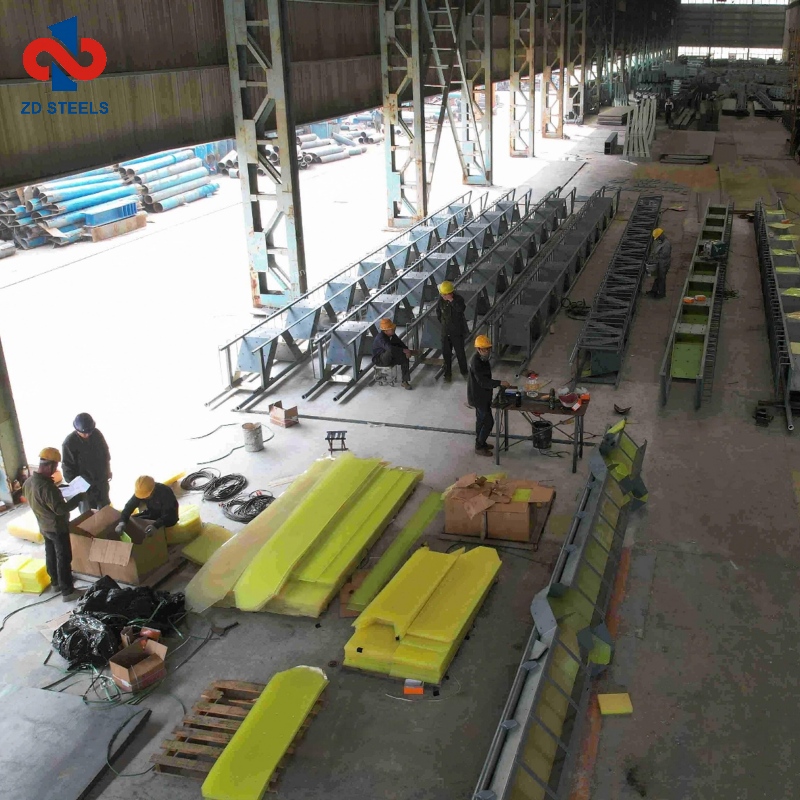
The first steps in building a steel structure display hall are to thoroughly prepare the site and lay precise foundations. To make sure the dimensions are correct for modular steel assembly, advanced measuring technology is used. The prefabrication method lets manufacturing and site planning happen at the same time, which cuts total project timelines by a large amount.
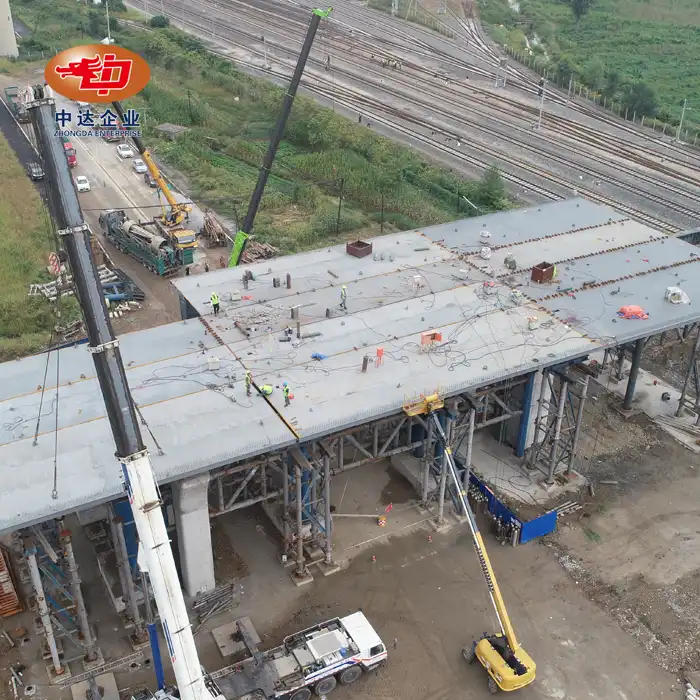
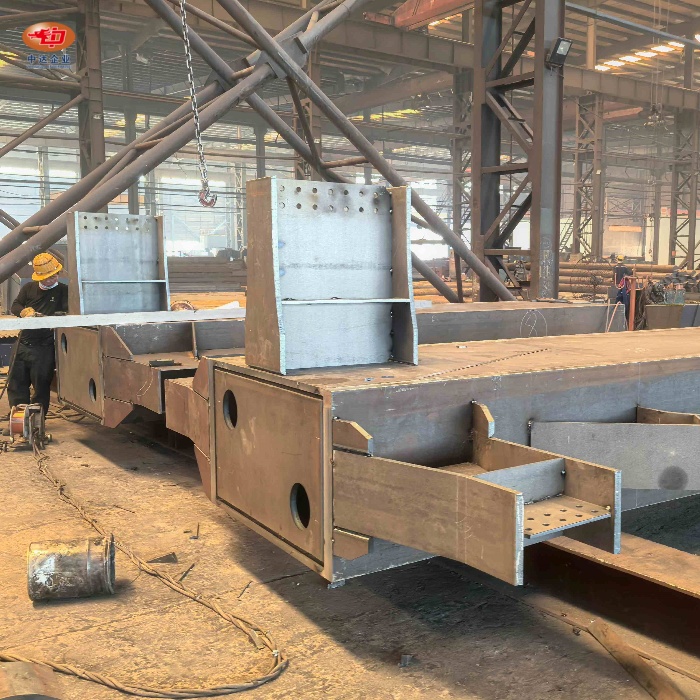
Putting up a modular framework is done in a planned way, with crane operations carefully organized to safely and efficiently place heavy structure elements. Pre-engineered links and factory-welded parts cut down on the need for welding on-site, which improves quality control and cuts down on delays caused by bad weather. This methodical approach helps installation teams put things together very quickly while still following strict safety rules.
There are clear benefits to using premade construction over standard building methods. Factory-controlled settings make sure that quality and measurements are always the same, and protecting the fabric from the weather during production cuts down on the delays that often happen during construction on-site. Quality control measures, such as trying welds without damaging them and checking the assembly of a sample piece, keep structural integrity and avoid expensive mistakes in the field.
Comprehensive Safety Compliance and Regulatory Standards
Compliance with safety standards is an important part of making a steel exhibition hall; structures must meet strict national and foreign building codes. Specific steel protection measures are needed to meet fire resistance standards. These include applying intumescent coatings and designing fire-rated assemblies that keep the structure's integrity in an emergency.
When figuring out a building's load-bearing ability, engineers take into account a lot of different loading situations, such as the highest number of people using it, loads on hanging equipment, and moving crowds. Local natural conditions and building code standards are taken into account in seismic design to make sure that structures can withstand earthquake forces without putting people in danger.
When figuring out wind load resistance, big buildings have special problems that need to be taken into account, like lifting forces and the need for horizontal stability. With these many safety measures in place, exhibition center owners can be sure that their building will always be able to keep guests and expensive exhibits safe.
Cost & Performance Comparison: Steel Structures vs Traditional Exhibition Hall Solutions
When looking at the whole lifetime of a project, economic research shows that exhibition hall steel structures are clearly better than standard concrete and aluminum options. Figuring out these financial effects helps people make decisions that are best for both the original investment and the long-term costs of running the business.
Economic Advantages and Lifecycle Cost Analysis
Steel show hall building usually has 15–25% lower initial costs than similar concrete structures. This is mostly because it doesn't need as many foundations and can be built faster. Because steel buildings have a lighter dead load, their base systems can be smaller and less expensive while still being able to hold the same amount of weight.
An study of maintenance costs shows that steel buildings need much less ongoing care when they are properly protected against corrosion. Preventive maintenance programs that focus on inspecting coatings and making small fixes can extend the life of structures to 50 years or more, giving show center owners a great return on their investment.
Steel construction is naturally flexible, so as show needs change, the building can be changed and expanded without spending a lot of money. For big changes, it's expensive to tear down concrete structures, but steel frames can be changed, moved, or added to using standard building methods, which protects the long-term value of an investment.
Energy Efficiency and Operational Performance Benefits
Energy efficiency tests show that steel buildings usually need 20–30% less energy to heat and cool than buildings built the old-fashioned way. Better insulation integration and less thermal bridging improve the efficiency of the building envelope, which directly lowers practical energy costs.
Advanced building automation systems can be installed more easily in steel-framed show halls than in traditional ones. This makes it possible to control the temperature, handle the lighting, and integrate security systems. These features help make operations more efficient, which adds up over the span of a building and lowers the total cost of ownership.
Steel construction is environmentally friendly, which is in line with company environmental duty programs and green building certification needs. Exhibition centers can get environmental approvals that boost their marketing value and help their companies reach their sustainability goals by getting LEED points for things like recycled content, using local materials, and cutting down on building waste.
Procurement Guide: Choosing the Right Steel Structure Exhibition Hall Solution
To successfully buy steel structure show halls, you need to carefully consider the skills of the seller, the needs of the project, and the long-term operational issues. Strategically choosing a provider affects the success of a project in many ways, such as the cost, the plan, the quality, and the ongoing support.
Essential Supplier Evaluation Criteria
To find qualified steel frame suppliers, you need to look at their professional skills, production ability, and project performance history. Proven experience with similar large-span projects shows that you understand the unique challenges of building an exhibition hall, such as the need for precise assembly, complex lifting operations, and working with specialized building systems.
When judging a company's manufacturing skills, you should look at its production capacity, quality control systems, and technology infrastructure. Advanced CNC cutting tools and automatic welding systems make sure that the dimensions are correct and the quality is always the same. Enough production capacity keeps projects on schedule during busy building seasons.
Verification of certification is still important to make sure that suppliers are qualified and that projects are completed correctly. With ISO 9001 quality management certification, qualifications in welding procedures, and structural engineering skills, you can be sure that the seller will be able to deliver projects that meet specs and government rules.
Strategic Decision-Making Between Custom and Prefabricated Solutions
Custom-built or prefabricated show hall options are chosen based on a study of the unique needs of the project. Prefabricated options work best for standard uses that need to be set up quickly and cheaply, while custom options can be made to fit specific design needs and site-specific problems.
When project plans call for faster delivery, prefabricated methods are often the best choice. Standard modular designs let production and site planning happen at the same time, which cuts down on the critical path variables that often cause project delays. Custom solutions take more time for design and building, but they give architects complete freedom in how they build things.
When you look at the budget, you should look at both the short-term and long-term effects of each option. Prefabricated solutions usually require less money up front and have more stable costs, but custom designs may offer better long-term value by improving performance and adding features that are specific to the needs of the business.
Maintenance and Lifespan: Ensuring Long-Term Performance of Steel Exhibition Halls
Maintenance plans that work well make steel show halls last longer while reducing downtime and costs over their entire life. Throughout the lifecycle of a building, comprehensive maintenance plans take care of both preventative upkeep and improving efficiency.
Preventive Maintenance Protocols and Inspection Programs
Regular inspection programs are the basis of good steel building upkeep. They focus on finding problems early, before they affect activities. Comprehensive inspection routines use both visual and advanced diagnostic methods to look at exhibition hall steel structure links, coating conditions, and environmental protection systems.
Preventing corrosion is the most important part of maintaining steel buildings. To do this, protective protection systems must be regularly checked and any damage must be dealt with right away. Modern coating methods offer great long-term safety as long as they are kept up properly. Under normal conditions, coatings last between 15 and 20 years.
Inspections of structural connections check the tightness of the bolts, the quality of the welds, and how well the joint works generally when it's under load. Non-destructive testing methods, like ultrasound examination and magnetic particle inspection, let you do a full evaluation without damaging the structure or needing to take it apart in a lot of pieces.
Performance Optimization and Lifecycle Extension Strategies
Steel exhibition buildings that are well taken care of last a very long time. Structures that are well built and kept up can last for 50 years or more. Case studies from well-known exhibition places around the world show that steel buildings always work better than what was planned when they are backed by thorough maintenance programs.
Some ways to improve performance are to upgrade the finishing system, make changes to the structure to meet changing needs, and add advanced tracking systems that give real-time performance data. These changes make the building better at what it does, make it last longer, and keep it competitive in the ever-changing show market.
By avoiding emergency repairs, extending the life of parts, and keeping the worth of the building, preventive maintenance plans offer a strong return on investment. When compared to reactive maintenance methods, exhibition places that use systematic maintenance procedures report maintenance costs that are 60–70% lower.
Conclusion
Steel structure show halls are the best option for current large-scale exhibition centers because they offer the best mix of structural performance, cost-effectiveness, and operational flexibility. Steel building has many benefits, such as being easy to set up quickly, having high strength-to-weight ratios, and being very flexible. These benefits meet important needs in the exhibition business today. With the right planning, good construction, and regular upkeep, these buildings will last for decades and meet a wide range of display needs as well as changing business needs.
FAQ
What are the typical span capabilities for steel structure exhibition halls?
With normal layouts running from 60 to 80 meters, steel-framed display rooms can have clear spans of more than 100 meters without the need for intermediate columns. The exact span capacity relies on the load needs, the building rules in the area, and the architect's style. For certain uses, advanced truss and space frame designs make it possible for gaps to be even bigger.
How do steel exhibition halls perform in seismic zones?
Because they are naturally flexible and able to absorb energy, steel buildings work very well in earthquakes. If steel display rooms are built according to local seismic codes, they can withstand earthquakes of up to magnitude 8. When it comes to earthquake protection, steel building is better than brittle materials like concrete because it is more flexible.
What is the expected lifespan of a steel structure exhibition hall?
Steel display buildings that are well taken care of usually last 50 years or more. The real lifespan relies on the environment, how well it is maintained, and how well it was designed in the first place. Comprehensive maintenance programs that focus on stopping rust and inspecting the structure can make a service last a lot longer than what was originally planned.
Contact Zhongda for Premium Exhibition Hall Steel Structure Solutions
With 20 years of technical excellence and manufacturing innovation behind them, Zhongda Steel provides world-class exhibition hall steel structure options. Our advanced anti-corrosion technologies, BIM-driven prefabrication, and 60,000-ton yearly production capacity make sure that your exhibition center projects meet the best quality, performance, and delivery reliability standards. You can trust our exhibition hall steel structure supplier to help you with everything, from the initial design to the final installation. This way, you can be sure that the project will be a success. Get in touch with Ava@zd-steels.com to talk about your show hall needs and find out how our experience can help you complete your next project more efficiently.
References
American Institute of Steel Construction. "Design Guide for Large-Span Steel Structures in Public Buildings." Steel Construction Manual, 15th Edition, 2017.
International Association of Exhibition and Event Services. "Best Practices for Exhibition Hall Design and Construction." Global Standards for Convention Centers, 2019.
Structural Steel Research Council. "Seismic Design Considerations for Large-Span Steel Buildings." Journal of Structural Engineering Applications, Vol. 45, 2020.
Green Building Council. "Sustainability Guidelines for Steel Construction in Commercial Buildings." LEED Reference Guide for Building Design and Construction, 2021.
Engineering News-Record. "Cost Analysis of Steel vs. Concrete Construction in Large Public Buildings." Construction Economics Review, 2022.
Building Design and Construction Magazine. "Prefabrication Trends in Large-Scale Commercial Steel Structures." Industry Analysis Report, 2023.
_副本_1754465368115.jpg "Lattice Column")