Steel Structure Exhibition Halls for Trade Shows
2026-03-28 10:55:22






Steel structure exhibition halls are the best way to set up a modern trade show. They are very flexible and have great engineering for business events. These high-tech building systems use advanced prefabrication methods, high-strength steel frames, and modular design principles to make large, column-free display areas that meet a wide range of needs. Compared to standard options made of concrete or wood, steel frame show halls can hold more weight, can be built faster, and are very flexible for events that happen more than once. Cutting-edge materials and precise engineering work together to make sure that these structures meet strict international building codes and work perfectly for trade shows, product launches, and industrial exhibitions around the world.
Understanding Steel Structure Exhibition Halls
Core Components and Engineering Excellence
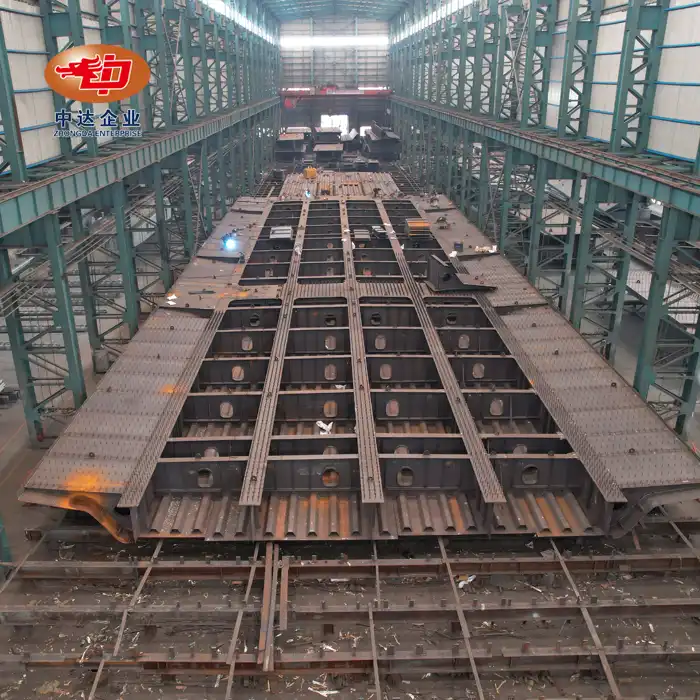
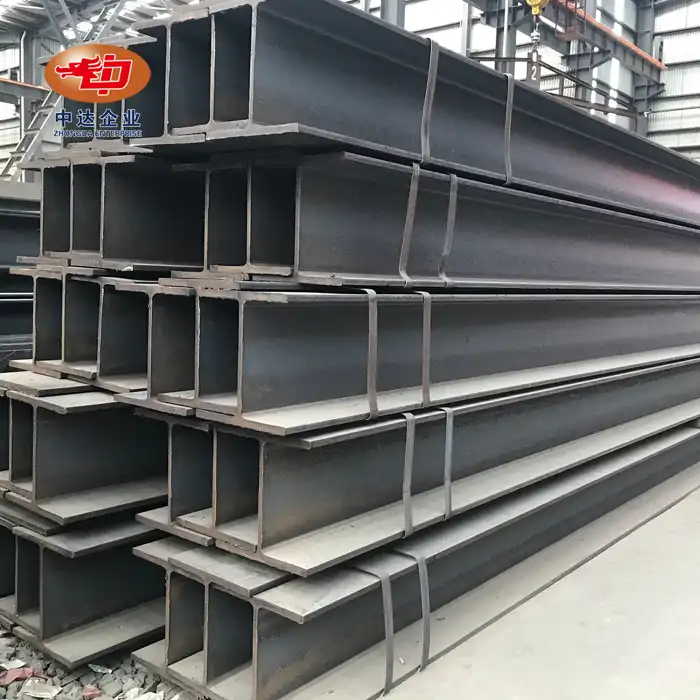
Exhibit rooms made of steel structures have complex frames made from high-quality structural parts like H-beams, box shafts, and advanced truss systems. Premium steel types like Q355B and ASTM A572 Gr.50 are used in these buildings. They have yield strengths of more than 345 MPa and are very flexible for seismic protection. Because there are no internal support beams in the structure, there are often clear gaps of 60 to 100 meters without affecting the structure's strength.
Our factory has cutting-edge CNC machines and vertical welding systems that make sure the work is done precisely, with limits of 0.2mm for ultra-thick plate cutting. With this high-tech equipment, we can produce up to 60,000 tons of goods every year while keeping quality standards the same for all projects. Adding Building Information Modeling (BIM) technology speeds up the process from planning to construction, cutting down on waste and improving the performance of the structure.


Superior Material Properties and Performance
The technical details of modern expo rooms show that engineers are very good at what they do. Advanced surface processes, such as hot-dip galvanization with a zinc covering thickness, make things last longer.
Steel has natural qualities that make it very resistant to wind loads greater than 0.5 kN/m2, and it can also handle the changing loads that are common in show spaces. The fact that the material can be recycled over and over again fits with sustainable goals, and it also has instant performance benefits, such as fewer base requirements because it has lower dead loads than concrete options.
Modular Design Advantages
The modular method to building show steel structure exhibition halls gives builders more freedom than ever to adapt to changing needs. Pre-engineered parts make it easy to put together and take apart quickly, so venue owners can change the layout of places to fit the needs of each event. That it can be changed easily is especially helpful for places that host different kinds of exhibitions, like tech shows that need special electrical wiring and car shows that need heavy-duty floors.
Comparing Steel Structure Exhibition Halls with Traditional Alternatives
Structural Performance and Economic Benefits
When comparing steel buildings to options made of concrete or wood, it is clear that steel has a better strength-to-weight ratio. Off-site prefabrication usually cuts the time it takes to build steel show rooms by 30 to 50 percent. This saves the venue owners a lot of money and lets them start making money sooner. The precise manufacturing process makes sure that the dimensions are correct and gets rid of many of the factors that can cause building delays on-site.
Life-cycle cost study shows that steel has a competitive edge because it lasts longer and costs less to maintain. Even though the original investment costs are comparable, the longer service life and low maintenance needs provide a better return on investment over 20 to 30 years of operation. By using better insulation and thermal bridging, businesses can save even more on their energy costs and still meet the standards for LEED certification.
Technical Superiority and Compliance
International building standards, such as ISO 9001 quality management, AISC 360 guidelines, and Eurocode 3 requirements, are very well met by steel structures. Our buildings keep up-to-date certifications like ISO 14001 for environmental management and OHSAS 45001 for occupational health standards. This makes sure that project performance meets global legal requirements.
The benefits of skeletal efficiency go beyond just being able to hold more weight. Steel's ductile qualities make it more resistant to earthquakes up to magnitude 8, and controlled displacement limits (usually L/400 or tighter) allow for weak facade systems like those with lots of glass. When it comes to show spaces that need a lot of natural light and clear architecture, these performance traits are important.
Procurement and Construction Process of Steel Structure Exhibition Halls
Supplier Selection and Quality Assurance
To choose the right steel structure provider, you need to carefully look at their production skills, certification requirements, and project completion history. Our building has the first-class qualifications for professional steel structure contracting and national high-tech company certification, which shows that we have the technical know-how to handle complicated display projects. Non-destructive testing methods, such as ultrasonic testing and magnetic particle inspection for important structure links, should be part of the evaluation process.
Quality control methods are used at every stage of the manufacturing process, from getting the materials to putting them together at the end. Before shipping, trial assembly processes check the accuracy of the dimensions and the placement of the connections. This keeps expensive changes from having to be made on-site. Coating performance must meet ISO 12944 standards for long-term rust protection. This is made sure by surface treatment tests such as pull-off adhesion tests and dry film thickness measures.
Construction Timeline and Project Management
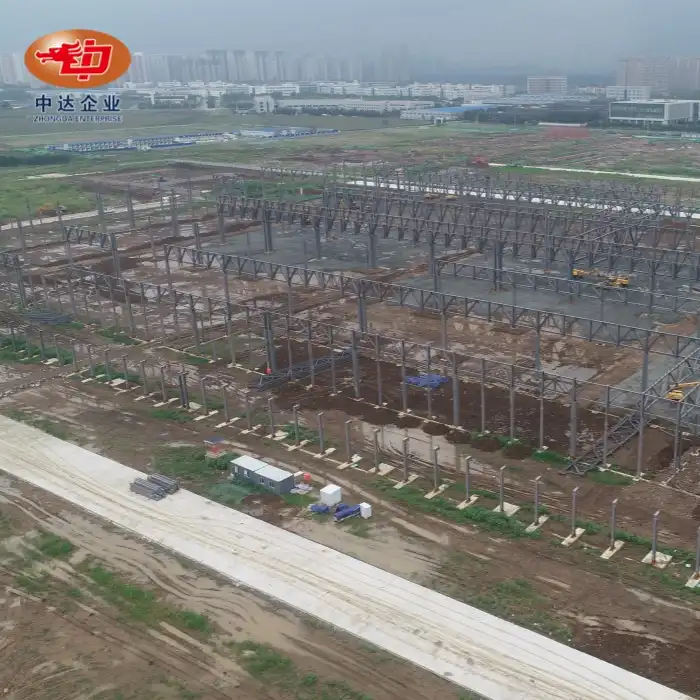
The building process is divided into different stages. The first stages are plan conceptualization and thorough engineering. Our all-around method includes analyzing the site, figuring out the load, and planning how the mechanical and electricity systems will work together. Advanced manufacturing techniques are used in the prefabrication phase to make very precise parts, while site preparation activities happen at the same time to keep the total project length as short as possible.
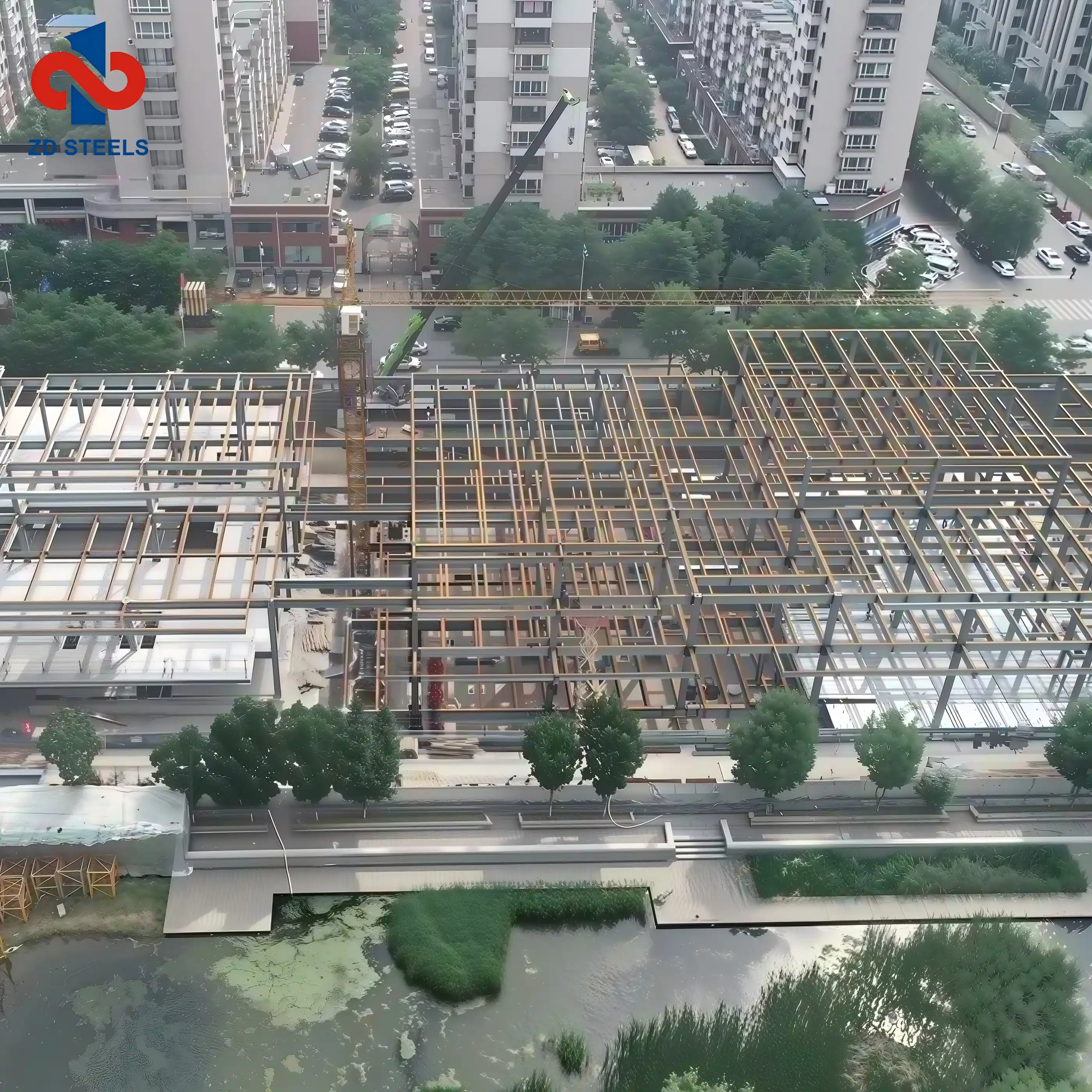
On-site building for a steel structure exhibition hall uses the ideas of modular construction to get installations done quickly. To keep projects on schedule, experienced installation teams organize the arrival of parts, the use of cranes, and the orderly assembly of parts. The simplified process usually cuts down on traditional building times by 40–60%, which lets the facility start making money and running sooner.
Pricing Models and Contract Considerations
Understanding how prices work is important for making good project budgets and plans for buying things. Our OEM customization services can handle a wide range of project types, from standard modular systems to completely unique designs made to fit the needs of a specific show. Clear cost breakdowns include information about the materials used, the production process, the logistics of travel, and the installation services.
The insurance terms, performance promises, and ongoing support services should all be spelled out in the contract. For long-term building operations, it is important to have warranties that cover everything from the structural stability to the performance of the coatings and the usefulness of the parts. During the procurement process, clear delivery plans and milestone descriptions keep the project on track and reduce risk.
Maintaining and Optimizing Steel Structure Exhibition Halls
Preventive Maintenance Protocols
Maintenance programs that work well keep structures in good shape, extend the life of buildings, and keep operations running smoothly as much as possible. Routine check plans center on important parts like structural links, protection coatings, and systems that keep out the weather. Our -60°C Weathering Steel Anti-corrosion Technology makes things last longer in harsh environments, which means they don't need to be maintained as often and cost less.
Visual inspections, non-destructive tests, and preventative maintenance are all part of inspection routines. Regular checks of the coatings find possible rust risks before they cause damage to the structure, and regular checks of the connections make sure that the structure stays strong even when it's being loaded for use. Documentation systems keep track of maintenance tasks and the performance of parts so that future maintenance schedules are more effective.
Energy Efficiency and Sustainability Optimization
Modern show rooms use advanced energy management systems to keep costs down and damage to the environment to a minimum. Improvements to insulation, more energy-efficient HVAC systems, and the use of green energy all help to meet sustainability goals while lowering electricity costs by a large amount. Intelligent settings on LED lighting systems make the best use of energy while giving show displays better lighting.
Building management systems keep an eye on and manage things like security systems, energy use, and the surroundings in a building. Integrating renewable energy sources like solar panels and energy storage systems lowers operating costs even more and shows expo participants and guests that you care about the environment.
Performance Monitoring and Upgrades
Continuous performance tracking lets you plan maintenance ahead of time and find ways to improve efficiency. Structure health tracking systems keep an eye on how well buildings work when they are under different loads, and outdoor sensors collect information that can be used to improve HVAC systems and indoor air quality management. These systems allow for predictive maintenance methods that keep equipment from breaking down and keep operations running as smoothly as possible.
Some things that can be upgraded in a steel structure exhibition hall are more advanced wall systems, more power capacity, and better security installations. The modular design method lets you improve systems without making big changes to the structure, so facilities can adapt to new technologies and changing show needs.
Choosing Steel Structure Exhibition Halls: Decision-Making Guide for B2B Clients
Industry-Specific Requirements and Scalability
Different businesses have different needs when it comes to exhibition spaces. For example, car displays need heavy-duty flooring systems, while technology showcases need a lot of electricity infrastructure. Our design team looks at specific practical needs, such as load-bearing standards, environmental controls, and utility systems, to make sure that the building works best for its intended uses.
Scalability factors include both the current building stages and the ability to add on in the future. The principles of modular design allow for phased building methods that match capital investments with business growth while keeping the consistency of the architecture. The ability to rearrange inner areas allows for changing exhibition layouts and changing operating needs over the life of the building.
Standard Versus Custom Solutions
Whether to use standard modular systems or fully personalized designs rests on the needs of the operation, the available budget, and the time frame. Costs are lower with standard solutions, and delivery times are faster. On the other hand, custom designs work best with specific site conditions and operating needs.
Our full range of design services includes both of these methods, from efficient modular systems that can be set up quickly to high-end custom facilities with cutting-edge architectural features. To get the most out of a project, the review method looks at its long-term operational needs, its ability to grow, and its ability to work with other systems.
Risk Management and Procurement Best Practices
Effective buying strategies keep project risks to a minimum and make sure that the most value is delivered. A full review of a supplier looks at their ability to make things, their quality processes, how well they deliver, and how well they provide ongoing support services. Our experience with global projects shows that we can consistently meet delivery deadlines in a wide range of markets and legal settings.
Structures for contracts should include performance promises, release dates, and how risks are shared between parties. Making sure there are clear instructions for supplies, manufacturing standards, and fitting methods helps avoid confusion and guarantees the project's success. Protocols for ongoing contact make it easier to coordinate projects and solve problems quickly during execution.
Conclusion
Steel structure display rooms are the best way to set up modern trade show infrastructure because they are highly engineered, easy to use, and cost-effective. These high-tech building systems work better than others because they use better materials, are carefully made, and are designed in a way that lets them be put together in a way that fits different display needs. Accelerated building timelines, lower upkeep needs, and great adaptability all work together to make strong value propositions for venue owners in all global markets. As the trade show industry moves toward more flexible and long-lasting event formats, steel structure exhibition halls provide the technological base needed to meet future operating needs while providing a great return on investment over the longer building lifespans.
FAQ
What are the key advantages of steel structure exhibition halls over traditional building materials?
Steel-framed display rooms are stronger than wooden ones, so they can have clear spans of 60 to 100 meters without any internal supports. With prefabrication, the time it takes to build something is cut by 30 to 50 percent, and the cost of upkeep stays low thanks to improved corrosion protection systems. Compared to concrete or wood, steel is better for the environment and operations because it can be recycled 100% of the time and uses less energy.
How do steel exhibition halls accommodate different types of trade shows and exhibitions?
The flexible design method makes it easy to change the layout quickly to meet different display needs. Heavy-duty flooring systems are used for car displays, and special electricity infrastructure is used for tech shows. Flexible ceiling systems let you set up different kinds of lighting, and mobile walls let you make booth plans that fit the needs of any event.
What certifications and standards do steel structure exhibition halls meet?
International standards like ISO 9001 quality management, AISC 360 structural specs, and Eurocode 3 requirements are met by our steel display rooms. CE approvals allow products to be sold in Europe, and ASTM compliance ensures that products will be accepted by North American regulators. The ability to get LEED approval helps global markets meet their environmental goals.
What is the typical construction timeline for a steel structure exhibition hall?
Construction times depend on the size and complexity of the project, but for normal layouts, they are usually between 60 and 120 days. Prefabrication and site planning happen at the same time, which cuts the total project time by 40–60% compared to standard building methods. Once the base work is done, modular construction makes it easy to quickly put the building together on-site.
Ready to Transform Your Exhibition Facility? Partner with Zhongda Steel
Zhongda Steel has been making high-quality steel structures for over 20 years and can help you with your show hall project. Our 120,000 m2 modern facility is where we make precision-engineered solutions for steel structure exhibition halls. We are widely qualified as a manufacturer with ISO 9001/14001/OHSAS 45001 certifications. Our advanced BIM-driven prefabrication skills and 60,000-ton yearly capacity make sure that your project meets the strictest performance and timing requirements. Get in touch with Ava@zd-steels.com right away to talk about your exhibition hall needs and find out how our full-services, from planning to installation, can help you get the most out of your trade show infrastructure investment.
References
American Institute of Steel Construction. "Design Guide for Large-Span Steel Structures in Commercial Applications." AISC Steel Design Series, 2023.
International Association of Exhibition and Events. "Venue Infrastructure Requirements for Modern Trade Shows and Exhibitions." IAEE Research Foundation, 2024.
Building Research Establishment. "Comparative Life Cycle Assessment of Steel versus Concrete Exhibition Facilities." BRE Environmental Assessment Methods, 2023.
Society of Fire Protection Engineers. "Fire Safety Engineering for Large-Span Steel Exhibition Structures." SFPE Technical Guidelines, 2024.
World Steel Association. "Sustainability Benefits of Steel Construction in Commercial Building Applications." WSA Environmental Report Series, 2023.
Structural Engineering Institute. "Seismic Design Considerations for Steel-Framed Exhibition and Convention Centers." SEI Technical Standards, 2024.
YOU MAY LIKE
_1754030104098.png "Light Poles")