Exhibition Center Steel Structure Factory and Supply
2026-03-27 11:24:27






The steel frame of an exhibition center exhibition center steel structure is the pinnacle of modern architectural engineering. It combines strength, flexibility, and efficiency to make large areas that meet the needs of today's public and business venues. Our specialized workshop provides full steel structure solutions, from initial design ideas to final installation. We serve building professionals who need precisely built frames for big show halls. It is the job of these high-tech steel systems to support venues that have to handle big loads, long spans, and changing use patterns, all while keeping high safety standards and low costs throughout their entire operating life.
Understanding Exhibition Center Steel Structures
Exhibition center frames are complex engineering feats made to hold up huge open areas that are necessary for modern business places. High-strength steel parts were carefully chosen to make these structures last longer and be more flexible in their design than traditional building materials like concrete or wood.
Key Structural Components and Design Principles
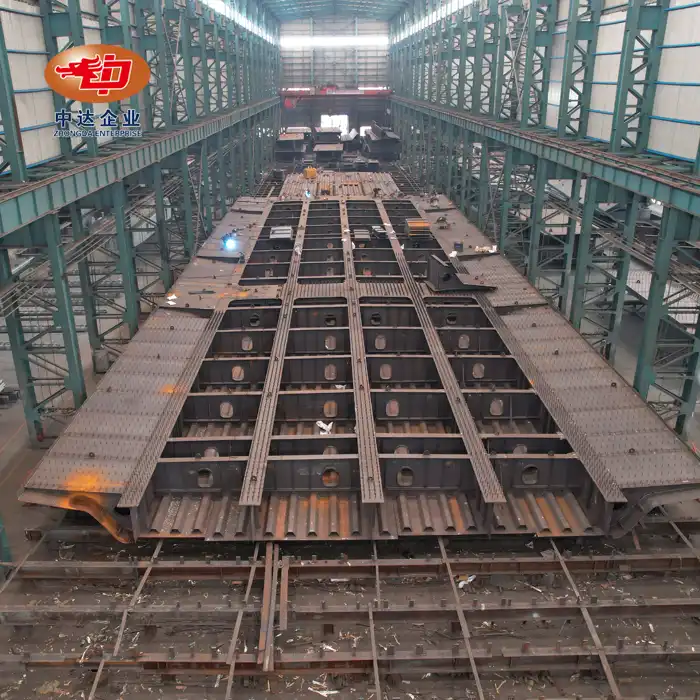
Any show center is built on its structural framework, which has to be able to handle changing loads while still keeping the building's artistic character. Our steel buildings are made up of H-beams, trusses, and space frames that are designed to support spans longer than 100 meters without any columns. This way of designing gets rid of the internal supports that would make the place less flexible and take up more floor room that can be used.
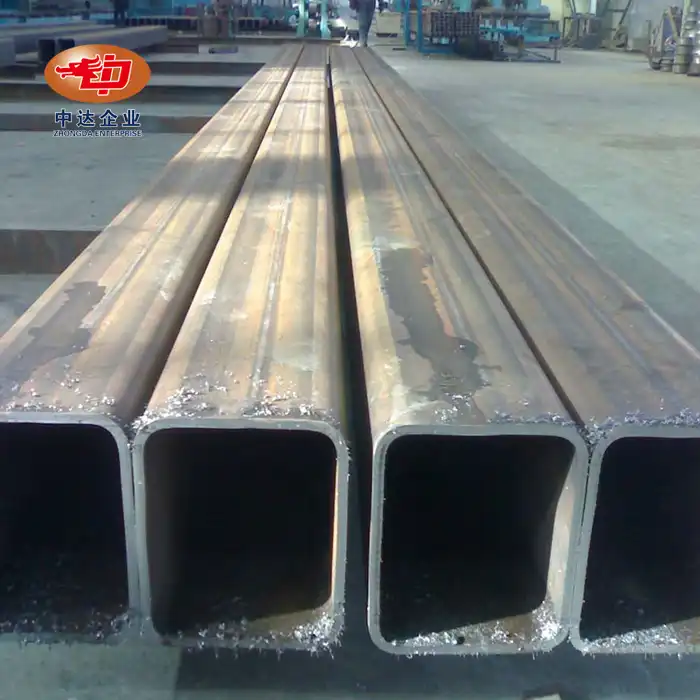
The choice of steel is very important for how well a structure works. We use types of high-strength low-alloy steel like Q355B and ASTM A572 Gr50, which have yield strengths higher than 355 MPa. This choice of material has a great strength-to-weight ratio, which lowers base loads while keeping the structure's stability in a wide range of weather conditions.


Advanced Manufacturing Capabilities
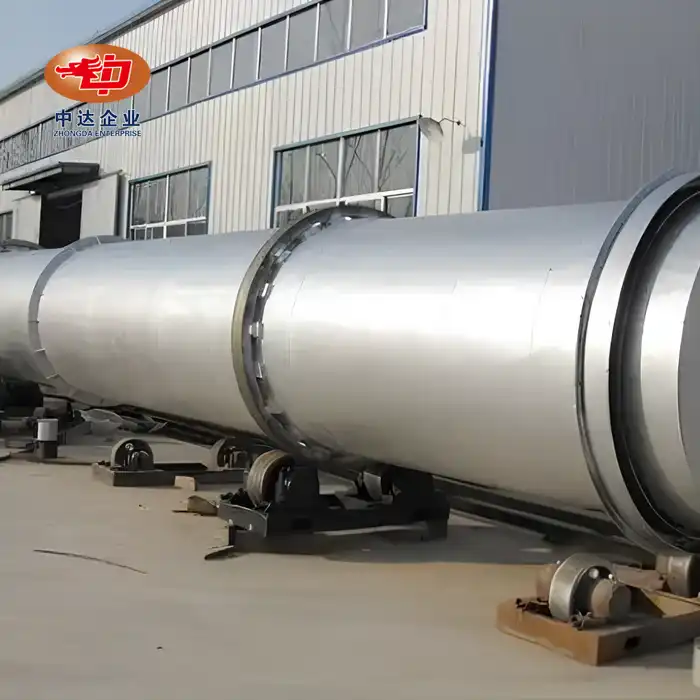
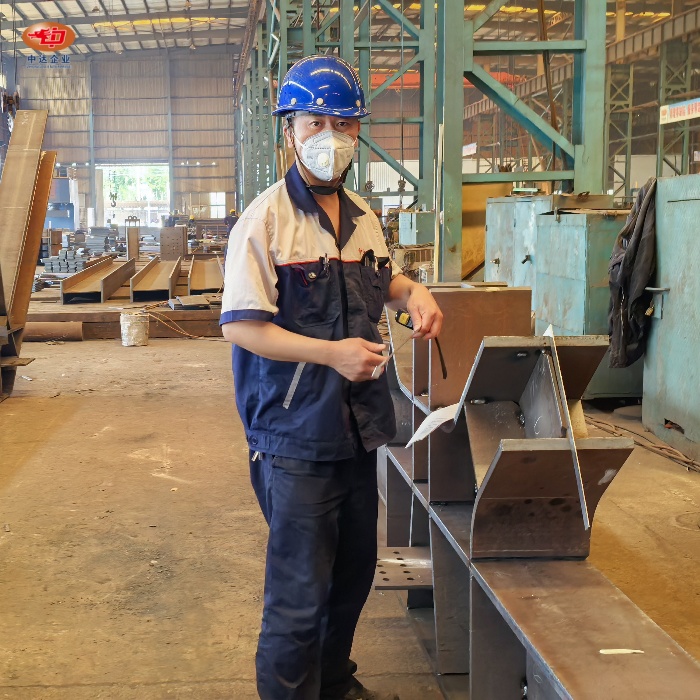
Our factory covers an area of 120,000 square meters and can make 60,000 tons of goods every year. Modern tools, like CNC cutting systems and vertical welding technology, make sure that the work is done precisely, with margins kept to a few millimeters. This level of accuracy in making directly leads to easier building on-site and shorter construction times.
By using BIM-driven prefabrication technology, we can get the most out of the materials we use and improve the performance of the structure. Digital modeling makes sure that every part fits perfectly when it's put together, which cuts down on costly changes in the field and project delays.
Fire Resistance and Safety Features
Modern show halls need strong fire protection systems that are built into the exhibition center steel structure. Our steel frames have intumescent coatings that expand when exposed to heat. This gives them fire resistance scores of 2 to 4 hours, which meet or beat IBC standards. In addition, cementitious sprays can be used to meet certain fire resistance levels set by local building rules.
Seismic defense is still an important thing to think about for public places. Steel is naturally flexible, which means that buildings can bend without breaking completely. This absorbs seismic energy and keeps people safe during earthquakes.
Comparing Steel Structures with Other Building Options for Exhibition Centers
Steel structures always do better than traditional building materials in a number of performance measures that are important for running a show center. When procurement workers know about these benefits, they can make choices that save money on both the initial investment and the costs of running the business in the long run.
Performance Advantages Over Concrete Construction
Steel framework construction speeds up the building process 30 to 50 percent compared to options made of reinforced concrete. This speeding up is due to parallel manufacturing and foundation work, in which steel parts are made off-site while the base is being prepared at the same time. Concrete buildings need to be built in stages, which greatly extends the time it takes to complete a job.
The amount of maintenance needed for steel and concrete buildings is very different. Steel frames with the right protective coats don't need much upkeep over 25 to 50 years of use. Cracks and flaking in concrete buildings are common problems that need to be fixed over and over again, especially in places where the temperature changes or where chemicals are present.
When it comes to big spans, steel building is better because it costs less and works better. Even though the original prices of the materials may seem about the same, steel's higher strength-to-weight ratio means that less foundation is needed and the structure as a whole is lighter. This saves a lot of money on foundation engineering and site preparation.
Superiority Over Wood and Aluminum Alternatives
Without a lot of internal support systems, wood building can't meet the span standards of most exhibition halls. Also, the fact that wood is easily burned makes it unsuitable for public places with a lot of people. Because steel doesn't catch fire, it has built-in fire safety benefits that wood can't match.
Even though aluminum structures are light, they are not strong enough for heavy loads that are typical in show centers. Frames made of steel can safely hold portable structures, lighting systems, and equipment that hangs from the ceiling.
Prefabricated Steel Advantages for B2B Procurement
When it comes to business-to-business buying, premade steel buildings are great because of the following:
Supply Chain Efficiency: Modular designs let manufacturing and site planning happen at the same time, which cuts down on critical path connections and makes project scheduling more reliable.
Quality Control: Manufacturing conditions that are controlled in a factory make sure that quality standards are always met, and they also avoid the weather-related delays that can happen with options that are built on-site.
Scalability: Modular parts are easy to change or add to meet the needs of a changing setting without having to make major exhibition center steel structure changes.
Logistics Improvement: Standardized parts make it easier to plan delivery and lower the cost of shipping compared to handmade concrete parts.
Because of these benefits, B2B clients can improve their purchasing processes, cut down on the number of workers needed on-site, and lower the risks that can affect project budgets and schedules.
Procuring Exhibition Center Steel Structures: From Factory to Installation
To successfully buy steel buildings, you need to do a lot of planning that includes figuring out costs, evaluating suppliers, and managing the project. Our integrated method makes sure that the whole project goes smoothly, from the initial planning to the final commissioning.
Cost Estimation and Budget Analysis
An accurate cost estimate starts with a thorough load analysis and a list of the specific span needs needed for the venue's planned use. Our engineering team does thorough feasibility studies that look at things like the state of the soil, the loads that the environment puts on it, and the needs of the business in order to find the best structural design while keeping costs low.
The budget study includes the prices of materials, labor, logistics for transporting them, and putting them together. We break down costs in great depth so that you can make smart decisions and make correct budgets for your projects. During the design part, value engineering chances are found to improve performance while keeping costs low.
Supplier Selection and Quality Assurance
To find trusted providers, you need to look at their manufacturing skills, quality control methods, and project experience. Along with EN 1090 structural welding skills, our building has ISO 9001, ISO 14001, and OHSAS 45001 certificates. These certificates show that you are consistently good at managing quality and using technology.
Whether to hire an international or local fabricator relies on the specifics of the project, such as the delivery schedule, the level of customization needed, and the total cost of transportation. Our global supply chain network lets us use flexible buying methods that get the best value for money and speed of delivery.
Custom Fabrication and Project Management
Custom manufacturing makes sure that steel parts meet the specific needs of each building while still meeting standards for structural performance. Our engineering team works with architects and builders to come up with solutions that meet both stylistic and structural needs.
Excellent project management makes work schedules easier to follow by carefully planning and coordinating everything. We give full project schedules that include all of the actions needed for fabrication, shipping, and installation. This cuts down on the time it takes to build something while still meeting quality standards.
Maintenance, Safety, and Sustainability of Steel Structures in Exhibition Centers
Long-term performance of steel buildings relies on preventative maintenance plans, strong safety systems, and environmentally friendly design methods that keep operations running smoothly while causing as little damage as possible to the environment.
Preventive Maintenance and Lifecycle Management
Routine checking procedures keep exhibition center steel structures in good shape and make them last longer than expected. As part of our repair plans, we check for corrosion, make sure all connections are solid, and evaluate protective coatings to find problems before they affect the structure's performance.
To stop corrosion, people use high-tech covering systems that are made to work in certain environments. Hot-dip galvanizing protects the base, and epoxy-based topcoats make things last longer in harsh conditions. The covering methods in these things are made to last for a long time without needing any repairs.
Safety Systems and Environmental Resistance
Not only does improving safety mean making structures less likely to catch fire, but it also means making sure they can stand up to different types of weather. Based on local building code requirements, our structures are built to resist strong winds, snow buildup, and earthquakes.
Environmental defense includes features for handling heat, wetness, and chemicals that might be present in industrial show settings. Condensation problems that could damage building parts or the quality of the air inside can be avoided with good ventilation design.
Sustainability and Green Building Integration
Sustainability factors affect the materials we use and the way we make things across all of our activities. Because steel can be recycled, it can be used to make new things. This supports the ideas of the circular economy. Our manufacturing methods use techniques that use less energy and have less of an effect on the world.
By improving thermal efficiency, new insulation technologies cut practical energy use by a large amount. These methods help meet the standards for LEED certification while also lowering the long-term costs of running a venue. Adding green buildings helps companies meet their social responsibility goals and gives the environment real benefits that can be measured.
Why Choose Our Exhibition Center Steel Structure Factory and Supply?
Our company offers great value because we have decades of experience making custom steel structures for show places around the world. Since our start in 2004, we've become a widely recognized leader in precision steel solutions. We work with a wide range of clients, from infrastructure in the Arctic to industrial buildings in the tropics.
Technical Excellence and Global Certifications
Our technical skills include advanced manufacturing technologies, such as steel anti-corrosion technology that works at -60°C and ultra-thick plate cutting with 0.2mm accuracy. We can deal with difficult weather conditions and precise needs that regular manufacturers can't handle because of these skills.
We are dedicated to quality management and technical excellence, as shown by our global standards such as ISO 9001/14001/OHSAS 45001 and EN 1090. With these certificates, you can be sure that the way we make things meets world standards for quality, safety at work, and protecting the environment.
Proven Track Record with Major Clients
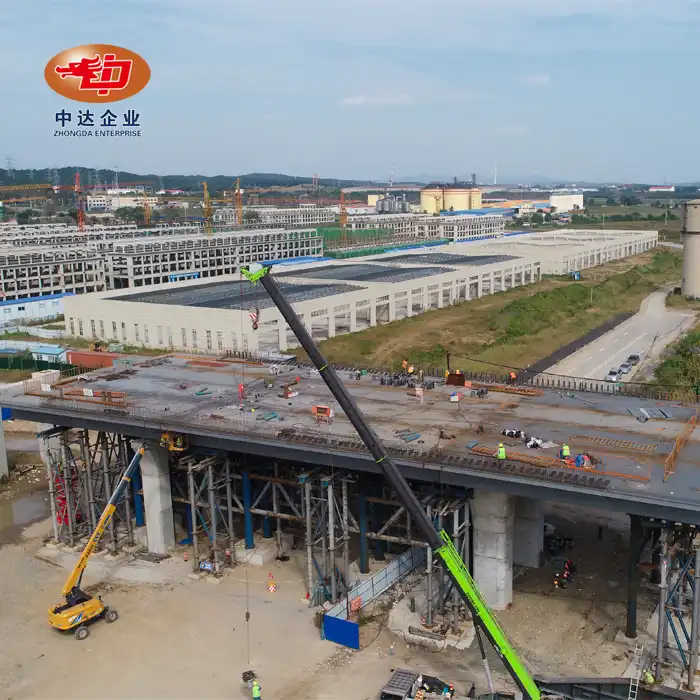
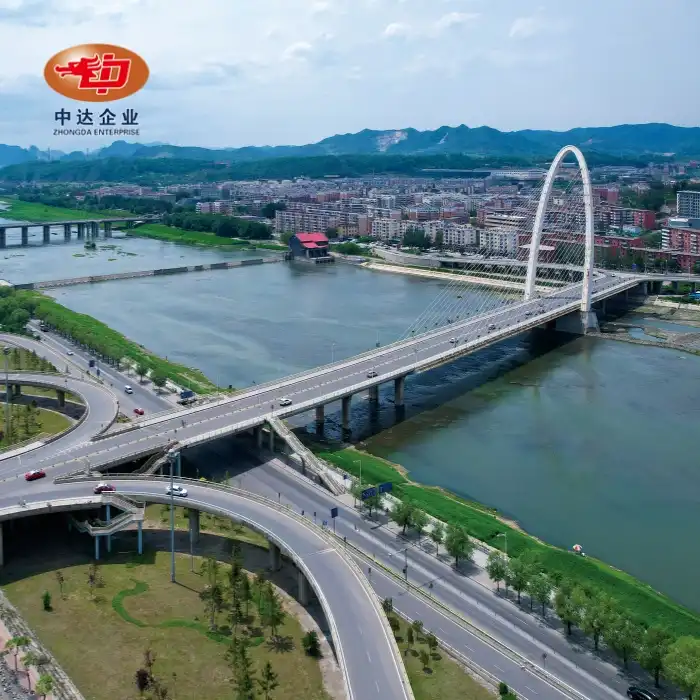
We have trusted relationships with big names in the industry, like China Railway, CSCEC, and BMW, that show we can finish difficult projects that meet strict performance standards. Our list of projects includes Arctic bridges in Russia, mining equipment buildings in Australia, and industrial hubs in Vietnam. These projects show how global we are and how flexible our technical skills are.
Positive feedback from clients always shows that we can handle large-scale buying quickly while keeping prices low. Our integrated supply chain makes sure that processes run smoothly and deliveries happen on time, which are important for the success of building a show center.
Comprehensive Service Integration
Our service integration goes beyond production and includes full project solutions, from coming up with ideas for the design to commissioning the installation. This all-encompassing method gets rid of the problems that come up when working with multiple companies and makes sure that the quality of the work stays high throughout the project.
After the sale, responsive support includes guarantee coverage, advice on how to keep the product in good shape, and technical help that keeps customers' purchases safe. Because we want to keep working with the same clients for a long time, we're always improving our service and expert skills.
Conclusion
When building a modern site, exhibition center steel structures for exhibition centers are the best choice because they are strong, efficient, and have long-term value. Because we know how to make things well, have advanced tools, and offer a wide range of services, we are the best choice for B2B clients who want stable, high-performance steel structure options. Technical creativity, quality control, and project experience from around the world all work together to make sure that show center projects of any size or complexity are completed successfully. Modern environmental standards are met by sustainable design practices and energy-efficient solutions that also provide measured operating benefits over the structure's service life.
FAQ
What are the typical lead times for exhibition center steel structure delivery and installation?
Lead times depend on how complicated the job is and how much customization is needed. Standard modular parts usually take 8 to 12 weeks to make, while custom-engineered options can take up to 14 to 18 weeks. Depending on the size of the building and the conditions of the spot, installation can take anywhere from two to six weeks to finish. During the planning part, we give you thorough project schedules so that you know exactly when things will be done.
How do steel structures compare to concrete in terms of sustainability and environmental impact?
Steel buildings are more environmentally friendly because the materials can be recycled and there is less waste during creation. 90% of steel parts can be recycled when they reach the end of their useful life, but a lot of concrete removal trash ends up in landfills. In addition, steel construction uses less energy to make and releases fewer carbon emissions over the course of a building's life. Modern insulation methods make processes even more energy efficient.
Can steel structures accommodate heavy suspended equipment and specialized exhibition requirements?
To support HVAC systems, lighting rigs, hanging screens, and other specialized equipment, our steel frames are custom-built with specific point-load nodes. Advanced software is used to do a thorough structural study of roof trusses to make sure they can handle the load and not bend too much. We work with the companies that sell equipment to make sure that it is properly integrated and that the load is safely spread across the building.
Partner with Zhongda for Your Exhibition Center Steel Structure Needs
With our advanced steel building manufacturing and supply skills, Zhongda Steel is ready to make your idea for an exhibition center a reality. With our extensive quality certifications, state-of-the-art production facilities, and track record of successfully working with clients around the world, you can be sure that your project will receive the technical excellence and dependability it needs. Get in touch with our engineering team at Ava@zd-steels.com to talk about your exhibition center steel structure needs and find out how our manufacturer knowledge can help you save time, money, and trouble in the long run. Discover our full selection of structural options at zd-steels.com, and start building an amazing setting today.
References
American Institute of Steel Construction. "Design Guide for Large-Span Steel Structures in Exhibition and Convention Centers." AISC Publications, 2023.
International Building Code Council. "Structural Steel Requirements for Assembly and Exhibition Occupancies." ICC Digital Codes, 2024.
Steel Construction Institute. "Fire Protection Systems for Large-Span Steel Buildings: Best Practices and Performance Standards." SCI Technical Publications, 2023.
National Steel Bridge Alliance. "Prefabricated Steel Construction: Quality Control and Project Management Guidelines." NSBA Industry Reports, 2024.
Green Building Council. "Sustainability Assessment of Steel versus Concrete in Large Commercial Construction Projects." USGBC Research Publications, 2023.
Structural Engineering International. "Seismic Design Considerations for Steel-Framed Exhibition and Convention Centers." SEI Journal, Volume 34, 2024.
YOU MAY LIKE
_副本_1753167843741.webp "Steel Deck Arch Bridge")