Steel Stadium Design for Sustainability and Durability
2026-03-27 11:24:25






Steel stadium construction represents the future of sustainable sports venue development, combining environmental responsibility with exceptional structural performance. Modern steel stadiums achieve remarkable durability through advanced engineering while maintaining significantly lower environmental impact compared to traditional concrete alternatives. These venues demonstrate steel's inherent recyclability, reduced construction timelines, and superior resistance to seismic activity and extreme weather conditions. The integration of innovative design principles ensures that steel stadiums meet stringent international standards while delivering long-term value for stakeholders. As the construction industry increasingly prioritizes sustainable infrastructure, steel stadiums emerge as the optimal solution for developers, contractors, and government agencies seeking environmentally conscious, cost-effective venue solutions.
Understanding the Sustainability Advantages of Steel Stadiums
Steel construction is better for the environment throughout the whole process of building and running a venue, not just when the material is chosen. About 90% of steel can be recycled, which makes it the most environmentally friendly material for building big venues. This directly supports the circular economy principles that modern procurement managers value.
Energy-Efficient Manufacturing and Reduced Carbon Footprint
The modern way of making steel uses improved electric arc furnace technology that uses a lot less energy than the old blast furnace methods. This way of making things cuts down on carbon emissions by up to 75% while keeping the high-quality structure features needed for building stadiums. The modular prefabrication method used in steel stadium projects cuts down on waste on-site and on transportation needs, which helps the total sustainability of the project.


The carbon footprint study of steel stadiums shows that they are much better for the environment than concrete ones. Because steel uses less stored energy and building times are shorter, the total project emissions are lower. According to new lifecycle studies, steel stadiums produce 40% less carbon emissions during building than concrete stadiums of the same size.
Extended Lifespan and Minimal Maintenance Requirements
The extreme durability of steel directly turns into longer venue lifespans, which can often go over 100 years with proper upkeep. Due to its resistance to natural degradation, such as water infiltration and weather changes, the material ensures that the structure stays strong for decades of use. This makes them last a long time, which means they don't need as many big repairs or replacements, which use up more resources and create trash.
Advanced rust protection methods, like hot-dip galvanizing and special coatings, almost completely remove the need for upkeep in the first 25 to 30 years of use. These safety measures are in line with ISO 1461 standards. They give buying teams measurable performance promises that help with long-term budget planning and meeting environmental compliance goals.
Structural Design Principles for Durable and Sustainable Steel Stadiums
A good steel stadium design uses a lot of different types of engineering to make buildings that can stand up to harsh weather and make the best use of materials. The main idea behind the method is to use multiple load lines, improved connection systems, and new building shapes that are safe and long-lasting.
Seismic Resistance and Extreme Weather Durability
Steel is naturally flexible, which makes it better for use in areas prone to earthquakes. Structures can take and release earthquake energy without breaking completely. Base separation systems and energy dissipation devices are built into modern steel stadium designs to protect both the structure and the people who are inside during earthquakes. These safety features go above and beyond what is needed for zones up to VIII on the Mercalli scale, making sure that the strictest international building rules are followed.
When designing something, wind load protection is also very important. This is especially true for big stadium roofs that get a lot of lifting force during bad weather. With advanced computational fluid dynamics models, engineers can find the best roof shapes and building layouts to safely withstand wind speeds of over 200 km/h. The designs that came out of this use the least amount of materials possible while still being very strong. This meets both safety and environment goals.
Modular Construction and Waste Minimization
The modular approach to building a steel stadium changes the way buildings are usually done by letting exact prefabrication happen in controlled manufacturing settings. This method gets rid of delays caused by bad weather, cuts down on on-site work needs, and makes less building waste. Standardized connection details and component shapes make assembly go more quickly while still letting the designer adapt to the needs of each project.
Quality control methods put in place during prefabrication make sure that the dimensions are accurate within 0.2 mm, which nearly eliminates changes made in the field that create waste. The precise production method makes it possible for buildings to have complicated features like retractable roofs and built-in systems for mounting solar panels without affecting the building's structural stability or environmental performance.
Comparing Steel Stadiums with Other Stadium Materials
Material choice has a big effect on both the original cost of building and the long-term performance of operations. This is why it is important to do a full comparison analysis before making a purchase decision. Steel performs better than other materials in a number of areas, such as durability, environmental effect, and lifetime cost efficiency.
Performance Analysis: Steel vs. Concrete
It takes a lot longer to build a concrete stadium—usually 24 to 36 months—than it does to build a steel stadium of the same size. This longer timeline makes it more expensive to finance the project and takes longer for business places to start making money. Also, because concrete has low tensile strength, it needs large support systems that use more materials and make building more difficult.
The environmental comparison shows that steel is clearly better at reducing its carbon footprint and recycling it when it's no longer useful. Concrete production releases a lot of CO2 when cement is made, but steel production is using more and more recovered materials, which is better for the earth. Being able to take apart and move steel buildings around adds to their sustainability in ways that concrete construction can't.
Cost-Benefit Analysis and Return on Investment
A full lifetime cost study shows that steel is cheaper than other materials, especially when you look at how often it needs to be maintained and how flexible it is in terms of how it can be used. When compared to concrete stadiums, steel stadiums usually have a 23% lower total cost of ownership. This is mostly because they require less upkeep and last longer.
Because steel building is modular, it can be built in stages that match when capital costs are paid for with when income is made. This financial freedom is especially helpful for government projects that need to make the most of their budgets and private developments that want to reduce the amount of money they need to spend at first while still being able to grow.
Procurement and Construction Strategies for Steel Stadium Projects
For steel stadium projects to be successful, they need thorough buying plans that look at the skills of suppliers, their quality certifications, and their track records of delivering projects on time. Because modern stadium building is so complicated, it's important to work with makers who have advanced manufacturing skills and a track record of successfully completing large-scale structural projects.
Supplier Evaluation and Quality Assurance
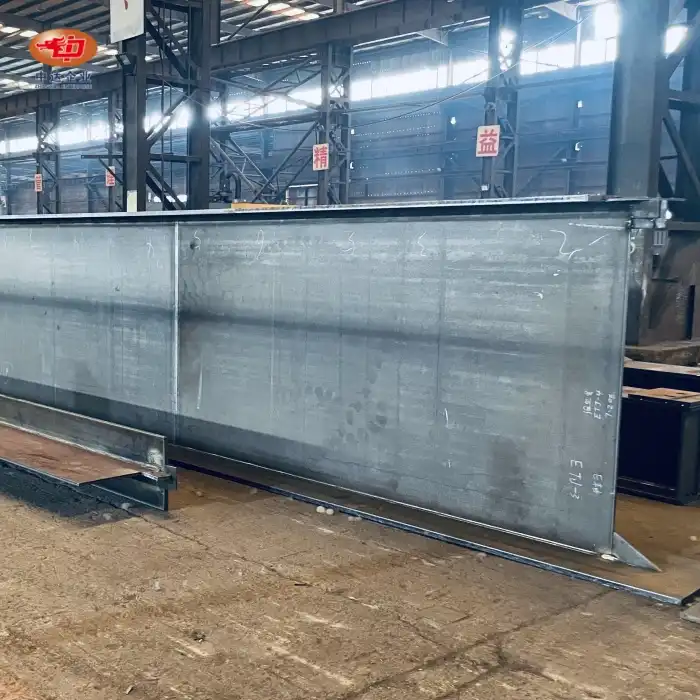
The ISO 9001:2015, ISO 14001:2015, and OHSAS 45001:2018 certifications for Zhongda Steel give purchasing teams faith in the company's quality management systems, which guarantee consistent delivery of goods. Our factory is spread out over 120,000 square meters and has 100-ton bridge cranes and high-tech cutting tools that can keep 0.2mm precise standards, which are needed for stadiums with complicated shapes.
The process of evaluating should give more weight to suppliers who have worked on large projects like stadiums before and have full testing facilities. Mill test certificates, dimensional verification methods, and coating quality reports are important pieces of paperwork for making sure a project is completed correctly and for backing up a guarantee for a long time. The 60,000-ton yearly production capacity of our plant makes sure that projects stay on schedule and quality standards are met throughout the manufacturing process.
Project Management and Timeline Optimization
Design creation, fabrication scheduling, and building sequencing are all parts of good project management that work together to get the job done faster and better. The way that design needs and structural powers are coordinated affects both the look of the building and how quickly it is built. Our BIM-driven prefabrication method makes it possible for exact coordination between what the designer wants and what is made, which avoids expensive changes in the field.
Protocols for communication between procurement teams, design professionals, and fabrication experts make sure that the needs of the project are clearly understood and met regularly. Regular quality checks and reviews of progress keep the project moving forward and find problems before they affect important goals. We've been able to finish jobs up to six months early thanks to this proactive method, even when the weather was bad.
Future Trends and Innovations in Steel Stadium Design
The changes in the design of steel stadiums show how technology and concern for the environment have affected modern building methods. New developments in materials science, computer modeling, and environmentally friendly production put steel construction at the top of the list for building the next wave of venues.
Green Steel Production and Advanced Alloy Development
New developments in steel production technology focus on lowering carbon emissions through hydrogen-based reduction methods and using more recycled material. These innovations meet the performance standards for structures while having a hugely positive effect on the environment. Zhongda Steel is committed to sustainable manufacturing, which means using energy-efficient production methods and waste-minimization rules that help clients reach their sustainability goals.
As alloys get better, it's possible to make steel types that are better for certain environments and performance needs. Our -60°C Weathering Steel Anti-corrosion Technology shows how new materials can be used in tough working conditions while still being durable over time. These special materials are especially useful for arenas that are built in places with extreme weather or near the coast, where regular steel types may break down more quickly.
Smart Infrastructure Integration and Adaptive Design
Modern steel stadiums are getting smarter tracking systems that can check on the health of the structure in real time and plan repair ahead of time. Stress levels, changes in temperature, and other external factors that affect long-term success are all tracked by embedded sensor networks. This method, which is based on data, lets you plan proactive repair that lowers costs while still meeting safety standards.
By adding green energy systems like structures for mounting solar panels and parts for making electricity from wind, arenas go from using energy to producing energy. Because steel is so flexible, it can be used to build these systems without changing the design or making a lot of structural changes. This flexibility makes sure that stadium designs will still be useful as energy rules change and stricter green standards are put in place.
Conclusion
Steel stadium building is the best way to build a modern location because it is environmentally friendly, long-lasting, and cost-effective. The material is very easy to recycle, and when paired with modern manufacturing methods and creative design ideas, it provides environmental benefits that are in line with today's procurement goals. Steel's excellent structure performance, such as its ability to withstand earthquakes and extreme weather, guarantees long-term safety and dependability. The modular building method cuts down on project timelines while reducing damage to the environment and waste from construction. As the building industry moves toward more environmentally friendly methods, steel stadiums offer the tested technology and performance features that help developers, builders, and government agencies complete successful projects that need world-class venue solutions.
FAQ
What makes steel stadiums more sustainable than other construction materials?
Steel stadiums are more environmentally friendly than other types of stadiums because they can be recycled 90% of the time, they take less time to build, and they leave a smaller carbon footprint over the course of their lifetime. The modular prefabrication method cuts down on waste production on-site by a large amount, and modern manufacturing techniques lower the amount of energy used during production.
How do steel stadiums hold up in areas prone to earthquakes and bad weather?
Steel works very well in earthquake zones up to VIII on the Mercalli scale because it is naturally flexible and strong for its weight. Structures can withstand earthquake forces without catastrophic failure thanks to advanced link systems and energy disposal devices. Through improved structural shapes and thorough load path design, wind resistance can go over 200 km/h.
What are the typical construction timelines for steel stadium projects?
Building a steel stadium usually takes 12 to 18 months, while building a similar concrete stadium takes 24 to 36 months. This 40% time savings comes from the ability to prefabricate modules, manufacturing processes that don't depend on the weather, and simplified assembly steps that make on-site building simpler.
How do procurement teams evaluate steel stadium suppliers?
A good way to judge a supplier is to look at their quality certifications (ISO 9001, EN 1090, and AISC compliance), their manufacturing skills (including lifting equipment and precise tolerances), their project portfolio that shows they've worked on stadium-sized projects before, and their thorough testing protocols that make sure materials can be tracked and performance is confirmed.
What future innovations are shaping steel stadium design?
New developments include making green steel using hydrogen-based reduction processes, integrating smart infrastructure with built-in monitoring systems, incorporating renewable energy, and creating advanced alloys that work best in certain environmental conditions while still meeting sustainability goals.
Partner with Zhongda Steel for Your Next Stadium Project
Zhongda Steel offers complete steel stadium options that blend top-notch engineering with environmentally friendly production methods. Our ISO-certified factory uses cutting-edge manufacturing technologies and 100-ton lifting capacity to make unique structural parts that meet the strictest project needs. We offer steel stadium providers the technical know-how and quality assurance they need to finish projects successfully. We have a track record of success in foreign markets and are dedicated to making sure every product is made precisely. Email our team at Ava@zd-steels.com to talk about how our steel stadium making services can help you with the next project to build a venue. Our engineers are ready to work with you to come up with new ideas that will meet your needs in terms of performance, sustainability, and cost-effectiveness.
References
American Institute of Steel Construction, "Sustainable Design and Construction of Steel Buildings: Environmental Considerations and Best Practices," AISC Design Guide 32, 2019.
World Steel Association, "Life Cycle Assessment Methodology Report: Steel Buildings and Infrastructure," Global Steel Industry Environmental Research Program, 2020.
International Association for Sports and Leisure Facilities, "Steel Structures in Sports Facility Design: Performance Standards and Sustainability Metrics," IAKS Technical Guidelines, 2021.
European Committee for Standardization, "Execution of Steel Structures and Aluminum Structures: Sustainability Requirements for Stadium Construction," EN 1090-2 Amendment, 2022.
American Society of Civil Engineers, "Seismic Design Criteria for Steel Stadium Structures in High-Risk Zones," ASCE/SEI Standards Committee Report, 2020.
Green Building Councils International, "Steel Construction and LEED Certification: Guidelines for Sustainable Stadium Development," GBCI Technical Manual, 2021.
YOU MAY LIKE
_副本_1754115287719.jpg "Galvanized Steel Column")