Customized Steel Frame Exhibition Hall Solutions
2026-03-27 11:24:23






Customized steel frame exhibition hall solutions are the peak of modern architectural engineering. They are the most flexible and stable structures available for business and industry. A steel frame exhibition hall has strong building parts and can be designed in a variety of ways. Its internal areas are column-free and perfect for trade shows, conventions, and big exhibitions. These pre-engineered structures are the best choice for global procurement professionals looking for reliable, flexible building solutions that can meet the needs of a wide range of industries. They are better at supporting weight while also being cost-effective and good for the environment.
Understanding Customized Steel Frame Exhibition Halls
Modern display areas need structures that are strong, flexible, and cost-effective all at the same time. These needs are met by steel frame exhibition halls, which use advanced engineering concepts and new ways of building that are better than standard methods.
What Defines a Steel Frame Exhibition Hall
High-quality building parts like H-beams, box columns, and space frame trusses are used in steel frame display halls to make large, column-free internal volumes. Most of the time, these structures have clear widths of more than 60 to 100 meters, which means they can hold shows of heavy equipment and complicated rigging systems. The pre-engineered design gets rid of the need for interior support columns, making the floor space more useful while also giving the lighting, HVAC systems, and display equipment that hangs from the ceiling a lot of weight to carry.


Steel types like Q355B and ASTM A572 Gr.50, which have yield strengths above 345 MPa, are used in the structure. This great strength-to-weight ratio lets builders make striking architectural features that will stay strong even when they are loaded and unloaded quickly. High-strength pins and advanced connection systems make it easy to put together quickly and make changes in the future, meeting the changing needs of exhibitions.
Superior Structural Benefits and Load-Bearing Capacity
Steel construction is clearly better than traditional wood and concrete building. The material is naturally flexible, which makes it very resistant to earthquakes. During an earthquake, it can bend in a controlled way instead of breaking in a big way. This trait is especially useful in areas prone to earthquakes where building rules require structures to be more resilient.
Load distribution powers are much better than standard building ways. Through smart bracing arrangements and the right size of members, steel frame systems effectively move both vertical and lateral forces. The wind load strength is usually higher than 0.5 kN/m2, which is the highest level required by strict international building standards. The efficient structure means that a smaller base is needed, which lowers the overall cost of the project and speeds up the building schedule.
Comparative Analysis: Steel vs. Traditional Materials
A lot of performance data shows that steel is better than other materials in many ways. When compared to cast-in-place concrete, construction times are 30–50% shorter. This is mostly because the panels can be made off-site and the link details are standard. Material stability gets rid of the quality differences that happen a lot with field-cast concrete. This makes sure that the structure will always work the way it's supposed to for as long as the building is used.
Environmental impact studies show that steel is better for recycling than other materials, with 90% of the material being recovered at the end of its life. When you think about how long the building will last and how it can be changed in the future, the carbon footprint calculations show that it has less stored energy. These sustainability measures are in line with stricter environmental laws and business responsibility programs that affect buying choices all over the world.
Designing and Building Your Customized Steel Frame Exhibition Hall
Strategic planning and organized execution are the keys to completing steel frame exhibition hall projects that meet specific operating needs and improve long-term performance and cost efficiency.
Critical Planning and Execution Phases
Before starting a project, the site needs to be thoroughly analyzed and the needs to be clearly stated. Geotechnical studies help set the guidelines for the base design, and environmental surveys find any problems that might affect the schedule for building and the choice of materials. Workshops with stakeholders set practical standards, such as the clear span lengths, ceiling heights, and specific loading conditions.
Building Information Modeling (BIM) software is used in design development to find the best structure layouts and find problems that might make them impossible to build. Three-dimensional models makes it possible to get correct estimates of quantities and works better with building, mechanical, and electrical systems. Clash recognition algorithms stop expensive changes to the field and speed up the approval process with regulatory authorities.
Modular vs. Fully Custom Design Approaches
Standardized parts with proven performance and faster delivery times are available with modular design methods. For normal exhibition needs, pre-engineered building systems are a cost-effective choice. They can be customized by changing the bay spacing, roof configurations, and facade treatments. These methods lower the cost of building while keeping the design flexible for most uses.
Custom solutions are made to fit the specific needs of the building and the way it is loaded. Customized engineering methods are needed for buildings with complicated shapes, upper levels that are built in, and special crane systems. Advanced analysis methods, such as finite element modeling, make sure that structures work at their best while also meeting different artistic and useful needs. The money spent on custom design creates unique exhibition areas that help people remember the brand and have a better time when they come.
Step-by-Step Construction Roadmap
The order of construction follows well-known methods that work best for putting together steel frames. As part of preparing the site, the base is put in place using precise anchor bolt placement that is checked by measuring methods. Quality control methods include trying the strength of the concrete and checking the sizes to make sure they work with the structure.
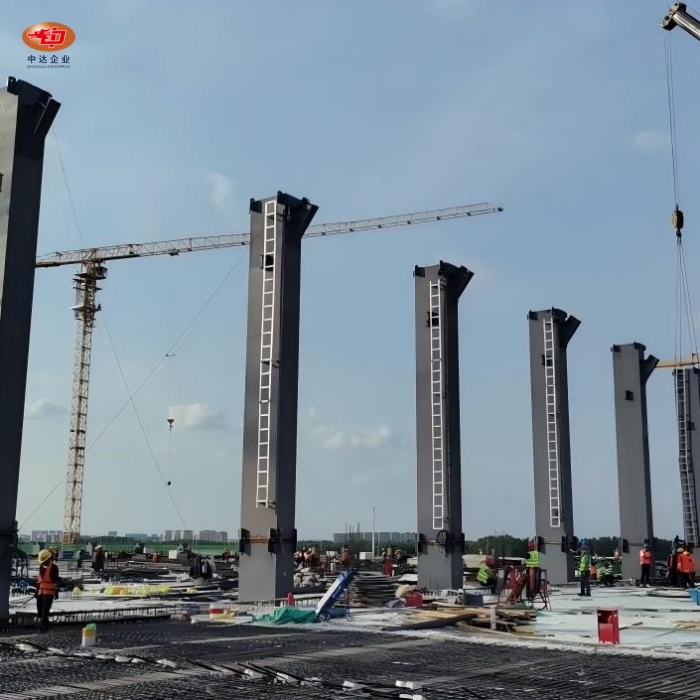
The process of putting up steel is organized, starting with the main structure and moving on to the minor sections and envelope systems. There are thorough lift plans that tell operators about the weights of the members, how far they need to reach, and any problems with getting to the spot. According to AWS D1.1 standards, connection inspection procedures check the force values of the bolts and the quality of the welds. These organized steps make sure that the structure is stable while keeping up with tight building schedules that are needed for the show venue to run.
Energy Efficiency and Sustainability Features
Advanced insulation systems and high-performance windows are used in thermal performance optimization to reduce the amount of energy used for operations. Continuous insulation methods get rid of thermal bridging through structure parts, which lowers the amount of energy needed to heat and cool big rooms. Smart building systems work with steel frame construction to control the temperature and lights automatically.
When choosing sustainable materials, it's important to use recycled materials and materials that come from nearby to cut down on shipping effects. Most steel parts are made with 25–30% recovered materials, which supports the ideas of the circular economy. Adding renewable energy is possible with solar panels placed on the roof and held up by properly built support systems. These environmentally-friendly features meet environmental rules and lower long-term operating costs.
Evaluating Material and Safety Factors in Steel Frame Exhibition Halls
Material performance and safety concerns are at the heart of smart choices about buying a steel frame exhibition hall. This means that structural qualities and compliance requirements need to be carefully examined.
Steel Strength and Resilience Compared to Alternative Materials
High-strength steel alloys have great mechanical qualities that make them perfect for use in show halls. Tensile strengths are usually between 400 and 550 MPa, which is much higher than options like metal and engineered wood. The 200 GPa elastic stiffness of the material makes sure that it doesn't bend too much under service loads, which is important for keeping accurate measurements when installing display equipment.
The ability to fight fatigue is especially useful for structures that are loaded and unloaded repeatedly because of temporary placements and crowd movements. Because steel has an endless fatigue life within limited stress ranges, you don't have to worry about the damage that builds up over time that can happen with other materials. Corrosion prevention through hot-dip galvanizing or advanced coating methods gives things a service life of 50 years or more, even in harsh settings.
There are aluminum options that are lighter, but they need bigger members to have the same hardness and strength. The lower freezing point of the material makes it less fire-resistant, so extra safety steps are needed. When life-cycle costs like upkeep and replacing are taken into account, cost comparisons always show that steel is the better choice.
Critical Safety Aspects and Code Compliance
Intumescent coatings that grow when exposed to heat are used as part of fire defense measures. This keeps structural pieces from getting too hot. International building rules say that these safety devices must provide fire ratings of two to four hours. Integrating sprinkler systems improves the ability to put out fires, and automatic smoke management systems make it safer to leave in an emergency.
For steel moment-resisting frame systems, seismic design rules are based on well-known rules. Special moment frame construction uses smaller beam sections and other standards for design to make sure that the plastic hinge forms predictably during big earthquakes. Base separation systems can be added to buildings in high-seismic zones to make them safer for people inside and keep operations running.
Detailed Cost Analysis and Warranty Provisions
When comparing initial investments, you need to look at the full cost of the project, which includes foundations, outer systems, and mechanical infrastructure. Steel's lighter weight means that foundations aren't needed as much, which often makes up for higher material costs. Speeding up the building process lowers the cost of financing and lets business exhibition centers start making money sooner.
Long-term upkeep costs are low because steel is strong and doesn't rust when it's properly covered. Most structural warranties cover problems with the materials or the way they were built for 10 to 20 years. Regular inspections and paint replacement are part of comprehensive care programs that make sure the structure keeps working well for as long as it was designed to.
Procurement and Supply Chain Excellence for Customized Solutions
To make sure that projects are delivered on time and on budget, global procurement plans need to carefully evaluate suppliers and handle the supply chain.
Criteria for Selecting Certified Manufacturers
Checking important certifications, such as ISO 9001 quality management systems and fabricator certifications from groups like AISC or similar foreign bodies, is the first step in qualifying a supplier. Audits of manufacturing facilities look at how much can be made, how quality is controlled, and how the facility manages its capacity. High-tech tools like CNC cutting and automatic welding systems show how advanced the technology needs to be for precise manufacturing.
Support for design planning, project management skills, and installation services are all examples of technical capabilities. Suppliers with their own engineering teams can offer complete solutions and still be responsible for the performance of the structure. Reviewing a project resume shows that you have worked on steel frame exhibition hall projects before and been able to complete them successfully within similar time and cost limits.
Product Options and Service Offerings
Prefabricated building systems offer standard options that have been shown to work well and are priced reasonably. These methods work well for normal show needs and give you choices for customizing architecture features and integrating building systems. Delivery times are usually between 12 and 16 weeks after an order is placed, which helps meet tight project deadlines.
Fully customized solutions are made to fit specific needs, like those with difficult shapes, special loading conditions, or building systems that work together. Engineering services include analyzing structures, coordinating architecture, and helping with regulatory approvals. As an extra value, we offer construction supervision, help with commissioning, and ongoing upkeep plans to make sure the best long-term performance.
Value-Added Services and Support
Installation support services include everything from expert advice to managing the whole building process. Field management makes sure that the right steps are taken for building and that quality control is followed, as well as dealing with unplanned site conditions. Training programs for local workers make it easier to install things and lower the risks of projects in foreign markets.
Regulatory permit help gets people through complicated approval processes and makes sure that codes are followed in many places. Organizations that are tight on money can still buy things they need by using financing options like buying tools and performance-based contracts. These wide ranges of services set providers apart and lower project risks and routine duties for clients.
Making the Right Decision: Why Customized Steel Frame Exhibition Halls are the Preferred Choice
Strategic study of different building options repeatedly shows that steel frame construction is better for display halls. This helps buyers make smart choices that maximize long-term value and operating performance.
Core Advantages: Flexibility, Cost Efficiency, and Longevity
Design freedom lets changes and additions be made in the future without having to make big structure changes. Standardized connection details make it easier to add bays, install mezzanines, and update mechanical systems over the life of the building. The ability to change is especially useful when the needs of a show or an operation change.
Cost-effectiveness analysis needs to look at all of a property's owning costs, such as the original cost of building, ongoing upkeep, and possible future renovations. Steel is very durable, so it doesn't cost much to maintain and works better in situations with changing loads. Insurance rates often represent the lower risk profiles that come with building with steel, which saves you even more money over traditional options.
With good upkeep and corrosion protection, structures can last longer than 50 years. Because the material doesn't break down easily in harsh environments, it will keep working well for a long time. The economic benefits of salvage value at the end of its life are not possible with concrete or wood construction. This supports green building practices.
Future Industry Trends and Technological Innovations
New technologies, such as digital manufacturing and automatic assembly systems, keep making steel construction better. Robotic machinery for welding and precise cutting improves quality control and lowers the cost of making things. Steel is now more affordable when compared to other building materials thanks to these technology advances.
Integration of building information models allows for better coordination between building systems and better structure designs. Using parametric design tools makes it easy to quickly compare different setups and find ways to save money. These digital processes speed up the delivery of projects and lower the risks of planning and building.
Conclusion
Customized steel frame exhibition halls are the best way to hold modern business and industrial exhibitions because they offer great structural performance at a low cost and with a lot of design options. Steel construction is the best choice for picky procurement workers because it has advanced technical skills, tried-and-true building methods, and a wide range of support services. Long-term value is provided by these structures' high longevity, low upkeep needs, and ability to respond to changing operating needs. This ensures that projects are completed successfully and beyond stakeholders' expectations.
FAQ
What factors determine the overall project cost?
The prices of a project rely on many factors, such as the need for a clear span, the complexity of the design, and the conditions of the site. Basic pre-engineered systems usually cost 15 to 25 percent less than fully customized designs, but they still work well enough for normal display uses. The foundation needs can be very different depending on the dirt and the seismic design factors. They could make up 10 to 20 percent of the total project costs.
How much material you need depends on the size of the building and how much weight it needs to hold. Installing heavy cranes or other specialized equipment raises the demands on the structure and the costs that come with it. Location affects the cost of transporting materials and the availability of workers, especially for foreign projects that need specialized teams for set-up.
How long does construction typically take?
Construction schedules rely on how complicated the job is and how long it takes to make the parts. Standard pre-engineered buildings need 8 to 12 weeks to be made and then another 4 to 6 weeks to be put together on-site. Complex unique designs may make the production process take 16 to 20 weeks longer, but the construction times will stay the same.
To keep general plans as tight as possible, site preparation work is done at the same time as fabrication. Depending on the size and complexity, building a foundation usually takes two to four weeks. After the structure is finished, it takes an extra 6 to 8 weeks to put the envelope and finish the internal systems. Timeliness can be affected by things like the weather and the time it takes to get a pass.
What maintenance requirements should be expected?
Protective coating systems and connection checking procedures are the main parts of routine maintenance. Every year, visible checks find corrosion problems and structural damage that needs to be fixed. Full inspections of the building every five years make sure that safety standards are still being met and show what fixes or improvements need to be made.
How often a coating needs to be replaced depends on how it was applied and what kind of security method was chosen at the start. In mild climates, hot-dip galvanized buildings may not need much upkeep for 20 to 30 years. Paint systems usually need to be replaced every 10 to 15 years to keep their rust protection working well.
Partner with Zhongda for Your Steel Frame Exhibition Hall Requirements
Zhongda Steel offers custom steel frame exhibition hall options that are among the best in the world. They are backed by 20 years of engineering excellence and global project experience. Our BIM-driven design skills, cutting-edge manufacturing technologies, and full installation support guarantee that projects will turn out better from the initial idea to the final approval. We are a certified steel frame exhibition hall maker with ISO 9001/14001/OHSAS 45001 credentials. We offer full turnkey solutions that are suited to your needs and business goals. Get in touch with our engineering team at Ava@zd-steels.com to find out how our new ways of doing things can help you get the most out of your next show building project while also giving you great value and performance.
References
American Institute of Steel Construction. "Design Guide for Steel Frame Exhibition Buildings." AISC Design Guide Series, 2023.
International Building Code Council. "Structural Design Requirements for Large Assembly Occupancies." IBC Technical Report, 2024.
Steel Construction Institute. "Comparative Life Cycle Assessment of Exhibition Hall Construction Methods." SCI Publication P401, 2023.
European Committee for Standardization. "Eurocode 3: Design of Steel Structures - Part 1-1: General Rules for Buildings." EN 1993-1-1:2024.
World Steel Association. "Sustainability Benefits of Steel Frame Construction in Commercial Buildings." WSA Technical Report, 2023.
Architectural Institute of Japan. "Seismic Design Standards for Steel Frame Exhibition Facilities." AIJ Design Standard, 2024.
YOU MAY LIKE
 Column_1745405748146.webp "Seismic-Resistant Steel-Reinforced Concrete (SRC) Column")