Steel Truss Bridge Wholesaler for Infrastructure Projects
2026-03-26 16:52:27






When purchasing steel truss bridges for infrastructure projects, procurement workers need to work with partners who know how complicated modern building needs are. Steel truss bridges are the backbone of traffic infrastructure because they can hold a lot of weight, are cost-effective, and can be put up quickly. These engineered structures use modern materials and tried-and-true design principles to provide long-lasting performance on roads, trains, and in factories around the world.
Understanding Steel Truss Bridges - Essential Knowledge for Buyers
The engineering behind steel truss bridges is based on triangular frames that spread loads evenly throughout the construction, making it very strong for its weight. Individual steel parts can be turned into unified systems that can span long distances and keep their structural integrity under different load conditions by using this geometric principle.
Fundamental Design Principles and Load Distribution
In steel truss designs, forces are routed through compression and tension members that are made up of linked triangles. Warren truss designs use alternate diagonal members to make load lines that work well, while Pratt truss systems use vertical members along with diagonals to get the most out of the materials they use. These arrangements allow spans between 30 and 150 meters, meeting the needs of a wide range of projects, from walking walks to heavy highway uses.
By making stiff links at each point, the triangular shape keeps the shape from changing when it's loaded. Modern ways of making things with ASTM A709 Gr.50 steel that has Z35 Z-direction features stop lamellar tears, so the frame will work well for a long time. In harsh environments, this material standard makes steel last longer than regular types, especially when used in construction.
Bridge Design Variations and Applications
Based on span length, loading conditions, and site constraints, different truss configurations are selected to optimize structural performance and cost. Parker trusses, with their variable depth, are well suited for longer spans where increased structural depth improves material efficiency and bending resistance. Howe trusses, by contrast, are often more economical for moderate spans, particularly in applications where simplicity of fabrication and construction is a priority. These variations allow engineers to balance structural efficiency with project cost constraints.
For highway uses, load ratings at the Highway-I level are common, and the highest capacity is 100 tons. This level can handle heavy business traffic and emergency car loads. Different types of loads are needed for railway uses, mainly concentrated wheel loads and dynamic forces from moving trains. For industrial uses, specific configurations are often needed to handle heavy equipment loads and meet the unique needs of production settings.


Advantages Over Alternative Bridge Types
When compared to concrete beam, suspension, and arch bridges, steel truss bridges have clear benefits. Construction times are cut down by a lot thanks to premade movable parts that can be put together quickly on-site. The cost of the materials stays low while offering higher load capacity per unit weight. This means that less foundation is needed, and the total project costs are lower.
When improved anti-corrosion treatments are used on properly built steel truss systems, they don't need much maintenance. With regular inspections, modern finishing systems that use 160μm thermal spray zinc, epoxy mica middle layers, and polyurethane topcoats can last longer than 50 years. Compared to hard options, which may need more frequent rehabilitation rounds, this lasts longer.
Choosing the Right Steel Truss Bridge Supplier for Your Project
To find the right steel truss bridge supplier, you need to carefully look at their professional skills, quality standards, and project completion experience. For infrastructure projects to be successful, they need to work with makers who offer stable quality, reliable delivery schedules, and full expert help throughout the whole procurement process.
Key Supplier Evaluation Criteria
Quality badges are basic signs of how reliable a seller is and how well their products are made. Getting an ISO 9001, 14001, or 45001 certification shows that you care about quality control, being good to the earth, and keeping your workers safe. Following EN 1090 standards guarantees that European structural steel standards are met, and AWS and JIS certifications confirm that welding methods and material requirements are correct.
Production capacity has a direct effect on how quickly projects can be finished and how well suppliers can handle big orders. Heavy-duty parts can be handled quickly and to quality standards in facilities that can hold 60,000 tons per year and have a 50-ton crane. Vertically integrated operations, which include everything from planning to building, make sure that projects are coordinated smoothly and that quality control is maintained throughout the whole production process.
Manufacturing Capabilities and Customization
Advanced manufacturing skills let providers create unique solutions that meet the needs of a wide range of projects. BIM-driven prefabrication methods make the best use of materials and make sure that parts fit perfectly when they are put together. Cutting very thick plates with a range of ±0.2mm shows the level of production accuracy needed for complicated truss shapes and connection details.
Emergency reaction skills are very important differentiators for providers working on important building projects. Innovative and quick-to-deploy detachable bridge systems that can cross 200-meter rivers in 50 hours show that they are good at both. These skills are very useful for responding to disasters, setting up temporary structures, and working on projects with short deadlines.
Proven Track Record and Client Relationships
When a supplier has worked on big projects in the past, it shows what professional skills and project management skills they have. Companies whose work includes building train facilities, expanding expressways, and building in other countries show that they are flexible and can do well in a wide range of situations. When client renewal rates are higher than 70%, it means that clients are consistently happy and that the partnership is stable.
Geographic spread and experience working with people from other countries help sellers deal with complicated rules and cultural issues. For projects that go across multiple countries, you need providers who know how to deal with different design standards, transportation issues, and different building methods used in each area. This world view makes sure that projects go smoothly no matter where they are or what the rules are.
The Steel Truss Bridge Procurement Process - Step-by-Step Guide
Getting a steel truss bridge takes careful planning and execution across several project steps. Procurement experts can predict needs, make good use of resources, and work with suppliers to get the best project results when they understand each step.
Initial Project Planning and Assessment
Before planning a project, the place must be carefully examined to find out about its surroundings, load needs, and any rules or restrictions that apply. Things in the environment, like earthquakes, wind loads, and changes in temperature, affect the design specs and the materials that are used. Load studies look at things like traffic trends, types of vehicles, and future capacity needs to make sure the service lasts as long as it should.
Cooperating with local governments, transportation offices, and environmental agencies is part of following the rules. Different places have different design standards, so providers need to know what the relevant codes and licensing needs are. International projects may involve more than one set of rules, so sellers need to know how to handle complicated approval processes.
Fabrication Workflows and Quality Controls
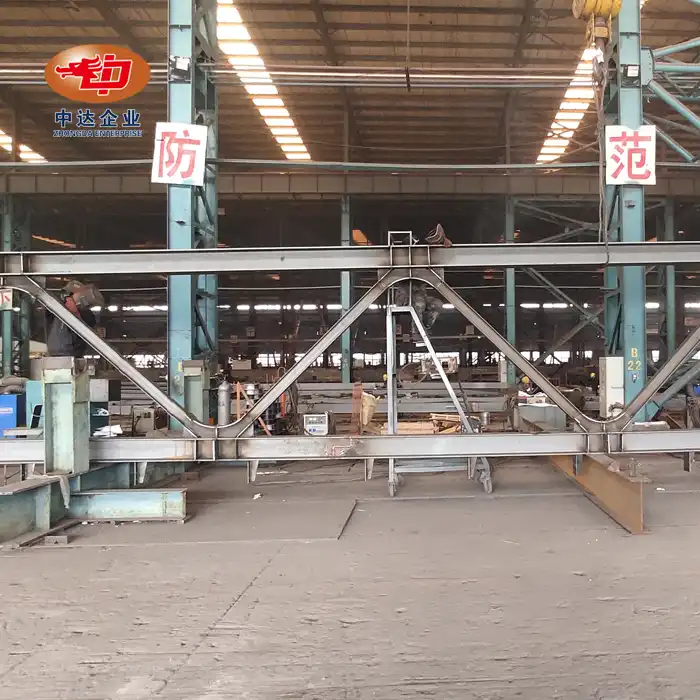
During all stages of production, strict quality control methods are built into the manufacturing process. Full-node inspection with Magnetic Particle Testing (MT) and Ultrasonic Testing (UT) methods makes sure that important link places are structurally sound. These non-destructive testing methods find possible flaws in parts before they leave the factory, which keeps expensive repairs from having to be made in the field.
During surface cleaning, multi-layer coating methods are used to protect against corrosion for a long time. The thermal spray zinc coating forms metallurgical links with the base steel, and the epoxy mica intermediate coats protect against damage. Polyurethane topcoats don't break down when exposed to UV light or the elements, so they keep their protective qualities for the whole life of the building.
Installation Management and Quality Assurance
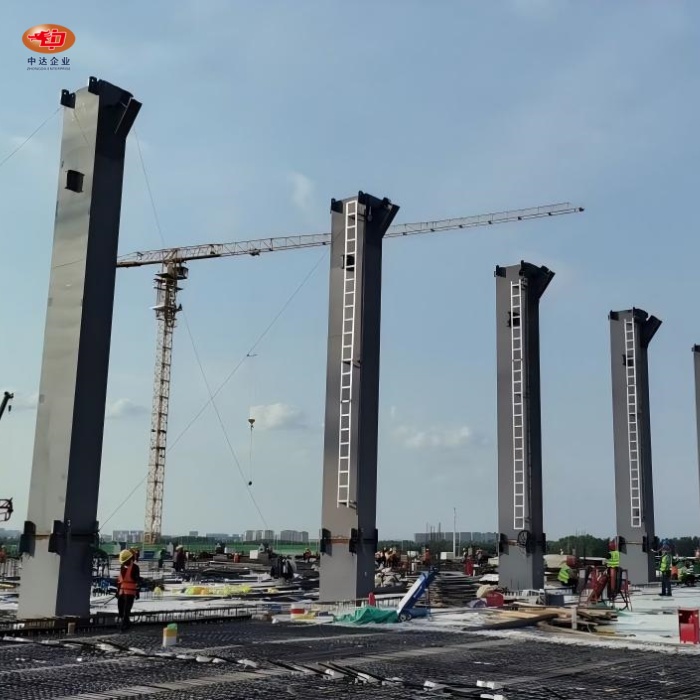
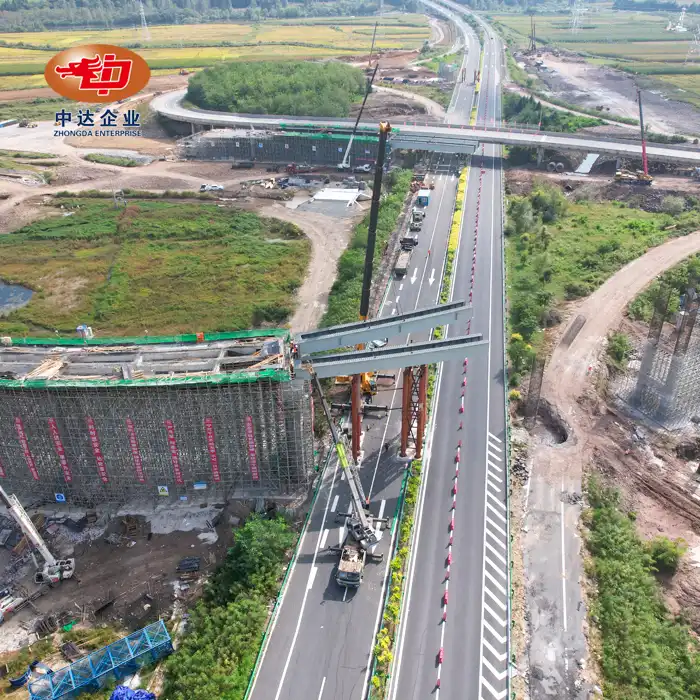
To coordinate building work on-site, you need project management teams with a lot of experience who know how to put things together safely and in complicated ways. Modular design methods allow multiple building tasks to be done at the same time, which shortens the overall construction time. During pre-assembly testing, the fit and link of parts are checked before they are finally put together. This keeps things on schedule and ensures quality results.
Ensuring the quality of the installation means following strict checking procedures at every stage of the building process. Checking the connection torque, measuring the alignment, and doing final checks make sure that the work meets the plan requirements. Documentation methods make lasting records that can be used to back up warranty claims and future repair tasks.
Why Steel Truss Bridges Are Ideal for Modern Infrastructure Projects?
For modern infrastructure to work, bridge systems need to be able to balance speed, sustainability, and cost-effectiveness over longer service lives. These needs are met by steel truss bridges, which use tried-and-true design principles, cutting-edge materials, and production methods that make the best use of resources while still providing solid performance.
Performance Advantages in High-Traffic Applications
Managing the amount of traffic on the roads needs bridge systems that can handle a wide range of load situations and keep their structural integrity over many years of use. Steel truss designs easily spread loads across multiple load paths, avoiding stress concentrations that could weaken the structure. This ability to spread out the load means that bridges can handle more traffic without breaking down too quickly.
When loads are changing, steel truss systems work better than more fixed options because of how they respond to dynamic loads. Because truss designs are naturally flexible, they can absorb impact forces and spread out stress, which makes them last longer when they are loaded and unloaded over and over again. This speed edge is especially useful in situations with a lot of traffic where the load is constantly changing.
Sustainability and Environmental Benefits
When compared to other types of bridges, steel truss design that makes good use of materials uses fewer resources generally. Optimized member sizes and smart placing of materials reduce the amount of steel needed while still meeting the load requirements. Recyclability of structural steel allows for recovery at the end of its useful life, which helps the circular economy and lowers its environmental effect.
When looking at carbon impact, steel truss bridges are better because they require less shipping and can be built faster. Prefabricated components cut down on the amount of work that needs to be done on-site, which means less noise and pollution for the neighborhood. When compared to cast-in-place options that need longer building times, accelerated construction plans lower overall project carbon footprints.
Case Studies and Proven Applications
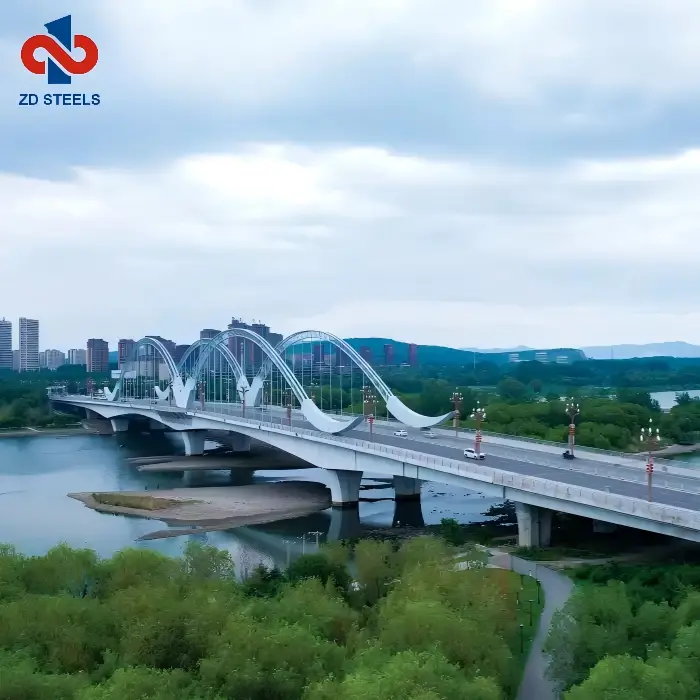
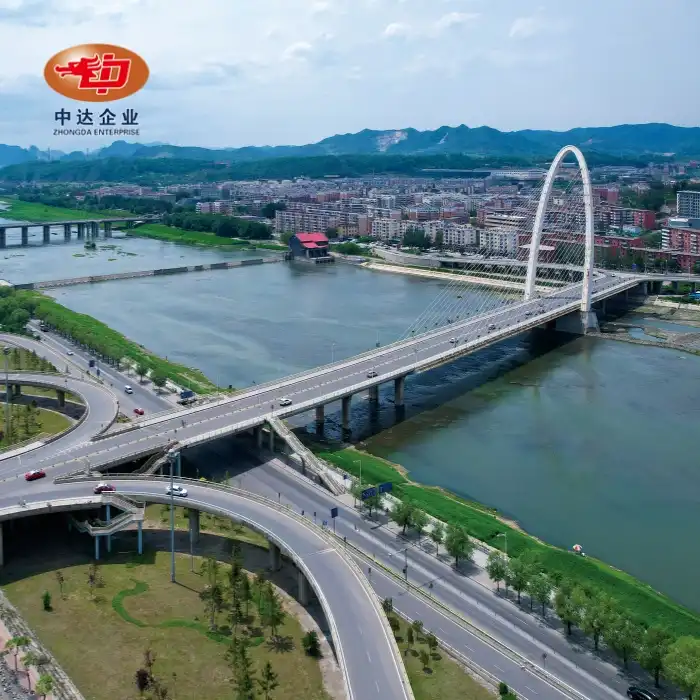
The 18,000-ton Shenyang Dongta Cross-Hunhe River Bridge shows how steel trusses can be used in large-scale infrastructure projects. This project shows the high-tech engineering and manufacturing skills needed for large-scale river bridges. Finishing a steel truss job on time and on budget proves that it works well for difficult infrastructure tasks.
International projects, like the Arctic bridges in Russia and the mining structures in Australia, show that steel truss can be used in harsh environments. Specialized materials and coating systems that work effectively in tough environments are needed for these uses. Successful operations prove design methods and industrial skills that are needed to build up infrastructure around the world.
Making Informed Decisions: Comparing Steel Truss Bridges with Alternatives
Before making a purchase choice, all available bridge technologies must be carefully examined, taking into account their performance, lifecycle costs, and the unique needs of the project. Being aware of the pros and cons of different options lets you choose the best solutions for different uses and settings.
Structural Performance Comparison
A study of load capacity shows that steel trusses are stronger and lighter than concrete beam and arch options. Steel configurations can hold more weight while weighing less, so they don't need as much base and cost less total. Comparing span capabilities shows that steel truss is competitive in medium- to long-span situations where saving material is important.
The surroundings and how the material is maintained have more of an effect on its durability than its basic qualities. When properly covered, steel systems have service lives that are similar to concrete options while being easier to fix. Localized repairs can fix specific parts without having to rebuild the whole thing, which saves money over the life of the structure compared to massive options.
Economic Analysis and Cost Factors
When comparing initial costs, it's important to look at the full cost of the project, which includes foundations, approaches, and building tasks. Due to lower dead loads, steel truss bridges often need smaller supports. This helps to cover the higher costs of materials by reducing the amount of earthwork and concrete that needs to be done. Timeliness advantages in construction cut down on secondary costs and allow projects to be finished earlier.
A lifecycle cost study looks at how much it will cost to maintain, check, and replace something over its expected service life. Over their 50-year design lives, steel truss systems that are properly protected against rust need very little upkeep. Predictable upkeep plans help with accurate planning over the lifecycle of a bridge and lower the risk of unexpected repair costs that can affect other types of bridges.
Installation and Construction Considerations
There are big differences in how hard different bridge options are to build, which affects project timelines and prices. Steel truss systems allow prefabrication, which cuts down on the time and weather dependence of building on-site. Compared to cast-in-place methods, modular building methods cause less traffic problems and lower safety risks in work zones.
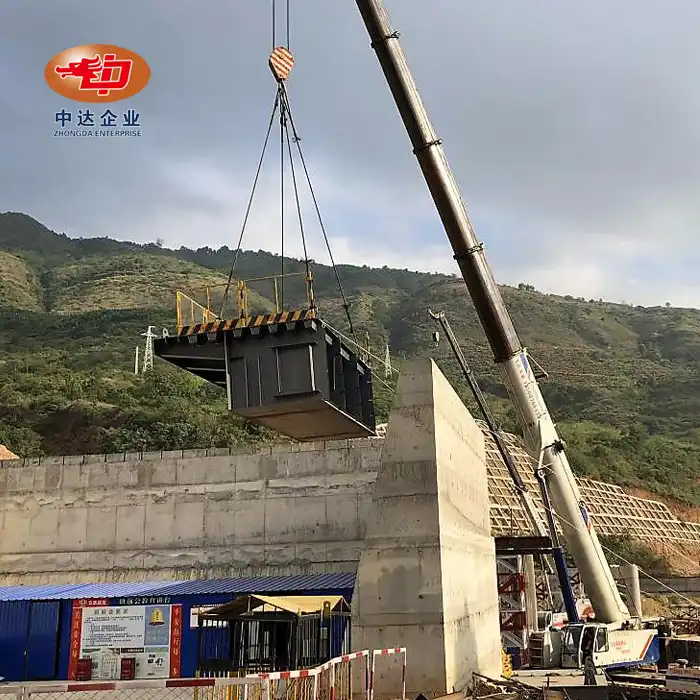
Tools needed to place steel trusses usually include standard building cranes and tools for moving things. Specialized formwork, concrete pumping, and longer curing times needed for concrete options can make it harder to move things around during building and push back project plans. These things have a bigger effect on projects that are far away or in places with few building support facilities.
Conclusion
Steel truss bridges are the best choice for modern building projects that need to be stable, cost-effective, and able to be put in place quickly. Modern materials, like ASTM A709 Gr.50 steel, which has better properties, along with tried-and-true manufacturing methods and strict quality checks, make sure that structures stay strong in a wide range of situations. As a result of their modular design, high load capacity, and long lifespan, steel truss systems are the first choice for procurement professionals around the world who are in charge of building complicated infrastructure. For projects to be successful, they need to work with experienced providers who can show they have the technical know-how, production skills, and dedication to quality standards throughout the whole process of buying and building.
FAQ
What load capacities can steel truss bridges handle?
Steel truss bridges can handle a wide range of loads, from light walking traffic to heavy highway traffic. Highway-I level grades allow for loads of up to 100 tons, which is enough for business trucks and emergency vehicles. Higher capacities can be reached in custom setups by using the right size members and specific link details.
Steel truss systems can handle concentrated loads better than other designs because they distribute the load through triangle frames. Multiple load lines stop severe failure modes and add redundancy, which makes the structure more reliable. Dynamic load factors take into account the noises and contact forces that come from traffic that is moving.
How long do steel truss bridges typically last?
If they are built and maintained correctly, steel truss bridges should last more than 50 years. Modern anti-corrosion systems, such as thermal spray zinc and multi-layer protection coats, make things last a lot longer. Service lives of 75 to 100 years can be reached through proactive intervention methods like regular inspection and repair programs.
Longevity is affected by environmental factors more than by basic design features. Coastal areas with salt air need stronger protection systems, while uses inland with mild weather may last longer than thought. Design and protection measures that are right for the climate ensure long-term success in a wide range of operating circumstances.
What customization options are available for specific projects?
Modular design methods allow for a lot of change to meet the needs of a particular project. Optimum truss levels and member configurations let span lengths range from 30 to 150 meters. Warren and Pratt truss choices give you the freedom to get the best performance for any load and span mix.
Customizing the load capacity allows for a wide range of uses, such as industrial equipment loads, railroad needs, and emergency car entry. Details about the connections change depending on the support factors and the needs for growth. Aesthetic improvements can include building details while still meeting the needs of structural performance.
Partner with Zhongda for Your Steel Truss Bridge Requirements
Infrastructure projects need steel truss bridge suppliers who are both technically excellent and dependable in how they carry out projects. Zhongda Steel Structure Engineering offers complete solutions, from the initial planning phase to the final installation phase. Their ISO-certified quality systems and extensive foreign experience back up their work. Our advanced production skills, such as the ability to produce 60,000 tons of steel every year and our unique emergency bridge systems, let us meet the needs of a wide range of projects while still meeting tight deadlines. Send an email to Ava@zd-steels.com to talk to our engineering team about your unique project needs and get personalized offers.
References
Chen, W.F., and Duan, L. "Bridge Engineering Handbook: Construction and Maintenance." CRC Press, 2014.
American Institute of Steel Construction. "Steel Construction Manual, 15th Edition." AISC, 2017.
Barker, Richard M., and Puckett, Jay A. "Design of Highway Bridges: An LRFD Approach, 3rd Edition." John Wiley & Sons, 2013.
Troitsky, M.S. "Steel Truss Bridges: Design and Analysis Methods." James F. Lincoln Arc Welding Foundation, 2018.
Federal Highway Administration. "Steel Bridge Design Handbook: Truss Bridges." U.S. Department of Transportation, 2015.
European Committee for Standardization. "EN 1090-2: Execution of Steel Structures and Aluminium Structures - Technical Requirements for Steel Structures." CEN, 2018.
YOU MAY LIKE
_1746242570299.webp "Large-Diameter Tunnel Boring Machine")