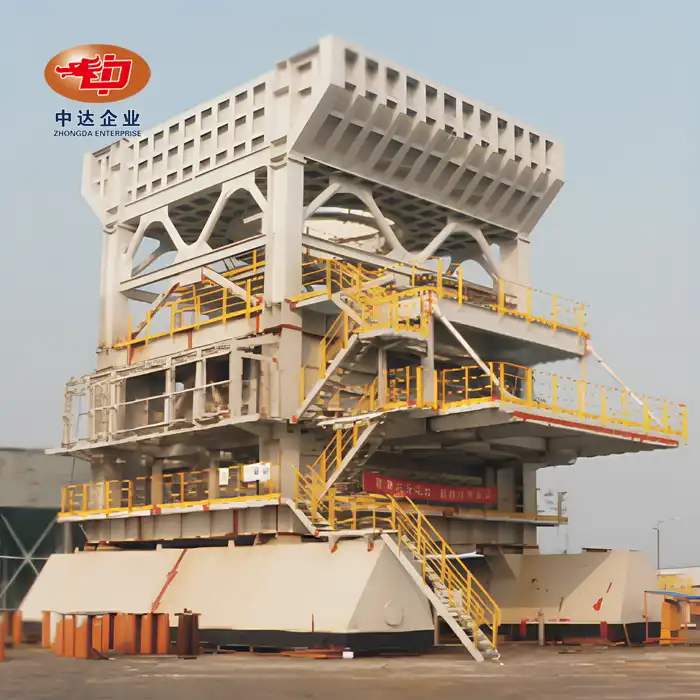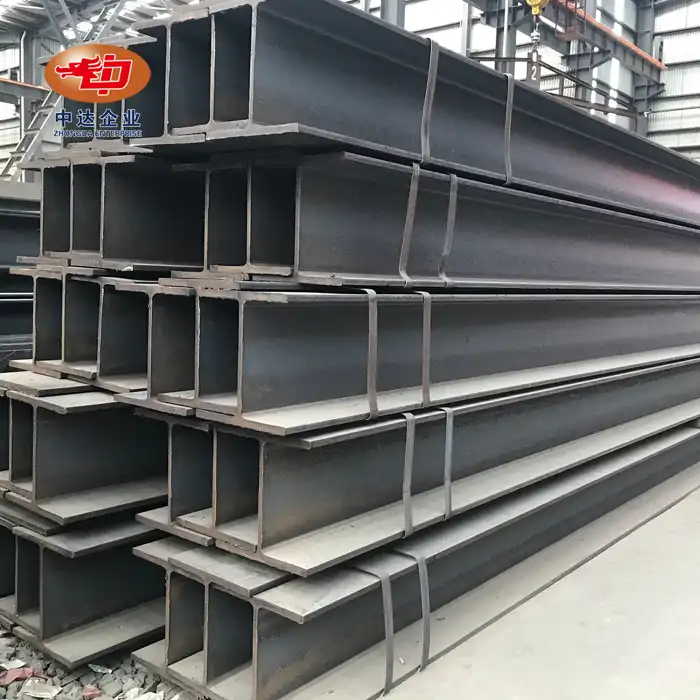






Infrastructure steel is the most important part of modern construction and industry projects. It gives bridges, highways, business buildings, and energy centers their power and durability. Choosing the right steel materials has a direct effect on the success of the project, the strength of the structure, and how well it works in the long run. Engineers and procurement managers who choose the right steel grades and specs can avoid costly delays, cut down on upkeep needs, and make sure that strict safety standards are met. This detailed guide talks about many important topics, such as the different kinds of steel, their features, how to buy them, and how to judge a seller. If you're in charge of business building projects, creating renewable energy installations, or industrial facilities, knowing the basics of infrastructure steel will help you make decisions that are best for both performance and budget.
Understanding Infrastructure Steel: Types, Grades, and Properties
Defining Infrastructure Steel Applications
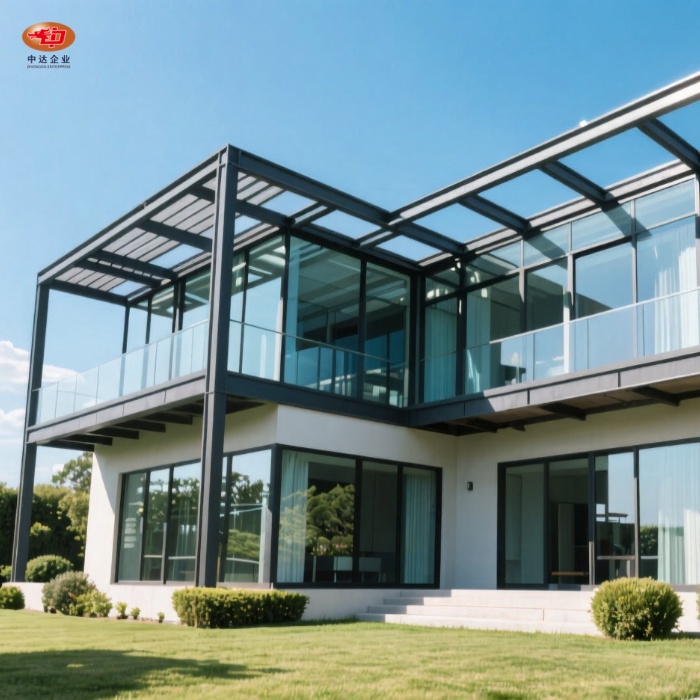
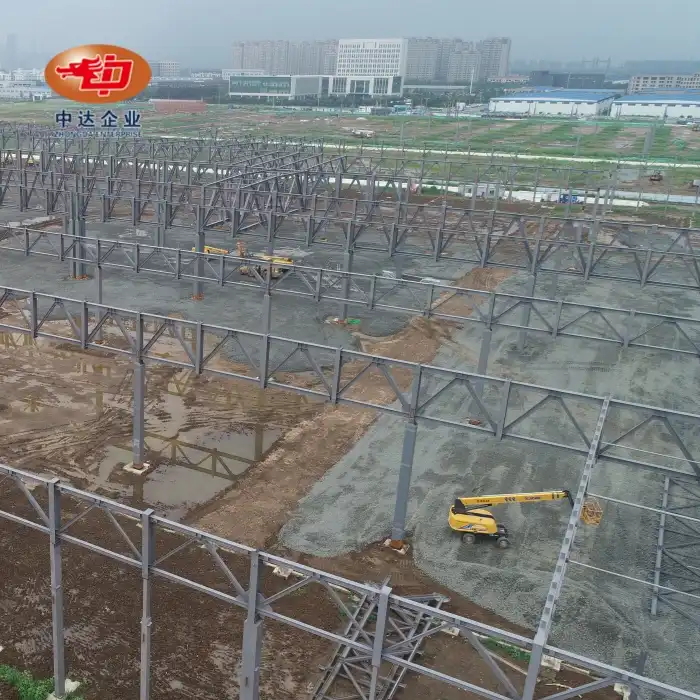
Infrastructure steel includes special materials that are made to last in harsh conditions like those found in important building projects. These steels are not like other building materials because they have to go through a lot of testing and approval to make sure they meet strict requirements for load-bearing, rust resistance, and temperature tolerance. Overpasses over highways, train systems, airport hubs, port facilities, and industrial processing plants are all important examples of infrastructure where structural failure can have very bad results.
Common Steel Categories and Mechanical Properties
Carbon steel types are most often used in structures because they are strong for their weight and don't cost much. High-strength low-alloy (HSLA) steels are better at withstanding weather while still being able to be welded together to make complex structures. When steel with copper and chromium added to it weathers, protective metal layers form that mean painting isn't needed in many situations. Each group has its own benefits that depend on the conditions of exposure, the load that needs to be carried, and the upkeep that needs to be done.


International Standards and Compliance Requirements
North American infrastructure projects are governed by ASTM standards. Grades like A588 and A709 describe the chemical make-up and dynamic qualities of bridges. European EN standards make sure that foreign projects have the same requirements, and ISO certifications make sure that everything works together everywhere. When buyers know about these standards, they can choose products that meet government standards and make the buying process more efficient in a variety of markets and uses.
Comparing Infrastructure Steel with Other Steel Types for Procurement Decisions
Performance Characteristics and Application Suitability
Infrastructure steel is very different from structural and strengthened steel in terms of what it is made of, how it is tested, and what it can be used for. While structural steel is mostly used for building frames, infrastructure grades have better protection to rust, fatigue, and natural wear and tear. These materials have to go through stricter quality control and approval methods because they are so important to public safety and long-term performance.
The higher price of infrastructure steel is justified by its better properties, which lower its lifetime costs and upkeep needs. These newer materials are very helpful for projects that need to last at least 50 years. This is especially true in tough environments or high-traffic areas where the cost of replacement materials is much higher than the initial investment in the materials.
Cost Analysis and Value Optimization
When making purchases, people have to weigh the beginning prices of materials against the long-term benefits in terms of performance. Because it has to be made in a certain way and go through a lot of tests, infrastructure steel usually costs more. But because they need less upkeep, last longer, and are more reliable, they often have a lower total cost of ownership than normal options.
Long-term ties with suppliers and buying in bulk can cut unit costs by a lot while still making sure that materials are available on time for projects. When considering steel choices and supplier offers, buyers should think about all of the project's needs, such as how the steel will be transported, handled, and installed.
How to Choose the Right Infrastructure Steel for Your Project?
Project Requirement Assessment
A thorough study of the project, including load calculations, environmental exposure assessments, and legal compliance requirements, is the first step to choosing the right materials such as infrastructure steel. When engineers choose steel types and protective treatments, they have to think about both steady and dynamic loading conditions, changes in temperature, exposure to moisture, and the chance of chemical contact.
Design life expectations significantly influence material selection decisions. Standard carbon steel grades with the right protective coats can be used for projects that need to last 25 years. On the other hand, weathering steel or specific alloy grades that don't rust need to be used for 75-year bridge designs.
Technical Specification Development
The material specs should include the minimum yield point, the tensile strength needed, the impact resistance at service temperatures, and the weldability for field assembly. Corrosion resistance is very important in marine settings, chemically exposed industry areas, or places where winters are harsh and road salt is used.
Quality assurance standards, such as mill test certificates, third-party inspection methods, and delivery documents, make sure that materials meet the needs of the project and help the building process go smoothly. Clear blueprint development keeps projects on schedule and on budget, and it also makes sure that the structure works well for the whole design life.
Procurement Guide: Finding Reliable Infrastructure Steel Suppliers and Pricing Insights
Supplier Evaluation and Qualification
Qualified providers have ISO approval, the ability to comply with ASTM standards, and well-established quality control systems that make sure materials have stable properties and deliveries happen on time. When judging a company, you should look at their production ability, regional coverage, technical help, and history with projects like the one you're evaluating.
Checking references from past customers for infrastructure steel gives you an idea of how well a seller does their job, how well they can solve problems, and how reliable they are overall, especially when the project is tough. Value-added services like cutting, drilling, or surface preparation can help suppliers keep quality control while lowering project costs and meeting schedule needs.
Market Pricing and Negotiation Strategies
The price of steel changes based on the cost of raw materials, the amount that can be made, and the demand cycles in the market. By understanding these factors, you can plan when to buy things and negotiate long-term supply deals more effectively. Commitments to buy in bulk and open delivery times can often lead to good prices and the supply of materials.
Transportation and logistics represent significant cost components, particularly for remote project locations or international sourcing arrangements. Suppliers with established distribution networks and freight management skills can lower the total cost of delivery while still making sure that schedules are met and quality is maintained during travel and handling.
Company Introduction and Product & Service Information
Since 2004, Zhongda Steel has been a recognized leader in precision infrastructure steel solutions. Our modern 120,000 square meter facility in the Shenyang Economic-Technological Development Zone serves customers all over the world. Our long list of certifications, which includes ISO 9001, ISO 14001, OHSAS 45001, and EN 1090, shows that we are always dedicated to meeting the quality and safety standards that building projects need.
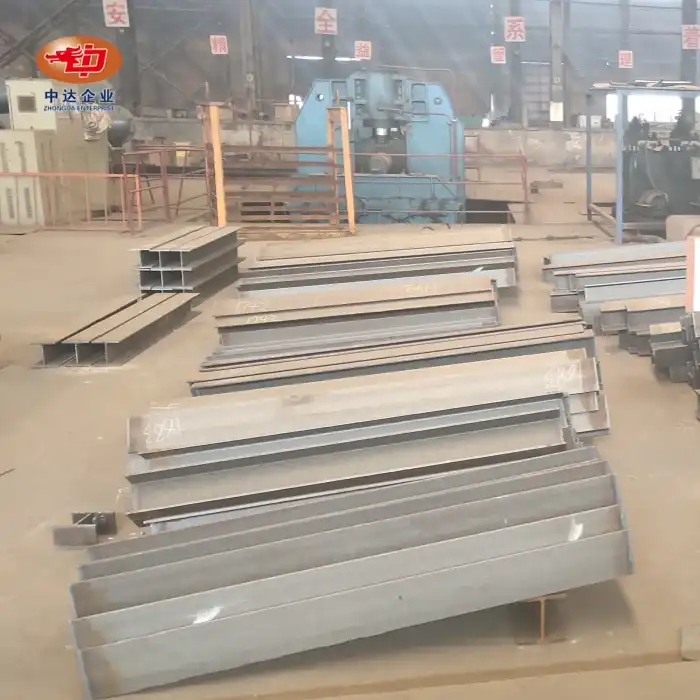
We can do advanced manufacturing with BIM-driven prefabrication technology, our own -60°C weathering steel anti-corrosion processes, and cutting services with ±0.2mm standards. These skills let us deliver complicated structure parts that exactly match your needs, cutting down on the time needed for assembly in the field and guaranteeing a perfect fit during building.
China Railway, CSCEC, and BMW are some of the biggest names in our field, and they trust us to complete difficult projects like Arctic bridges in Russia, mining equipment buildings in Australia, and industrial facilities in Vietnam. Our 60,000-ton annual production capacity lets us meet the needs of both large-scale infrastructure projects and specialized manufacturing needs, all while keeping quality and service performance high.
Conclusion
When choosing the right infrastructure steel, you need to think carefully about the needs of the project, the environment, and how well you want it to work in the long run. Knowing about the different types, grades, and qualities of steel lets you make smart buying choices that minimize costs and maximize value over time. For projects to be successful, they need providers that are qualified, have the right technical knowledge, safety certifications, and can deliver on time. Investing in high-quality infrastructure steel materials usually pays off in a big way: less upkeep is needed, the building lasts longer, and it is more reliable, which protects public safety and project investments.
FAQs
What factors decide which type of steel is best for building bridges?
The type of steel used for a bridge relies on the length of the span, the amount of traffic, the environment, and the design life standards. ASTM A709 types offer great resistance to wear and weldability, and weathering steel can be used in many situations instead of paints. Calculating loads, thinking about earthquakes, and ease of upkeep are some of the other things that affect material choices.
In what ways do ASTM and EN standards change the way infrastructure steel is bought?
In North America, projects are governed by ASTM standards, which spell out the chemical make-up, mechanical qualities, and testing needs for infrastructure uses. EN standards give projects in Europe and around the world the same set of rules. Understanding the relevant standards makes sure that materials are compatible and that regulations are followed, and it also opens up possibilities for global buying.
What do qualified infrastructure steel dealers do better than regular ones?
Certified producers guarantee quality by having written testing methods, mill test certificates, and tracking systems that check the properties of materials and the processes used to make them. They also provide expert support, specialized processing, and dependable delivery schedules that lower project risks and guarantee the successful finishing of important building projects.
Partner with Zhongda for Your Infrastructure Steel Requirements
Zhongda uses cutting-edge technology and 20 years of experience making high-quality products to make infrastructure steel solutions that go above and beyond what the industry requires. Our expert team helps with everything from choosing the right materials to finishing the job, making sure it works well and doesn't cost too much. As a top manufacturer of infrastructure steel, we can meet your needs for affordable prices, global logistics, and thorough technical paperwork. Email us at Ava@zd-steels.com to talk about your unique needs and get suggestions that will help your project succeed.
References
American Institute of Steel Construction. "Steel Design Guide 3: Serviceability Design Considerations for Steel Buildings." AISC, 2020.
Fisher, J.W., et al. "Fatigue and Fracture in Steel Bridges: Case Studies." John Wiley & Sons, 2019.
Kulak, G.L., Fisher, J.W., and Struik, J.H.A. "Guide to Design Criteria for Bolted and Riveted Joints." American Institute of Steel Construction, 2018.
Galambos, T.V., et al. "Structural Steel Design: LRFD Approach." Pearson Education, 2021.
ASTM International. "Standard Specification for Structural Steel for Bridges." ASTM A709/A709M-20, 2020.
European Committee for Standardization. "Execution of Steel Structures and Aluminum Structures: Technical Requirements for Steel Structures." EN 1090-2:2018, 2018.
_副本_1758525665999_1789372930836.jpg "steel frame structures")
_副本_1754121416739.jpg "Prefabricated Steel Structure Stadium")