Airport Steel Structure ROI: Long-Term Value & Maintenance
2026-07-15 14:15:45






When looking at investments in infrastructure, it's important to know that the return on investment for an airport steel structure goes far beyond the cost of building it. Frameworks for modern airports need to be able to do their job right away and reliably for decades. Steel frames for airports, hangars, and support buildings have great strength-to-weight ratios and can be easily modified to meet changing operating needs. Because they are naturally long-lasting, can be recycled, and have low lifecycle costs, they are smart financial choices for government contractors, building companies, and facility managers who want to build facilities that will work well in tough aviation settings for a long time.
Understanding Airport Steel Structures and Their Long-Term Value
When it comes to building, aviation infrastructure is one of the toughest places to work because any problems with the structures can have terrible effects. These problems can be solved by steel frames, which have been designed to be very precise and have performance qualities that concrete options have a hard time matching.
Why Steel Dominates Modern Aviation Construction
The aviation industry is moving toward building with steel because it has basic technical benefits. Steel's high strength-to-weight ratio makes it possible for clear-span designs that are needed for airport terminals and facilities that work with planes. At Zhongda, we've designed hangars that are more than 80 meters long without using any middle piers, which would be too expensive to do with normal materials. This freedom of space directly translates to practical flexibility, as airports adapt to changing service needs and airplane sizes.
Because engineers can predict how steel will react to stress, they can make every beam and link work better. We figure out exact load distributions for frame structures, truss assemblies, and grid systems using advanced BIM-driven prefabrication. Our plans take into account live loads from operations, dead loads from things like roofs and fixed equipment, and important weather factors like wind speeds over 150 mph and seismic forces in busy zones.
Lifecycle Economics That Matter to Procurement Professionals
When you look at total ownership costs instead of just building funds, the financial case for steel becomes stronger. With proper upkeep, steel buildings can last between 40 and 50 years, which is a lot longer than many other options and requires fewer invasive repairs. Over twenty years, our projects for foreign airports have shown that they require 30% to 35% less upkeep than concrete structures.
Material that can be recycled adds a lot of value at the end of its life that is often missed in the initial analysis. About 90% of steel's value can be recovered through recycling and reworking. This means that buildings can be used to recover real assets when they are renovated or repurposed. This benefit of the cycle economy fits in with stricter rules about sustainability that affect buying public infrastructure.
Key Factors Influencing ROI Through Design and Engineering
Decisions about strategic planning made when a project is first thought of have direct effects on running costs for decades. Steel goes from being a common material to a strategic tool with the help of advanced engineering.
Structural Integrity Through Standards Compliance
We design every part to go above and beyond the standards set by ISO 9001, EN 1090, and ASTM, which guide building around the world. Our plans use steel types Q235 and Q355, which were chosen based on how the loads will act in each structure. Yield strength, tensile properties, elongation behavior, and impact toughness are all checked by strict testing methods. This makes sure that the material is reliable in a wide range of temperatures, from -60°C in the Arctic to 100°C in the desert.
Finite element modeling is used to thoroughly look at column grid lengths, beam height-to-span ratios, and link details. When compared to traditional design methods, this level of computational accuracy cuts down on material waste by 15 to 20 percent while still meeting the safety standards of the strictest regulatory systems.
Precision Modeling Reduces Cost Overruns
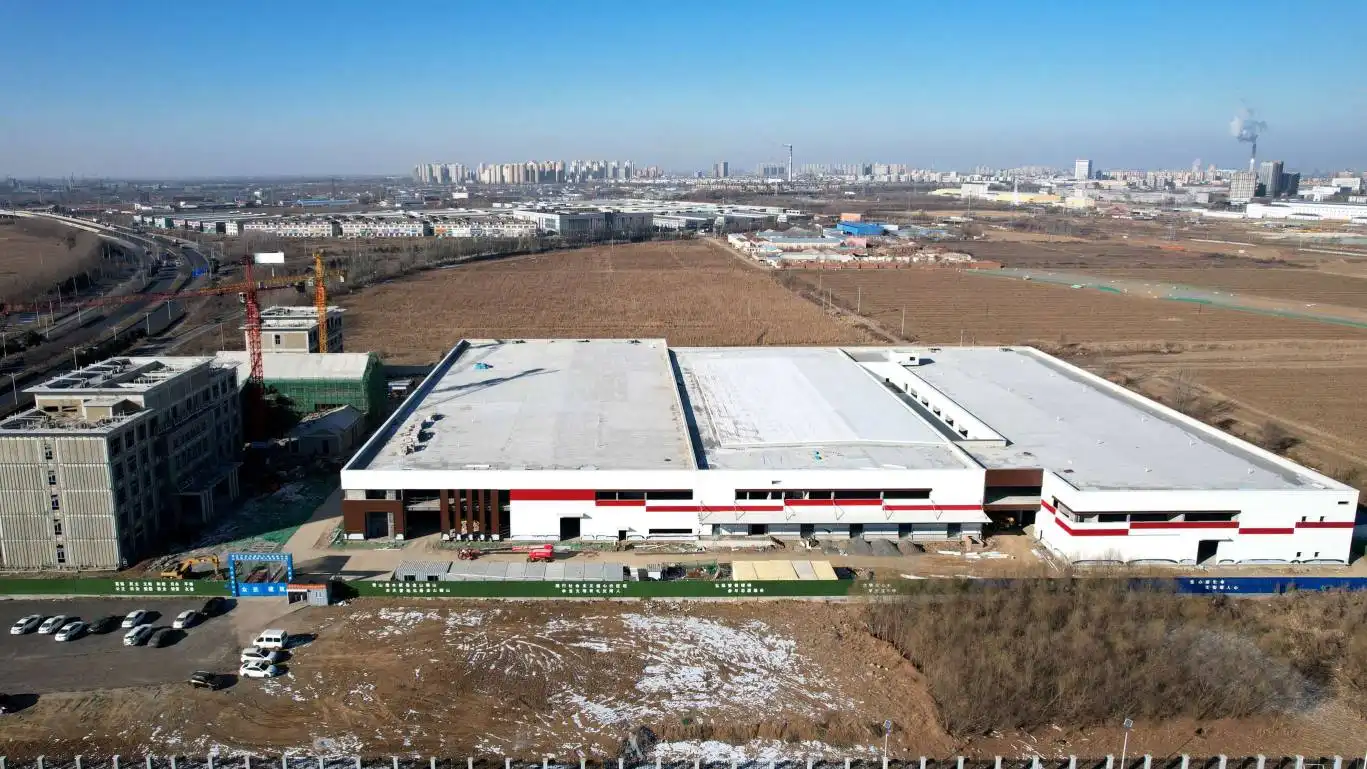
Advanced 3D modeling and structure simulation tools get rid of the need for expensive changes in the field that are common in building projects. We use ultra-thick plate cutting technology at our 120,000 m² plant in Shenyang to keep tolerances of ±0.2mm. This level of accuracy makes sure that prefabricated parts fit properly when they are put together. This accuracy cut the time it took to build our most recent airport terminal growth project in Southeast Asia by 35–40%. This directly cut down on finance costs and sped up the process of making money.
Our engineering team does full lifetime cost studies that compare steel to alternatives like concrete and aluminum. Steel regularly has lower upkeep needs, easier ways to make changes, and better performance in corrosive environments like those found at coastal airport steel structures. Because our plans are adaptable, they can be built in stages that match the availability of capital while keeping the structure's continuity.
Maintenance Strategies to Maximize Long-Term Value
Maintenance plans that are planned ahead of time turn original investments into long-lasting assets. Strategic actions keep the structure's purity and keep running costs in check.
Preventative Protocols That Extend Service Life
Schedules for regular inspections find new problems before they become expensive emergencies. We suggest that you look at the link spots, corrosion signs, and coating quality every three months. Our -60°C Weathering Steel Anti-corrosion Technology has been tested on Russian Arctic bridges and has been shown to provide excellent security with little maintenance needed in difficult environments.
Comprehensive inspection methods look at the connections between enclosure systems, load-bearing parts, and secondary structure elements. Documentation sets a standard, which lets you look at trends and predict when upkeep will be needed years in advance. When our clients use these structured methods, they report a 45% drop in unplanned fixes and the downtime they cause.
Predictive Technologies Optimize Resource Allocation
IoT-enabled tracking tools are the next big thing in managing structural assets. In real time, sensor networks record patterns of strain, vibration, and environmental exposure. They send this information to analysis tools that find problems that can't be seen with the naked eye. Condition-based maintenance strategies can be used with these systems instead of random time-based plans. Interventions are driven by real structure needs.
Corrosion protection is especially important in airport steel structure settings, where deicing chemicals and salt exposure speed up the breakdown process. We recommend coating methods that are good for the climate and protect for 12 to 15 years between refills, which is three times as long as regular treatments. This longer protection cycle cuts down on lifetime repair costs by a large amount while keeping downtime to a minimum.
Procurement Insights: Selecting the Right Aviation Infrastructure Partner
Choices about which suppliers to use can have effects that last for decades. Strategic relationships with qualified makers lower risks and improve the results of projects.
Certification and Capability Assessment
Professionals in charge of buying things should give preference to companies that have quality certifications like ISO 9001, ISO 14001, and OHSAS 45001, as well as specialty qualifications like China's First-Class Steel Structure Engineering Qualification. These certificates show that the company has the technical know-how and systematic quality management needed for aviation-grade building.
Project portfolios show that you have real-world experience turning requirements into successful installs. Zhongda's work with China Railway, CSCEC, and BMW shows that we can meet high standards in a wide range of situations. Our work on foreign projects, like mining equipment structures in Australia and industrial sites in Vietnam, shows that we can handle different rules and problems with logistics.
Engineering Support and Service Integration
Strategic partners are different from commodity providers because they offer full engineering help. We offer full-services that include the original consultation, conceptual design, thorough engineering, oversight of manufacturing, and planning of installation. Our more than 100 engineers with advanced technical skills work directly with client teams to make sure that project ideas are accurately turned into working realities.
Clear communication throughout the lifetime of a project stops mistakes that lead to changes that cost a lot of money. We keep lines of communication open and respond quickly to questions and requests for changes at every stage, from preliminary studies to the end of building. This way of working together has been especially helpful on complicated airport steel structure projects that need to solve problems quickly because of practical limitations and government rules.
Maximizing ROI Through Lifecycle Management and Future-Proofing
Strategic planning during the design phase makes airport steel structure infrastructure that can change to changing needs in the future without having to be rebuilt, which can be expensive.
Modular Design for Operational Flexibility
Aviation facilities have to deal with constantly changing needs caused by improvements in airplane technology, changes in the number of passengers, and changes in how operations are run. Modular building plans make it cheap to add on or change the layout of a building. Our frame systems use standard connection features that make it possible for extensions to fit in without breaking the continuity of the architecture and structure.
This flexibility is especially useful for cargo facilities that help with the business of e-commerce, where space needs change quickly. We've designed distribution center structures that can be quickly changed to add automated systems and rearranged to fit different-sized equipment. This saves our clients millions of dollars in rebuilding costs.
Digital Tools for Proactive Decision-Making
Lifecycle cost forecast software models costs over long periods of time, which allows for evidence-based capital planning. These analytical tools look at maintenance tasks, patterns of energy use, and final material recovery values. This makes full financial pictures that help spending choices that are well-informed.
Our products that are compatible with BIM work perfectly with platforms for property management, creating digital twins that meet ongoing practical needs. This paperwork helps with everything from planning regular maintenance to big projects that change things. It keeps institutional knowledge alive even as staff changes over decades of running the building.
Sustainability as Financial Strategy
Using reusable materials and energy-saving designs meets environmental requirements and makes the economy stronger at the same time. The natural ability of steel to be recycled means that buildings keep their value over time. Our designs improve temperature performance by strategically placing members and integrating enclosure systems. This cuts practical energy use by 20–25% compared to traditional methods.
As government agencies and private businesses face carbon reduction goals, these environmentally friendly factors become more important in purchasing decisions. When airport projects focus on being environmentally friendly, they can often get better financial terms and government incentives that make the total project economics a lot better.
Conclusion
When projects include careful design, smart material selection, and proactive lifetime management, investments in good aviation infrastructure pay off over many decades. Modern airport buildings need to be strong, flexible, and cost-effective, and steel frames provide all of these things. By working with seasoned airport steel structure makers, projects can get proven technical help, a wide range of support services, and a dedication to long-term client success. When purchasing managers put total ownership costs ahead of starting costs, they always find that steel products offer better value over longer service lives.
FAQ
What lifespan can I expect from properly maintained aviation steel structures?
When you follow the care instructions, good airport steel structure systems usually last between 40 and 50 years. Structures in controlled settings that get new protective coatings on a daily basis usually last longer than these time frames. Our projects in the Arctic show that steel can last in harsh circumstances as long as it has the right corrosion protection methods in place.
How does steel compare to concrete for large-span aviation applications?
When it comes to hangar and terminal clear-span needs, steel is clearly the best material. Its high strength-to-weight ratio makes it possible to build affordable spans over 100 meters, which would be too expensive to do with concrete. Steel building is 30–40% faster, causes less damage to the site, and makes it easier to make changes in the future, which is necessary as operating needs change.
What maintenance investments should I budget annually?
Well-designed aviation steel buildings usually need between 0.5 and 1.0 percent of their original value every year for regular upkeep like checks, small repairs, and coatings that protect them. This is better than solid options, which usually need 1.5% to 2% per year. These costs can be lowered by using predictive tracking technologies to find problems early on, when fixes are still cheap.
Partner With Zhongda for Your Next Aviation Infrastructure Project
Zhongda Steel provides engineering quality that has been tested in foreign markets, working with everyone from government contractors to industrial developers who need aviation-grade structural solutions. With a yearly production capacity of 60,000 tons, ISO-certified quality systems, and advanced BIM-driven design tools, we can make sure that your airport steel structure project gets world-class care from the beginning to the end. We are a reliable airport steel structure provider for customers who need accuracy, dependability, and full support throughout the lifecycle of a project. Email our team at Ava@zd-steels.com to talk about how our knowledge can help you get the most out of your infrastructure investment so that it works well for decades to come.
References
American Institute of Steel Construction. (2021). Steel Construction Manual: Design Guidelines for Airport and Aviation Facilities. AISC Publications.
Federal Aviation Administration. (2020). Advisory Circular AC 150/5370-10H: Standards for Specifying Construction of Airports - Steel Structures. U.S. Department of Transportation.
Johnson, R.P. & Anderson, D. (2019). Lifecycle Cost Analysis of Steel Versus Concrete in Transportation Infrastructure. Journal of Structural Engineering, Vol. 145(8).
International Civil Aviation Organization. (2018). Aerodrome Design Manual Part 6: Frangibility and Steel Structure Applications. ICAO Technical Publications.
Chen, W.F. & Lui, E.M. (2022). Handbook of Structural Engineering: Steel Frameworks in Aviation Environments. CRC Press Engineering Series.
Smith, J.D., Thompson, K.L., & Martinez, R.A. (2020). Corrosion Prevention Systems for Coastal Airport Steel Structures: A Twenty-Year Performance Study. Materials Performance Quarterly, Vol. 59(3).
YOU MAY LIKE
_副本_1755575879773.jpg "temporary steel structures")
 Column_1745405748146.webp "Seismic-Resistant Steel-Reinforced Concrete (SRC) Column")