Why Steel Arch Bridge is Perfect for Mountainous Terrain?
2026-07-03 14:46:36






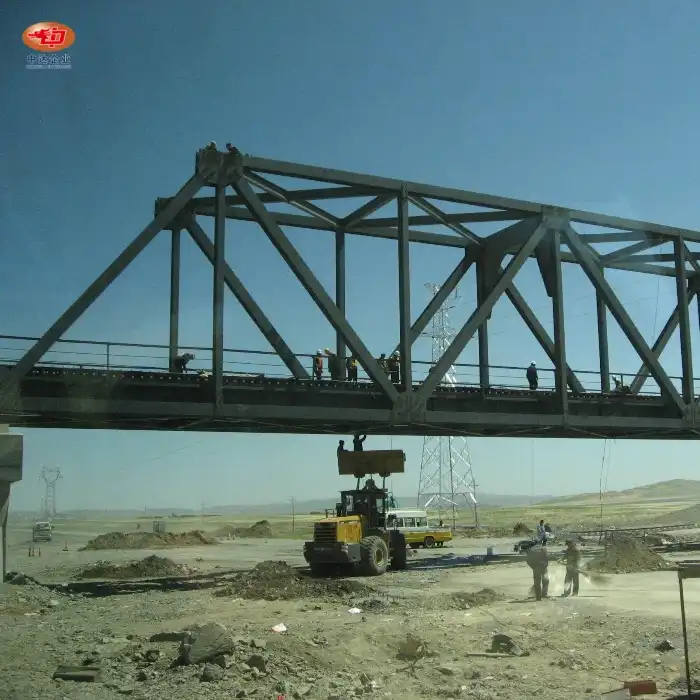
The steel arch bridge is the best way for engineers to connect communities across rough hills, cross deep valleys, or get around unstable slopes that appear in building projects. The natural compressive strength of the arch shape is used in these structures, along with the better tensile and fabrication qualities of current high-strength steel alloys. The curved shape effectively spreads loads to the abutments, reducing the need for intermediate supports in areas where foundation work is too expensive or not possible because of the geology. Due to their mix of structural beauty and practical engineering, steel arch bridges work especially well in hilly areas where other types of bridges have trouble.
Understanding Steel Arch Bridges and Their Unique Suitability for Mountainous Terrain
Defining Core Characteristics of Steel Arch Structures
A curved rib system guides vertical and horizontal forces mainly through compression along the arch route in steel arch bridges. In contrast to beam bridges that depend on their ability to resist bending or suspension bridges that need tall towers and a lot of cable anchorage, the arch design uses the qualities of the material to span long distances with less structural depth. The arch ribs, which are usually made as tube or box sections, stay perfectly square during both the building and putting up stages. Modern designs often use pentagonal box shapes, like the 3.2m×4.5m arch rib forms used in high-tech Q420qE projects. These give great torsional stiffness and wind resistance up to 1.5kN/㎡. In mountainous areas, where wind loads and earthquakes require strong performance, this structure economy becomes very important.
Historical Evolution in Mountain Applications
Arched buildings have been used in rough terrain for hundreds of years, but the invention of steel changed what was possible. In the early 1900s, projects showed that pre-fabricated steel parts could be sent to faraway places and put together more quickly than stone or concrete options. Long-span arch bridges can be built at levels above 3,000 meters thanks to landmark installations in the Rocky Mountains, the Swiss Alps, and later the Himalayas. These groundbreaking projects created building methods that are still used today, like cable-stayed cantilever assembly and spinning techniques.
Material Selection for Harsh Mountain Conditions
When made for bridges, high-grade steel metals have to be able to handle extreme temperatures, corrosive moisture, and constant loads from traffic and natural forces. The yield strengths of Q420qD and Q420qE steel types are higher than 420 MPa, and they are very tough at low temperatures, which is necessary for high-altitude sites where temperatures regularly drop below freezing. These materials are put through a lot of tests, such as 100% CTOD (Crack Tip Opening Displacement) welding tests to make sure the joints stay strong even when they're worn down. Choosing these high-quality metals has a direct effect on their service life. With the right upkeep, they can often last longer than 100 years.
Engineering Advantages of Steel Arch Bridges in Mountainous Terrain
Superior Structural Stability on Uneven Foundations
The terrain of mountains makes it hard for standard pier-supported bridges to build strong foundations. It is dangerous and expensive to put down middle supports in places with steep hills, broken bedrock, or a high risk of landslides. This problem is solved by the arch shape, which goes over two safe abutments on opposite sides of valleys or canyons. You can control the horizontal thrust forces that come with arch design by using strong abutment engineering or tied-arch setups, in which the deck works as a tension member. Because it is flexible, engineers can adapt methods to different rock formations, which means less digging and less damage to the environment.
Comparative Performance Against Alternative Bridge Types
When it comes to hilly areas, steel constructions are clearly better than concrete arch or suspension options. Formwork and curing time for concrete bridges are long, which makes transportation harder in remote places with few roads and short building seasons. Suspension bridges need tall towers and deep anchoring systems, which makes them more vulnerable to landslides and makes the site planning process take longer. Steel arch bridge designs, on the other hand, can be built in a controlled factory setting, moved in manageable pieces, and put together quickly using special methods such as stentless rotation methods. This method cuts down on the need for on-site workers and weather delays, which greatly shortens the time it takes to complete a job.
Addressing Fabrication and Logistics Challenges
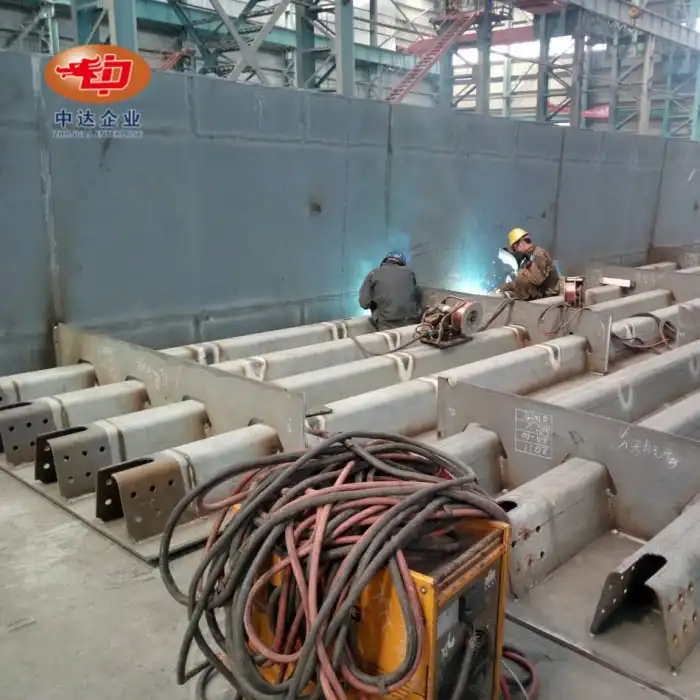
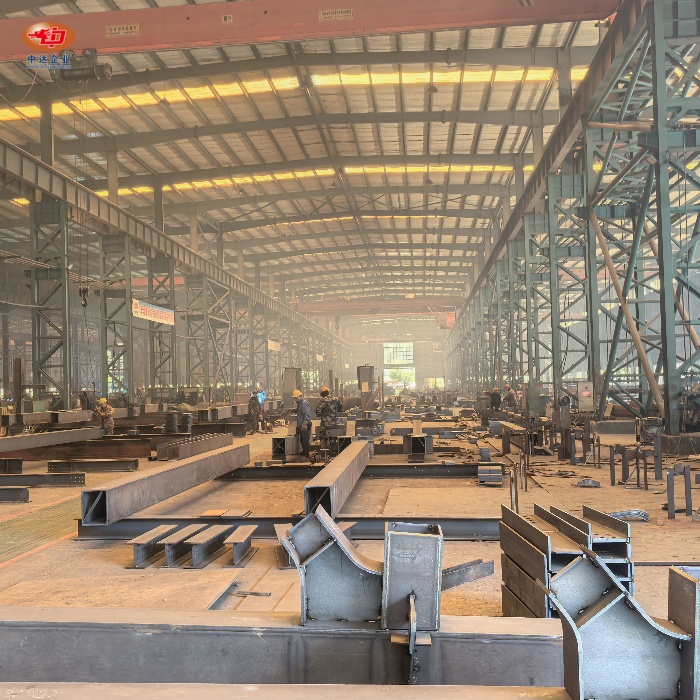
Everything about building logistics is harder when you have to deal with mountainous terrain, like moving heavy parts up winding mountain roads, keeping track of tools in tight areas, and planning work around weather that changes quickly. Our experience with projects that needed 20-meter arch rib pieces shows that these problems can be solved with modular manufacturing methods. We make sure of consistent quality control by making parts in our 120,000 m² factory and keeping a monthly output capacity of 1,203 tons. We can also work with project-specific delivery dates. Advanced CNC cutting technology keeps margins of ±0.2mm, which is important for accurate field assembly where changes are hard to make. Transportation planning takes into account route restrictions, and for truly inaccessible areas, heavy-haul equipment or even chopper lifts are often used.

Design Principles and Construction Process Tailored for Mountainous Terrain
Optimization for Complex Load Profiles
When designing mountain bridges, engineers have to think about loads that change over time, like snow buildup, ice formation, rockfall impacts, and earthquakes that happen faster. To mimic these situations, engineers use complex BIM-driven modeling to figure out how stress is distributed across arch ribs, hangers, and deck parts. Rise-to-span ratios are usually between 1/4 to 1/6. They balance the need for vertical space with the amount of horizontal pressure. The half-through arch design, in which the deck goes through the arch structure instead of sitting on top of it, works especially well in hilly areas, giving traffic below the necessary space while keeping a lower profile that shortens approach ramps.
Sequential Construction Methodologies
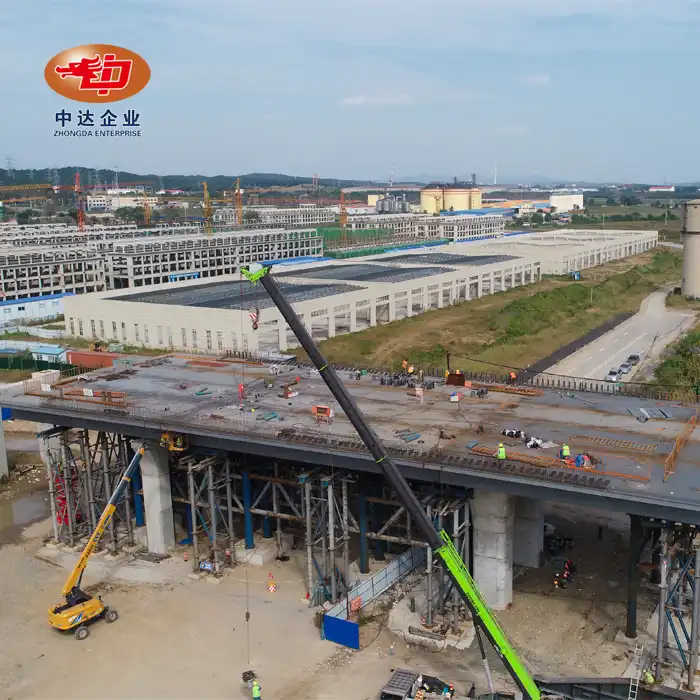
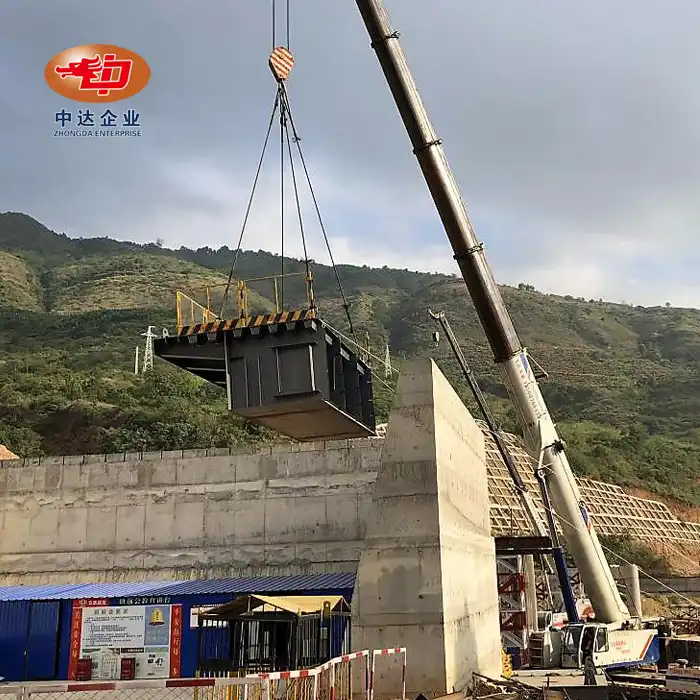
When building in the mountains, the steps need to be carefully choreographed. Rotation building technology is an example of creative problem-solving. Arch pieces are built horizontally on stable ground next to the crossing site, and then hydraulic systems rotate them into place. This method, which has been used successfully on 8,000-ton buildings, gets rid of the need for movable supports that cross the valley. This lowers the risk and cost of the project. As an alternative, you could use a cantilever assembly with temporary cable stays or segmental lifts with mobile cranes when crossing a river. To make sure security during transitional times, each method needs a thorough engineering analysis.
Computational Tools and Precision Standards
Finite element analysis software is used in modern bridge engineering to model how structures behave under a variety of stress conditions. Before manufacturing starts, these tools let engineers find the best way to use materials, find stress clusters, and make sure that design assumptions are correct. At Shenyang Zhongda Steel, our design teams use these computer-based methods along with many years of real-world building experience. Computer-aided design systems are directly connected to CNC machines that make parts. This makes sure that theoretical models are accurately turned into real parts. This digital-to-physical process keeps the geometric accuracy needed for field assembly. Defects of a few millimeters can cause alignment problems during erection.
Maintenance, Safety, and Longevity of Steel Arch Bridges in Mountain Areas
Proactive Corrosion Management
When steel buildings are in mountain areas, they are exposed to harsh rusting processes like freeze-thaw cycles, road salt, high humidity, and UV light. The first line of defense is made up of complete anticorrosion equipment. Our Q420qE steel arch bridge designs use a multi-layer protection system. First, 150μm thermally sprayed aluminum coatings provide galvanic protection. Next, fluorocarbon topcoats that meet GB/T 30790 C5M standards are applied for high atmospheric exposure. Compared to traditional paint methods, this one greatly increases the time between maintenance visits, lowering lifetime costs while keeping structural integrity.
New technologies for inspection and monitoring
For long-term safety, you need strict check schedules backed up by monitor technology. Full-bridge tracking systems with more than 200+ sensors keep real-time records of factors like temperature, strain, displacement, vibration levels, and hanger tension forces. Data analytics platforms find strange trends that could mean problems are starting to happen, like fatigue cracks, bearing degradation, or base movement. Along with automatic tracking, there are also yearly checks that are done by hand. These use procedures for ultrasonic testing, magnetic particle inspection, and eye examination that are in line with AASHTO and Eurocode standards. This layered method lets you do condition-based maintenance instead of fixes when something goes wrong.
Extending Service Life Through Retrofit Strategies
Even buildings that were well thought out can benefit from upgrades every so often as traffic patterns change and building technologies improve. Some retrofit choices are replacing the hangers with better materials, updating the bearing system to account for changes in temperature, and redoing the deck with lightweight, high-performance concrete. Because steel building is modular, it is easy to change individual parts without affecting the structure as a whole. By defining replaceable parts and access plans during the planning phase, these changes can be made much earlier, which greatly lowers future repair costs and traffic problems.
Procurement Considerations for Steel Arch Bridges in Mountainous Projects
Evaluating Manufacturer Capabilities and Track Records
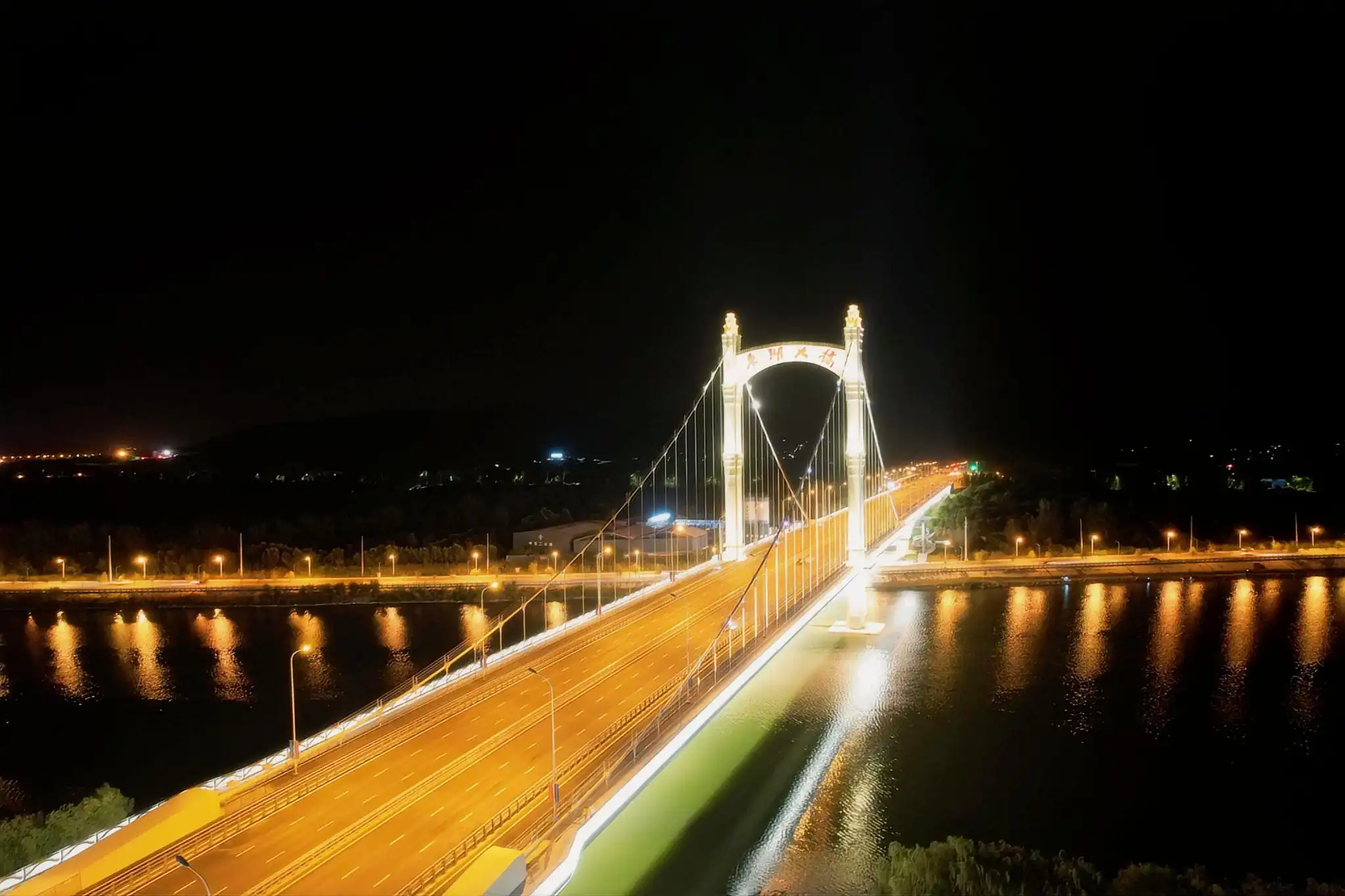
When buying things for important structures, suppliers need to be carefully checked out. Mountain bridge projects that go well need producers who have a track record of working with heavy steel, quality management systems that are approved to ISO 9001:2015 standards, and execution class certifications for structural parts like EN 1090 Class 4, all of which are essential for a steel arch bridge requiring precise fabrication and erection. For example, project portfolios should show finished installations in similar terrain, the successful use of specialized building methods, and established ties with EPC contractors and government engineering departments. We have proven that we can do large-scale, difficult rotational building by working on major projects like the 18,000-ton Shenyang Dongta Cross-Hunhe River Bridge.
Customization Flexibility and Engineering Support
Mountain projects don't usually follow standard plans. Teams in charge of buying things should give more weight to suppliers that offer full OEM and ODM services, such as the ability to change the shapes of arch ribs, make wind resistance specs unique, change rotation building parameters, and add monitoring systems that are special to the project. This flexibility goes beyond manufacturing and includes on-site installation help, where engineering teams from the factory work with contractors to solve problems as they come up in the field. During the most important parts of the erection process, when problems need to be solved in real time to avoid costly delays, this teamwork method really shines.
Budget Planning and Schedule Coordination
Mountain building projects have a lot of unknowns that affect their costs and schedules. At high levels, the best time to build may only be between 6 and 8 months a year. Logistics for transporting large loads include planning routes, coordinating permits, and maybe even improving the infrastructure of entry roads. When planning delivery plans, procurement managers should set aside extra time in case something goes wrong. Manufacturers with large production facilities—for example, those that can make 60,000-ton of goods a year—can handle changes to the plan without affecting the quality of their products. Clear communication about wait times for special steel grades, fabrication processes, and shipping logistics makes it possible to plan a reasonable project.
Working with a well-known steel arch bridge source has benefits that last throughout the whole job. Manufacturers who follow strict quality control procedures make sure that every part meets or exceeds the requirements set by the specifications. This includes welded connections that are tested without damaging them and protective coats that are put on in controlled environments. This attention to detail directly affects performance in the field, cutting down on items that need to be fixed and speeding up the approval process.
Conclusion
For steep areas, steel arch bridges are the best combination of cost-effectiveness, structural efficiency, and ease of construction. Having the ability to cross long distances without any middle supports, along with the benefits of prefabrication and new ways of building, solves the main problems that hilly terrain brings up. New developments in high-strength weathering steels and advanced rust protection systems make sure that these systems work reliably for decades, even when they are exposed to tough environments. As the need for infrastructure grows in growing mountainous areas, engineers are working to improve arch bridge technologies to increase spans, lower prices, and have less of an effect on the environment. When looking at choices for difficult crossings, procurement professionals should give more weight to providers who can show they have the technical know-how, manufacturing scale, and dedication to quality throughout the whole project delivery process.
FAQ
What advantages do steel arch bridges offer compared to concrete structures in mountainous locations?
Steel options speed up building by allowing parts to be made ahead of time, which cuts down on time spent on-site in bad weather that is common at high elevations. Steel parts usually weigh 30-40% less than concrete ones, which makes hauling easier on mountain access roads that have weight limits. Steel is ductile, which makes it better for seismic performance because it lets buildings release energy through controlled bending during earthquakes instead of the more brittle ways that concrete can break.
How long does fabrication and installation typically require for mountain arch bridge projects?
Fabrication times depend on the size of the project but are usually between 6 and 12 months for large crossings. Depending on the type of building, installation can take anywhere from a few weeks to several months. For example, rotational assembly of pre-fabricated halves may be finished within a few weeks after site preparation is done. In hilly areas, weather conditions often limit the time that can be used for work to just 6 to 8 months a year. This means that the best times to finish production and put up structures must be carefully coordinated.
Which safety standards govern structural integrity for these applications?
Design standards are set by international documents like the AASHTO LRFD Bridge Design Specifications, the Eurocode 3 for steel buildings, and national documents such as GB 50017. Material certifications make sure that certain types of steel have the right mechanical qualities, and the building process follows the rules set out in EN 1090 execution class. Usually, acceptance criteria and load testing methods are made for each project individually, taking into account safety factors that are proper for the crossing's consequence-of-failure ratings.
Partner with Zhongda for Your Mountain Infrastructure Projects
Shenyang Zhongda Steel Structure Engineering Co., Ltd. has been working on hilly terrain bridge projects around the world for 20 years. We offer complete solutions, from the first engineering advice to the final commissioning, as a qualified steel arch bridge maker with ISO 9001/14001/45001 and EN 1090 Class 4 certifications. Our Q420qE arch bridge systems have pentagonal box ribs designed to withstand 1.5kN/㎡ wind resistance, the ability to rotate without struts for structures weighing more than 8,000-ton, and full monitoring integration for 200+ sensors. This technology has been used in harsh environments like the Arctic in Russia and mining operations in Australia. You can email our engineering team at Ava@zd-steels.com to talk about your project needs, get technical specs, or set up a tour of our 120,000 m² production campus in Shenyang. We give you affordable quotes, thorough fabrication plans, and design ideas that are made just for your mountainous terrain problems. You can look at our project collection at zd-steels.com and learn how our -60°C weathering steel technology and BIM-driven prefabrication can help you get your infrastructure built faster without sacrificing quality.
References
Chen, B.C. and Wang, T.L. (2019). "Steel Arch Bridges: Design, Construction and Maintenance in Complex Terrain." Journal of Bridge Engineering, Vol. 24, Issue 8.
Troitsky, M.S. (2018). "Planning and Design of Bridges in Mountainous Regions: Structural and Geotechnical Considerations." Transportation Research Board Special Report Series.
International Federation for Structural Concrete (2020). "Guidelines for Bridge Construction in Seismically Active Mountain Zones." FIB Bulletin 95.
American Association of State Highway and Transportation Officials (2021). "AASHTO LRFD Bridge Design Specifications, 9th Edition." Washington, D.C.
Zhang, L., Wu, Q., and Li, H. (2020). "Advanced Construction Methods for Long-Span Steel Arch Bridges in High-Altitude Environments." Engineering Structures, Vol. 215, Article 110672.
European Committee for Standardization (2019). "Eurocode 3: Design of Steel Structures – Part 2: Steel Bridges." EN 1993-2:2006+A1:2019.
YOU MAY LIKE
(1)_副本_1760321095013_1789529045876.jpg "structure bracing")