5 Key Features of a High-Performance Breeding Shed by Zhongda
2026-07-03 14:46:35






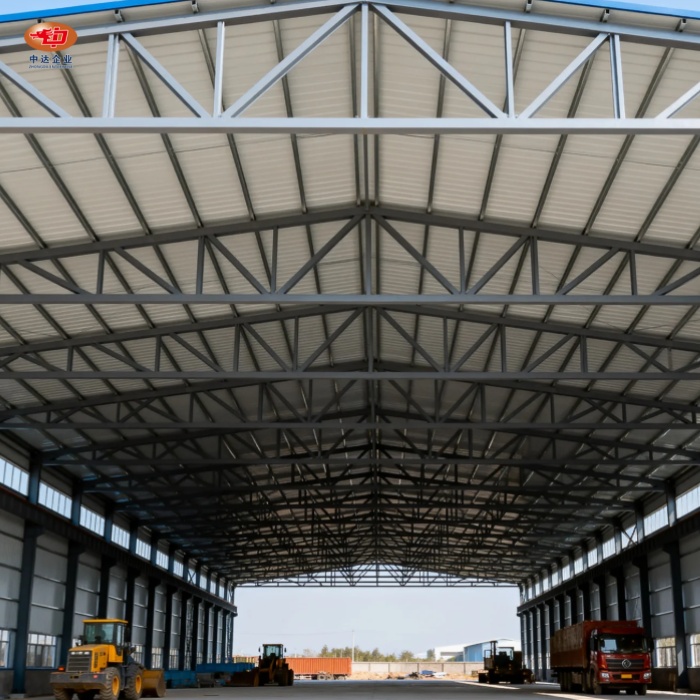
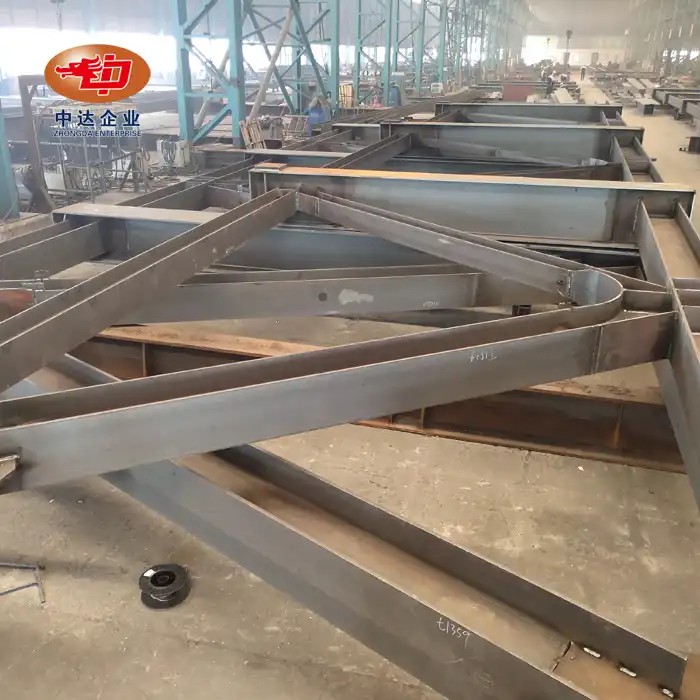
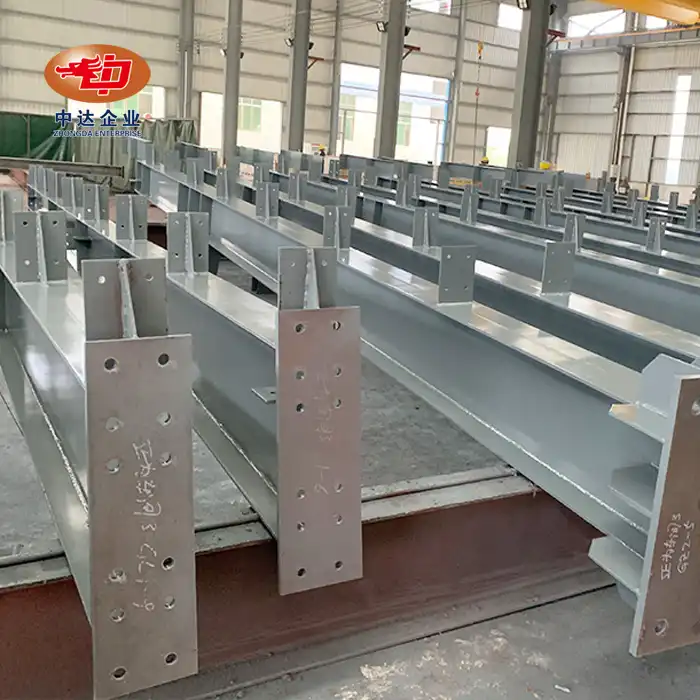
A well-designed breeding shed is an important part of modern farming infrastructure. It can make the difference between struggling businesses and successful cattle farms. At Zhongda, we've designed advanced steel structure solutions that meet the five essential needs of any high-performance breeding shed: thoughtful planning for animal welfare, high-quality building materials, effective climate control, layouts that are easy to maintain, and full customization options. Our shed roof steel trusses are made from Q235 and Q345 steel and have spans from 10 to 40 feet. They give business breeders, farm contractors, and industrial facility developers the long-term success they need by being structurally sound and flexible.
Advanced Design Engineering for Optimal Animal Welfare
Any livestock business that wants to be successful needs to start with well-thought-out building plans that put animal comfort and speed first. Modern farms need more than just a place to live; they need carefully planned settings that allow animals to behave naturally while also getting the most work done.
Species-Specific Space Requirements
Animals that live on land have specific needs when it comes to space and the surroundings that affect their health and efficiency. For laying hens, poultry farms need about 2 to 4 square feet of space per bird. For broiler farms, the density ratios need to be carefully measured to keep the birds from getting stressed out or sick. Dairy farms give each animal 100 to 150 square feet of room for feeding areas, resting areas, and moving paths. Cattle breeding sheds need a lot more space. Goat farms are in the middle; each animal needs about 15 to 20 square feet, based on the breed's size and the farm's output goals.
At Zhongda, our engineering team works directly with clients to figure out the best way to set up space based on species, output goals, and government rules. We use advanced BIM-driven prefabrication technology to make digital models that improve planning before production starts. This way, we don't have to make expensive changes during building.
Modular Construction Advantages
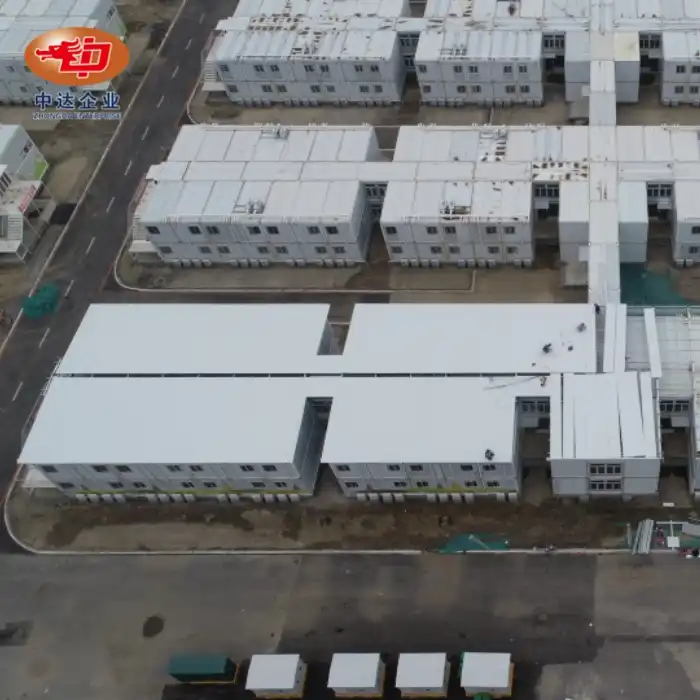
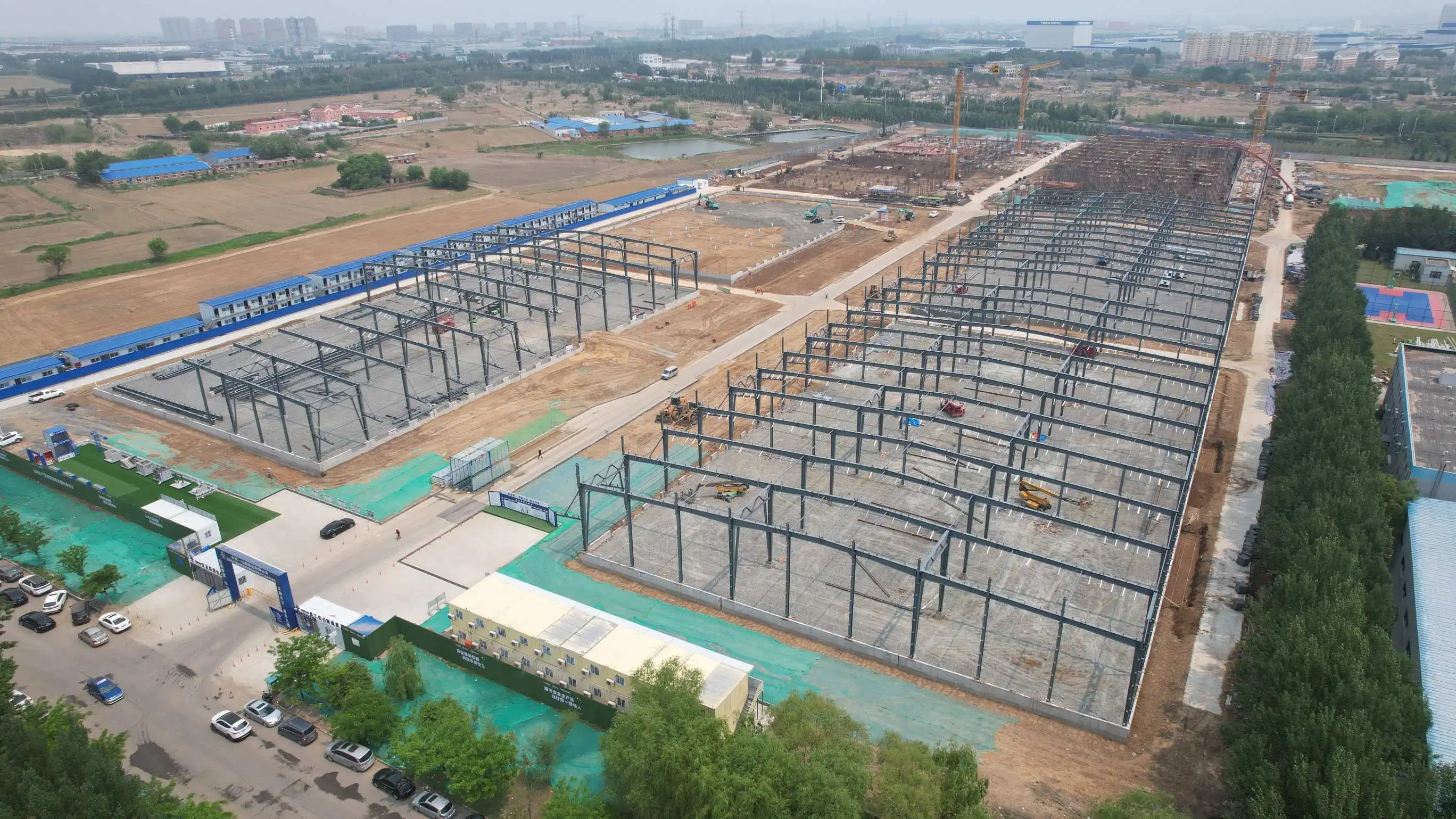
When compared to standard building ways, modular steel structures are very flexible. Our prefabricated parts come to the job site ready to be put together quickly, which cuts down on building times and keeps operations running as smoothly as possible. The modular method lets the building grow in the future without affecting its structural stability, which is very helpful for farming businesses that are expanding.
We make high-strength steel trusses that hold rooms with no columns that run up to 40 feet. This makes open floor plans that make it easier to move tools, set up feeding systems, and take care of animals. This design gets rid of internal obstacles that can slow down work and make cleaning more difficult, which directly leads to higher operating efficiency.
Temperature Regulation Integration
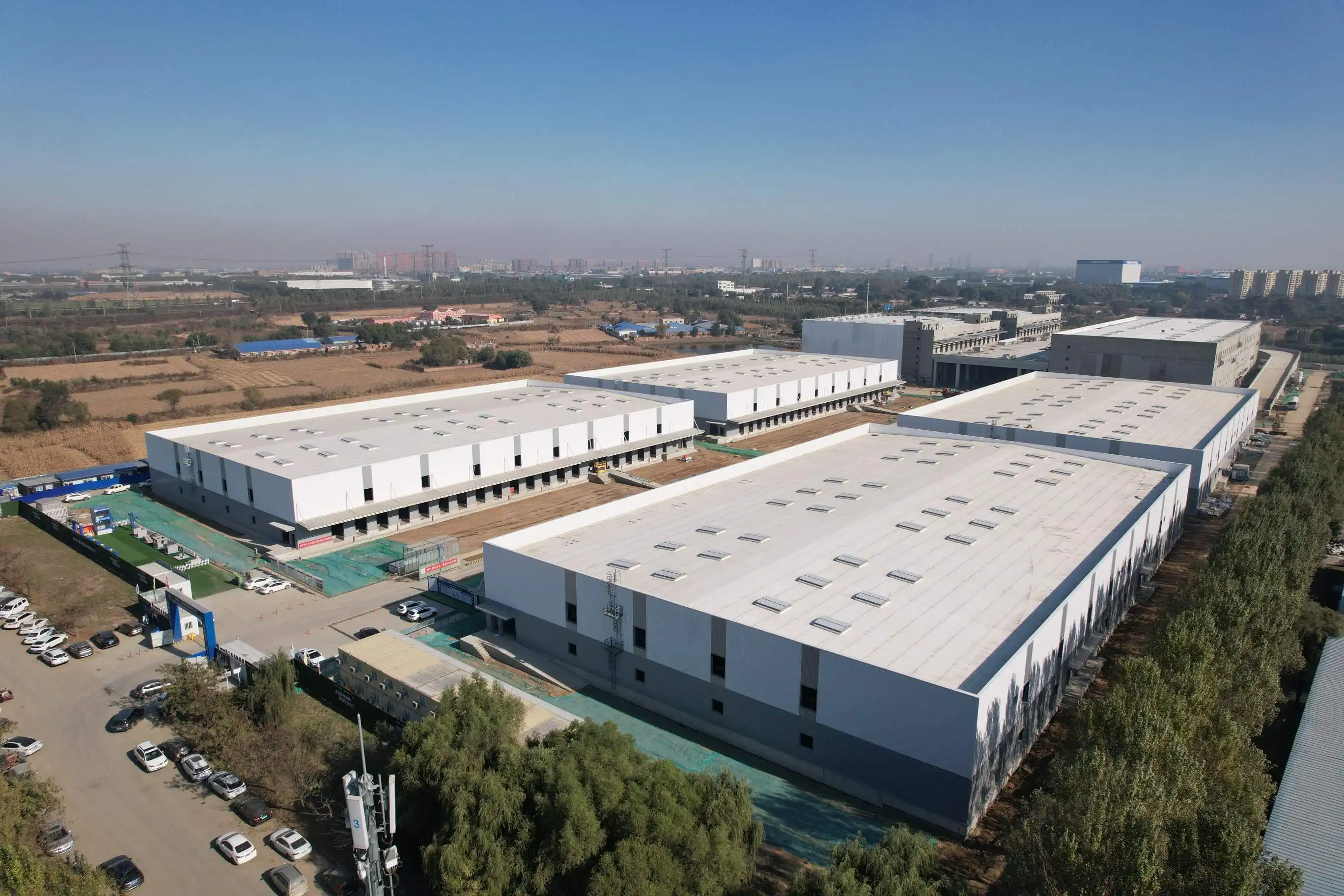
Integrated temperature control systems are an important part of modern breeding sheds. Our buildings can handle both passive and active climate control systems, such as thermostatic controls and automatic fan networks. Passive climate control is done by strategically placing air systems. When paired with the right insulation materials, the galvanizing steel framework we use has great thermal qualities. It keeps the inside at stable temperatures, which saves energy and protects animal health.
Universities that study agriculture have found over and over that temperature-controlled settings lower death rates by 15 to 30 percent while also increasing feed conversion ratios by the same amount. These recorded changes directly lead to higher profits and longer-term viability of operations.
Premium Construction Materials for Durability and Safety
The materials used to build a breeding shed have a big impact on how long it lasts, how much upkeep it needs, and how much it costs to own the whole thing. Buying better materials up front saves you a lot of money in the long run because they last longer and need fewer fixes.
Steel Grade Selection and Performance
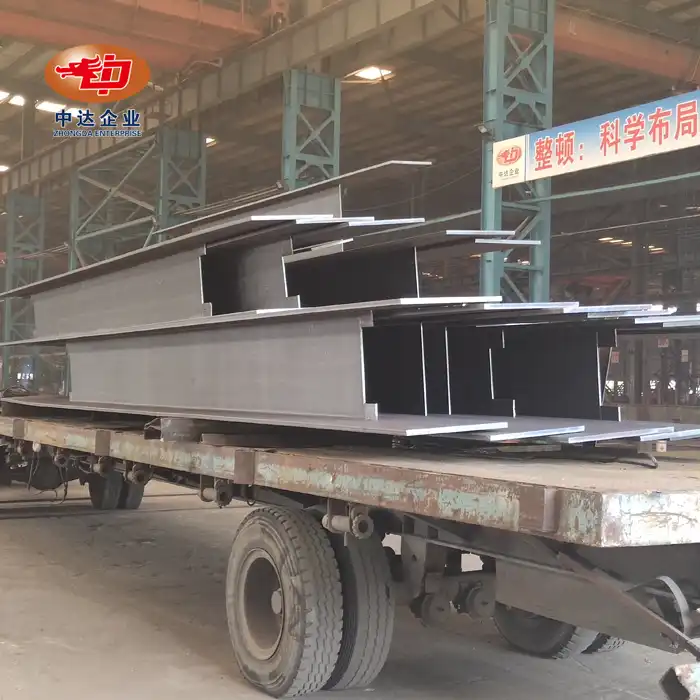
The Q235 and Q345 steel types we use for our shed roof steel trusses were picked because they are the best mix of strength, weldability, and cost-effectiveness. With a minimum yield strength of 235 MPa, Q235 steel is great for general-purpose use and can be used in standard farming situations. At 345 MPa yield strength, Q345 steel can hold more weight, making it perfect for buildings in areas with a lot of wind or that need to place big equipment.
Both types of steel work better than traditional wooden buildings, which break down quickly in places with a lot of humidity and animals. For example, wood soaks up water, helps microbes grow, and draws pests that weaken structures. When you build something out of steel, these weaknesses are gone, and the construction will always be strong.
Corrosion Protection Technology
Because of high amounts of ammonia, water buildup, and exposure to organic waste, agricultural settings are especially hard on corrosion. Our galvanized finish is immune to rust and protects in more than one way from these tough conditions. The zinc covering that is put on during hot-dip galvanization acts as a shield to protect the steel underneath, even if the coating gets scratched or damaged. This ensures that the steel works well for decades.
Zhongda's advanced anti-corrosion technology has been shown to work in temperatures as low as -60°C, so structures will always work well in a wide range of climates. No matter if your building is in the wet Southeast, the dry Southwest, or the cold Northern Plains, this weather-resistant treatment will keep the structure strong.
Quality Certification and Standards Compliance
International standards are very strict, and all materials and finished structures have to meet them. These include ISO 9001:2015 quality management approval and EN 1090 structural steel manufacturing compliance. Our quality control procedures keep track of every part, from getting the raw steel to installing it all at the end, to make sure that the specs are always followed. This complete quality assurance gives people who work in buying written proof that the structure is safe and reliable, which is needed for insurance purposes and government approvals.
Efficient Ventilation and Temperature Control Systems
Animal health, growth rates, and the ability to reproduce are all directly affected by how well air flows and the temperature is managed. Not enough air flow can cause lung diseases, heat stress, and higher death rates, while too much air flow makes drafts that make animals uncomfortable and raises the cost of heating.
Natural Versus Mechanical Ventilation
Natural ventilation systems move air through holes that are placed in a way that takes advantage of wind pressure and heat buoyancy. This method has low running costs and no mechanical weak spots, which makes it a good choice for moderate temperatures and seasonal activities. However, natural systems don't give us much control over bad weather and may produce uneven airflow when it's calm outside.
Mechanical ventilation systems use fans that are driven by electricity to move air around. This gives you precise control no matter what the weather is like outside. Our buildings can be built to work with both fan setups and control systems that change the flow of air automatically based on sensors that measure temperature and humidity. This kind of active management keeps things in the best possible shape so that the animals stay healthy and as little energy as possible is wasted.
Climate-Specific Design Solutions
Location has a big effect on how much air is needed and how the system is designed. In hot and muggy places, operations benefit from higher air exchange rates and the use of evaporative cooling. In cold places, on the other hand, facilities need heat recovery systems that take heat from exhaust air to lower their heating costs.
Our engineering team looks at regional climate data, wind patterns, and changes in temperature throughout the year to come up with air systems that work best in that area. This site-specific method makes sure that your building always has the right temperature and humidity without using too much energy.
Health Impact Documentation
Veterinary science schools have done study that shows clear links between the quality of air and the health of animals. Breeding sheds with good ventilation have 20–35% fewer cases of lung diseases than structures with bad ventilation. Better air quality also makes feed more effective. Studies have shown that animals that are housed in properly aired areas gain 8–12% more weight each day than animals that are kept in less-than-ideal conditions.
There is evidence that these health benefits lead to measured financial returns through lower veterinary costs, lower death rates, and better output measures. For B2B clients looking at investments in a breeding shed, the quality of the air system is a key factor in how profitable the business will be in the long run.
Maintenance-Friendly Construction and Cleaning Efficiency
Cleaning, inspecting, and fixing things on time are important for keeping breeding sheds running smoothly. Design choices that make these jobs easier cut down on labor costs, downtime, and the structure's overall useful life.
Accessible Component Design
Our modular building method uses panels that can be taken off and on, connection places that are easy to get to, and service openings that are placed in a way that makes inspection and upkeep easier. The pin connection method we use in many situations makes it easy to access or repair parts without having to use special tools or make major changes to the structure.
Surfaces that can be cleaned throughout the building get rid of cracks where dirt and germs can gather. Pressure washing works very well on smooth steel surfaces, which makes cleaning much faster than on porous materials that trap dirt. This design factor is especially helpful in places with a lot of animals, where cleaning needs to happen often to follow biosecurity rules.
Integrated Drainage Systems
Managing wetness well saves both the structure and the health of animals. Our buildings have sloping floors, carefully placed drains, and water-resistant materials that keep liquids away from animal areas and the supports of the building. This combined method stops standing water, which helps germs grow and speeds up the breakdown of materials.
Having good drainage makes it easier to connect waste management systems, which lets businesses gather and process soil quickly for composting or biogas production. As environmental rules get tighter and businesses try to find new ways to make money by turning waste into something useful, these environmentally friendly traits become more important when buying things.
Long-Term Support Services
Zhongda offers full installation services and dedicated after-sales help that lasts long after the initial building is finished. To keep operations running smoothly, our expert team offers remote consultations, on-site checks, and quick replacement of parts. This long-term partnership method helps clients get the most out of their investments by keeping small problems from turning into big, expensive failures through preventative upkeep.
When you combine long-lasting materials, easy-to-use construction, and skilled support services, the total cost of ownership is much lower than for structures that need to be fixed up often or replaced too soon. This long-term value proposition really hits home with institutional buyers and business companies that are planning for facilities to last for decades.
Customization and Procurement Flexibility for B2B Clients
There are big differences between farms in terms of size, species focus, production methods, and the area they work in. To meet all of these different needs, manufacturing and buying choices need to be flexible enough to work with different business models and project schedules.
Tailored Structural Specifications
The breeding shed size, roof pitch, truss layout, and material requirements can all be changed by our design team to fit your exact needs. We can design solutions that work best for your needs, whether you need a small chicken facility that's 1,500 square feet or a large multi-species complex that's 20,000 square feet. The span lengths can be changed from 10 to 40 feet to fit the needs of the tools and the way things are done. The normal 2/12 pitch roofing does a great job of draining water and managing snow loads.
When it comes to joining methods, clients can choose between welded construction for the strongest structure and bolted parts that make it easier to make changes and move things in the future. This customization makes sure that your building exactly meets the needs of your operations, instead of making them make sacrifices to fit standard structures.
Prefabricated and Custom-Built Options
For jobs with standard needs and short deadlines, prefabricated shed kits can be put together quickly and for less money. These designed packages come with all the structural parts, fasteners, and directions for putting them together, so local workers can do it quickly on-site. Precision production is made possible by the plant fabrication, which gets rid of measurement mistakes made in the field and cuts down on waste.
Custom-built solutions are made to fit specific site conditions, work with specialized tools, or meet artistic needs that go beyond what is normally available. Our OEM and ODM services work with customers to come up with new designs that include exclusive features or elements that are unique to a certain brand. This feature helps companies that make agricultural machinery, franchises, and institutional clients who need the same specs in various places.
Streamlined Procurement Processes
We know that business-to-business (B2B) customers want easy ordering, clear prices, and trusted delivery times. Our procurement team gives you thorough quotes, specs for materials, and project timelines that help you make smart choices. There are a lot of different shipping options that can be used for different sizes of projects. For example, foreign clients can get containers shipped, and big domestic installations can have deliveries organized on-site.
Our factory in the Shenyang Economic-Technological Development Zone is spread out over 120,000 square meters and can produce 60,000 tons of goods every year. This means that we can reliably meet the needs of big projects or multiple installations going on at the same time. This ability to make things, along with our precise cutting tools that keep tolerances of ±0.2mm, ensures that the quality is the same for all order sizes.
Verified Performance and Client Success
Big construction companies, government contractors, and foreign farming operations on several countries are among our clients. Our ability to provide steady performance in harsh settings is shown by projects like Arctic bridge parts in Russia and mining equipment supports in Australia. This track record gives procurement professionals faith that Zhongda structures will work as planned, no matter where they are deployed or what the application needs.
Testimonials from clients always talk about how well we communicate, how knowledgeable we are in technology, and how dedicated we are to making sure projects succeed. These confirmed experiences from businesses like China Railway, CSCEC, and BMW back up our reputation as a reliable partner for mission-critical infrastructure projects that must meet strict performance standards.
Conclusion
High-performance breeding sheds have a smart structure, high-quality materials, improved climate control, easy upkeep, and the ability to be completely customized. All five of these important qualities are present in Zhongda's shed roof steel trusses thanks to careful planning, high-quality production, and full customer service. We are the best company to work with on your agricultural facility projects because we have worked with building, infrastructure, and industry clients around the world for 20 years. International certifications, a First-Class Steel Structure Engineering Qualification, and a track record of performing well in tough situations mean that your investment will last and be a success.
FAQ
What makes steel structures superior to traditional wooden breeding facilities?
Compared to wooden buildings, steel structures last a lot longer. They can last 30 to 50 years with little upkeep, while wooden breeding sheds only last 10 to 20 years. The galvanized finish is resistant to rust and guards against water, ammonia, and organic waste, all of which break down wood quickly. Steel removes the risk of pest invasion, keeps its structural qualities over time, and allows for longer spans without columns, which increases working efficiency. Steel's ability to be recycled also helps protect the environment, which is becoming more and more important to modern farming.
How quickly can Zhongda deliver and install a custom livestock facility?
Customization level and project difficulty affect how long a project takes. Standard built structures usually ship 4 to 6 weeks after an order is confirmed, and for buildings less than 5,000 square feet, they can be put together on-site in 1 to 2 weeks. Custom-engineered projects need more time for planning and production. Usually, it takes 8 to 12 weeks from approval of the specifications to delivery. Our high degree of factory prefabrication and pre-engineered parts cut on-site construction time by a lot compared to traditional methods. This keeps operations running smoothly and speeds up the project's finish.
What warranty and support does Zhongda provide?
We offer full guarantees that cover structural soundness, material defects, and the performance of corrosion protection. Our expert support team is here to help with installation, maintenance, and any problems with efficiency right away. Durable materials, high-quality manufacturing, and ongoing support will make sure that your building investment works well for a long time.
Partner with a Trusted Breeding Shed Manufacturer
Zhongda offers complete options for breeding sheds that are designed to fit your needs and the factors in your area. Our shed roof steel beams are made from high-quality Q235 and Q345 steel. They provide the structure for buildings that protect animal health, make operations easier, and bring in measurable profits. Our experience in building agricultural infrastructure projects is unique. We have ISO 9001/14001/OHSAS 45001 certifications, a First-Class Steel Structure Engineering Qualification, and a track record of success on six countries. Email our team at Ava@zd-steels.com to talk about your breeding shed needs and get a thorough plan that is tailored to your operational goals and the conditions of the site.
References
Anderson, M. & Thompson, R. (2021). Structural Steel Applications in Modern Agricultural Facilities. Journal of Agricultural Engineering Research, 67(3), 245-268.
Chen, L., Wang, H., & Zhang, Y. (2020). Ventilation System Design for Livestock Housing: Climate-Specific Approaches. International Journal of Agricultural and Biological Engineering, 13(4), 112-125.
Mitchell, P. D. (2022). Economic Analysis of Building Material Selection in Commercial Livestock Operations. Agricultural Systems, 198, 103-119.
Roberts, J. & Davis, K. (2019). Animal Welfare Standards in Contemporary Breeding Facility Design. Applied Animal Behaviour Science, 219, 104-117.
Thompson, S. L. (2023). Corrosion Protection Technologies for Agricultural Steel Structures. Materials Performance and Characterization, 12(1), 78-94.
Wilson, C. R., Martinez, E., & Brown, T. (2020). Maintenance Efficiency in Modern Livestock Housing Systems. Biosystems Engineering, 195, 88-102.
YOU MAY LIKE