Maintenance Strategies for Steel Box Girder Bridges
2026-07-03 14:46:33






Corrosion control, fatigue management, and regular inspections of the structure are the major components of effective maintenance methods for steel box girder bridges. These hollow structural parts are highly valued for their high strength-to-weight ratio and torsional stiffness, but they need special care to last as long as possible. Modern methods use both standard visual inspections and more modern non-destructive tests, coating systems, and tracking technologies that work in real time. When infrastructure owners work with good makers that use strong materials like Q345D and Q420D steel, they can cut costs by a lot over the life of the infrastructure while still meeting safety standards for highway, rail, and transit uses.
Understanding Steel Box Girder Bridges and Their Maintenance Challenges
What Makes These Structural Components Unique?
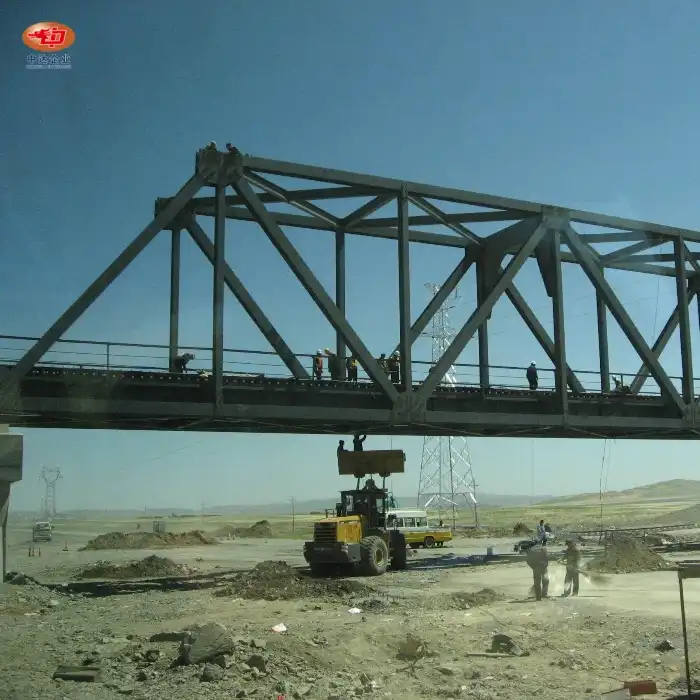
These days, hollow steel box girders are used more and more to build bridges because they work better than standard I-beams for long spans. When loads are spread out more evenly, the fully welded box design is better at resisting rotational forces. This closed-section form makes internal spaces that need to be carefully planned for upkeep. Engineers like that the cross-section designs can be changed to fit different span needs because the heights can range from 1.25 meters to 8 meters. These building blocks can hold spans up to 420 meters long if they are well taken care of. This makes them perfect for crossing big rivers and building raised expressways.
The way the building was done has a big effect on how much upkeep is needed. When 12 to 30 meter prefabricated pieces arrive at building sites, they are already put together, which cuts the time it takes to build by about half. This factory-controlled production makes sure that the quality is always the same, but it also makes connection places that need to be checked often. Using perforated steel webs in some designs can cut weight by almost 20%, making them more efficient without lowering the performance of the structure.
Primary Deterioration Mechanisms
Corrosion is the most constant threat to the life of bridges. Deicing salts, moisture, and air pollutants all damage protection coats and steel surfaces that are left open to the elements. The areas inside the boxes keep air in, making microclimates that are good for rust to form. The Federal Highway Administration has done studies that show that rust is the cause of almost 40% of structural problems in steel bridges across the US.
When something is loaded with traffic over and over, fatigue cracks appear at bonded joints and high-stress areas. Every year, heavy industrial cars go through millions of load cycles, which turns tiny flaws into dangerous cracks over time. The American Society of Civil Engineers released research that shows fatigue failures usually happen where stress levels are highest, like where a weld ends or a detail changes.
These problems are made worse by environmental factors. Salt spray speeds up the breakdown of sites near the coast, while acidic air in industrial areas puts buildings at risk. Changes in temperature cause waves of expansion and contraction that put stress on safety systems. When choosing materials and security plans for bridge parts, procurement teams must take area climate trends into account.
Regulatory Framework and Standards Compliance
Maintenance plans need to be in line with set building rules. The American Association of State Highway and Transportation Officials has detailed rules about how to maintain bridges, including how often they should be inspected and how they should be fixed. International standards, such as ISO 9001, EN 1090, and AWS certifications, make sure that makers send parts that meet quality standards around the world.
Compliance goes beyond the original building work. The National Bridge Inspection Standards say that every 24 months, there must be thorough records of the structure's state for safety checks, and this is particularly critical for a steel box girder due to its enclosed compartments and welded details that require careful monitoring. When maintenance methods don't follow standard procedures, engineering companies that are in charge of public infrastructure contracts may be held legally responsible. Working with approved providers who know about these rules makes it easier to follow the rules and lowers the risk of the project.
Critical Maintenance Strategies for Enhancing Bridge Longevity
Comprehensive Inspection Protocols
Visual checks are the most important part of any repair program. During regular walkthroughs, trained testers look for surface rust, coating failures, joint wear, and drainage issues. However, obvious signs of damage often mean that the damage is more advanced. For early-stage flaws, complex methods are needed to find them.
Technologies for non-destructive testing find flaws in a structure without hurting it. Steel loss from internal rust can be measured with ultrasonic thickness testing. Magnetic particle screening can find cracks in the surface that you can't see with the naked eye. Radiographic testing checks the quality of the weld in important links. Standards for correct NDT use are published by groups like the American Welding Society. This makes sure that results are interpreted the same way by all inspection teams.
Modern tracking systems now allow for constant checks on the health of structures. Strain gauges, accelerometers, and rust monitors all send data to central platforms in real time. Engineers can use this Internet of Things interface to keep an eye on performance trends and find problems before they become emergencies. After using sensor-based tracking, infrastructure owners who are in charge of large bridge networks say that unplanned maintenance events have dropped by 30%.
Corrosion Prevention and Protection Systems
The main protection against atmospheric attack is protective coverings. Multi-layer coatings with zinc-rich bases, epoxy middlecoats, and polyurethane topcoats are common in high-performance systems. These finishing systems have service lives of more than 30 years if they are properly designed and applied. The key is to properly prepare the surface. Abrasive blasting gets rid of mill scale and rust to make the conditions perfect for bonding.
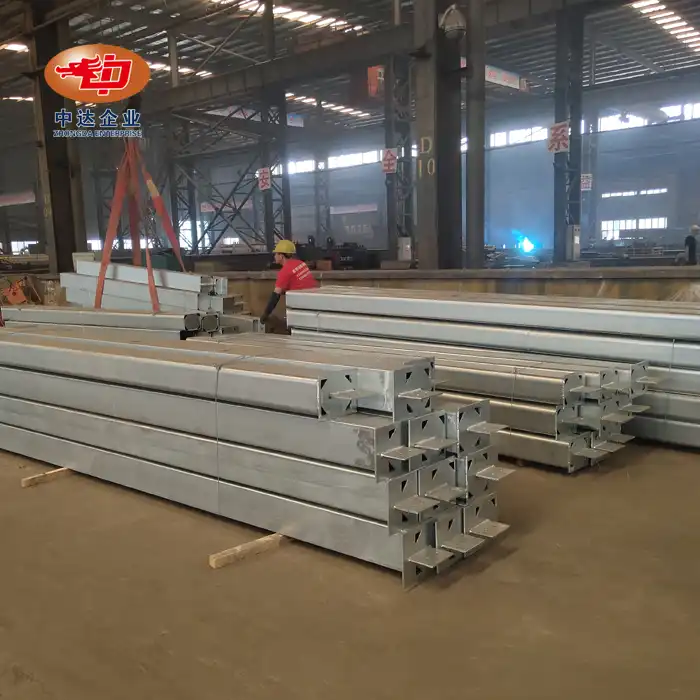
Another good way to protect something is to galvanize it. Hot-dip galvanizing covers steel surfaces with layers of zinc that are metallurgically bound and corrode before the base metal does. This method works especially well for connecting tools and smaller parts. Combining galvanizing with extra coatings to make double protection plans makes things last longer in harsh circumstances.
Cathodic protection systems work on the inside of boxes, where it's hard to apply coatings. When you use sacrificed anodes or imposed current circuits, you set up electrochemical conditions that stop corrosion from starting. Cathodic protection makes structures last longer in places where corrosion is common, but it is harder to set up and keep an eye on. These extra safety steps are especially helpful for port sites and coastal bridges.
Advanced anti-corrosion methods are used by manufacturers like Shenyang Zhongda when they make things. Our two-layer protection methods, which use either galvanizing or special spray coatings, make sure that the parts we give meet strict standards for durability. This protection is put on at the factory and works well with field repair plans. It creates a strong defense from the start of the project.
Fatigue Management Through Predictive Analysis
Targeted fatigue tests are possible when you know the load patterns. When you put together data on traffic volume and car weight distribution, you get stress spectra for important information. Models that use finite elements can tell you how much damage will build up at welded joints and physical changes. This way of looking at things analytically finds weak spots that need more careful inspection.
Different ways to fix cracks depend on how bad they are. When small flaws are found early on, they are often stopped by stop-hole drilling or limited grinding. For bigger problems, you might need to put in reinforcements or replace the whole part, which is especially challenging for a steel box girder due to its confined interior spaces and complex welded joints. The Steel Structures Painting Council gives detailed instructions on how to do repair welding in a way that doesn't add new stress clusters but does restore wear resistance.
Design changes made during big rehabilitation projects get rid of features that get worn out quickly. In high-stress areas, bolted splices are used instead of welded joints, and sharp changes in shape are replaced with smooth transitions. When buying teams need to buy new parts, they should choose designs that have been shown to work well with fatigue. This makes future upkeep easier. Our engineering team works with clients to find the best link details. They do this by using what they've learned from big projects like the 18,000-ton Shenyang Dongta Cross-Hunhe River Bridge.
Load Management and Real-Time Monitoring
Weight limits protect buildings that are getting close to their load limits, but implementation problems and negative effects on the economy make other solutions more appealing. Weigh-in-motion systems instantly check the weight of cars and send traffic that is too heavy to different routes. This technology keeps structures strong while keeping the flow of things smooth.
Monitoring the health of a structure changes upkeep from being reactive to being proactive. Sensor networks that have been installed detect stresses, deflections, and noises when traffic is actually going through the area. This data is processed by machine learning algorithms that look for changes in behavior that show damage or deterioration. Transportation agencies that use these systems say that they are better at allocating their resources because repair teams work based on real needs instead of set schedules.
Adding BIM-based design collaboration makes tracking even more useful. When fabrication is done, digital twins are made that include the positions of sensors and standard performance factors. As buildings get older, monitoring data builds up and fills in these models, making full state records. When repairs are needed, engineers can look at specific as-built information and performance records. This makes it easier to make design decisions and cuts project timelines by 20 to 30 percent.
Comparing Maintenance Requirements Across Girder Types
Durability and Maintenance Frequency Differences
Material qualities have a big effect on how often repair needs to be done. Even though bare steel doesn't rust as easily as concrete girders, they can still be damaged by alkali-aggregate reactions and freeze-thaw cycles. Prestressed concrete parts raise worries about strand corrosion, especially when cracks show muscles. When it comes to coating upkeep, I-beam designs have more surface area than enclosed box sections.
Maintenance times take these traits into account. Major checks of concrete buildings happen every 48 months, while inspections of steel bridges happen every 24 months. However, hollow parts that are properly covered can make these time periods longer if tracking data shows that conditions are stable. Case studies from the National Cooperative Highway Research Program show that well-maintained steel buildings have lower life-cycle costs, even though they need to be inspected more often.
Cost-Benefit Analysis Over Structure Lifecycle
Only 20–30% of all costs over the lifespan are paid for the initial building. Most of the money spent on infrastructure goes to repairs, inspections, and eventually renewal. When making procurement choices, people shouldn't just look at the starting price; they should also think about the long-term financial effects.
High-strength Q345D steel and quality Q420D material at key points are used to make hollow steel box girder sections that have better fatigue performance. The choice of material lowers the chance of cracks starting, which means that repairs are needed less often. When paired with factory-applied corrosion protection that provides 30-year service lives, these parts reduce lifecycle costs, even if they may require a higher initial investment.
Comparative studies that look at different types of bridges in similar service situations show that the costs of upkeep vary. According to a study in the Journal of Bridge Engineering, steel box sections in moderate temperatures need 15% less upkeep than similar I-beam types over 50-year study periods. The enclosed design covers the inside areas and only needs coating upkeep on the outside faces.
Performance Under Harsh Environmental Conditions
Extreme weather puts materials and safety systems to the test. Arctic systems are more likely to break easily and wear out faster because of changes in temperature. Our weathering steel technology, which is rated to -60°C, stays flexible in harsh conditions, as shown by the fact that bridges all over Russia have been successfully put in place. Specialized steel types and impact-tested welding methods make sure that materials are reliable in places where temperatures are very different from what they should be.
Coastal and marine areas need better defense against corrosion. Airs full of salt can get through covering flaws and create violent corrosion cells. In these tough situations, defense is provided by double-layer protection systems that combine protective layers with cathodic protection. Ports and bridges that cross seas warrant high-level security investments that keep things from breaking down too quickly.
Chemical atmospheres can get into buildings through industrial passageways. Pollutants in the air are made by refineries, factories, and mines, and they can damage normal coats. Preserving structural integrity means choosing topcoats that are resistant to chemicals and speeding up testing plans. We choose materials that can stand up to harsh industrial conditions based on our experience providing heavy-duty parts to petrochemical plants and mining activities.
Selecting Optimal Maintenance Partners and Component Suppliers
Evaluation Criteria for Service Providers
Professional repair companies are different from general service providers because they have the right technical skills. Certifications from groups like the Society for Protective Coatings show that employees have been trained in how to apply certain types of coatings. AWS licenses show that the welding repair skills meet building standards. Procurement managers should demand written skills from contractors that show they know how to maintain bridges properly.
What equipment can do directly affects how well a job is carried out. Modern grit blasting systems clean surfaces to a level that is necessary for coatings to stick. Repairs that are uniform and free of flaws are made by automated welding tools. Ultrasonic thickness gauges and phased-array flaw detectors are two types of inspection tools that can be used to get a full picture of a problem, especially for a steel box girder with its complex welds and enclosed cells. Site visits that show well-kept fleets of tools show that the worker is dedicated to doing good work.
Having experience with systems like this gives you useful background. Contractors who are familiar with open box sections know how hard it can be to get to and how important it is to protect the room inside. References from similar projects can help you figure out how well someone solves problems and sticks to deadlines. Our 70% client renewal rate shows how important it is for tech teams to have long-term relationships with partners they can trust.
Importance of Manufacturer Integration
Long-term asset management is easier when you buy basic parts from companies that offer full support. If suppliers keep thorough records of how their products are made, they can make replacement parts that match the original specs decades after the original building was built. Technical help during the planning stages of repair makes sure that the new and old parts will work together.
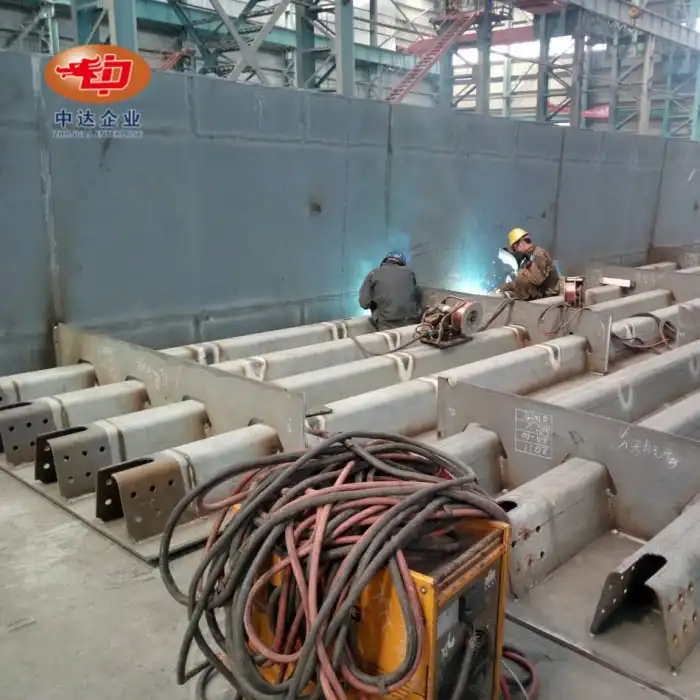
Quality assurance programs in factories build a basis for dependability. Our building is 120,000 square meters and has CNC ultra-thick plate cutting equipment that keeps margins of ±0.2mm. With automated welding lines, the quality of the joints stays the same from one production run to the next. Before shipping, strict testing processes check the accuracy of the measurements and the properties of the material. These production controls cut down on problems during installation in the field and make sure that the project will last from the start.
Vertically linked skills make it easier to complete projects. Managing the coordination of design, fabrication, and building gets rid of the interface problems that come up with multi-vendor methods. BIM-based processes make sure that the design purpose is carried out correctly during the fabrication and installation stages. When maintenance is needed, this combined knowledge base makes it easier to fix things quickly and in a way that follows the original design principles.
Global compliance skills help build up structures around the world. Following the rules set by ISO 9001, EN 1090, AWS, and JIS makes it easy for us to work on projects all over the world. Engineering teams that are in charge of international portfolios like working with sources that know how to comply with a variety of rules. This world view helps choose materials and safety systems that work well in a variety of local situations.
Conclusion
Strategic care protects investments in infrastructure and keeps people safe. Modern methods that combine old-fashioned checking methods with high-tech tracking tools allow for strategic management of assets. Long-term performance is affected by the choice of materials, the quality of the security system, and the relationship between the maker and the customer, particularly for a steel box girder where weld details and closed sections demand careful attention. Maintenance is also very important. Infrastructure managers can extend the life of structures and keep costs low over their whole life by putting in place complete programs that deal with things like preventing corrosion, managing stress, and keeping an eye on loads. The future of infrastructure management is when forecast analytics and condition-based repair work together to make things more reliable and make the best use of resources.
FAQ
How Often Should Inspections Occur?
Most highway bridges have to go through thorough checks every 24 months because of federal rules. Structures that get a lot of business traffic or have known problems need to be checked every year. Hands-on checks of fracture-critical parts are needed every 24 months, no matter how good the bridge is in general. Underwater parts need to be checked every 60 months unless there are worries about scour that require a more frequent check.
What Are the Most Effective Corrosion Protection Methods?
When applied correctly, multi-layer sealing systems with zinc-rich bases and epoxy and polyurethane layers last 20 to 30 years. Hot-dip galvanizing is a great way to protect small parts and connection gear. Dehumidification systems or cathodic protection are good for the inside of boxes. Steel repair is expensive, but it can be avoided by keeping the coating in good shape and fixing small problems before they get worse.
How Does Rigorous Maintenance Extend Bridge Lifespan?
Preventative maintenance stops damage before it gets worse, when fixes are still cheap and not too invasive. Small covering touch-ups are a lot cheaper than replacing steel after a piece is lost. When cracks are found early, they can be fixed easily instead of having to be replaced as a last resort. Well-kept bridges usually last between 75 and 100 years, while buildings that aren't taken care of need major repairs or rebuilding every 40 to 50 years. This shows how much it costs to not maintain things regularly.
Partner with Zhongda for Superior Steel Box Girder Solutions
Buildings last longer when they are made with high-quality parts from steel box girder makers with a lot of experience. Shenyang Zhongda Steel Structure Engineering offers advanced manufacturing skills along with full technical support, creating structure elements that require little upkeep over their entire lifetime. Our high-strength Q345D and Q420D steel parts have two layers of rust protection that are put on at the factory and are guaranteed to last for 30 years. Customizable cross-sections ranging from 1.25 meters to 8 meters can be used for a variety of projects, and our prefabrication skills cut down on building times by 20 to 30 percent. We work with infrastructure companies, EPC contractors, and government bodies all over the world and have ISO 9001, EN 1090, and AWS certifications to back us up. Email our team at Ava@zd-steels.com to talk about your steel box girder supplier needs and find out how our integrated method gives you measurable performance benefits throughout the duration of a building.
References
American Association of State Highway and Transportation Officials. (2020). Manual for Bridge Evaluation, 3rd Edition. Washington, DC: AASHTO Publications.
Fisher, J.W., Kulak, G.L., and Smith, I.F.C. (2018). A Fatigue Primer for Structural Engineers. National Steel Bridge Alliance Technical Publication.
Koch, G.H., Brongers, M.P.H., Thompson, N.G., Virmani, Y.P., and Payer, J.H. (2019). Corrosion Costs and Preventive Strategies in the United States. Federal Highway Administration Report FHWA-RD-01-156.
Taly, N. (2021). Design of Modern Highway Bridges, 2nd Edition. New York: McGraw-Hill Professional Engineering.
Connor, R.J., Dexter, R.J., and Mahmoud, H. (2017). Inspection and Management of Bridges with Fracture-Critical Details. National Cooperative Highway Research Program Synthesis 354.
Zhao, X.L. and Zhang, L. (2019). State-of-the-Art Review on Steel Box Girder Bridges: Design, Construction and Maintenance. Journal of Constructional Steel Research, Volume 162, pp. 1-18.
YOU MAY LIKE
_副本_1762409954420_1788229249106.jpg "steel column design")